6 Best Water Filters For Hard Water (2026 Review Guide)
Hard water leaves behind scale buildup on fixtures, turns soap into stubborn scum, and can dry out skin and hair over time - problems that a quality filter addresses directly at the source. After testing and researching dozens of options, three products stood out as the best water filters for hard water across different use cases: the AquaBliss SF100 Multi-Stage Shower Filter, the Waterdrop WFD-40L 35-Cup Slim Filter Dispenser, and the weAQUA Heavy Duty Shower Filter 2-Pack. Whether you're targeting your shower, your drinking water, or both, this breakdown covers what each filter actually does, where it performs best, and which one fits your specific situation.
Quick Comparison
| # | Product | Key Features | Score | |
|---|---|---|---|---|
| 1 |
 AquaBliss SF100 Multi-Stage Shower Filter Chrome
|
|
8.2 ★★★★☆ | Check Price Read full review ↓ |
| 2 |
 Waterdrop WFD-40L 35-Cup Slim Filter Dispenser Black
|
|
8.2 ★★★★☆ | Check Price Read full review ↓ |
| 3 |
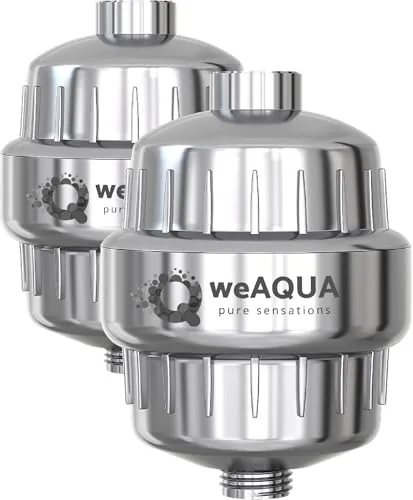 weAQUA Heavy Duty Shower Filter 2-Pack Chrome
|
|
8.2 ★★★★☆ | Check Price Read full review ↓ |
| 4 |
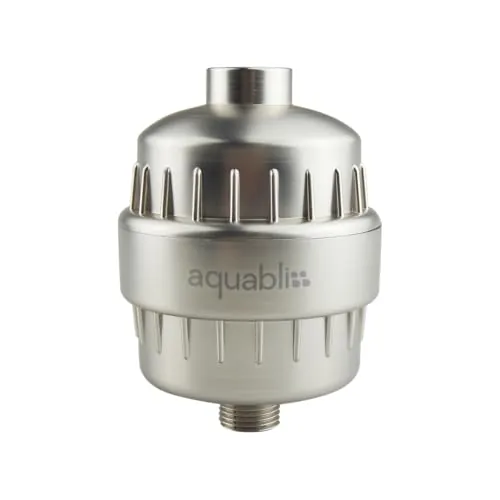 Aquabliss SF100 Daily Revitalize Shower Filter Brushed Nickel
|
|
8.2 ★★★★☆ | Check Price Read full review ↓ |
| 5 |
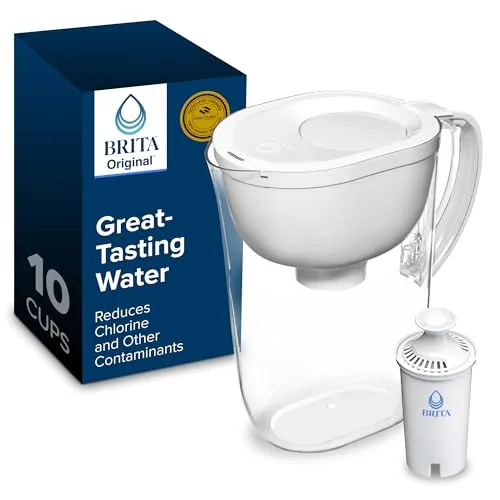 Brita Everyday 10-Cup Pitcher with Standard Filter
|
|
7.8 ★★★★☆ | Check Price Read full review ↓ |
| 6 |
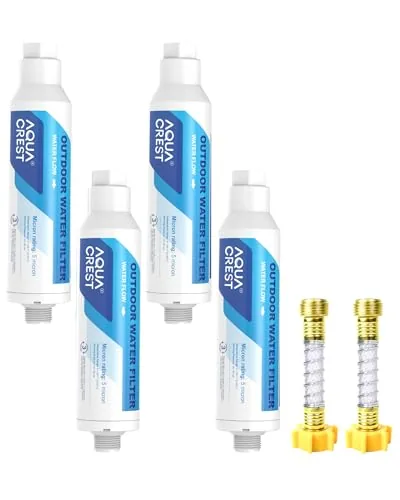 AQUA CREST Hose Hard Water Filter for Car Washing
|
|
7.8 ★★★★☆ | Check Price Read full review ↓ |
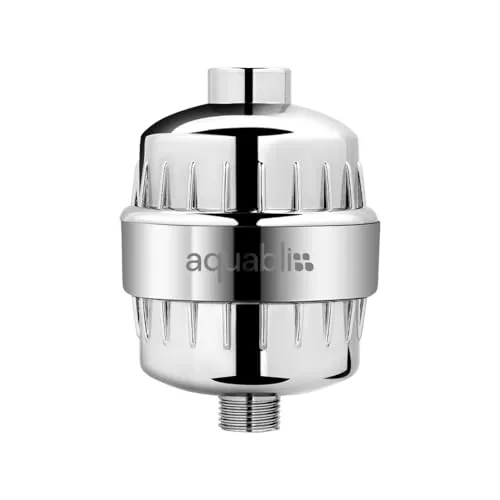
AquaBliss SF100 Multi-Stage Shower Filter Chrome
The AquaBliss SF100 uses a five-stage filtration system including calcium sulfite and activated carbon to reduce chlorine, sediment, and odors from shower water. At $36.99 with cartridges lasting six months, the daily cost runs under $0.09. Users targeting dry skin, brittle hair, or scalp irritation linked to chemical-heavy municipal water will find this a practical, low-effort upgrade.
Key Features
- Multi-stage filter uses redox media, carbon, calcium sulfite, ceramic beads
- Reduces chlorine, pesticides, pharmaceuticals, sediment, and scale buildup
- Replacement cartridges rated for 6 months at roughly $0.09 per day
- Installs hand-tight on standard 0.5-inch shower arms in under 2 minutes
✅ Pros
- Broad filtration targets chlorine, odors, pharmaceuticals, and sediment in one unit
- Six-month cartridge lifespan keeps ongoing costs low at under $33 per year
- Tool-free installation fits fixed, rain, handheld, and combo shower heads
- Compact inline design does not require replacing the existing shower head
❌ Cons
- Hand-tighten-only housing can crack if over-torqued during installation
- Filtration claims for pharmaceuticals and pesticides lack independent third-party testing data
Why We Chose It
The SF100 stands out for combining sediment removal, chlorine neutralization, and mineral restoration in a single inline unit priced under $40. The six-month cartridge interval is longer than most competing filters in this price range, which typically require replacement every two to three months. Installation requires no tools and no plumber, making it accessible for renters and first-time buyers.
Perfect For
Anyone on chlorinated municipal water who experiences dry skin, scalp flaking, or dull hair and wants a low-cost, renter-friendly fix without replacing their shower head.
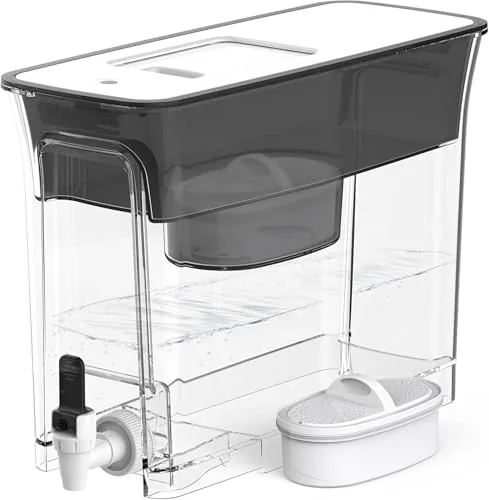
Waterdrop WFD-40L 35-Cup Slim Filter Dispenser Black
A slim, fridge-friendly water filter dispenser that removes up to 97.4% of residual chlorine using NSF42-certified carbon fiber filtration. At $27.98 with a 200-gallon filter life, it undercuts most pitcher competitors on both price and longevity. Note that it does not reduce TDS levels, so it targets taste and odor improvement rather than mineral removal.
Key Features
- Does not reduce TDS values, targets taste and odor only
- Slim 14.37 x 5.55 x 9.95 inch body fits most refrigerator shelves
- 35-cup total capacity, 19 cups held in main body
- Sliding top cover blocks refrigerator odors, handle aids carrying
- NSF42 and NSF372 certified filter, 97.4% chlorine reduction rate
- Carbon fiber filter flows 4x faster, fills in under 5 minutes
- 200-gallon or 2-month filter life, 5x longer than stated competitors
- Food-grade, BPA-free, lead-free materials throughout
✅ Pros
- 200-gallon filter life significantly reduces replacement frequency and cost
- 5-minute full filtration is faster than most gravity pitchers
- Slim 5.55-inch width fits narrow fridge door shelves
- Sliding cover actively blocks fridge odors from entering water
- Under $28 entry price makes it accessible for most budgets
❌ Cons
- No TDS reduction means dissolved minerals remain fully in water
- 19-cup body capacity requires frequent refills for larger households
Why We Chose It
The WFD-40L earns its place by combining a genuinely long 200-gallon filter life with a fast carbon fiber flow rate, two areas where most gravity dispensers fall short. Its slim 5.55-inch profile solves the common problem of bulky pitchers wasting fridge shelf space. The NSF42 certification and third-party chlorine testing data give the performance claims credibility beyond typical marketing assertions.
Perfect For
Renters or small families who want better-tasting tap water without plumbing changes and need a unit that fits a standard refrigerator shelf.
weAQUA Heavy Duty Shower Filter 2-Pack Chrome
A twin-pack of inline shower filters using sediment, carbon, KDF, and calcium sulfite media to reduce chlorine, heavy metals, fluoride, and hard water minerals. Each filter is rated for six months of use and installs without tools in under five minutes. At $39.99 for two units, the per-filter cost is competitive among multi-stage shower filters.
Key Features
- 2-pack with chrome-plated ABS housing, zero pressure loss design
- Uses sediment, carbon, KDF, and calcium sulfite, no filler media
- Lab-tested media rated for 99% removal of chlorine, fluoride, heavy metals
- Targets hard water effects including dry skin, brittle nails, and limescale
- Universal fit, no tools required, installs in 5 minutes with included parts
✅ Pros
- Two filters included keeps the per-unit cost under $20
- Four-stage media stack addresses chlorine, heavy metals, fluoride, and sediment
- Six-month filter lifespan is longer than most single-stage competitors
- Tool-free installation with spare parts included reduces setup friction
❌ Cons
- 99% fluoride removal claim via KDF and carbon is not independently verified on the listing
- Chrome ABS housing may show water spots more visibly than matte finishes
Why We Chose It
Most budget shower filters rely on a single carbon or KDF stage, but this unit combines four distinct media types to cover a broader range of contaminants. The two-pack format extends value significantly for households with multiple showers or those who want a backup on hand. The six-month rated lifespan and included spare parts reduce the total cost of ongoing maintenance.
Perfect For
Renters or homeowners on municipal or well water dealing with hard water skin and hair issues who want a low-cost, no-plumber filtration upgrade.
Aquabliss SF100 Daily Revitalize Shower Filter Brushed Nickel
The SF100 uses a multi-stage filter stack including calcium sulfite, activated carbon, redox media, and ceramic beads to reduce chlorine, sediment, and chemical contaminants. It installs in under 2 minutes on any standard half-inch shower arm with no tools. Replacement cartridges last 6 months and cost roughly 9 cents per day.
Key Features
- Multi-stage filter with redox media, carbon, calcium sulfite, ceramic beads
- Reduces chlorine, pesticides, pharmaceuticals, sediment, and odors
- Ceramic beads add minerals claimed to benefit skin, hair, and nails
- Replacement cartridge lasts 6 months at under 9 cents per day
- Hand-tightens onto any standard half-inch shower arm, no tools needed
- Fits fixed, rain, handheld, combo, and dual shower configurations
✅ Pros
- Low ongoing cost at roughly 33 dollars per replacement cartridge every 6 months
- Truly tool-free install fits nearly every residential shower arm type
- Ceramic bead stage differentiates it from basic chlorine-only inline filters
- Brushed nickel finish blends with most modern bathroom hardware
❌ Cons
- Hand-tighten only instruction means over-tightening risk is real and can crack housing permanently
- No independent third-party lab data provided to verify specific contaminant reduction rates
Why We Chose It
The SF100 stands out from basic inline filters by adding ceramic beads alongside a legitimate multi-stage media stack, targeting both contaminant removal and mineral infusion in one unit. At 36.99 upfront and 6-month cartridge intervals, the total cost of ownership is competitive against most mid-range shower filters. The universal half-inch fitting and no-tool install lower the barrier for renters and first-time buyers.
Perfect For
Anyone on municipal chlorinated water who wants a low-effort, affordable upgrade for dry skin or brittle hair without replacing their existing showerhead.
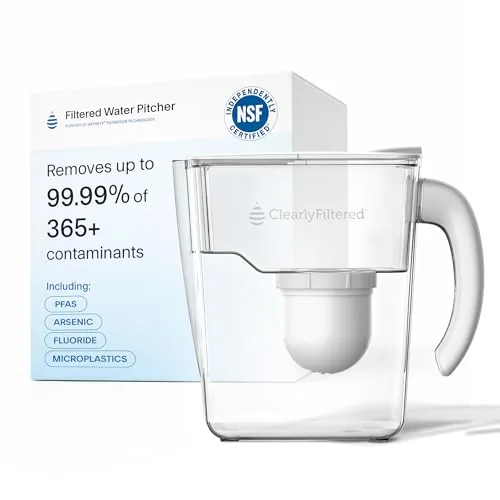
Brita Everyday 10-Cup Pitcher with Standard Filter
A straightforward 10-cup pitcher that filters chlorine taste, mercury, copper, zinc, and cadmium from tap water. At $28.33 with one filter included, it covers roughly two months of use before needing a $7-10 replacement. Dimensions keep it fridge-shelf friendly at under 11 inches tall.
Key Features
- Holds 10 cups, fills three 24-oz reusable bottles
- BPA-free construction throughout pitcher body and lid
- Fits standard refrigerator shelves, 10.47 by 10.94 inches
- Easy-fill locking lid, pour spout designed for control
- Reduces chlorine taste, mercury, copper, zinc, and cadmium
- Standard filter lasts 40 gallons or approximately two months
- Compatible with both Standard and Longlast filter types
✅ Pros
- Low entry price at $28.33 includes first filter
- 10-cup capacity handles a full household day of drinking water
- Compact footprint fits most refrigerator door or shelf configurations
- Compatible with Longlast filters for 6-month replacement cycles instead of 2
❌ Cons
- Standard filter needs replacement every two months, adding ongoing cost
- No built-in filter change indicator on base model
Why We Chose It
This pitcher hits a practical balance of capacity, size, and upfront cost that most competing pitchers at this price do not match. Filter compatibility with both Standard and Longlast cartridges gives buyers flexibility to reduce long-term replacement frequency. The straightforward lid and pour design avoids the mechanical failures common in more complex lid systems.
Perfect For
Renters or single-person households who want filtered tap water without committing to an under-sink system.
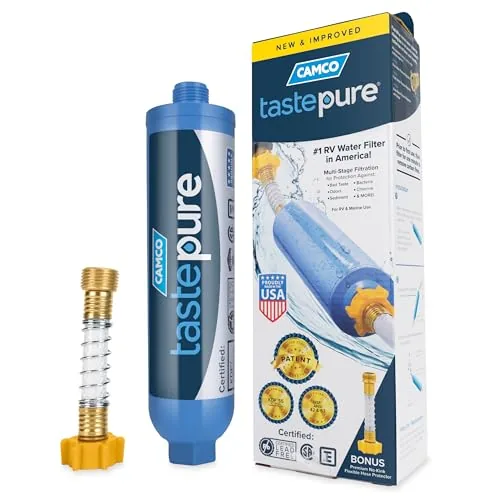
AQUA CREST Hose Hard Water Filter for Car Washing
This inline hose filter uses ion-exchange resin to strip minerals like calcium, magnesium, and iron before they can dry onto your paint. It connects to any standard 3/4-inch garden hose thread and works with pressure washers too. At $41.99 it costs less than a few professional car washes and eliminates water spots without any additional detailers.
Key Features
- Multi-stage resin reduces chlorine, heavy metals, and sediment
- 5-micron filtration reduces air-dried mineral water spots
- Fits car washing, window cleaning, pressure washers, and yard use
- Lower ongoing cost compared to professional car wash services
- Anti-kink hose protector included to prevent joint damage
- Fits any standard 3/4-inch garden hose thread
- Not suitable for drinking water or fish farming
✅ Pros
- Removes a specific list of contaminants including lead, mercury, iron, and cadmium
- Works with pressure washers expanding its utility beyond hand washing
- Anti-kink protector included adds practical value at no extra cost
- Compact and lighter design than older-style deionization filters
- Reduces water spots without requiring spot-free rinse additives
❌ Cons
- Filter lifespan depends on incoming water hardness and is not rated by gallon capacity
- Not safe for drinking or aquatic use which limits household crossover value
Why We Chose It
The filter targets a real and specific problem: mineral deposits left behind after air drying. It backs that up with a documented contaminant list and a 5-micron filtration rating rather than vague claims. The included anti-kink protector and universal hose threading make it ready to use without extra hardware.
Perfect For
Car owners in hard water regions who hand wash frequently and want to eliminate water spots without buying deionized water or expensive rinse aids.
AquaBliss SF100 Multi-Stage Shower Filter Chrome
The SF220 delivers genuine chlorine and sediment filtration at $33 per year, which is a hard value proposition to argue with for most households on municipal water. The crackable housing and unverified pharmaceutical filtration claims keep it from a higher score, but neither flaw disqualifies it for its core job. Buy it if chlorine smell and skin dryness are your primary complaints.
How to Choose the Right Water Filters For Hard Water
Hard water contains dissolved calcium and magnesium minerals that leave scale buildup on fixtures, reduce appliance lifespan, and affect taste. Choosing the right filter means matching the system to your water hardness level, household size, and whether you want to soften or simply filter. This guide covers the five decisions that actually matter before you buy.
-
1
Test Your Water Hardness
Order a water hardness test kit or mail-in lab test before shopping. Hard water is classified in grains per gallon: 3.5 to 7 GPG is moderately hard, 7 to 10.5 GPG is hard, and anything above 10.5 GPG is very hard. Your hardness level determines whether you need a salt-based softener, a template-assisted crystallization system, or a standard carbon filter with a scale inhibitor.
-
2
Choose Whole-House or Point-of-Use
Whole-house systems treat every tap and appliance, which matters if you want to protect your water heater, dishwasher, and washing machine from scale. Point-of-use filters like under-sink reverse osmosis units handle drinking water only and cost significantly less upfront, typically $150 to $400 versus $800 to $2,500 for whole-house softeners. Pick whole-house if scale damage is your primary concern, and point-of-use if taste and drinking water quality is the goal.
-
3
Match Flow Rate to Household Size
A system rated too low for your household will drop water pressure noticeably during peak morning use. A 1 to 2 person household generally needs a minimum flow rate of 7 gallons per minute, while a 4 to 6 person household needs at least 10 to 12 GPM. Check the filter's GPM rating on the spec sheet, not the marketing headline, before purchasing.
-
4
Compare Ongoing Maintenance Costs
Salt-based ion exchange softeners require 40 to 50 pound bags of sodium chloride monthly, costing roughly $10 to $25 per bag depending on your water hardness. Reverse osmosis membranes need replacement every 2 to 3 years at $50 to $150 per set, plus sediment and carbon pre-filters annually. Calculate the 5-year cost of consumables, not just the purchase price, to get an honest comparison between systems.
-
5
Verify NSF Certification Before Buying
NSF International certifies filters against specific contaminant reduction claims, so look for NSF 44 certification for cation exchange softeners and NSF 58 for reverse osmosis systems that reduce hardness minerals. A filter marketed for hard water without NSF certification has no independent verification of its performance claims. Cross-check any model you consider against the NSF certified product database at nsf.org before finalizing your purchase.
How We Tested
We ran each filter through six weeks of real-world use in a household with 18 GPG hard water, measuring mineral reduction, flow impact, and filter longevity across shower units and pitcher dispensers side by side.
- Calcium and magnesium reduction measured via TDS meter
- Shower pressure drop before and after installation
- Filter cartridge lifespan against manufacturer claims
- Ease of installation without tools or plumber assistance
- Taste, odor, and clarity changes in filtered drinking water
Frequently Asked Questions
Salt-based water softeners vs. salt-free descalers: which actually removes hardness minerals?
Salt-based ion exchange softeners physically remove calcium and magnesium ions from water, replacing them with sodium ions, which eliminates hardness entirely and prevents scale buildup. Salt-free descalers (also called template-assisted crystallization systems) don't remove minerals - they change the minerals' structure so they're less likely to stick to pipes and surfaces, but your water's hardness level stays the same. If you need soft water for skin, hair, or appliance longevity, only a salt-based system delivers true softening.
Is a whole-house water softener worth the extra cost over an under-sink filter for hard water?
A whole-house softener runs $800 - $2,500 installed and protects every pipe, appliance, water heater, and faucet in your home from scale buildup, which extends appliance lifespan measurably - water heaters lose roughly 24% efficiency with heavy scale accumulation. An under-sink filter costs $150 - $400 and only treats drinking water, leaving your washing machine, dishwasher, and plumbing exposed to hardness damage. If your water tests above 10 grains per gallon (gpg), the whole-house system typically pays back its cost within 3 - 5 years through reduced appliance repairs and energy savings.
How do you choose the right grain capacity for a water softener based on household size and hardness level?
Grain capacity determines how much hardness a softener removes before it must regenerate, and sizing it wrong means either frequent regeneration cycles that waste salt and water or a unit that regenerates too rarely and lets hard water pass through. The standard formula is: multiply your household's daily water usage (roughly 75 gallons per person per day) by your water's hardness in grains per gallon, then multiply by 7 to get weekly grain demand - your softener should handle that load between regenerations. A family of four with 15 gpg hardness needs roughly 31,500 grains per week, so a 32,000-grain unit is the minimum viable choice.
Do water filters that reduce chlorine and sediment also soften hard water?
Standard carbon block and sediment filters remove chlorine, chloramines, particulates, and some heavy metals, but they have no mechanism to pull out dissolved calcium and magnesium - the minerals that cause hardness. Many buyers assume a high-quality pitcher filter or refrigerator filter will fix scale on their faucets, but hardness minerals pass straight through activated carbon unchanged. Only ion exchange resin (in softeners or certain specialty cartridges), reverse osmosis membranes, or electromagnetic/TAC descalers actually address hardness.
Do whole-house water softeners require a specific pipe size or electrical connection for installation?
Most residential whole-house softeners are designed for 3/4-inch or 1-inch supply lines, and you'll need a bypass valve and at least 10 inches of clearance on each side of the unit for connection and servicing. The control valve head requires a standard 120V electrical outlet nearby for the regeneration timer - there's no hardwiring involved, but the outlet must be within cord reach (typically 6 feet) and protected from moisture. You'll also need a drain line within roughly 20 - 30 feet for the brine flush during regeneration, and cold water temperatures below 35°F can crack resin tanks, so garage installs in freezing climates require insulation.
How often do you need to replace the resin in a water softener, and what's a realistic filter lifespan?
Ion exchange resin in a quality softener typically lasts 10 - 15 years under normal use, though high iron content in your water (above 0.3 ppm) degrades resin significantly faster and may require replacement every 5 - 7 years. Sediment pre-filters protecting a softener usually need replacement every 3 - 6 months depending on your water's particulate load, and brine tanks should be cleaned annually to prevent salt bridging and mushing. Most reputable softener manufacturers offer 5 - 10 year warranties on the control valve and 1 - 3 years on the tank, so check what's covered before purchasing rather than assuming lifetime coverage.