As low as $12
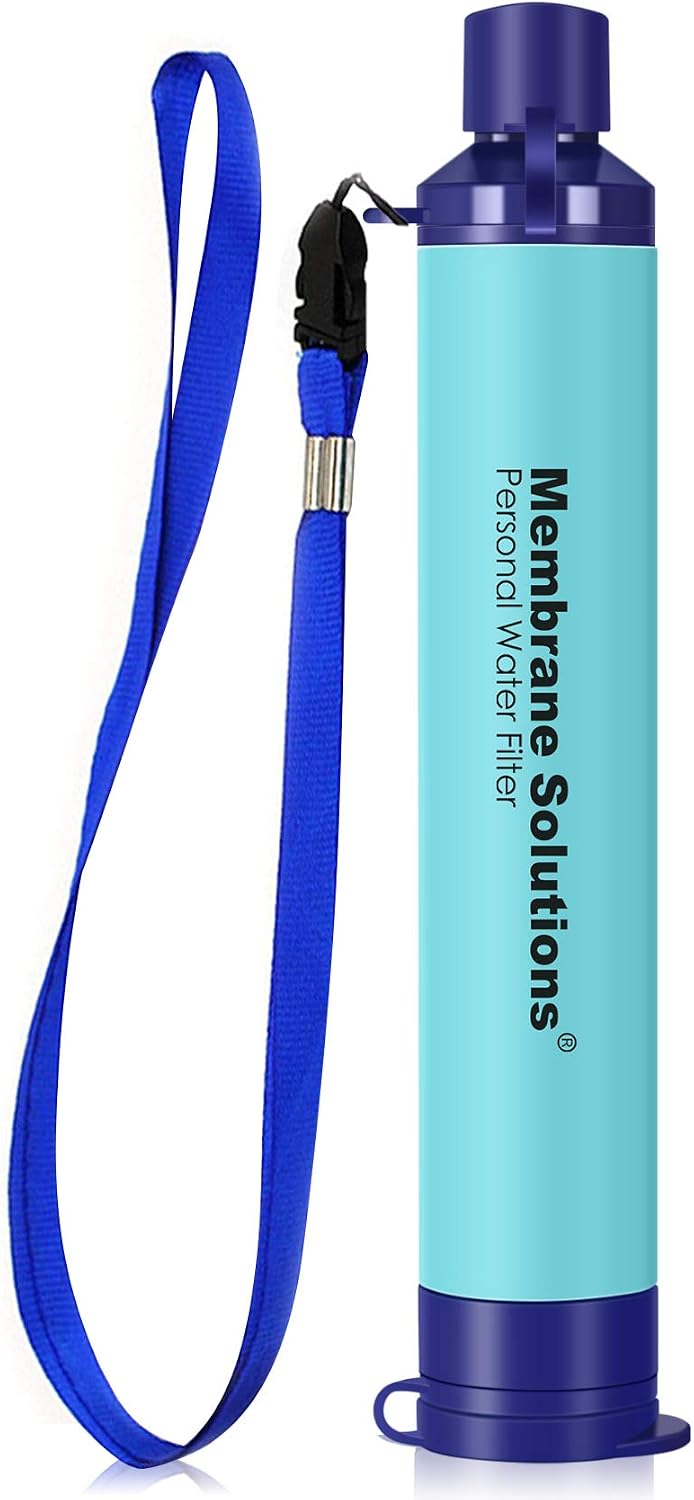
Built for travel, hiking & emergencies - drink safely whether the water is unsafe or just tastes off.
- NSF/ANSI 42, 372 & 401 certified, 0.1 micron filtration
- Filters up to 1,320 gallons - no batteries or pumping
- Ultralight - fits in any bag or pocket
- BPA-free, compatible with standard 28mm bottle threads
Tap water in Cape Verde is generally not considered safe for travelers to drink directly. While urban areas like Praia and Mindelo have treated water systems, supply inconsistencies, aging infrastructure, and desalination limitations mean that most visitors should rely on bottled or filtered water. Rural islands may have very limited piped water access, making caution essential throughout the archipelago.
Quick Reference
| Concern | Our Advice | |
|---|---|---|
| Drink tap water? | ❌ | Use bottled or filtered water |
| Brush teeth? | ✅ | Yes, no concerns |
| Wash fruits / veg? | ❌ | Wash with filtered or bottled water |
| Use ice in drinks? | ❌ | Avoid unless confirmed purified |
| Shower safely? | ✅ | Yes |
| Filter bottle needed? | ❌ | Strongly recommend a Membrane Solutions Filter Straw for all travelers |
| Common risks | Bacterial contamination, Desalination byproducts, Waterborne parasites, Aging pipe infrastructure, Saltwater intrusion, Intermittent supply causing stagnation |

Key Statistics


Affiliate links — we earn a small commission at no extra cost to you.
Water Infrastructure & Supply
Cape Verde is a volcanic archipelago with extremely limited freshwater resources. Rainfall is scarce and unpredictable, and there are virtually no permanent rivers or lakes. The country has invested heavily in desalination since the 1960s, and today desalinated seawater accounts for approximately 85% of urban water supply, managed primarily by the national utility Electra and several municipal operators.
The main islands of Santiago, So Vicente, Sal, and Boa Vista have desalination plants and treated piped water networks. However, the distribution infrastructure suffers from aging pipes, frequent leaks (non-revenue water is estimated at over 40%), and intermittent supply in some neighborhoods. Water is often stored in rooftop tanks (cisternas), which can become contaminated if not properly maintained.
The government, with support from the African Development Bank, the EU, and the World Bank, has been implementing projects to expand desalination capacity, rehabilitate distribution networks, and improve rural water access. The National Water and Sanitation Agency (ANAS) was established to strengthen sector governance. Solar-powered desalination pilots have been introduced on smaller islands to reduce energy costs and increase sustainability.
Contamination & Health Risks
The primary health risks from Cape Verde's tap water include bacterial contamination from aging distribution pipes and improperly maintained storage tanks. While desalinated water at the plant meets quality standards, contamination can occur during distribution and household storage. Cases of gastroenteritis and waterborne illness are reported, particularly during the rainy season (August, October) when flooding can overwhelm drainage and contaminate water sources.
Saltwater intrusion into groundwater aquifers is a growing problem, especially on smaller and more arid islands. Agricultural runoff, including pesticides and fertilizers, can also affect groundwater quality in rural areas. Desalination byproducts, including elevated boron levels, have been noted in some water supplies, though they are generally within WHO guideline values.
For travelers, the practical risk is stomach upset from unfamiliar microorganisms rather than serious disease. Tap water used for showering and handwashing is safe, but drinking water should be bottled, boiled, or filtered. Ice in tourist hotels is typically made from purified water, but ice from street vendors or small local establishments may not be. Washing fruits and vegetables with tap water and eating them uncooked can also pose a mild risk.
Regional Water Quality Breakdown
Praia (Santiago)
cautionAs the capital, Praia has the most developed water infrastructure with desalination plants and treated supply. However, intermittent supply and aging pipes mean water quality at the tap may not match plant output. Bottled or filtered water is recommended for drinking.
Mindelo (So Vicente)
cautionMindelo has a functioning desalination plant and reasonable water coverage. Supply can be intermittent in some neighborhoods, and rooftop storage tanks are common. Visitors should stick to bottled water for drinking but can safely shower and brush teeth.
Santa Maria (Sal)
cautionSal is a major tourist destination with upgraded water infrastructure for resorts. Most hotels use desalinated or treated water, and bottled water is readily available. Tap water in hotels is generally fine for showering but should not be consumed directly.
Boa Vista
cautionBoa Vista's tourism boom has driven improvements in water supply, primarily through desalination. Resort areas tend to have better water quality than local neighborhoods. Travelers should rely on bottled or filtered water outside of high-end resorts.
Santo Anto
cautionSanto Anto has some natural spring water sources, including the well-known gua das Caldeiras. However, piped water infrastructure is limited in rural mountain areas. Hikers and trekkers should carry sufficient bottled or filtered water.
Fogo
avoidFogo's volcanic terrain and limited infrastructure make safe water access challenging, especially in rural communities and near the caldera. Water supply is often from rainwater collection or trucked deliveries. Travelers should bring adequate bottled water when exploring the island's interior.
Practical Tips for Travelers
- Always drink bottled or filtered water. Even in hotels, check if the tap water is desalinated or from a storage tank before drinking.
- Carry a filter bottle (such as LifeStraw or Grayl) when hiking on Santo Anto or Fogo, where bottled water may not be available in remote areas. Strongly recommend the Membrane Solutions Filter Straw.
- In restaurants, ask for bottled water by saying "gua engarrafada, por favor" (bottled water, please) in Portuguese, the official language.
- Avoid ice in drinks from street vendors or small local bars. In tourist restaurants and hotels, ice is usually made from purified water and is generally safe.
- Peel or wash fruits and vegetables with bottled or filtered water before eating them raw, especially at local markets.
- Buy water in bulk from supermarkets to save money , a 5-liter jug is much cheaper per liter than individual bottles and generates less plastic waste.
- If staying in a guesthouse or local accommodation, ask about the water tank maintenance. Saying "A gua da torneira tratada?" (Is the tap water treated?) can help clarify.
- Bring oral rehydration salts in your travel kit. Mild stomach upsets from water or food are common for visitors, and the hot climate increases dehydration risk.
Bottled Water Availability & Cost
Bottled water is widely available throughout Cape Verde, especially on the tourist islands of Sal, Boa Vista, Santiago, and So Vicente. The most common local brand is gua das Caldeiras, sourced from natural springs on Santo Anto. A 1.5-liter bottle typically costs 100, 200 CVE (approximately 0.90, 1.80 / $1.00, $2.00) in shops and supermarkets. In restaurants and tourist areas, prices may be higher, ranging from 200, 400 CVE for a 1.5-liter bottle.
Buying water in bulk (5-liter or 6-packs) from supermarkets like Cal & ngela or local minimercados offers significant savings. A 5-liter jug typically costs around 200, 300 CVE. Travelers are encouraged to bring a reusable water bottle with a built-in filter to reduce plastic waste, as Cape Verde faces significant challenges with plastic pollution on its beaches and in the ocean. Some upscale hotels and eco-lodges now offer filtered water refill stations.
Frequently Asked Questions
Can I brush my teeth with tap water in Cape Verde?
Yes, brushing your teeth with tap water in urban areas like Praia, Mindelo, and tourist resorts is generally safe. The small amount of water used for brushing is unlikely to cause illness. However, avoid swallowing the water, and if you have a very sensitive stomach, use bottled water.
Is it safe to shower in Cape Verde tap water?
Yes, showering with tap water is safe throughout Cape Verde. The water may have a slight mineral or chlorine taste due to desalination treatment, but it poses no risk through skin contact. Avoid getting water in your mouth if you're concerned.
Is ice safe in drinks at Cape Verde restaurants?
In tourist hotels and reputable restaurants, ice is typically made from purified or desalinated water and is safe. However, at smaller local establishments or street vendors, ice may be made from untreated tap water. When in doubt, order drinks without ice.
How much does bottled water cost in Cape Verde?
A 1.5-liter bottle costs approximately 100-200 CVE (0.90-1.80) in shops. In restaurants or tourist areas, expect to pay 200-400 CVE. Buying 5-liter jugs from supermarkets is the most economical option at around 200-300 CVE.
Do restaurants in Cape Verde serve tap water?
Most restaurants in Cape Verde serve bottled water rather than tap water. It is uncommon to be served free tap water as in some European countries. You will usually be offered a choice between still (sem gs) and sparkling (com gs) bottled water.
Why is Cape Verde's water mostly desalinated?
Cape Verde is one of the driest countries in Africa, with very low and erratic rainfall and no permanent rivers. The volcanic islands have limited groundwater, and what exists is increasingly affected by saltwater intrusion. Desalination of seawater has been the primary solution since the 1960s and now provides about 85% of the urban water supply.
Can I refill my water bottle from hotel taps in Cape Verde?
It is not recommended to refill your drinking bottle from hotel taps unless the hotel specifically states their water is filtered or purified for drinking. Many hotels provide complimentary bottled water in rooms. Some eco-resorts now have filtered water stations , ask at reception.
Is the water on Sal island safe for tourists?
Sal has invested in water infrastructure to support its growing tourism industry. Resort hotels generally have good water quality for showering and basic use. However, tap water should not be consumed directly. Bottled water is widely available in Santa Maria and throughout the island.
Interesting Product Reviews
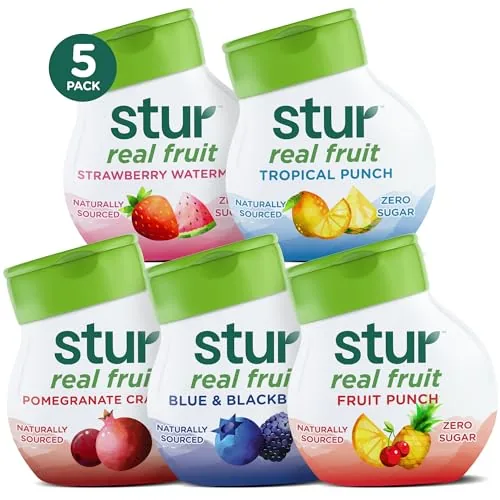
8 Best Water Flavor Drops (2026 Review Guide)
Aug 9, 2026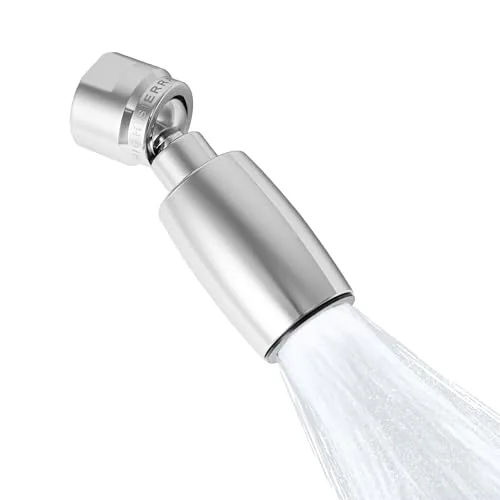
7 Best Low-Flow Shower Heads (2026 Review Guide)
Aug 19, 2026
6 Best Gravity Water Filters For Camping (2026 Review Guide)
Jul 20, 2026
9 Best Water Pressure Boosters (2026 Review Guide)
Aug 14, 2026
9 Best Humidifiers (2026 Review Guide)
Aug 20, 2026