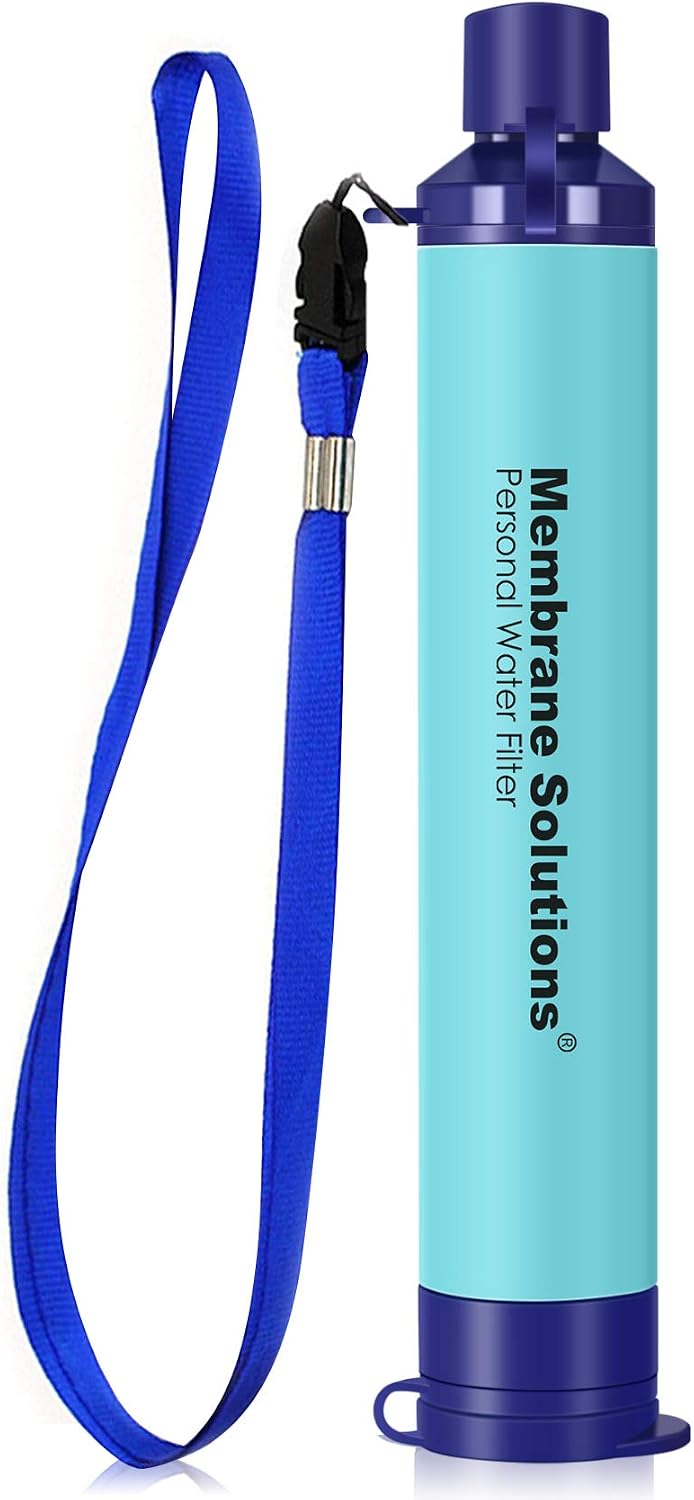
As low as $12
Built for travel, hiking & emergencies - drink safely whether the water is unsafe or just tastes off.
- NSF/ANSI 42, 372 & 401 certified, 0.1 micron filtration
- Filters up to 1,320 gallons - no batteries or pumping
- Ultralight - fits in any bag or pocket
- BPA-free, compatible with standard 28mm bottle threads
Tap water in Kenya is generally not considered safe for travelers to drink. While major cities like Nairobi have treated municipal water supplies, contamination from aging infrastructure, intermittent supply, and inadequate treatment in many areas poses significant health risks. Travelers are strongly advised to drink bottled or purified water throughout their stay.
Quick Reference
| Concern | Our Advice | |
|---|---|---|
| Drink tap water? | ❌ | Use bottled or filtered water |
| Brush teeth? | ❌ | Use bottled or filtered water |
| Wash fruits / veg? | ❌ | Wash with filtered or bottled water |
| Use ice in drinks? | ❌ | Avoid unless confirmed purified |
| Shower safely? | ✅ | Yes |
| Filter bottle needed? | ❌ | Strongly recommend a Membrane Solutions Filter Straw for all travelers |
| Common risks | Bacterial contamination, E. coli, Cholera, Typhoid, Cryptosporidium, Heavy metals, Pesticide runoff, Fluoride contamination |

Key Statistics


Affiliate links — we earn a small commission at no extra cost to you.
Water Infrastructure & Supply
Kenya's water infrastructure has evolved significantly since independence in 1963, but remains a work in progress. The country's water supply is managed by over 90 water service providers (WSPs) operating under the Water Services Regulatory Board (WASREB). Nairobi Water and Sewerage Company is the largest utility, serving the capital and surrounding areas, but faces challenges including non-revenue water losses exceeding 40% due to leaking and aging pipes.
The primary water sources include Lake Victoria, the Tana River, the Athi River, and numerous dams and boreholes. Treatment typically involves conventional processes such as coagulation, sedimentation, filtration, and chlorination at centralized plants like the Ngethu Water Treatment Works near Nairobi. However, intermittent supply is common , many urban households receive water for only a few hours per day, and storage in tanks or jerry cans introduces secondary contamination risks.
Major improvement projects are underway, including the Nairobi Bulk Water Supply Project funded by the World Bank and the Northern Water Collector Tunnel. Kenya's Vision 2030 development blueprint aims for universal access to clean water, and the government has increased investment in water infrastructure through devolved county governments under the 2010 constitution. Despite this progress, rural and peri-urban areas still rely heavily on unimproved sources such as rivers, shallow wells, and rainwater harvesting.
Contamination & Health Risks
Waterborne diseases remain a significant public health concern in Kenya. Studies by the Kenya Medical Research Institute (KEMRI) have detected E. coli contamination in a high percentage of water samples from both urban and rural sources, often exceeding WHO guideline values. Cholera outbreaks occur periodically, particularly during the rainy seasons, with thousands of cases reported annually in informal settlements and underserved areas.
Contamination sources are diverse and include untreated sewage discharge into rivers, agricultural runoff containing pesticides and fertilizers, and industrial effluent especially around Nairobi and the Lake Victoria basin. In parts of the Rift Valley, naturally occurring fluoride levels in groundwater exceed WHO limits of 1.5 mg/L, which can cause dental and skeletal fluorosis. Heavy metals such as lead and chromium have been detected in water sources near industrial zones.
For travelers, the practical risks are substantial. Even in upscale hotels in Nairobi or Mombasa, tap water may have been stored in rooftop tanks where contamination can occur. Traveler's diarrhea is extremely common among visitors who consume untreated tap water, ice made from tap water, or unpeeled fruits washed with tap water. The CDC classifies Kenya as a destination where travelers should avoid tap water entirely and take precautions with food preparation.
Regional Water Quality Breakdown
Nairobi
cautionNairobi has the most developed water infrastructure in Kenya, with treated water from the Ndakaini and Sasumua dams. However, aging pipes, intermittent supply, and contamination in storage tanks mean tap water should not be consumed without further treatment. Upscale hotels may have their own filtration systems, but always confirm.
Mombasa & Coastal Region
cautionMombasa's water supply comes from the Mzima Springs and Marere sources, but the city frequently faces water shortages. Saltwater intrusion into coastal aquifers is an increasing problem. Travelers in beach resorts should stick to bottled or filtered water.
Maasai Mara & Safari Areas
avoidRemote safari lodges and camps in the Maasai Mara, Amboseli, and Tsavo typically provide bottled or filtered water to guests. There is no municipal supply in these areas, and local water sources carry high contamination risks. Always use provided purified water exclusively.
Kisumu & Lake Victoria Region
avoidKisumu draws water from Lake Victoria, which suffers from pollution, agricultural runoff, and water hyacinth infestation. Cholera outbreaks have been reported in this region. Tap water should be considered unsafe and travelers must rely on bottled or thoroughly boiled water.
Nakuru & Rift Valley
cautionNakuru has a municipal water supply that undergoes treatment, but naturally high fluoride levels in Rift Valley groundwater are a concern for long-term consumption. Short-term visitors face lower fluoride risk but should still avoid untreated tap water due to bacterial contamination.
Northern Kenya (Turkana, Marsabit, Isiolo)
avoidNorthern Kenya is arid and water-scarce, with many communities relying on boreholes, seasonal rivers, and water trucking. Water quality is unpredictable and often unsafe. Travelers to this region must carry sufficient purified water supplies and plan carefully.
Practical Tips for Travelers
- Always drink bottled, filtered, or boiled water , even in Nairobi hotels, confirm whether the tap water has been independently filtered before drinking.
- When ordering water in a restaurant, ask for 'maji ya chupa' (Swahili for 'bottled water') and check that the seal is intact before accepting.
- Invest in a quality filter bottle like a LifeStraw or Grayl , it will save money on bottled water and reduce plastic waste during your trip. Strongly recommend the Membrane Solutions Filter Straw.
- Avoid ice in drinks unless you're at a high-end establishment that confirms they use purified water for ice-making. When in doubt, order drinks without ice ('bila barafu' in Swahili).
- Peel fruits and vegetables yourself rather than eating pre-cut options from street vendors, as they may have been washed with untreated water.
- If you're on safari, stock up on bottled water at a supermarket in Nairobi or the nearest major town before heading into the bush , remote lodges charge premium prices.
- Brush your teeth with bottled or purified water, especially if you have a sensitive stomach. Keep a small bottle by the bathroom sink as a reminder.
- Carry oral rehydration salts (ORS) in your travel kit , available at any Kenyan pharmacy as 'ORS' or 'Dioralyte' , in case of traveler's diarrhea from accidental water exposure.
Bottled Water Availability & Cost
Bottled water is widely available throughout Kenya, from small kiosks in rural villages to supermarkets and tourist establishments. Popular local brands include Keringet, Dasani (by Coca-Cola), Aquamist, and Highland. A 500ml bottle typically costs KSh 50, 80 (approximately $0.40, $0.60 USD), while a 1.5-liter bottle ranges from KSh 80, 150 ($0.60, $1.15 USD). In tourist-heavy areas like Diani Beach, Maasai Mara lodges, or airport shops, prices can be significantly higher.
Buying water in bulk (5-liter or 20-liter jerrycans of purified water) from supermarkets like Naivas, Carrefour, or Quickmart is more economical for longer stays, costing around KSh 200, 400 ($1.50, $3.00 USD) for 5 liters. Travelers on safari should stock up before entering remote areas where availability is limited. To reduce plastic waste, consider using a filter bottle or portable UV purifier such as a SteriPEN , Kenya banned single-use plastic bags in 2017 and has been increasingly conscious about environmental sustainability.
Frequently Asked Questions
Can I brush my teeth with tap water in Kenya?
It's best to brush your teeth with bottled or filtered water in Kenya. While brief contact with small amounts of tap water may not cause illness in everyone, the risk of bacterial contamination is real, especially for visitors whose stomachs are not accustomed to local microorganisms. This applies even in Nairobi and Mombasa.
Is it safe to shower in Kenyan tap water?
Yes, showering in Kenyan tap water is generally safe as long as you avoid swallowing any water. Keep your mouth closed and be cautious around open wounds. If you have particularly sensitive skin, you may notice mild irritation from chlorine used in treated municipal water.
Is ice safe in Kenyan restaurants and bars?
In most Kenyan restaurants, ice is not reliably safe unless you are at an upscale hotel or international restaurant that uses purified water for ice. Street-side establishments and casual eateries often freeze untreated tap water. When in doubt, politely request your drink without ice.
Do restaurants in Nairobi serve safe drinking water?
Most mid-range to upscale restaurants in Nairobi serve bottled water, which is safe. However, if a restaurant offers complimentary 'drinking water' from a jug, it may be filtered or may simply be tap water. Always ask if it's been purified or filtered, and if uncertain, order a sealed bottle.
How much does bottled water cost in Kenya?
A 500ml bottle costs about KSh 50, 80 ($0.40, $0.60 USD) in shops and supermarkets. A 1.5-liter bottle costs KSh 80, 150 ($0.60, $1.15 USD). Prices are higher in tourist areas, airports, and safari lodges , sometimes double. Buying 5-liter jugs from supermarkets is the most economical option.
Can I drink tap water in Kenyan safari lodges?
Most reputable safari lodges and tented camps provide purified or bottled drinking water to guests. However, the tap water in bathrooms is usually untreated borehole or river water and should not be consumed. Always use the provided drinking water and confirm with your lodge staff if you're unsure.
Is Kenyan tap water safe after boiling?
Yes, boiling tap water for at least one minute (or three minutes at high elevations like the Kenyan highlands) effectively kills bacteria, viruses, and parasites. This is a common practice among Kenyan households. Let the water cool naturally and store it in a clean, covered container. Boiling does not remove chemical contaminants like fluoride or heavy metals.
What waterborne diseases should I be concerned about in Kenya?
The main waterborne disease risks in Kenya include traveler's diarrhea (most common), cholera, typhoid fever, and cryptosporidiosis. Cholera outbreaks occur periodically, especially during floods and rainy seasons. Ensure your routine vaccinations are up to date, consider a typhoid vaccine before travel, and take strict precautions with all drinking water and food hygiene.
Traveling Nearby?
Check tap water safety in neighboring countries:
Ethiopia Somalia South Sudan Tanzania UgandaInteresting Product Reviews
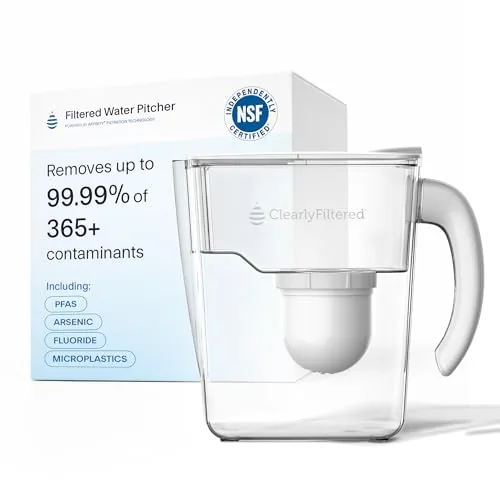
8 Best Water Filters For Microplastics (2026 Review Guide)
Jul 31, 2026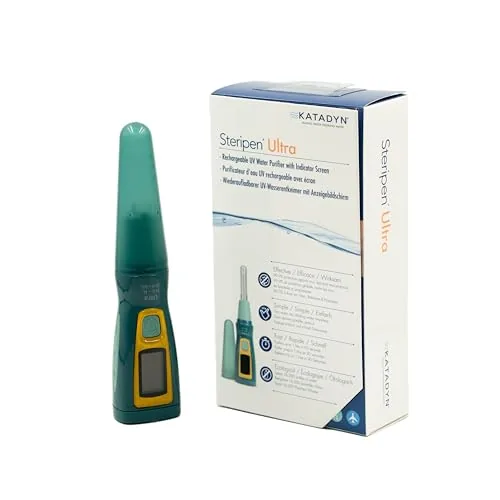
7 Best Uv Water Purifiers For Travel (2026 Review Guide)
Jul 19, 2026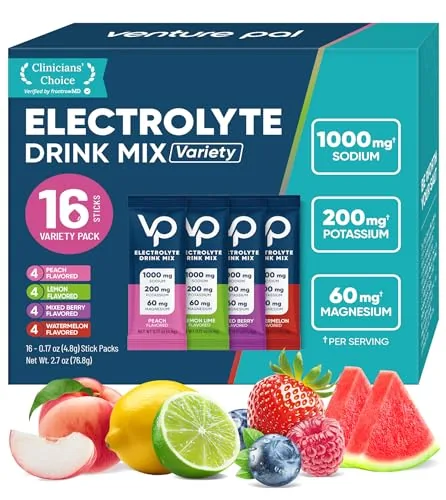
7 Best Electrolyte Drinks And Powders (2026 Review Guide)
Aug 9, 2026
8 Best Water Filters For Chlorine (2026 Review Guide)
Jul 29, 2026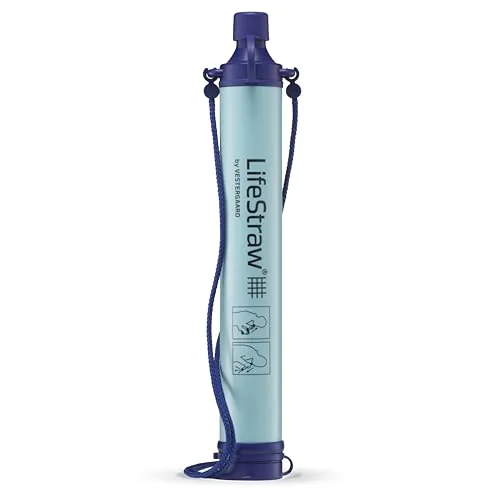
6 Best Portable Water Filters (2026 Review Guide)
Jul 1, 2026