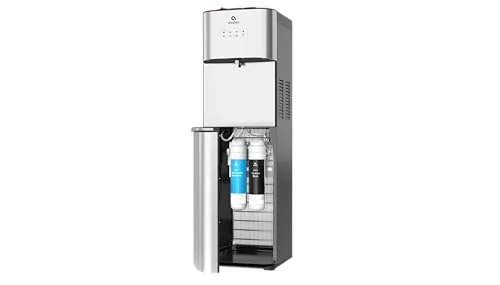
As low as $12
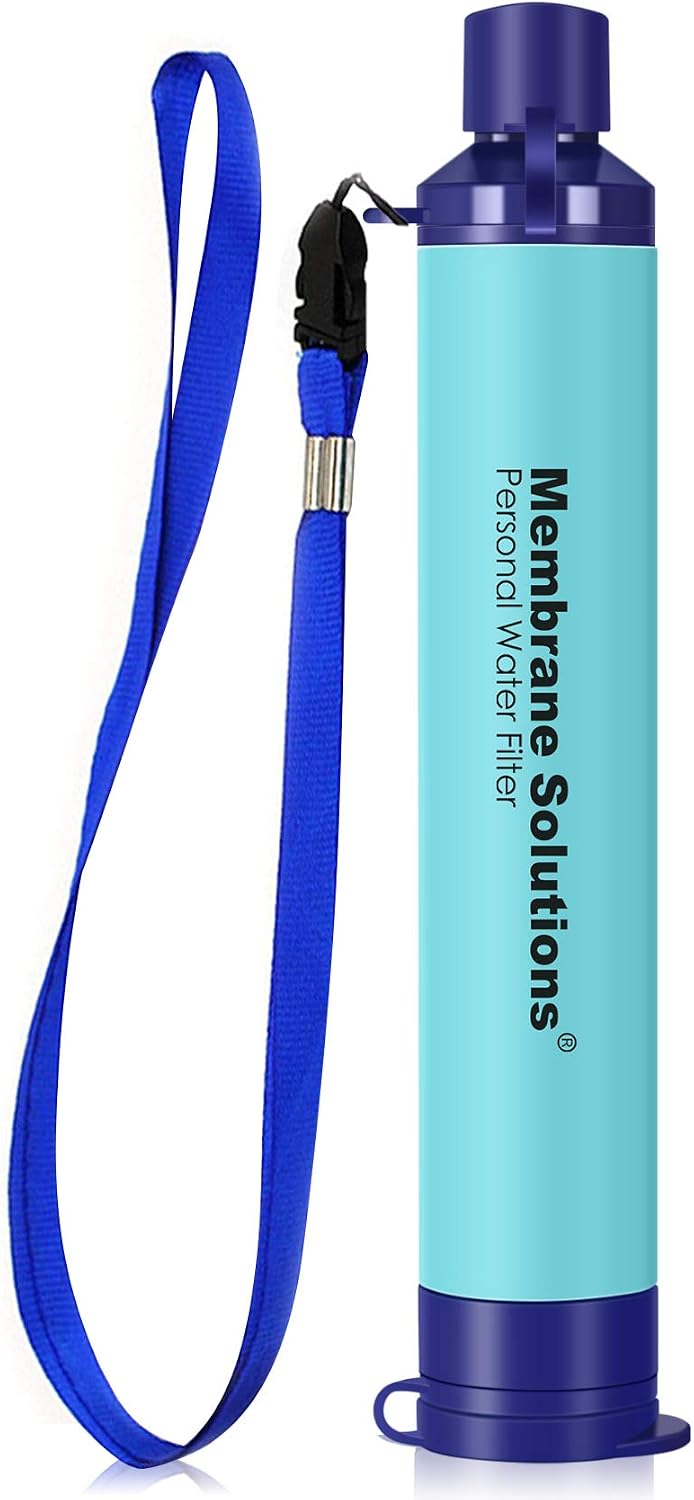
Built for travel, hiking & emergencies - drink safely whether the water is unsafe or just tastes off.
- NSF/ANSI 42, 372 & 401 certified, 0.1 micron filtration
- Filters up to 1,320 gallons - no batteries or pumping
- Ultralight - fits in any bag or pocket
- BPA-free, compatible with standard 28mm bottle threads
Tap water in Mozambique is generally not safe for travelers to drink. Urban water treatment infrastructure remains limited and inconsistent, while rural areas often lack access to improved water sources entirely. Visitors should rely on bottled or properly treated water throughout their stay.
Quick Reference
| Concern | Our Advice | |
|---|---|---|
| Drink tap water? | ❌ | Use bottled or filtered water |
| Brush teeth? | ❌ | Use bottled or filtered water |
| Wash fruits / veg? | ❌ | Wash with filtered or bottled water |
| Use ice in drinks? | ❌ | Avoid unless confirmed purified |
| Shower safely? | ✅ | Yes |
| Filter bottle needed? | ❌ | Strongly recommend a Membrane Solutions Filter Straw for all travelers |
| Common risks | Bacterial contamination, Cholera, Typhoid, Parasitic infections, E. coli, Waterborne diarrheal diseases, Sediment and turbidity |

Key Statistics


Affiliate links — we earn a small commission at no extra cost to you.
Water Infrastructure & Supply
Mozambique's water infrastructure has been shaped by decades of civil conflict (1977, 1992), which destroyed much of the country's existing systems. Since the end of the war, international aid and government initiatives have gradually rebuilt urban water networks, but progress has been slow. The national water utility, FIPAG (Fundo de Investimento e Patrimnio do Abastecimento de gua), manages piped water systems in major urban centers, though coverage and reliability vary considerably.
In cities like Maputo and Beira, piped water systems exist but suffer from aging pipes, intermittent supply, low pressure, and inadequate chlorination. Water treatment plants in Maputo source water primarily from the Umbeluzi River, but treatment capacity often falls short of demand, especially during the dry season. In rural areas, communities rely heavily on boreholes, hand-dug wells, and surface water sources that are frequently contaminated by agricultural runoff and poor sanitation.
Several major investment projects are underway to improve water access. The World Bank-funded Mozambique Water Supply and Sanitation Program and the African Development Bank's urban water projects aim to expand piped networks and improve treatment. Cyclones Idai (2019) and Freddy (2023) severely damaged water infrastructure in central Mozambique, particularly around Beira and Sofala province, and reconstruction efforts are ongoing with significant international support.
Contamination & Health Risks
Mozambique faces significant waterborne disease risks. Cholera outbreaks are recurrent, with a major outbreak in 2022, 2023 affecting tens of thousands of people, particularly in Sofala, Zambezia, and Nampula provinces. Typhoid fever, hepatitis A, and parasitic infections including giardiasis and cryptosporidiosis are common due to widespread fecal contamination of water sources. The low rate of safely managed sanitation (around 33%) means that groundwater and surface water are frequently contaminated.
Flood-prone coastal and river basin areas face the highest contamination risks, especially during the rainy season (November, March) when flooding overwhelms drainage and sanitation systems. Industrial pollution is a concern around Maputo and the Beira corridor, where mining operations and urban runoff contribute heavy metals and chemical pollutants. Agricultural areas in the Zambezi and Limpopo valleys also experience pesticide and fertilizer contamination.
For travelers, the primary risk is acute diarrheal illness from consuming untreated tap water, uncooked foods washed in tap water, or ice made from tap water. The CDC classifies Mozambique as a destination where travelers should avoid tap water entirely. Even in upscale hotels in Maputo, the plumbing infrastructure may introduce contaminants, so bottled or purified water is strongly recommended for all consumption including brushing teeth.
Regional Water Quality Breakdown
Maputo
cautionMaputo has the best water infrastructure in the country, with a FIPAG-managed piped network and treatment plant. However, intermittent supply, aging pipes, and inadequate chlorination mean tap water is still not considered safe for travelers to drink directly.
Beira & Sofala Province
avoidBeira was devastated by Cyclone Idai in 2019 and Cyclone Freddy in 2023, with severe damage to water infrastructure that is still being rebuilt. Cholera outbreaks have been frequent, and tap water should be strictly avoided. Use only sealed bottled water or thoroughly treated water.
Inhambane & Tofo Beach
cautionInhambane has limited piped water coverage, and tourist areas like Tofo rely on boreholes and private water systems. Most tourist lodges provide filtered or bottled water, but travelers should confirm the water source and always avoid tap water for drinking.
Vilankulo & Bazaruto Archipelago
cautionVilankulo has basic municipal water supply but quality is unreliable. Upscale island lodges on the Bazaruto Archipelago typically provide purified water for guests. Independent travelers on the mainland should strictly use bottled water.
Nampula & Northern Mozambique
avoidNorthern provinces including Nampula, Cabo Delgado, and Zambezia have very limited improved water access, particularly in rural areas. Ongoing conflict in Cabo Delgado has further disrupted water services. Cholera and other waterborne diseases are a serious risk.
Gorongosa & Rural Central Mozambique
avoidRural areas around Gorongosa National Park and the central highlands rely primarily on untreated borehole or surface water. Travelers visiting safari lodges will usually have purified water provided, but independent travelers must bring their own water treatment solutions.
Practical Tips for Travelers
- Always drink sealed bottled water or water treated with a reliable filter or UV purifier , never drink tap water directly in Mozambique.
- In Portuguese (the official language), ask for bottled water by saying 'gua engarrafada, por favor' at restaurants and hotels.
- Avoid ice in drinks unless you can confirm it was made with purified water , most local ice is made from unfiltered tap water.
- Use bottled or filtered water for brushing your teeth, especially outside Maputo. Keep a small bottle by the bathroom sink.
- Peel all fruits and vegetables yourself, or wash them thoroughly with purified water before eating , avoid pre-cut salads from street vendors.
- Carry a portable water filter bottle (such as LifeStraw or Grayl) when traveling outside major cities, as bottled water may not always be available in rural areas. Strongly recommend the Membrane Solutions Filter Straw.
- During the rainy season (November, March), be extra cautious as flooding significantly increases water contamination and cholera risk.
- Ensure you are vaccinated for hepatitis A and typhoid before traveling to Mozambique , both are commonly transmitted through contaminated water and food.
Bottled Water Availability & Cost
Bottled water is widely available across Mozambique, especially in urban areas, gas stations, and tourist destinations. Common brands include Vumba, Namaacha, and imported brands like Bonaqua. A 500ml bottle typically costs 30, 60 MZN (approximately $0.45, $0.90 USD), while a 1.5-liter bottle ranges from 60, 120 MZN ($0.90, $1.80 USD). In tourist-oriented restaurants and hotels, prices may be higher, sometimes reaching 150, 250 MZN for a 1.5-liter bottle.
Buying water in bulk from supermarkets like Shoprite, Game, or local markets is significantly more economical, a 5-liter jug can cost around 150, 200 MZN ($2.25, $3.00 USD). Travelers on extended stays should consider investing in a quality portable water filter or UV purifier to reduce plastic waste and cost. Mozambique has very limited plastic recycling infrastructure, so minimizing single-use plastic consumption is both environmentally responsible and increasingly encouraged by local conservation groups working along the Indian Ocean coastline.
Frequently Asked Questions
Can I brush my teeth with tap water in Mozambique?
It is not recommended. Even small amounts of contaminated water can cause gastrointestinal illness. Use bottled or purified water for brushing teeth throughout the country, including in hotels in Maputo.
Is it safe to shower in tap water in Mozambique?
Showering is generally safe as long as you avoid swallowing any water and keep your mouth closed. If you have open wounds or cuts, consider covering them or using treated water to rinse afterward.
Is ice safe in drinks at restaurants in Mozambique?
In most cases, ice should be avoided unless you are at an upscale international hotel or restaurant that confirms their ice is made from purified water. Street vendors and local bars typically use untreated tap water for ice.
Do restaurants in Mozambique serve safe drinking water?
Most restaurants will serve bottled water if requested. Always check that the seal is intact before drinking. Tap water served in a glass or jug should be declined , ask specifically for 'gua engarrafada' (bottled water).
How much does bottled water cost in Mozambique?
A 500ml bottle costs roughly 30, 60 MZN ($0.45, $0.90 USD) in shops, while a 1.5-liter bottle runs 60, 120 MZN ($0.90, $1.80 USD). Prices are higher in tourist areas and restaurants. Buying in bulk from supermarkets is the most economical option.
Is the water safe in tourist beach areas like Tofo and Vilankulo?
No, tap water in beach destinations like Tofo and Vilankulo is not safe to drink. Most tourist lodges provide bottled or filtered water, but you should always confirm this upon check-in and carry your own supply when exploring.
Is cholera a risk for travelers in Mozambique?
Yes, cholera remains a significant risk, especially during the rainy season and in flood-prone areas. Mozambique experienced a major outbreak in 2022, 2023. Travelers should strictly avoid untreated water and consider getting a cholera vaccine before their trip, especially if visiting rural or flood-affected areas.
Should I bring a water filter bottle to Mozambique?
Absolutely. A portable water filter or UV purifier is strongly recommended, especially for travel outside major cities. Products like the Grayl GeoPress or LifeStraw can effectively remove bacteria, parasites, and viruses, providing safe drinking water when bottled water is unavailable.
Traveling Nearby?
Check tap water safety in neighboring countries:
Malawi South Africa Tanzania Zambia ZimbabweInteresting Product Reviews
7 Best Glass Water Bottles (2026 Review Guide)
Aug 6, 2026
6 Best Refrigerator Water Dispensers (2026 Review Guide)
Aug 13, 2026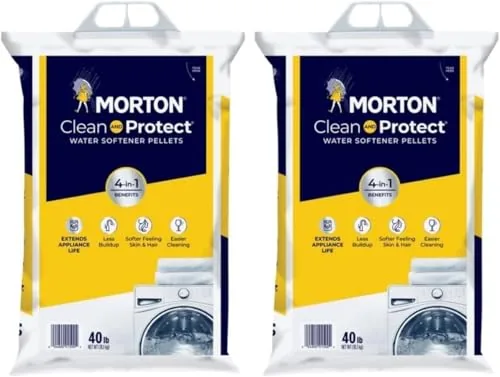
6 Best Water Softener Salts (2026 Review Guide)
Aug 13, 2026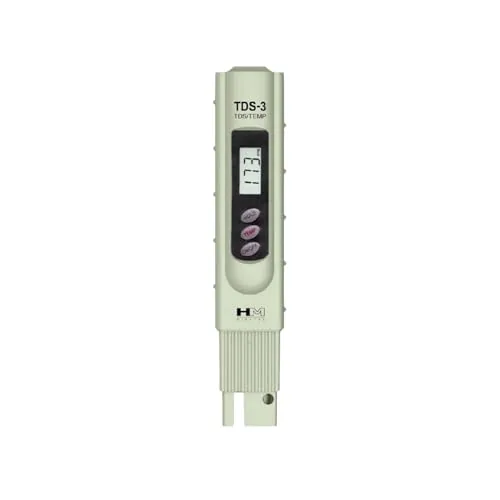
6 Best Tds Meters (2026 Review Guide)
Aug 3, 2026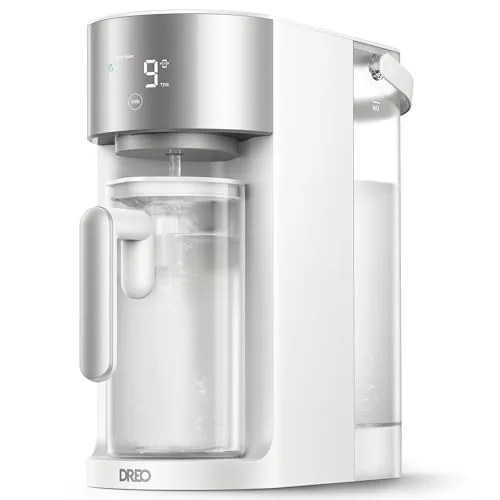
7 Best Water Filters For Nitrates (2026 Review Guide)
Jul 30, 2026