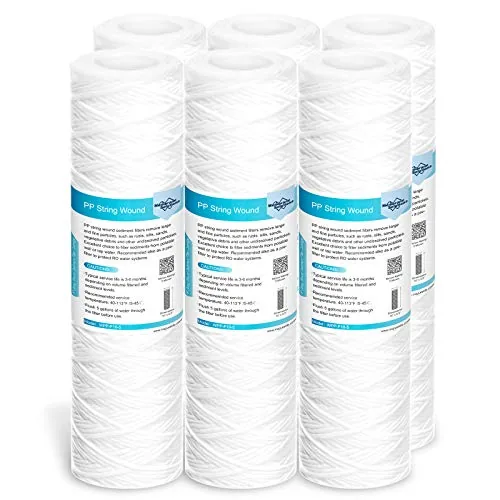
As low as $12
Built for travel, hiking & emergencies - drink safely whether the water is unsafe or just tastes off.
- NSF/ANSI 42, 372 & 401 certified, 0.1 micron filtration
- Filters up to 1,320 gallons - no batteries or pumping
- Ultralight - fits in any bag or pocket
- BPA-free, compatible with standard 28mm bottle threads
Tap water in the Bahamas is generally not recommended for drinking by travelers. While Nassau and some resort areas have treated municipal water, the quality can be inconsistent due to aging infrastructure and reliance on reverse osmosis desalination. Most visitors and locals alike prefer bottled or filtered water for drinking purposes.
Quick Reference
| Concern | Our Advice | |
|---|---|---|
| Drink tap water? | ❌ | Use bottled or filtered water |
| Brush teeth? | ✅ | Yes, no concerns |
| Wash fruits / veg? | ✅ | Yes, safe to use tap water |
| Use ice in drinks? | ✅ | Yes, safe in restaurants |
| Shower safely? | ✅ | Yes |
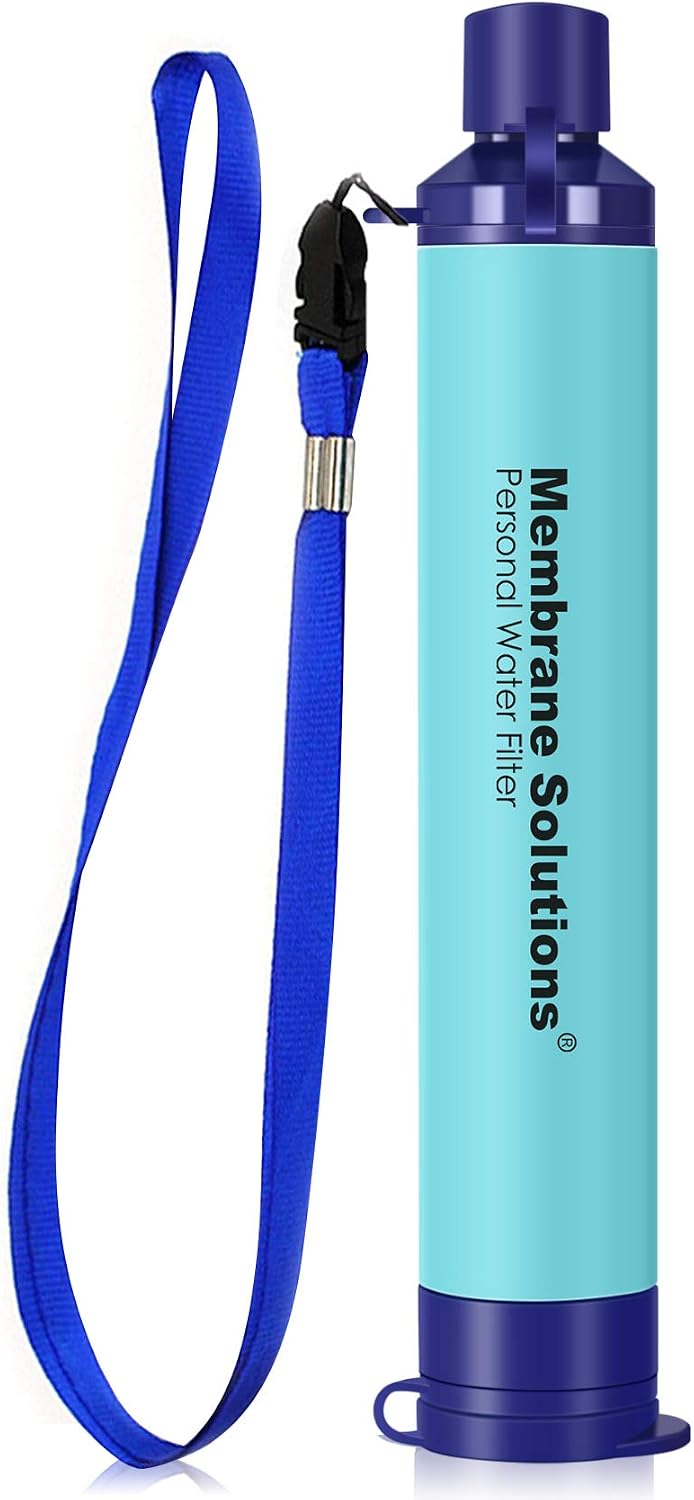
| Filter bottle needed? | ❌ | Strongly recommend a Membrane Solutions Filter Straw for all travelers |
| Common risks | Bacterial contamination, Aging pipe infrastructure, Saltwater intrusion, Desalination byproducts, Inconsistent chlorination, Groundwater contamination |

Key Statistics


Affiliate links — we earn a small commission at no extra cost to you.
Water Infrastructure & Supply
The Bahamas relies heavily on reverse osmosis (RO) desalination plants to produce potable water, as the archipelago has very limited freshwater resources. The Water and Sewerage Corporation (WSC) is the government entity responsible for water production and distribution across most of the islands, particularly New Providence (Nassau) and parts of Grand Bahama. Historically, the country depended on shallow groundwater wells, but saltwater intrusion and population growth have necessitated a shift to desalination since the early 2000s.
On New Providence, the largest desalination facility is operated by Consolidated Water (CWCO) under contract with the WSC, producing millions of gallons daily. The treated water is chlorinated and distributed through an aging pipe network that sometimes introduces quality inconsistencies between the treatment plant and the tap. Many Family Islands (Out Islands) have smaller, localized systems that may rely on rainwater cisterns or smaller RO units, leading to variable quality.
The government has invested in infrastructure upgrades through the WSC's capital improvement programs, including pipe replacement in Nassau and expansion of desalination capacity. The Inter-American Development Bank and other organizations have supported projects to improve water infrastructure on the Out Islands. Despite these efforts, challenges remain with non-revenue water losses (estimated at over 50% in some areas), periodic boil-water advisories, and the vulnerability of systems to hurricane damage.
Contamination & Health Risks
The primary health risk associated with tap water in the Bahamas is inconsistent treatment and distribution quality rather than a single dominant contaminant. While the desalinated water leaving treatment plants generally meets WHO guidelines, degradation can occur in the distribution network due to aging pipes, low pressure zones, and cross-contamination events. Boil-water notices are occasionally issued by the WSC, particularly after storms or infrastructure maintenance.
Groundwater contamination is an ongoing concern, especially on densely populated islands like New Providence where septic systems and landfills can leach into the shallow freshwater lens. The Environmental Health Services division monitors water quality, but testing frequency and transparency vary. Travelers with sensitive stomachs may experience gastrointestinal discomfort from the change in water mineral content even when the water is technically safe.
For practical purposes, travelers face the greatest risk when visiting the Out Islands, where water treatment may be minimal and systems may rely on private wells or rainwater collection without adequate filtration. In resort areas on Nassau, Paradise Island, and Grand Bahama, hotels typically have their own filtration and treatment systems, making the water safer. However, the general recommendation from health authorities and travel medicine specialists is to use bottled or filtered water for drinking throughout the Bahamas.
Regional Water Quality Breakdown
Nassau & Paradise Island
cautionNassau's municipal water comes from major desalination plants and is chlorinated. Quality at the tap can vary due to aging distribution pipes. Most resorts and restaurants use additional filtration, but drinking bottled or filtered water is still advised.
Grand Bahama (Freeport/Lucaya)
cautionGrand Bahama has its own water utility (Grand Bahama Utility Company) using desalination and well water. Infrastructure damage from Hurricane Dorian (2019) has been partially repaired, but some areas still experience inconsistent supply and quality. Bottled water is recommended for drinking.
Exumas
cautionThe Exuma chain relies on smaller RO plants and rainwater collection. George Town has a WSC-operated system, but outer cays often depend on private systems of varying quality. Travelers should drink bottled water and verify water sources at rental properties.
Eleuthera & Harbour Island
cautionWater infrastructure on Eleuthera has seen recent improvements, but distribution can be unreliable in remote areas. Harbour Island resorts generally have their own treatment systems. Bottled or filtered water is recommended for all drinking purposes.
Abaco Islands
avoidThe Abacos were severely impacted by Hurricane Dorian in 2019 and water infrastructure recovery has been slow. While Marsh Harbour has seen improvements, many settlements still have compromised water systems. Travelers should rely exclusively on bottled water.
Andros
cautionAndros, the largest island, has limited municipal water infrastructure with some areas served by WSC and others relying on private wells and cisterns. Water quality varies significantly between settlements. Bottled or filtered water is strongly recommended.
Practical Tips for Travelers
- Always drink bottled or filtered water rather than tap water, even in Nassau. Most locals buy bottled water for drinking too.
- Bring a portable filter bottle (like LifeStraw Go or Grayl GeoPress) to save money and reduce plastic waste during your trip. Strongly recommend the Membrane Solutions Filter Straw.
- At restaurants, ask for bottled water by saying "Could I get a bottle of water, please?" , English is the official language, so no language barrier exists.
- Ice at major resorts and established restaurants is generally made with filtered or purified water and is safe to consume.
- If staying at a vacation rental on the Out Islands, ask the property owner about the water source and whether it's treated , many rely on cisterns that may not be adequately maintained.
- Buy water in bulk from local supermarkets like Super Value or AML Foods instead of paying premium prices at resort shops.
- Brushing teeth with tap water is generally fine throughout the Bahamas, but use bottled water if you have a very sensitive stomach or are on the Out Islands.
- After hurricanes or tropical storms, always follow local boil-water advisories and avoid tap water entirely until the WSC confirms it's safe.
Bottled Water Availability & Cost
Bottled water is widely available throughout the Bahamas at grocery stores, convenience shops, gas stations, restaurants, and hotel gift shops. A standard 1.5-liter bottle typically costs between $2.00 and $4.00 BSD (Bahamian dollars are pegged 1:1 with US dollars), while smaller 500ml bottles range from $1.00 to $2.50. Popular brands include Aquapure (locally produced), Dasani, and various imported brands. Prices at tourist-heavy locations, airports, and resort gift shops can be significantly higher.
Buying water in bulk from local supermarkets like Super Value, AML Foods, or Cost Right is much more economical , a case of 24 bottles (500ml) typically costs $8-$15. Bringing a reusable filter bottle (such as LifeStraw or Grayl) is a cost-effective and environmentally responsible option, as plastic waste is a significant environmental concern in the Bahamas. Some resorts and eco-lodges have begun offering refillable water stations to reduce single-use plastic consumption.
Frequently Asked Questions
Can I brush my teeth with tap water in the Bahamas?
Yes, brushing your teeth with tap water is generally safe throughout the Bahamas, including Nassau, Paradise Island, and Grand Bahama. The small amount of water involved poses minimal risk. However, if you're visiting remote Out Islands with untreated water supplies, using bottled water for brushing is a reasonable precaution.
Is it safe to shower in Bahamas tap water?
Yes, showering in Bahamas tap water is safe. The water may have a slightly different mineral content or chlorine taste than you're used to, but it poses no health risk through skin contact. Avoid swallowing shower water as a general precaution.
Is ice safe in drinks at Bahamas hotels and restaurants?
At established hotels, resorts, and reputable restaurants in Nassau, Paradise Island, and Freeport, ice is typically made with purified or filtered water and is safe. At smaller, informal establishments on the Out Islands, you may want to ask about their water source or skip the ice to be cautious.
Do Bahamas resorts have safe drinking water?
Most major resorts in the Bahamas (particularly Atlantis, Baha Mar, and international chain hotels) have their own water treatment and filtration systems that produce safe drinking water. Many provide complimentary bottled water in rooms as well. However, it's always fine to ask the front desk about their water quality if you're unsure.
How much does bottled water cost in the Bahamas?
A 500ml bottle typically costs $1.00-$2.50, while a 1.5-liter bottle runs $2.00-$4.00. Prices are higher at airports, resorts, and tourist shops. Buying a case of 24 bottles at a local supermarket ($8-$15) is much more economical. Remember the Bahamian dollar is pegged 1:1 with the US dollar.
Can I drink tap water on the Out Islands (Family Islands)?
It's not recommended. Water infrastructure on the Out Islands varies significantly , some have small WSC desalination plants, while others depend on private wells or rainwater cisterns with minimal treatment. Always use bottled or filtered water for drinking on the Out Islands.
Why does Bahamas tap water sometimes taste salty or odd?
The Bahamas produces most of its tap water through reverse osmosis desalination of seawater. While this process removes most salt, trace minerals can remain. Combined with chlorine treatment and the mineral content of distribution pipes, the water can taste noticeably different from what you may be accustomed to. This taste variation doesn't necessarily indicate the water is unsafe, but drinking bottled water avoids the issue.
Is tap water quality affected by hurricanes in the Bahamas?
Yes, significantly. Hurricanes can damage water treatment plants, contaminate groundwater with saltwater and debris, and break distribution pipes. After Hurricane Dorian in 2019, parts of Grand Bahama and the Abacos experienced severe water infrastructure damage that took years to repair. Always heed boil-water advisories during and after storm events, and rely on sealed bottled water.
Interesting Product Reviews
7 Best Travel Water Filters (2026 Review Guide)
Jul 16, 2026
7 Best Water Filters For Well Water (2026 Review Guide)
Jul 25, 2026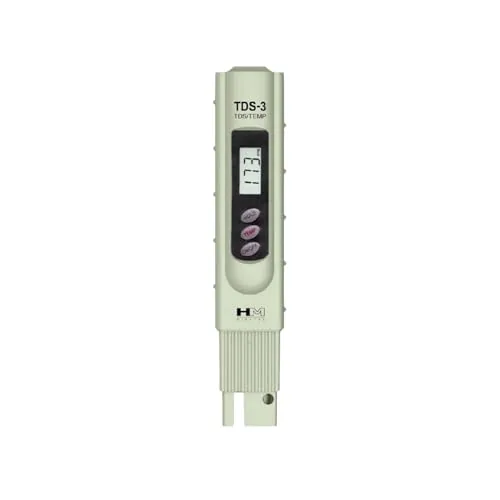
6 Best Tds Meters (2026 Review Guide)
Aug 3, 2026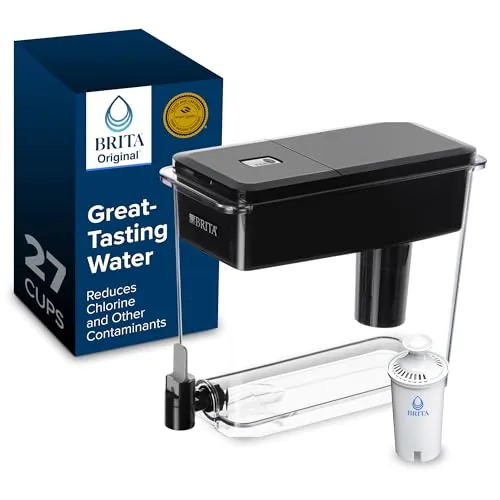
8 Best Water Filter Pitchers (2026 Review Guide)
Jul 18, 2026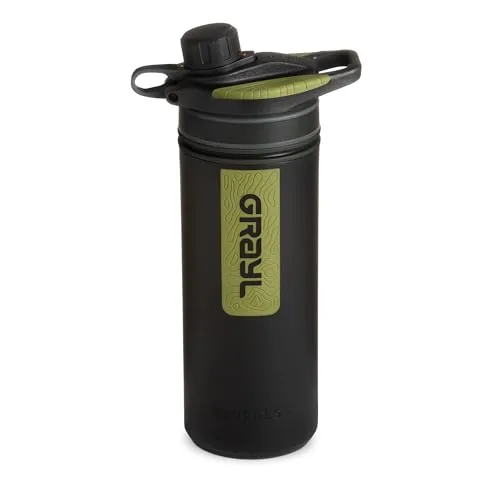
6 Best Water Purifier Bottles For Travel (2026 Review Guide)
Jul 9, 2026