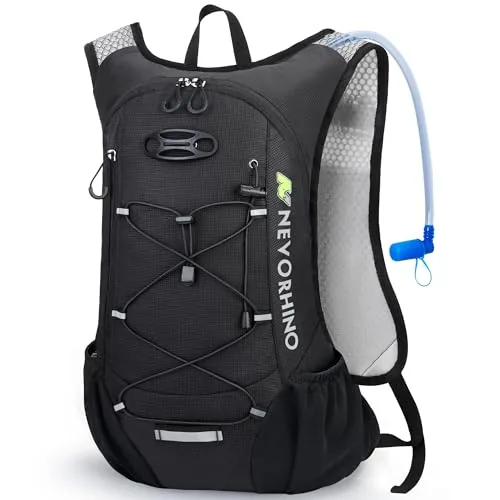
Around $20
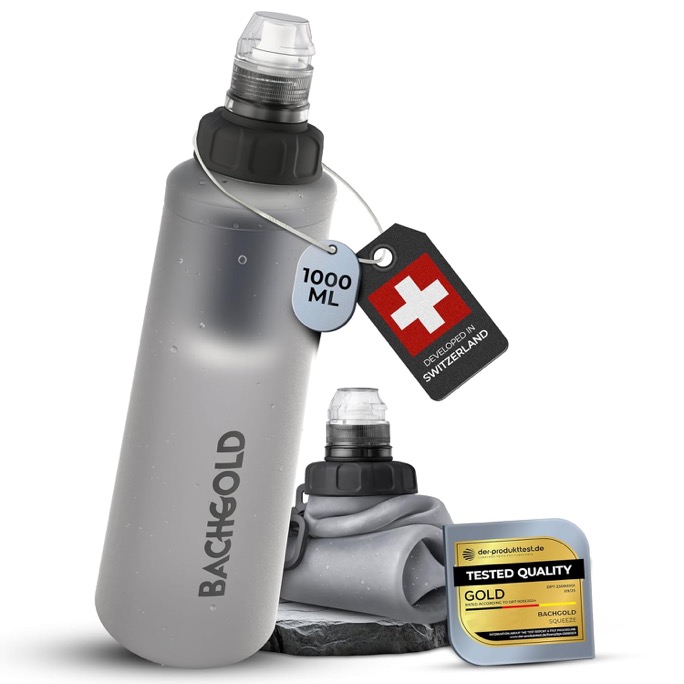
Built for travel, hiking & emergencies - drink safely whether the water is unsafe or just tastes off.
- 2-stage filtration: nanofiber layer + 0.2 micron hollow fiber membrane
- Rinse to restore flow - no replacement cartridges needed
- Collapsible 1L bottle - folds flat to pocket size
- Leak-resistant, taste-neutral, designed in Switzerland
Tap water quality in Albania varies heavily by region, the bigger the population, the worse it gets! While Albania has endless freshwater resources, the fact is that the water transfer infrastructure is in a pretty bad shape in most of the country. The infrastructure is mostly old, and even tho there have been many attempts at improving it, corruption has done its thing! Adding to that, cross-contamination and agricultural use have taken its toll, resulting in the risk of bacteria, parasites, or chemical pollution. While the main water source is amazing, reaching the end homes is the issue. In some cases, water authorities overuse chlorine to help mitigate risks, meaning the water gets very heavy and undrinkable.
Quick Reference
| Concern | Our Advice | |
|---|---|---|
| Drink tap water? | ❌ | Use bottled or filtered water |
| Brush teeth? | ✅ | Yes, no concerns |
| Wash fruits / veg? | ✅ | Yes, safe to use tap water |
| Use ice in drinks? | ❌ | Avoid unless confirmed purified |
| Shower safely? | ✅ | Yes |
| Filter bottle needed? | ❌ | Strongly recommend a Bachgold Squeeze Filter Bottle for all travelers |
| Common risks | Bacterial contamination, Aging pipe infrastructure, Intermittent water supply, Chlorination inconsistency, Agricultural runoff, Sewage infiltration |

Key Statistics


Affiliate links — we earn a small commission at no extra cost to you.
Water Infrastructure & Supply
Albania's water supply system was largely built during the communist era (1945, 1991) and has suffered from decades of underinvestment. Many urban networks rely on gravity-fed systems sourced from springs and rivers, while rural areas often depend on local wells and small spring-fed systems. After the transition to democracy, rapid urbanization and lack of maintenance led to severe deterioration of pipes, pumps, and treatment plants.
The country's water utilities are managed by regional public companies (Ujsjells Kanalizime or UK companies), overseen by the national Water Regulatory Authority (ERRU). Chlorination is the primary disinfection method, but its application is inconsistent across regions. Water losses through leaks and illegal connections remain extremely high , estimated at around 66% of total water produced , meaning that contaminants can enter the system through cracked and aging pipes.
Significant investment has been directed toward improving Albania's water infrastructure through EU pre-accession funding, World Bank projects, and the KfW development bank. Major projects include the rehabilitation of the Tirana and Durrs water systems, new wastewater treatment plants in coastal cities, and the ongoing expansion of sewerage networks. The government's National Water Supply and Sewerage Strategy aims to achieve EU-compliant water services by 2030, but progress has been slow in rural and southern regions.
Contamination & Health Risks
The main health risks from Albanian tap water stem from microbial contamination due to aging pipes, low-pressure zones that allow sewage infiltration, and inconsistent disinfection. Studies by Albania's Institute of Public Health have detected elevated levels of coliform bacteria in water samples from multiple districts, particularly during summer months when demand spikes and supply becomes intermittent. Agricultural runoff containing nitrates and pesticides is also a concern in lowland areas.
Coastal cities like Saranda, Vlor, and parts of Durrs face particular challenges during the tourist season (June, September), when population surges overwhelm local water systems. Water rationing is common in some areas, and when supply resumes after interruptions, pressure changes can flush sediment and contaminants into the distribution network. Industrial pollution from legacy mining and metallurgical sites in cities like Elbasan and Kor has also raised concerns about heavy metals in local water sources.
For travelers, the most practical risks are gastrointestinal illness from bacterial contamination, especially when drinking untreated tap water outside major cities or consuming ice made from tap water in smaller restaurants. Showering and brushing teeth with tap water is generally safe throughout the country. Travelers with compromised immune systems should exercise extra caution and stick to sealed bottled water or use a reliable filtration bottle.
Regional Water Quality Breakdown
Tirana
cautionTirana has the most modern water infrastructure in Albania, supplied primarily by the Bovilla Reservoir. Water quality at the source is good, but aging distribution pipes and intermittent supply in some neighborhoods mean travelers should still exercise caution. Using a filter bottle is recommended.
Durrs
cautionDurrs has seen significant infrastructure investment as Albania's main port city and a popular beach destination. However, summer demand can strain the system and water rationing occurs. Tap water is chlorinated but may have an unpleasant taste, and visitors should prefer bottled or filtered water.
Saranda & the Albanian Riviera
avoidThe Albanian Riviera is a rapidly growing tourist destination where water infrastructure has not kept pace with demand. During peak summer months, water supply can be intermittent and quality unreliable. Travelers should rely on bottled water, especially in smaller villages like Himar, Dhrmi, and Ksamil.
Vlor
cautionVlor's water system has been partially upgraded but still faces challenges with supply consistency and pipe quality. The city draws water from springs and wells, and contamination risk increases during the dry summer months. Bottled or filtered water is strongly recommended.
Berat & Gjirokastr
cautionThese UNESCO World Heritage cities have older water networks that are gradually being improved. Spring-fed water sources are generally clean, but the distribution infrastructure is dated. Water is usually safe for bathing and brushing teeth but should be filtered or boiled before drinking.
Shkodr & Northern Albania
avoidNorthern Albania, including Shkodr and the Albanian Alps (Theth, Valbona), has some of the weakest water infrastructure in the country. Rural areas often rely on unmonitored local springs or wells. While mountain spring water can be pristine, there is no guarantee of safety, and travelers should carry their own filtered water supply.
Practical Tips for Travelers
- Carry a filter bottle (LifeStraw, Grayl, or similar) , it will save you money and reduce plastic waste while ensuring safe hydration throughout your trip. Strongly recommend the Bachgold Squeeze Filter Bottle.
- To order bottled water in Albanian, say 'Nj shishe uj, ju lutem' (One bottle of water, please). Specify 'uj pa gaz' for still water or 'uj me gaz' for sparkling.
- Avoid drinking tap water ice in smaller restaurants and beach bars, especially along the Albanian Riviera during summer , ask for drinks without ice ('pa akull') if in doubt.
- When hiking in the Albanian Alps (Theth, Valbona), fill your bottles from high-altitude mountain springs above any settlements, but still consider using a filter as a precaution against animal contamination.
- Buy water in bulk from Albanian supermarkets like Conad or Big Market , a 6-pack of 1.5L bottles is far cheaper than buying individually from tourist shops.
- If your accommodation has a water tank on the roof (common in rural areas and along the coast), never drink from it directly , tanks are often poorly maintained and heated by the sun, promoting bacterial growth.
- Check whether your hotel or guesthouse has its own water filtration system , many upscale properties in Tirana, Saranda, and Berat now filter and treat their water to international standards.
- During summer months (June, September), water supply interruptions are common in coastal areas , keep a reserve of bottled water in your accommodation so you're never caught without safe drinking water.
Bottled Water Availability & Cost
Bottled water is widely available throughout Albania at very affordable prices. A 0.5-liter bottle typically costs 50, 80 ALL (0.45, 0.70) at convenience stores and kiosks, while a 1.5-liter bottle costs 80, 150 ALL (0.70, 1.30). Popular local brands include Tepelena, Glina, Lajthiza, and Spring, all sourced from Albanian mountain springs. In tourist areas and restaurants, expect to pay slightly more , around 150, 250 ALL (1.30, 2.20) for a 0.5-liter bottle.
For longer stays or road trips, buying in bulk from supermarkets like Conad, Big Market, or Spar is the most economical option , a 6-pack of 1.5-liter bottles can cost as little as 350, 500 ALL (3.00, 4.30). However, Albania is increasingly dealing with plastic waste issues, particularly along its beautiful coastline. Travelers can significantly reduce their environmental impact by using a filter bottle (such as LifeStraw or Grayl) and refilling from taps or public fountains, which also saves money over the course of a trip.
Frequently Asked Questions
Can I brush my teeth with tap water in Albania?
Yes, brushing your teeth with tap water is generally safe throughout Albania, including in smaller cities. The brief exposure and small amount of water involved poses minimal risk. However, if you have a very sensitive stomach or compromised immune system, you may want to use bottled water as an extra precaution.
Is it safe to shower in Albanian tap water?
Yes, showering with tap water in Albania is perfectly safe. Skin contact with the water does not pose a health risk. Just be careful not to swallow water while showering, particularly in areas with less reliable water treatment.
Is ice safe in Albanian restaurants and bars?
In upscale restaurants and international hotels in Tirana and other major cities, ice is usually made from filtered or bottled water and is safe. However, in smaller establishments, beach bars, and rural areas, ice may be made from tap water. When in doubt, order drinks without ice.
Can I drink tap water in Albanian restaurants?
Most Albanian restaurants serve bottled water rather than tap water. If a restaurant offers you water from a jug or carafe, it may be tap water , politely ask if it's filtered or bottled. In Tirana's better restaurants, filtered tap water is increasingly common, but it's best to confirm.
How much does bottled water cost in Albania?
Albania has some of the cheapest bottled water in Europe. A 0.5L bottle costs around 50, 80 ALL (0.45, 0.70) in shops, and a 1.5L bottle costs 80, 150 ALL (0.70, 1.30). Prices are slightly higher in tourist areas and restaurants, where a small bottle may cost 150, 250 ALL (1.30, 2.20).
Is the water safe to drink in the Albanian Alps (Theth and Valbona)?
The mountain spring water in the Albanian Alps is often very clean, and many locals drink directly from springs. However, there is no regular monitoring, and contamination from livestock grazing is possible. Travelers should use a filter bottle or purification tablets, especially when filling from lower-altitude sources near villages.
Why does the tap water in Albania sometimes look cloudy or have a strange taste?
Cloudiness can be caused by air bubbles (harmless), sediment from old pipes, or high mineral content. A chlorine taste or smell is common in cities where disinfection is applied. If the water looks discolored (yellow or brown), this usually indicates rust from aging iron pipes and it should not be consumed.
Is Albanian tap water improving?
Yes, Albania has made significant progress in water infrastructure, partly driven by its EU accession process. Major investments from the World Bank, KfW, and EU funds are upgrading treatment plants, replacing pipes, and building new wastewater facilities. However, full compliance with EU drinking water standards is still years away, particularly in rural areas and southern coastal regions.
Traveling Nearby?
Check tap water safety in neighboring countries:
Greece Kosovo Montenegro North MacedoniaInteresting Product Reviews
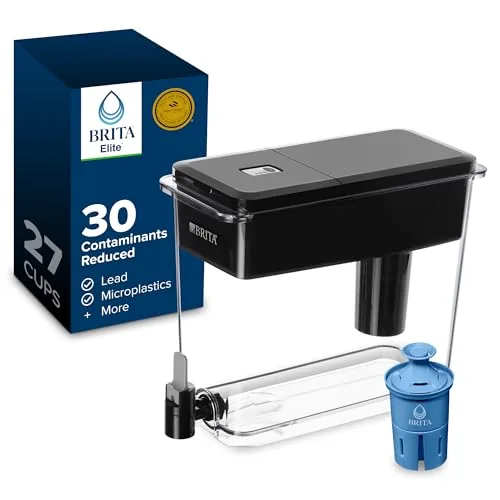
7 Best Water Filters For Lead Removal (2026 Review Guide)
Jul 29, 2026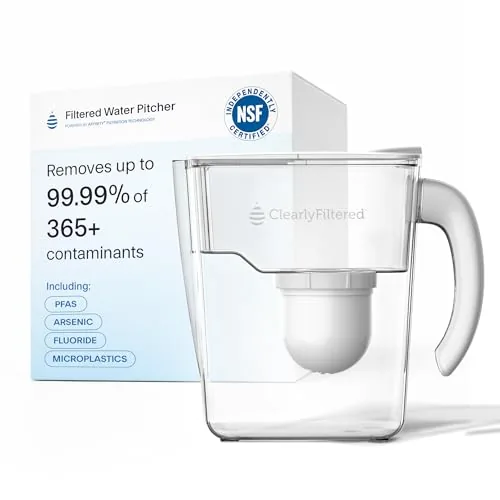
9 Best Water Filters For Arsenic (2026 Review Guide)
Jul 30, 2026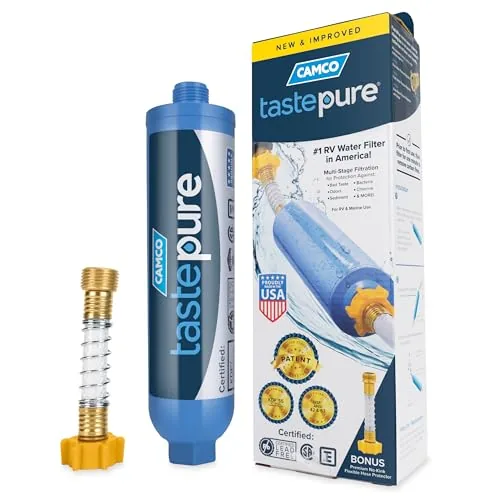
8 Best Water Filters For Rv Living (2026 Review Guide)
Jul 28, 2026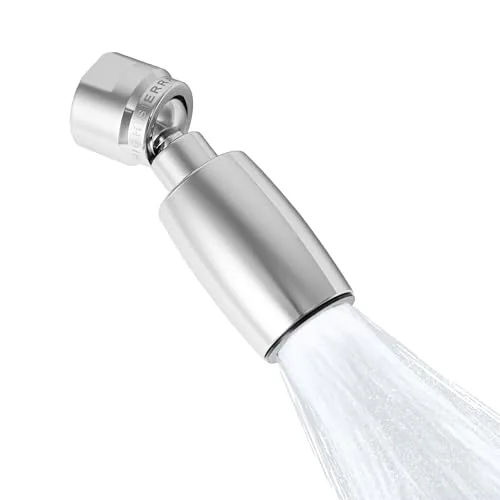
7 Best Low-Flow Shower Heads (2026 Review Guide)
Aug 19, 2026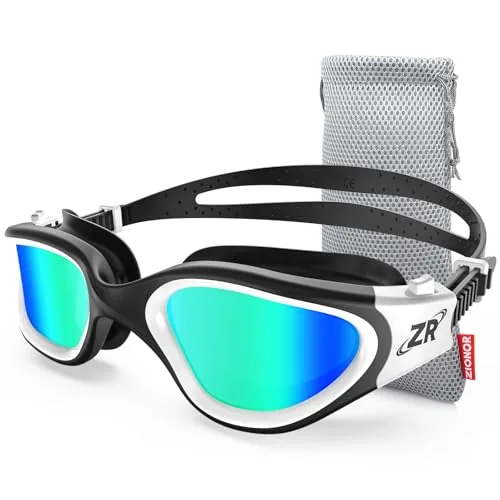
7 Best Swim Goggles (2026 Review Guide)
Aug 25, 2026