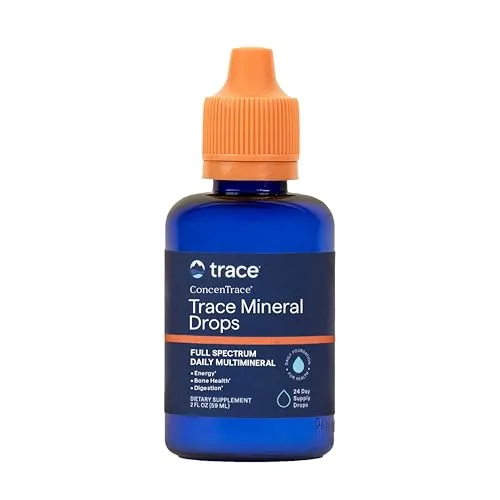
As low as $12
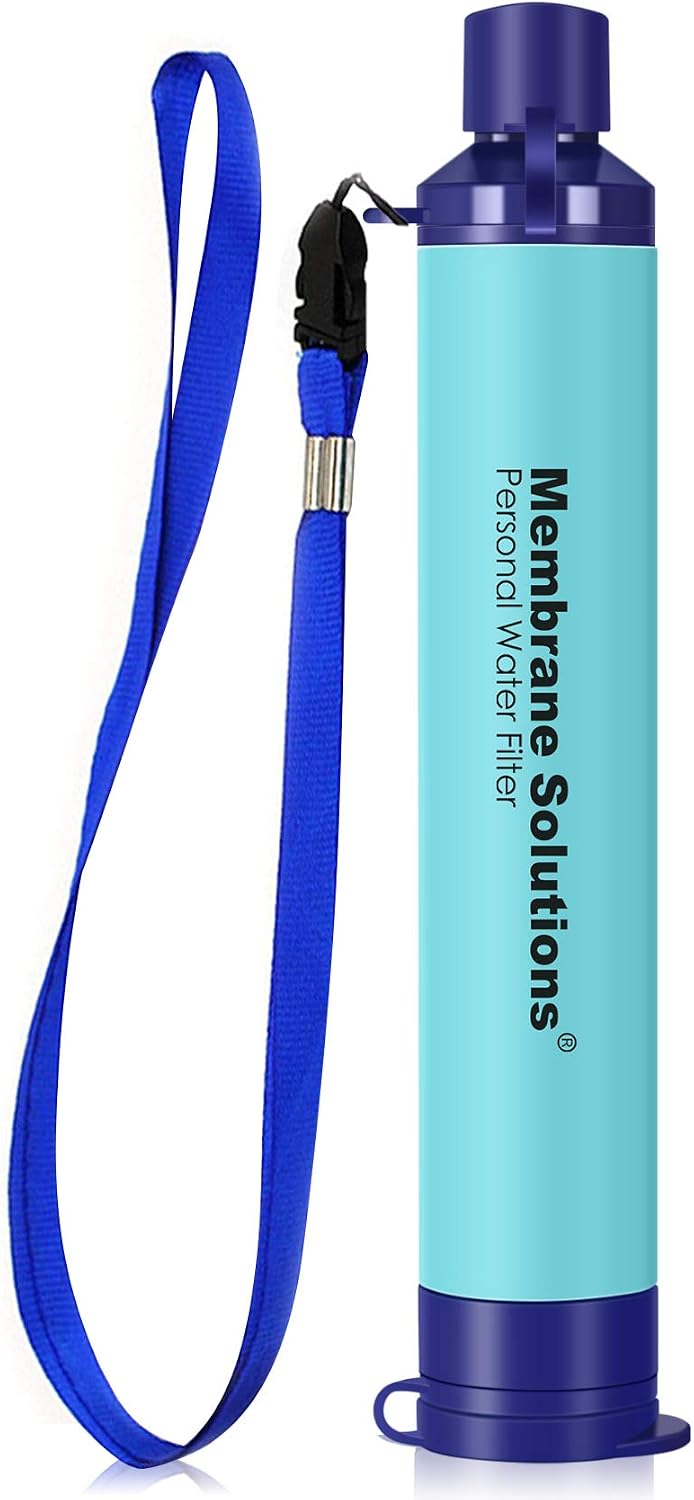
Built for travel, hiking & emergencies - drink safely whether the water is unsafe or just tastes off.
- NSF/ANSI 42, 372 & 401 certified, 0.1 micron filtration
- Filters up to 1,320 gallons - no batteries or pumping
- Ultralight - fits in any bag or pocket
- BPA-free, compatible with standard 28mm bottle threads
Tap water in Pakistan is generally not safe for travelers to drink. The country faces significant challenges with water contamination from untreated sewage, industrial pollution, and aging infrastructure, with a large portion of the population lacking access to safely managed drinking water. Travelers should rely on bottled or purified water throughout their stay.
Quick Reference
| Concern | Our Advice | |
|---|---|---|
| Drink tap water? | ❌ | Use bottled or filtered water |
| Brush teeth? | ❌ | Use bottled or filtered water |
| Wash fruits / veg? | ❌ | Wash with filtered or bottled water |
| Use ice in drinks? | ❌ | Avoid unless confirmed purified |
| Shower safely? | ✅ | Yes |
| Filter bottle needed? | ❌ | Strongly recommend a Membrane Solutions Filter Straw for all travelers |
| Common risks | Bacterial contamination, E. coli, Hepatitis A, Typhoid, Arsenic contamination, Heavy metals, Pesticide residues, Untreated sewage |

Key Statistics


Affiliate links — we earn a small commission at no extra cost to you.
Water Infrastructure & Supply
Pakistan's water infrastructure was largely established during the British colonial era and expanded after independence in 1947. Major canal systems and reservoirs like Tarbela and Mangla dams were built primarily for irrigation, while urban water supply systems were developed in phases by provincial and municipal governments. However, decades of underinvestment, rapid urbanization, and population growth have left infrastructure severely strained, with many systems now outdated and poorly maintained.
Urban water supply in Pakistan is managed by Water and Sanitation Agencies (WASAs) in major cities like Lahore, Karachi, Faisalabad, and Islamabad. Most urban areas rely on a combination of groundwater extraction and surface water treatment, but distribution networks suffer from extensive leakage (often 30-40% losses), intermittent supply, and cross-contamination from sewage lines running alongside water pipes. Chlorination is inconsistent, and many households rely on private borewells or tanker water to supplement municipal supply.
The Pakistani government, with support from international organizations like the World Bank and Asian Development Bank, has launched several improvement initiatives. The Clean Drinking Water for All project and provincial Safe Water Programs aim to install reverse osmosis filtration plants in underserved communities. After the devastating 2022 floods, significant reconstruction efforts focused on restoring and upgrading water infrastructure in Sindh and Balochistan. However, progress remains slow relative to the scale of the challenge.
Contamination & Health Risks
Water contamination in Pakistan poses serious health risks for both locals and travelers. Studies have consistently found high levels of fecal coliforms, E. coli, and other pathogens in municipal water supplies across major cities. The Pakistan Council of Research in Water Resources (PCRWR) regularly tests water quality and has found that 60-70% of water sources across the country fail to meet WHO drinking water standards for microbiological contamination.
Beyond biological contaminants, chemical pollution is a major concern. Arsenic levels in groundwater exceed WHO limits in large parts of Sindh and Punjab, affecting tens of millions of people. Industrial effluents from textile factories, tanneries, and other manufacturing units contaminate water sources near cities like Faisalabad, Sialkot, and Kasur. Agricultural runoff introduces pesticides and nitrates into both surface and groundwater, particularly in the fertile Punjab province.
For travelers, the most immediate risks are waterborne gastrointestinal illnesses including traveler's diarrhea, cholera, typhoid fever, and hepatitis A. Even brief exposure through accidentally swallowing water while showering, brushing teeth with tap water, or consuming ice made from unfiltered water can cause illness. Travelers should be particularly vigilant during the monsoon season (July-September) when flooding increases contamination levels dramatically.
Regional Water Quality Breakdown
Islamabad
cautionIslamabad generally has better water infrastructure than other Pakistani cities, with the Capital Development Authority (CDA) managing water supply. However, quality is inconsistent across sectors, and boiling or filtering water is still strongly recommended for travelers. Some upscale areas and modern hotels use in-house filtration systems.
Lahore
avoidLahore's water supply relies heavily on rapidly depleting groundwater, and WASA Lahore's distribution network suffers from severe cross-contamination with sewage lines. Studies have found dangerously high levels of bacterial contamination and heavy metals in many areas. Travelers should strictly use bottled or filtered water.
Karachi
avoidKarachi faces acute water shortages, and the supply from Hub Dam and Keenjhar Lake is often contaminated before reaching households due to aging infrastructure and illegal connections. Many areas receive water only a few hours per day, and tanker water quality is unregulated. Tap water in Karachi should never be consumed without thorough purification.
Gilgit-Baltistan & Northern Areas
cautionThe mountainous northern regions along the Karakoram Highway, including Hunza, Skardu, and Gilgit, generally have cleaner water sourced from glacial streams. However, water treatment facilities are minimal, and glacial melt can carry sediment and microorganisms. Travelers trekking in remote areas should always purify water from natural sources.
Sindh (Rural)
avoidRural Sindh faces some of Pakistan's worst water quality challenges, with widespread arsenic contamination in groundwater and lingering effects from the 2022 floods. Many communities lack any water treatment infrastructure. Travelers visiting archaeological sites like Mohenjo-daro should bring their own purified water supply.
Peshawar & Khyber Pakhtunkhwa
avoidPeshawar's water supply is predominantly groundwater-based and frequently contaminated with coliforms and industrial pollutants. The broader KP province has variable water quality, with better conditions in some hill stations but poor quality in urban and peri-urban areas. Bottled water is essential for travelers.
Practical Tips for Travelers
- Always drink sealed bottled water or water purified through a reliable filter. Check that bottle seals are intact, as counterfeit refilled bottles circulate in some areas.
- Use bottled or filtered water for brushing teeth. Even small amounts of contaminated water can cause gastrointestinal illness in travelers unaccustomed to local pathogens.
- Avoid ice in drinks unless you are at a high-end hotel or restaurant that confirms they use purified water for ice-making. In Urdu, you can say 'baraf nahi chahiye' ( ) meaning 'no ice please.'
- In Urdu, ask for sealed bottled water by saying 'band botal ka paani dijiye' ( ). This is understood nationwide and helps ensure you receive a properly sealed bottle.
- Carry a portable water purification device like a LifeStraw, SteriPen, or Grayl filter bottle, especially if traveling outside major cities or trekking in the northern mountains. Strongly recommend the Membrane Solutions Filter Straw.
- Peel all fruits and vegetables before eating, or wash them thoroughly with purified water. Street-side cut fruit and salads washed with tap water are common sources of traveler's diarrhea.
- Get vaccinated for Hepatitis A and Typhoid before traveling to Pakistan, as both diseases are transmitted through contaminated water and food. Consult your travel medicine clinic at least 4-6 weeks before departure.
- During monsoon season (July-September), be extra cautious as flooding dramatically increases water contamination levels. Avoid any contact with floodwater and double-check your water sources.
Bottled Water Availability & Cost
Bottled water is widely available throughout Pakistan and is the safest option for travelers. Major brands include Nestl Pure Life, Aquafina, Kinley, and local brands like Sufi and Springley. A 500ml bottle typically costs 30-60 Pakistani Rupees (PKR), approximately $0.10-0.20 USD, while a 1.5-liter bottle ranges from 60-120 PKR ($0.20-0.40 USD). Prices may be slightly higher at hotels, airports, and tourist-oriented restaurants.
For longer stays, purchasing 19-liter (5-gallon) water dispensers is common and economical, costing around 150-300 PKR ($0.50-1.00 USD) per refill from established brands. Always check that bottle seals are intact before purchasing, as refilled counterfeit bottles are occasionally sold by street vendors. For environmental sustainability, travelers may consider investing in a quality portable water filter or UV purification device such as a LifeStraw or SteriPen, which can significantly reduce plastic waste during an extended trip.
Frequently Asked Questions
Can I brush my teeth with tap water in Pakistan?
No, it is not recommended. Tap water in Pakistan frequently contains harmful bacteria and other contaminants. Use bottled or purified water for brushing teeth to avoid the risk of gastrointestinal illness.
Is it safe to shower in tap water in Pakistan?
Yes, showering with tap water is generally safe as long as you avoid swallowing any water and keep your mouth closed. If you have open wounds or sensitive skin, you may want to exercise extra caution. The risk comes from ingesting the water, not from skin contact.
Is ice safe in Pakistani restaurants?
In most restaurants, ice is made from unfiltered tap water and should be avoided. High-end hotels and international chain restaurants in cities like Islamabad and Lahore typically use purified water for ice, but it's always best to ask. When in doubt, order drinks without ice.
Can I drink water served in restaurants in Pakistan?
Many restaurants serve filtered or bottled water, but quality varies widely. Always request sealed bottled water and verify the seal is intact. Some restaurants use in-house RO (reverse osmosis) filtration, which is generally safe, but this is more common in upscale establishments.
How much does bottled water cost in Pakistan?
Bottled water is very affordable in Pakistan. A 500ml bottle costs approximately 30-60 PKR ($0.10-0.20 USD), and a 1.5-liter bottle costs 60-120 PKR ($0.20-0.40 USD). Prices may be slightly higher at tourist spots, airports, and hotels. Large 19-liter dispensers for accommodation are available for 150-300 PKR.
Is the water safe to drink in the northern areas like Hunza and Gilgit?
While water in the northern mountains is generally cleaner than in major cities due to glacial sources, it is still not reliably safe for travelers. There is minimal water treatment infrastructure, and glacial streams can carry sediment and microorganisms like Giardia. Always purify water through boiling, filtering, or UV treatment, even in scenic mountain areas.
What waterborne diseases should I be concerned about in Pakistan?
The main waterborne disease risks in Pakistan include traveler's diarrhea (most common), typhoid fever, hepatitis A, cholera, and dysentery. Arsenic exposure from groundwater is a long-term risk in parts of Sindh and Punjab. Ensure you are vaccinated for Hepatitis A and Typhoid before your trip, and carry oral rehydration salts as a precaution.
Are water filtration plants reliable in Pakistan?
Pakistan has installed thousands of community-level reverse osmosis (RO) water filtration plants, particularly in Punjab and Sindh provinces. When operational and well-maintained, these produce safe drinking water. However, maintenance is inconsistent and many plants experience downtime. Travelers should not rely on these as their sole water source and should carry their own purification methods.
Interesting Product Reviews
9 Best Water Distillers For Home Use (2026 Review Guide)
Jul 27, 2026
9 Best Water Filter Dispensers (2026 Review Guide)
Jun 27, 2026
7 Best Water Filters For Pets (2026 Review Guide)
Aug 4, 2026
7 Best Smart Water Bottles (2026 Review Guide)
Aug 7, 2026
6 Best Water Alarms For Basements (2026 Review Guide)
Aug 17, 2026