Around $20
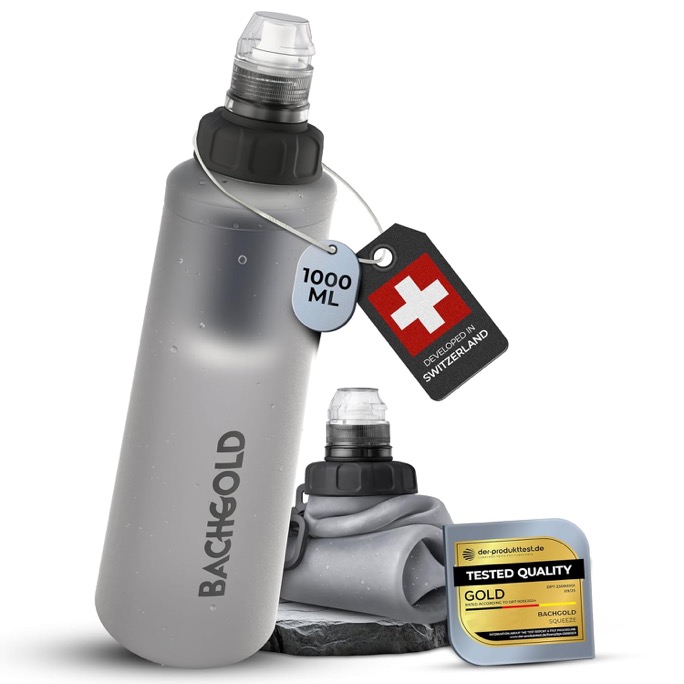
Built for travel, hiking & emergencies - drink safely whether the water is unsafe or just tastes off.
- 2-stage filtration: nanofiber layer + 0.2 micron hollow fiber membrane
- Rinse to restore flow - no replacement cartridges needed
- Collapsible 1L bottle - folds flat to pocket size
- Leak-resistant, taste-neutral, designed in Switzerland
Tap water in Haiti is not safe to drink for travelers or most residents. The country faces severe water infrastructure challenges, with a large portion of the population lacking access to safely managed drinking water. Travelers should exclusively use bottled, filtered, or treated water during their stay.
Quick Reference
| Concern | Our Advice | |
|---|---|---|
| Drink tap water? | ❌ | Use bottled or filtered water |
| Brush teeth? | ❌ | Use bottled or filtered water |
| Wash fruits / veg? | ❌ | Wash with filtered or bottled water |
| Use ice in drinks? | ❌ | Avoid unless confirmed purified |
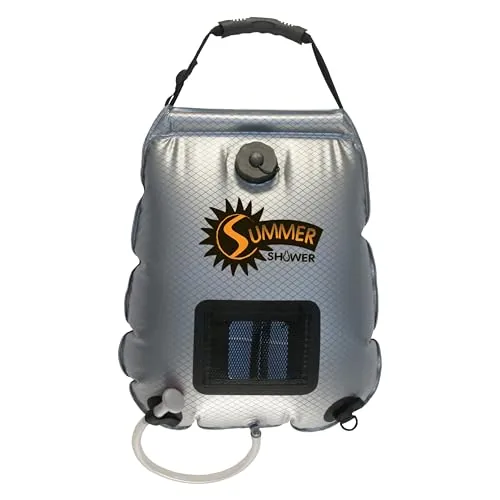
| Shower safely? | ✅ | Yes |
| Filter bottle needed? | ❌ | Strongly recommend a Bachgold Squeeze Filter Bottle for all travelers |
| Common risks | Bacterial contamination, Cholera, Parasitic infections, E. coli, Heavy metals, Untreated sewage, Waterborne diseases |

Key Statistics


Affiliate links — we earn a small commission at no extra cost to you.
Water Infrastructure & Supply
Haiti's water infrastructure is among the least developed in the Western Hemisphere. The national water utility, DINEPA (Direction Nationale de l'Eau Potable et de l'Assainissement), was established in 2009 to centralize water and sanitation governance, but chronic underfunding, political instability, and natural disasters have severely hampered progress. Before DINEPA, water management was fragmented across multiple agencies with little coordination or oversight.
The piped water network primarily serves parts of Port-au-Prince and a handful of secondary cities, but even in these areas, service is intermittent and the water is not reliably treated to safe standards. Many Haitians rely on wells, springs, rivers, and water trucking services (known locally as "kamyon dlo"), most of which deliver water of uncertain quality. The devastating 2010 earthquake destroyed much of the existing infrastructure in the capital, and subsequent hurricanes and tropical storms have repeatedly set back reconstruction efforts.
International organizations including UNICEF, the Inter-American Development Bank, and numerous NGOs have invested hundreds of millions of dollars in water projects across Haiti. These include solar-powered water kiosks, community chlorination programs, and borehole drilling in rural areas. However, ongoing gang violence and political instability since 2021 have disrupted operations for many of these projects, particularly in the Port-au-Prince metropolitan area, leaving millions without reliable access to safe water.
Contamination & Health Risks
The health risks from drinking untreated water in Haiti are severe. Bacterial contamination from E. coli, Salmonella, and Vibrio cholerae is widespread due to the near-total absence of wastewater treatment and open sewage flowing into water sources. Haiti experienced a devastating cholera epidemic from 2010 to 2019 that killed over 10,000 people, and a new outbreak emerged in late 2022, with tens of thousands of suspected cases reported.
Contamination sources include untreated sewage, agricultural runoff, industrial waste, and flooding from tropical storms that mixes floodwater with sewage and drinking water sources. In rural areas, shallow wells are frequently contaminated by nearby latrines. In urban areas like Port-au-Prince, the Rivire Grise and other waterways that supply some informal water sources are heavily polluted with industrial and household waste.
For travelers, the practical risks are significant. Diarrheal diseases, typhoid fever, hepatitis A, and cholera are all transmitted through contaminated water. Even brief contact with untreated water through swallowing while swimming or using ice made from tap water can cause illness. Travelers should avoid tap water entirely for drinking, brushing teeth, and washing produce. Showering is generally safe as long as water is not swallowed, but care should be taken with open wounds.
Regional Water Quality Breakdown
Port-au-Prince
avoidThe capital has some piped water infrastructure, but service is extremely intermittent and water quality is unreliable. Ongoing gang violence has disrupted water distribution networks and blocked access to treatment facilities. All tap water should be considered unsafe.
Ption-Ville
cautionThis wealthier suburb of Port-au-Prince has better infrastructure than the capital proper, and many hotels and restaurants use filtration systems. However, municipal tap water remains unsafe to drink directly. Rely on filtered or bottled water.
Cap-Hatien
avoidHaiti's second-largest city has limited water treatment capacity. While some NGO-supported water kiosks provide treated water, the general tap and well water supply is contaminated. Travelers should use only bottled or professionally treated water.
Jacmel
avoidThis southern coastal town popular with tourists has minimal water treatment infrastructure. Water is sourced from springs and rivers with limited purification. Hotels catering to visitors typically provide filtered water, but tap water is unsafe.
Les Cayes
avoidSeverely affected by Hurricane Matthew (2016) and the 2021 earthquake, Les Cayes' water infrastructure was significantly damaged. Recovery has been slow, and most residents rely on untreated water sources. All water should be treated before consumption.
le--Vache
cautionThis small island off the southern coast has limited freshwater resources. Some tourist-oriented establishments have their own water filtration or desalination systems, but local water sources are not treated. Confirm water treatment at your accommodation.
Practical Tips for Travelers
- Always use bottled or filtered water for drinking, brushing teeth, and rinsing fruits and vegetables. Do not trust tap water anywhere in Haiti, including at hotels unless they explicitly confirm water filtration.
- Carry a portable water filter bottle (such as a LifeStraw Go or Grayl GeoPress) as your primary water safety tool. This is essential in areas where bottled water may be difficult to find. Strongly recommend the Bachgold Squeeze Filter Bottle.
- In Haitian Creole, ask for safe water by saying "Ban m dlo trete" (give me treated water) or "Ban m dlo nan bouty" (give me bottled water) at restaurants and shops.
- Avoid ice in drinks unless you are certain it was made with purified water. At upscale restaurants and hotels, ask "ske glas la ft ak dlo trete?" (Is the ice made with treated water?).
- Water sold in small plastic bags (sach dlo) is extremely common and inexpensive, but quality varies by producer. Look for sealed bags from known brands rather than unmarked bags.
- If bottled water is unavailable, you can treat water with chlorine drops or tablets (such as Aquatabs) or by boiling for at least one minute. Let it cool in a clean, covered container.
- Be cautious with fresh salads, unpeeled fruits, and street food washed with local water. Stick to cooked foods and fruits you can peel yourself (bananas, oranges, mangoes).
- Ensure any open cuts or wounds are covered before showering, as untreated water may carry bacteria. Avoid swallowing any water while bathing.
Bottled Water Availability & Cost
Bottled water is widely available throughout Haiti, even in areas affected by insecurity. Common local brands include Culligan Haiti, Eau Miracle, and various smaller producers who sell treated water in plastic bags (known as "dlo nan sach") for as little as 5, 10 Haitian gourdes (approximately $0.04, $0.08 USD). A 1.5-liter bottle of branded water typically costs 50, 100 gourdes ($0.35, $0.75 USD) at a store or market, while prices at hotels and restaurants can be 150, 250 gourdes ($1.00, $1.75 USD).
Buying water in bulk from grocery stores like Caribbean Supermarkets or Giant in Ption-Ville is more economical. Five-gallon jugs of purified water are available from delivery services for approximately 100, 200 gourdes ($0.70, $1.40 USD). Travelers should verify that bottle seals are intact before purchasing, as refilled bottles of questionable quality can occasionally be found. Using a personal water filter bottle such as a LifeStraw or Grayl is an excellent sustainable alternative that reduces plastic waste while ensuring safe drinking water throughout your trip.
Frequently Asked Questions
Can I brush my teeth with tap water in Haiti?
No, you should not brush your teeth with tap water in Haiti. The water may contain harmful bacteria including cholera, E. coli, and other pathogens. Use bottled or filtered water for brushing teeth throughout your stay.
Is it safe to shower with tap water in Haiti?
Showering is generally safe as long as you keep your mouth closed and do not swallow any water. Cover any open wounds with waterproof bandages before showering, as the water may contain bacteria that can cause infections.
Can I have ice in my drinks at Haitian restaurants?
It's best to avoid ice unless you are at a high-end hotel or restaurant that confirms they use purified water for ice-making. Many establishments use regular tap water or untreated water to make ice, which carries the same contamination risks as drinking tap water directly.
Is the water in bags (sach dlo) safe to drink in Haiti?
Bagged water quality varies significantly. Major brands that treat their water are generally safer, but unregulated producers may sell inadequately treated water. If you must use bagged water, choose recognized brands with intact seals. A personal water filter is a more reliable option.
How much does bottled water cost in Haiti?
A 1.5-liter bottle costs approximately 50, 100 Haitian gourdes ($0.35, $0.75 USD) at stores and markets. Hotel and restaurant prices are higher, around $1.00, $1.75 USD. Five-gallon jugs from delivery services cost about $0.70, $1.40 USD and are the most economical option for longer stays.
Is there still cholera in Haiti?
Yes. After being cholera-free for about three years, Haiti experienced a new outbreak starting in October 2022. While case numbers have declined since the peak, the risk persists due to poor water and sanitation infrastructure. Travelers should be vigilant about water safety and consider getting an oral cholera vaccine before traveling.
Do hotels in Haiti provide safe drinking water?
Higher-end hotels, particularly in Ption-Ville and tourist areas, typically provide bottled water or have filtration systems. However, you should always confirm this with your accommodation and never assume tap water in the room is drinkable. Many guesthouses and budget accommodations do not have water treatment.
Can I eat fresh fruits and salads in Haiti?
Exercise caution with raw produce. Fruits that you can peel yourself (mangoes, bananas, avocados, oranges) are safe. Avoid salads and pre-cut fruits washed with tap water. At reputable restaurants, you can ask if produce is washed with treated water, but when in doubt, stick to cooked foods.
Interesting Product Reviews
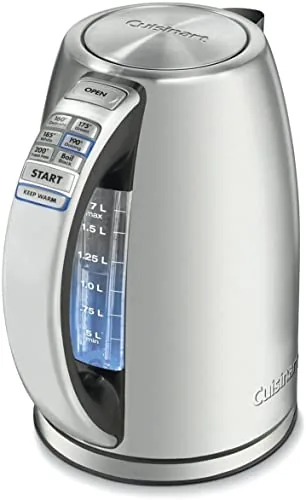
8 Best Variable Temperature Kettles (2026 Review Guide)
Aug 12, 2026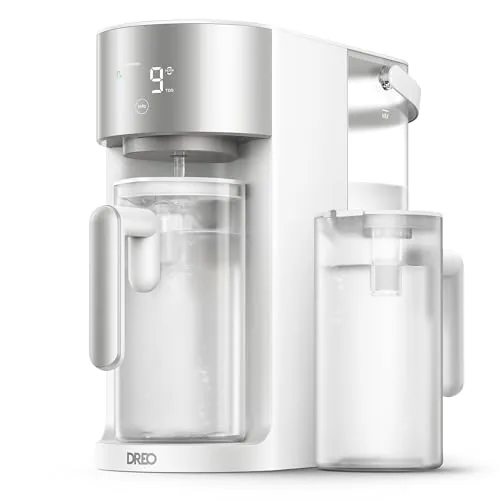
7 Best Countertop Water Filters (2026 Review Guide)
Jul 25, 2026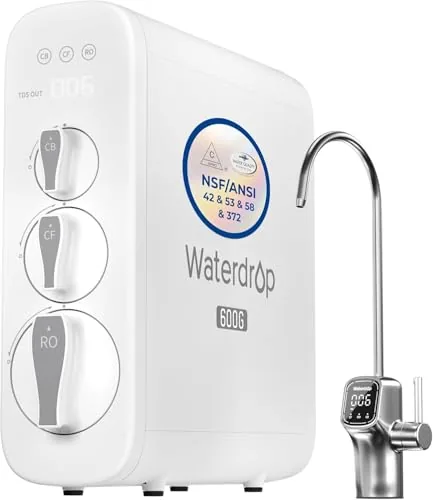
9 Best Tankless Reverse Osmosis Systems (2026 Review Guide)
Jun 30, 2026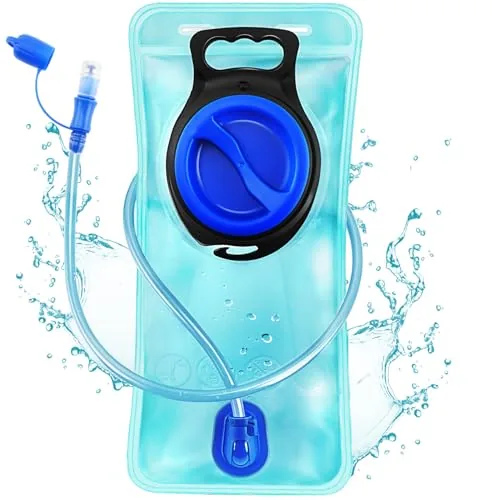
6 Best Hydration Bladders (2026 Review Guide)
Aug 8, 2026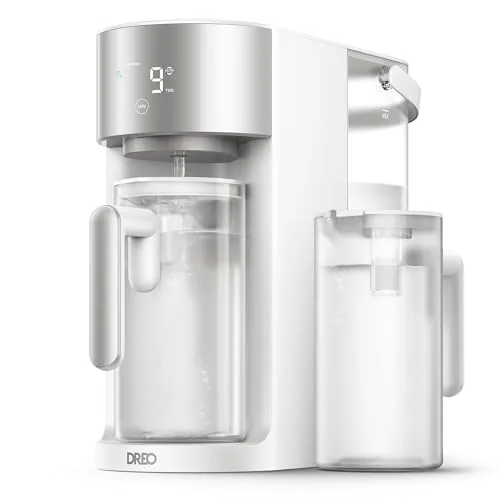
8 Best Countertop Water Filters For Renters (2026 Review Guide)
Jul 20, 2026