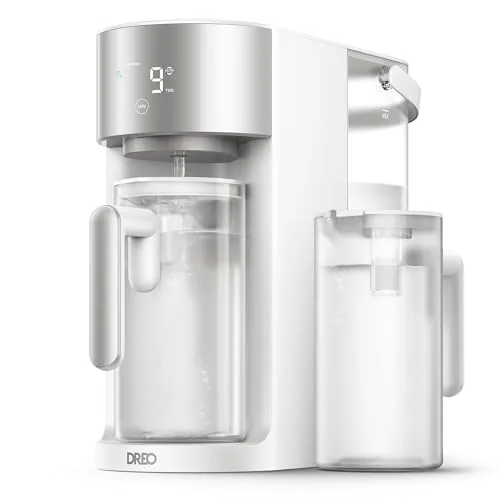
As low as $12
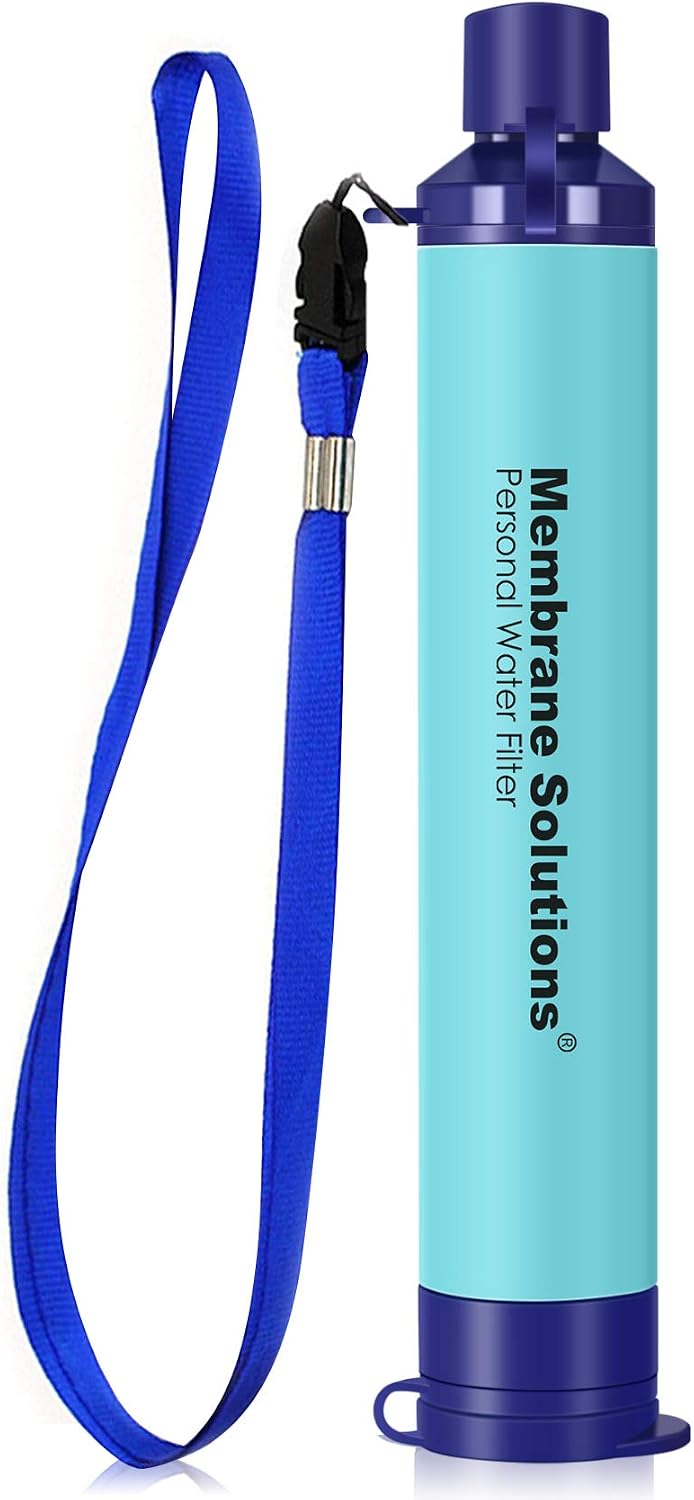
Built for travel, hiking & emergencies - drink safely whether the water is unsafe or just tastes off.
- NSF/ANSI 42, 372 & 401 certified, 0.1 micron filtration
- Filters up to 1,320 gallons - no batteries or pumping
- Ultralight - fits in any bag or pocket
- BPA-free, compatible with standard 28mm bottle threads
Tap water in Hungary is generally safe to drink and meets EU drinking water standards. The country has well-maintained water infrastructure, particularly in Budapest and other major cities. Travelers can confidently drink tap water throughout most of the country, though some rural areas may have occasional quality variations.
Quick Reference
| Concern | Our Advice | |
|---|---|---|
| Drink tap water? | ✅ | Yes, safe in most areas |
| Brush teeth? | ✅ | Yes, no concerns |
| Wash fruits / veg? | ✅ | Yes, safe to use tap water |
| Use ice in drinks? | ✅ | Yes, safe in restaurants |
| Shower safely? | ✅ | Yes |
| Filter bottle needed? | ✅ | Not necessary, but a Membrane Solutions Filter Straw can improve taste |
| Common risks | Elevated nitrate levels in some agricultural areas, Occasional heavy metal traces in older pipes, Hard water mineral content, Legacy industrial contamination near certain sites |

Key Statistics


Affiliate links — we earn a small commission at no extra cost to you.
Water Infrastructure & Supply
Hungary's modern water supply system has its roots in the late 19th century, when Budapest built one of Europe's first large-scale municipal water networks. Today, the country's water infrastructure serves virtually 100% of the population, with over 1,600 water supply systems operating across the nation. The system draws from both surface water sources (particularly the Danube and Tisza rivers) and extensive groundwater reserves, with groundwater accounting for roughly 95% of drinking water supply.
Water treatment in Hungary follows EU Drinking Water Directive standards, employing multi-barrier treatment processes including coagulation, filtration, and disinfection. Budapest Waterworks (Fvrosi Vzmvek), one of the largest utilities in Central Europe, supplies over 1.8 million residents using bank-filtered water from the Danube, which naturally filters through gravel and sand layers on Szentendre Island. This bank filtration process is considered one of the most effective natural water treatment methods in Europe.
Hungary has invested significantly in water infrastructure through EU cohesion funds, spending billions of euros on upgrading treatment plants and replacing aging pipe networks. The National Water Strategy (Kvassay Jen Plan) launched in 2017 addresses long-term challenges including climate adaptation, infrastructure renewal, and protection of groundwater resources. Ongoing projects focus on reducing water losses in distribution networks, which currently average around 20%, and upgrading wastewater treatment facilities in smaller settlements.
Contamination & Health Risks
Hungary's tap water is regularly tested and overwhelmingly compliant with EU standards, with over 99% of samples meeting all parametric values. However, some specific areas face localized issues: elevated arsenic levels have been historically documented in parts of the Great Hungarian Plain (Alfld region), stemming from natural geological conditions rather than pollution. The Hungarian government has worked extensively to address this, installing arsenic removal systems in affected communities.
Nitrate contamination from agricultural runoff can affect some rural wells and smaller water systems, particularly in intensively farmed areas of the eastern plains. Industrial legacy contamination exists near former heavy industrial zones, though municipal treatment effectively addresses these concerns. Hard water is common throughout much of Hungary due to limestone geology, which is not a health risk but may cause mineral buildup and a slightly different taste than travelers are accustomed to.
For travelers, the health risks from drinking Hungarian tap water are minimal. The water is safe in all major cities and tourist destinations. Immunocompromised travelers or those with very sensitive stomachs may experience minor digestive adjustment due to different mineral composition, but this is not indicative of contamination. The biggest practical concern is taste preference , some visitors find the mineral-rich water tastes different from what they're used to at home.
Regional Water Quality Breakdown
Budapest
safeBudapest has excellent tap water quality, supplied by Fvrosi Vzmvek using Danube bank-filtered water from Szentendre Island. The water is thoroughly tested and consistently meets all EU standards. Many locals and visitors consider it among the best-tasting tap water in Central Europe.
Lake Balaton Region (Sifok, Balatonfred, Keszthely)
safeThe Lake Balaton tourist region has reliable, safe tap water supplied by modern treatment facilities. Water is sourced primarily from deep wells and karst springs, particularly on the northern shore. Summer tourism peaks can occasionally strain local systems, but water quality remains consistently safe.
Debrecen & Eastern Hungary
cautionWhile Debrecen's municipal water supply is safe and well-treated, parts of the eastern Great Plain have historically had elevated natural arsenic levels in groundwater. Major cities have installed arsenic removal systems, but some smaller villages may still have slightly elevated levels. Travelers staying in cities need not worry.
Pcs & Southern Transdanubia
safePcs and the surrounding region benefit from high-quality karst water sources from the Mecsek Mountains. The water is naturally filtered through limestone and is of excellent quality. The city's water infrastructure has been modernized with EU funding.
Eger & Northern Hungary
safeEger and the Bkk Mountains region have good water quality sourced from karst springs and deep wells. The famous thermal springs are separate from the drinking water supply. Municipal tap water meets all EU standards and is safe to drink.
Szeged & Southern Great Plain
cautionSzeged's municipal water is treated and safe, but the broader Southern Great Plain region has faced challenges with naturally occurring arsenic and ammonium in deep groundwater. Treatment systems in major towns effectively remove these contaminants, though very small rural settlements may still have marginal quality.
Practical Tips for Travelers
- Carry a filter straw (e.g., Membrane Solutions) — it removes bacteria, parasites, and microplastics from any tap or stream. Strongly recommend the Membrane Solutions Filter Straw.
- Hungarian tap water is safe and free , carry a reusable bottle and refill at public drinking fountains (ivkt) found in parks and squares throughout Budapest and other cities.
- When ordering water in a restaurant, specify 'csapvz' (tap water, pronounced 'chop-veez') if you want free tap water, as waiters will typically bring bottled water by default.
- If you prefer still bottled water, ask for 'sznsavmentes vz' (still water); otherwise you may receive 'sznsavas vz' (sparkling water), which is the Hungarian default preference.
- Avoid drinking from decorative fountains or thermal spring outlets unless specifically marked as 'ivvz' (drinking water) , many thermal waters contain minerals not suitable for drinking.
- In the eastern Great Plain (Alfld) region, stick to municipal tap water in cities rather than private wells, as some rural wells may have naturally elevated arsenic levels.
- Budapest's water may taste slightly different from what you're used to due to mineral content , this is normal and not a sign of contamination. Give yourself a day to adjust.
- Download the Budapest Waterworks app or look for the blue 'ivkt' signs to locate free public drinking water stations, especially useful during hot summer months.
- If staying in a very old building with visibly corroded pipes, let the tap run for 30 seconds before drinking to flush any standing water from old lead solder joints.
Bottled Water Availability & Cost
Bottled water is widely available throughout Hungary in supermarkets, convenience stores, gas stations, and restaurants. Popular local brands include Szentkirlyi, NaturAqua, Theodora, and Mizse, with prices typically ranging from 150-350 HUF (0.40-0.90) for a 0.5L bottle in shops. In restaurants and tourist areas, particularly in central Budapest, expect to pay 500-1,200 HUF (1.30-3.20) for a 0.5L bottle. Sparkling mineral water (sznsavas) is very popular in Hungary and often served as the default water in restaurants.
For budget-conscious travelers, buying water in bulk from supermarkets like Tesco, Lidl, Aldi, or Spar is the most economical option, with 1.5L bottles costing 150-300 HUF (0.40-0.80). However, since Budapest tap water is excellent quality, carrying a reusable bottle is both environmentally friendly and cost-effective. Budapest has installed public drinking fountains (ivkt) throughout the city, especially in parks and along the Danube promenade, providing free access to fresh tap water.
Frequently Asked Questions
Can I brush my teeth with tap water in Hungary?
Yes, absolutely. Hungarian tap water is safe for brushing teeth throughout the country. The water meets EU Drinking Water Directive standards and poses no risk for oral hygiene use.
Is it safe to shower in Hungarian tap water?
Yes, showering in Hungarian tap water is completely safe. The water is treated and disinfected to EU standards. Note that the water can be quite hard (mineral-rich) in many areas, which may leave your skin or hair feeling slightly different than usual, but this is harmless.
Can I drink ice in drinks at restaurants and bars in Hungary?
Yes, ice in Hungarian restaurants and bars is made from tap water, which is safe. This applies to all establishments in Budapest and other major cities. There is no need to request drinks without ice.
Is Budapest tap water safe to drink?
Budapest has some of the best tap water in Central Europe. It's sourced from Danube bank-filtered wells on Szentendre Island, naturally filtered through gravel and sand layers. The water is rigorously tested daily and consistently exceeds EU quality standards. It's perfectly safe and many locals prefer it to bottled water.
How much does bottled water cost in Hungary?
A 0.5L bottle costs 150-350 HUF (0.40-0.90) in supermarkets and 500-1,200 HUF (1.30-3.20) in restaurants and tourist areas. Bulk purchases of 1.5L bottles from discount supermarkets like Lidl or Aldi cost 150-300 HUF (0.40-0.80). However, since tap water is safe, you can save money by refilling a reusable bottle.
Will restaurants give me free tap water in Hungary?
Legally, Hungarian restaurants should provide tap water if requested, but it's not always customary and some may be reluctant. Ask for 'csapvz, krem' (tap water, please). Many restaurants will try to sell you bottled water instead. In more casual cafs and bistros, tap water requests are generally accommodated without issue.
Is Hungarian thermal spring water safe to drink?
Not all thermal water is safe to drink. Hungary is famous for its thermal baths, but the mineral content in thermal springs can be very high and some contain elements like sulfur, radon, or heavy metals. Only drink from springs specifically marked as 'ivvz' (drinking water). Some certified mineral springs, like those at Hvz town, have designated drinking points.
Does Hungary have issues with arsenic in drinking water?
Parts of the eastern Great Hungarian Plain have naturally occurring arsenic in deep groundwater due to geological conditions. However, the Hungarian government has invested heavily in arsenic removal treatment systems for affected communities. All major cities, including Debrecen and Szeged, now have treatment in place. Travelers visiting cities and tourist areas are not at risk.
Traveling Nearby?
Check tap water safety in neighboring countries:
Austria Croatia Romania Serbia Slovakia Slovenia UkraineInteresting Product Reviews
6 Best Water Softener Salts (2026 Review Guide)
Aug 13, 2026
7 Best Countertop Water Filters (2026 Review Guide)
Jul 25, 2026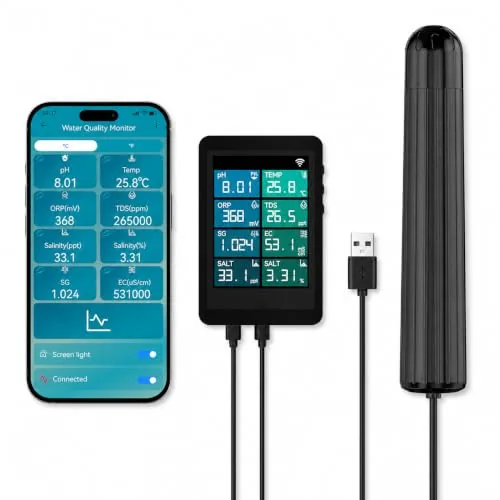
7 Best Water Quality Monitors (2026 Review Guide)
Aug 16, 2026
6 Best Refrigerator Water Dispensers (2026 Review Guide)
Aug 13, 2026
8 Best Bidet Attachments (2026 Review Guide)
Aug 20, 2026