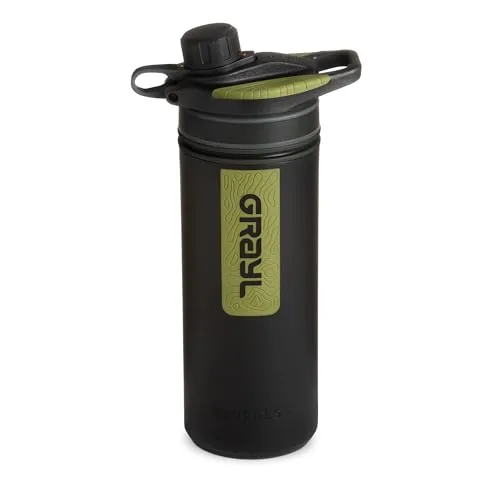
As low as $12
Built for travel, hiking & emergencies - drink safely whether the water is unsafe or just tastes off.
- NSF/ANSI 42, 372 & 401 certified, 0.1 micron filtration
- Filters up to 1,320 gallons - no batteries or pumping
- Ultralight - fits in any bag or pocket
- BPA-free, compatible with standard 28mm bottle threads
Tap water in Botswana's major urban centers like Gaborone is treated and generally considered safe for locals, but travelers are advised to exercise caution due to aging infrastructure and inconsistent quality in rural areas. Bottled or filtered water is recommended for visitors, especially outside the main cities. Water scarcity is a significant national challenge, and supply interruptions can affect water quality.
Quick Reference
| Concern | Our Advice | |
|---|---|---|
| Drink tap water? | ❌ | Use bottled or filtered water |
| Brush teeth? | ✅ | Yes, no concerns |
| Wash fruits / veg? | ✅ | Yes, safe to use tap water |
| Use ice in drinks? | ❌ | Avoid unless confirmed purified |
| Shower safely? | ✅ | Yes |
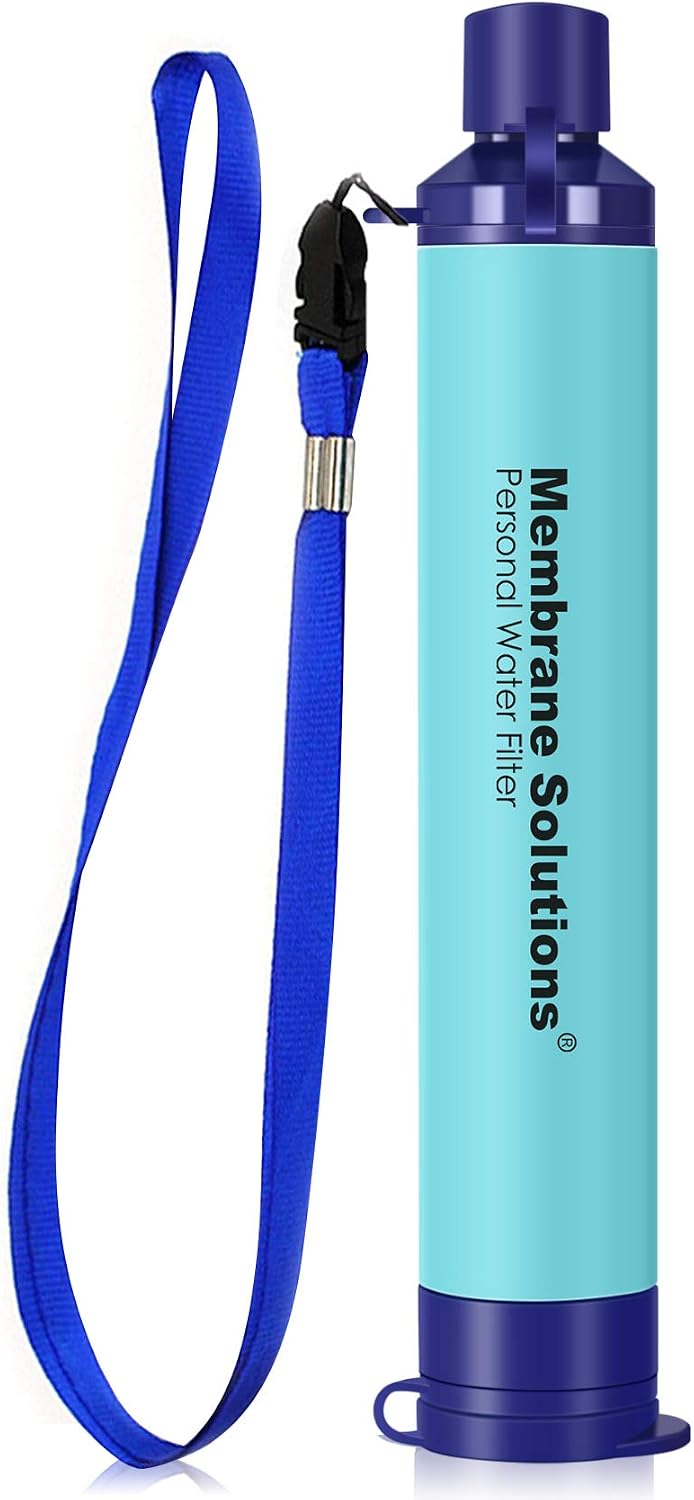
| Filter bottle needed? | ❌ | Strongly recommend a Membrane Solutions Filter Straw for all travelers |
| Common risks | Bacterial contamination, Sediment and turbidity, Aging pipe infrastructure, E. coli in rural boreholes, Nitrate contamination, Intermittent supply causing recontamination |

Key Statistics


Affiliate links — we earn a small commission at no extra cost to you.
Water Infrastructure & Supply
Botswana's water supply is managed primarily by the Water Utilities Corporation (WUC), which took over responsibility for both urban and rural water supply in 2013. The country relies heavily on surface water from the Limpopo basin, the Shashe and Letsibogo dams in the east, and groundwater from boreholes across the semi-arid landscape. The North-South Carrier pipeline, stretching over 400 km, is a critical piece of infrastructure that transports water from northern dams to the capital Gaborone.
Treatment plants in major centers like Gaborone, Francistown, and Maun use conventional processes including coagulation, flocculation, sedimentation, sand filtration, and chlorine disinfection. However, many rural communities still depend on boreholes with minimal treatment, and aging distribution networks in urban areas can introduce contamination through pipe leaks and intermittent supply. Water losses in the distribution system are estimated at around 30%, which the government is working to reduce.
The Botswana government has invested in several major projects to improve water security, including the Masama Wellfield Development, the Dikgatlhong Dam (one of the largest in the country, completed in 2012), and ongoing work on the North-South Carrier Phase 2. The Emergency Water Security and Efficiency Project, supported by the World Bank, has aimed to increase water storage and improve system efficiency in the greater Gaborone area. Despite these efforts, Botswana remains a water-scarce country where drought cycles can lead to rationing and supply disruptions.
Contamination & Health Risks
The primary health risks from tap water in Botswana relate to microbiological contamination, particularly in rural and peri-urban areas. Studies have found elevated levels of E. coli and coliform bacteria in some borehole water sources, and nitrate levels exceeding WHO guidelines have been documented in certain rural boreholes, likely due to livestock grazing and pit latrines. In urban areas, treated water generally meets national standards at the treatment plant, but recontamination can occur in the aging distribution network.
Intermittent water supply is a significant risk factor. When water pressure drops in the pipes during supply interruptions, contaminants from the surrounding soil can enter the distribution system through cracks and joints. This is a common issue during the dry season or when demand outstrips supply, particularly in rapidly growing areas around Gaborone. Travelers may notice discolored or sediment-laden water after supply interruptions.
For travelers, the main practical risks include gastrointestinal illness from consuming untreated water in rural safari lodges or smaller towns. Most reputable tourist lodges and hotels in the Okavango Delta and Chobe areas provide treated or bottled water for guests. Visitors with sensitive stomachs should avoid tap water, ice made from tap water, and raw salads washed in untreated water, especially during the first few days of their trip while their bodies adjust.
Regional Water Quality Breakdown
Gaborone
cautionAs the capital and largest city, Gaborone has the most developed water treatment infrastructure. Tap water is treated and chlorinated, but aging pipes and periodic supply interruptions can affect quality. Travelers should consider using a filter or drinking bottled water.
Francistown
cautionBotswana's second city receives treated water from the Shashe and Dikgatlhong dams. Water quality is generally acceptable but can deteriorate during dry periods when dam levels drop. Boiling or filtering is recommended for visitors with sensitive stomachs.
Maun (Okavango Gateway)
cautionMaun serves as the gateway to the Okavango Delta and has municipal water treatment. However, rapid growth has strained infrastructure, and water supply can be intermittent. Most hotels provide bottled or filtered water for guests.
Kasane & Chobe Area
cautionThe Kasane area near Chobe National Park has municipal water supply, but the system can be unreliable during peak tourist season. Safari lodges typically provide safe drinking water. Tap water should be treated before drinking.
Okavango Delta (Remote Camps)
avoidRemote safari camps in the Okavango Delta often rely on borehole water that may not be adequately treated. Most reputable lodges provide purified drinking water, but travelers should never drink untreated water from natural sources in the delta, which can contain parasites and bacteria.
Rural Villages (Kalahari & Western Botswana)
avoidRural areas in the Kalahari and western Botswana often rely on untreated borehole water with limited monitoring. Nitrate and bacterial contamination have been documented. Travelers should bring their own purified water or use reliable purification methods.
Practical Tips for Travelers
- Carry a quality filter bottle like a LifeStraw or Grayl when traveling outside major cities , it's essential for safari trips and rural areas where treated water isn't guaranteed. Strongly recommend the Membrane Solutions Filter Straw.
- In Setswana, you can ask for bottled water by saying 'Ke kopa metsi a botlolo' (I'd like bottled water). In tourist areas, English is widely spoken.
- Stock up on water in Maun or Kasane before heading into the Okavango Delta or Chobe National Park, as supplies in remote areas are limited and expensive.
- If tap water appears discolored or has an unusual smell after a supply interruption, let the tap run for a few minutes before using it, and consider boiling it before drinking.
- Ask your safari lodge or hotel whether they provide filtered or purified drinking water , most reputable establishments do, and this reduces plastic waste.
- Avoid ice in drinks at smaller restaurants or bars outside major tourist areas unless you can confirm it was made with purified water.
- Bring oral rehydration salts (ORS) in your travel kit , they're invaluable if you experience traveler's diarrhea, especially in Botswana's hot climate where dehydration is a real risk.
- During the dry season (May-October), water supply interruptions are more common. Keep a reserve supply of bottled water in your accommodation at all times.
Bottled Water Availability & Cost
Bottled water is widely available throughout Botswana, especially in urban areas and tourist destinations. Popular brands include Aqua Pure, Mascom Water, and imported South African brands like Valpr. A 500ml bottle typically costs 5-10 Botswana Pula (BWP), roughly $0.40-$0.75 USD, while a 1.5-liter bottle ranges from 10-20 BWP ($0.75-$1.50 USD). In remote safari lodges and tourist areas, prices can be significantly higher, sometimes double or triple the urban price.
Travelers going on longer trips or safari excursions should stock up on water in major towns like Gaborone, Francistown, or Maun before heading into more remote areas. Buying in bulk (5-liter or 20-liter containers) is more economical and reduces plastic waste. Many high-end safari lodges provide complimentary filtered or purified water in reusable bottles. Consider bringing a quality filter bottle or purification tablets to reduce reliance on single-use plastic, which is an environmental concern in a country where waste management infrastructure is still developing.
Frequently Asked Questions
Can I brush my teeth with tap water in Botswana?
In major cities like Gaborone and Francistown, brushing teeth with tap water is generally fine as the water is treated and chlorinated. In rural areas or remote safari camps, it's safer to use bottled or filtered water for brushing teeth, especially if you have a sensitive stomach.
Is it safe to shower in Botswana tap water?
Yes, showering with tap water is safe throughout Botswana. The risk comes from ingesting the water, not from skin contact. Just be careful not to swallow water while showering, particularly in rural areas.
Is ice safe in drinks in Botswana?
In upscale hotels, lodges, and reputable restaurants in tourist areas, ice is typically made with purified water and is safe. In smaller local establishments, ice may be made from untreated tap water, so it's best to ask or avoid ice if you're unsure.
Can I drink tap water at safari lodges in the Okavango Delta?
Most reputable safari lodges in the Okavango Delta provide purified or filtered drinking water for guests. However, you should always confirm with your lodge and never drink directly from natural water sources in the delta, which can contain harmful organisms.
How much does bottled water cost in Botswana?
In urban areas, a 500ml bottle costs about 5-10 BWP ($0.40-$0.75 USD) and a 1.5-liter bottle costs 10-20 BWP ($0.75-$1.50 USD). Prices in remote safari areas can be significantly higher, so stock up in major towns.
Is restaurant water safe to drink in Botswana?
In cities and tourist areas, restaurants typically serve bottled water or may have their own filtration systems. Always specify that you want bottled water ('sealed bottle') when ordering at restaurants. If served a glass of water, ask whether it's filtered or from the tap.
Do I need to take water purification tablets to Botswana?
If you're staying in urban hotels, purification tablets aren't necessary as bottled water is readily available. However, if you're doing self-drive camping, visiting rural areas, or going on extended bush trips, packing purification tablets or a UV purifier like a SteriPEN is highly recommended as a backup.
Why is Botswana water-scarce if it has the Okavango Delta?
Despite the Okavango Delta being one of the world's largest inland deltas, most of its water evaporates or is absorbed into the Kalahari sands. The delta is also a protected UNESCO World Heritage Site, limiting water extraction. The rest of Botswana is predominantly semi-arid, receiving limited rainfall, making water scarcity a persistent national challenge.
Traveling Nearby?
Check tap water safety in neighboring countries:
Namibia South Africa Zambia ZimbabweInteresting Product Reviews
9 Best Well Pressure Tanks (2026 Review Guide)
Aug 14, 2026
9 Best Water Filters For Backpacking (2026 Review Guide)
Jul 19, 2026
7 Best Water Test Kits (2026 Review Guide)
Aug 15, 2026
6 Best Refrigerator Water Dispensers (2026 Review Guide)
Aug 13, 2026
6 Best Pool Water Clarifiers (2026 Review Guide)
Aug 25, 2026