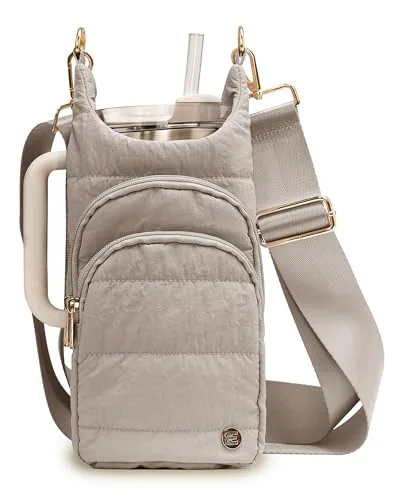
As low as $12
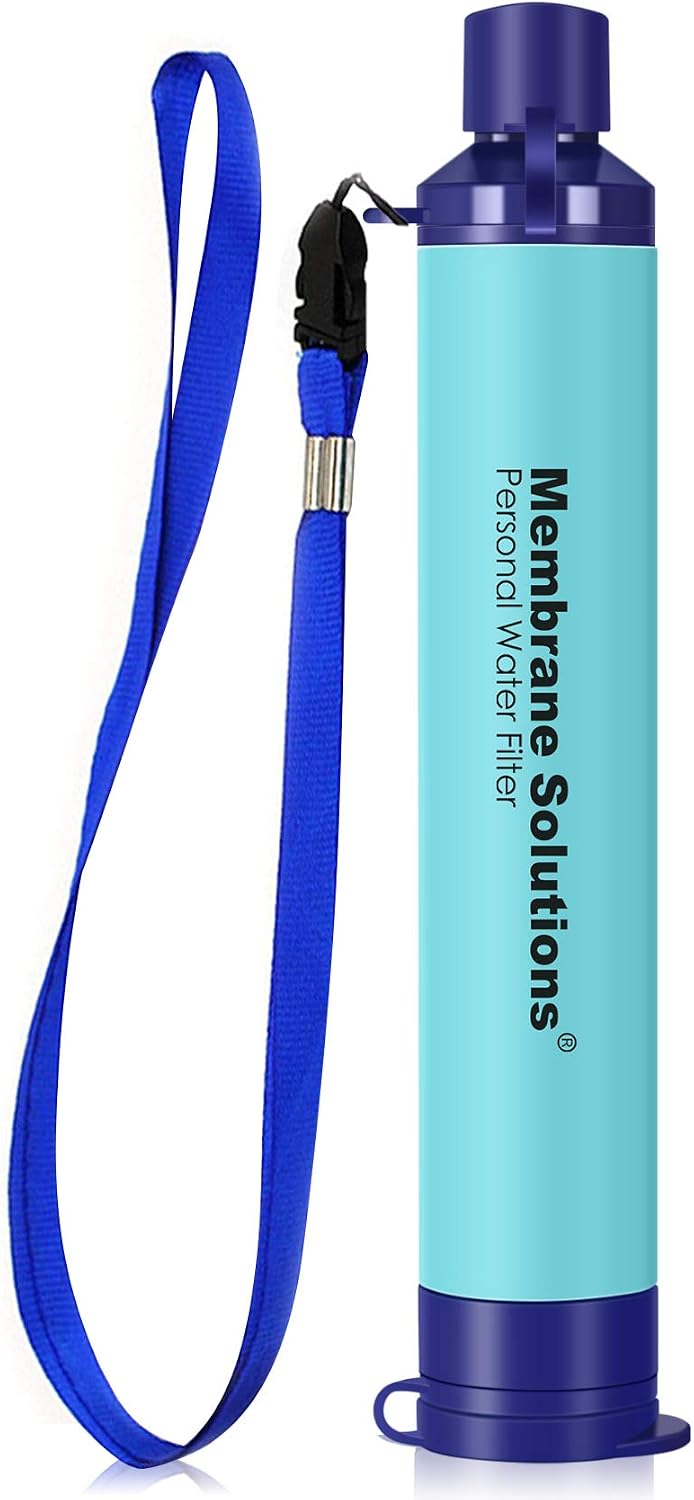
Built for travel, hiking & emergencies - drink safely whether the water is unsafe or just tastes off.
- NSF/ANSI 42, 372 & 401 certified, 0.1 micron filtration
- Filters up to 1,320 gallons - no batteries or pumping
- Ultralight - fits in any bag or pocket
- BPA-free, compatible with standard 28mm bottle threads
Tap water in North Macedonia is generally safe to drink in major cities like Skopje, where water treatment meets European standards. However, water quality can vary significantly in rural areas and smaller towns, where aging infrastructure and occasional contamination issues persist. Travelers are advised to exercise caution outside major urban centers and consider using bottled or filtered water when in doubt.
Quick Reference
| Concern | Our Advice | |
|---|---|---|
| Drink tap water? | ❌ | Use bottled or filtered water |
| Brush teeth? | ✅ | Yes, no concerns |
| Wash fruits / veg? | ✅ | Yes, safe to use tap water |
| Use ice in drinks? | ✅ | Yes, safe in restaurants |
| Shower safely? | ✅ | Yes |
| Filter bottle needed? | ❌ | Strongly recommend a Membrane Solutions Filter Straw for all travelers |
| Common risks | Bacterial contamination in rural areas, Aging infrastructure, Heavy metals from old pipes, Agricultural runoff, Inconsistent chlorination in small systems |

Key Statistics


Affiliate links — we earn a small commission at no extra cost to you.
Water Infrastructure & Supply
North Macedonia's water supply system was largely developed during the Yugoslav era and has seen incremental improvements since independence in 1991. The capital Skopje draws its water primarily from underground wells and the Rasce spring, which provides high-quality groundwater. Most major urban centers have centralized treatment systems, but many rural communities still rely on local springs and smaller distribution networks that may not meet modern standards.
The country's water treatment infrastructure varies considerably by region. Skopje's JP Vodovod utility operates a modern treatment facility with chlorination and filtration, serving over 500,000 residents with 24-hour supply. However, many smaller municipalities lack advanced treatment capabilities, and water distribution networks across the country suffer from significant losses , estimated at around 57% of water produced , due to aging, leaking pipes and unauthorized connections.
Significant EU-funded improvement projects are underway as North Macedonia works toward EU accession. The EU's Instrument for Pre-Accession Assistance (IPA) has directed tens of millions of euros toward upgrading wastewater treatment plants and water supply networks. The government's National Strategy for Water Services (2020-2045) targets full compliance with the EU Water Framework Directive, including building new wastewater treatment plants in Skopje and other major cities, and reducing non-revenue water losses to below 30%.
Contamination & Health Risks
Water quality monitoring by the Institute of Public Health reveals that while Skopje and Ohrid generally meet bacteriological and chemical standards, periodic contamination events occur in smaller municipalities. Studies have detected elevated levels of nitrates and occasionally fecal coliforms in rural water supplies, particularly during heavy rainfall when surface water runoff enters poorly protected sources. Agricultural chemicals and fertilizers from the Pelagonia and Polog valleys can also impact local groundwater.
Industrial pollution presents localized risks, particularly along the Vardar River basin. Historic mining operations near Veles and Kavadarci have left legacies of heavy metal contamination in soil and water sources. While urban drinking water systems typically draw from deeper, protected aquifers, some rural communities near former industrial sites may face elevated levels of lead, zinc, or cadmium in their water.
For travelers, the primary practical risks are gastrointestinal issues from consuming water in areas with inconsistent treatment or old plumbing. While brushing teeth and showering with tap water is safe throughout the country, drinking straight from the tap outside major cities requires caution. Travelers with sensitive stomachs should opt for bottled or filtered water, especially when visiting rural or mountainous areas where water sources may be untested spring-fed systems.
Regional Water Quality Breakdown
Skopje
safeThe capital has the country's best water infrastructure, drawing from the protected Rasce spring and deep underground wells. Water is chlorinated and regularly tested, providing safe drinking water around the clock. Most travelers report no issues drinking tap water here.
Ohrid
safeOhrid benefits from its proximity to Lake Ohrid and high-quality local springs. The municipal water system is well-maintained due to the city's importance as a UNESCO World Heritage tourist destination. Tap water is generally considered safe to drink.
Bitola
cautionAs the second-largest city, Bitola has decent infrastructure but experiences occasional water quality issues due to aging pipes. The water is treated and generally safe, but travelers with sensitive stomachs may prefer bottled water. Infrastructure upgrades are ongoing.
Tetovo & Polog Valley
cautionWater supply in Tetovo and surrounding areas has historically faced quality challenges, including higher turbidity during rainy seasons and inconsistent chlorination in peripheral areas. The Sharr Mountain springs provide good source water, but distribution infrastructure needs improvement.
Veles & Central Vardar Region
avoidThe Veles area carries a legacy of industrial pollution from lead and zinc smelting operations. While the municipal water supply draws from treated sources, concerns about heavy metal contamination persist. Travelers should use bottled water in this region.
Mavrovo & Rural Mountain Areas
cautionMountain villages often rely on untreated spring water, which while typically clean, can be affected by livestock grazing and seasonal runoff. Water quality is not regularly monitored in many remote settlements. Travelers should use bottled or filtered water unless locals confirm the source is safe.
Practical Tips for Travelers
- In Skopje and Ohrid, tap water is generally safe to drink, but a filter bottle provides extra assurance , especially useful if you're traveling onward to smaller towns. Strongly recommend the Membrane Solutions Filter Straw.
- Order bottled water in Macedonian by saying 'Edna voda, ve molam' ( , ) , meaning 'One water, please.' Specify 'so gas' for sparkling or 'bez gas' for still.
- Avoid drinking water from public fountains or rural springs unless locals explicitly confirm the source is tested and safe , many are decorative or untreated.
- If you're visiting during summer (June-August), stay extra hydrated. Carry a 1.5L bottle from the supermarket , refilling at your hotel from safe municipal tap water in major cities saves money.
- Look for the local brands Pelisterka and Gorska in supermarkets , they're affordable, high-quality, and sourced from protected mountain springs in the Pelister and Sharr regions.
- When eating at traditional 'meana' (tavern) restaurants in rural areas, order bottled water rather than accepting tap water, as rural plumbing may be unreliable.
- If staying in older hotels or guesthouses, let the tap run for 30 seconds before drinking or filling bottles , this flushes any standing water from potentially corroded pipes.
- Ice in drinks at restaurants and bars in Skopje, Ohrid, and other tourist centers is made from treated municipal water and is generally safe to consume.
Bottled Water Availability & Cost
Bottled water is widely available throughout North Macedonia at very affordable prices. A 0.5L bottle typically costs 20-40 MKD (about 0.35-0.65) in shops and convenience stores, while a 1.5L bottle ranges from 30-60 MKD (0.50-1.00). Popular local brands include Gorska, Pelisterka, and Kozuvcanka, which are sourced from natural springs. In restaurants and cafes, a 0.5L bottle may cost 50-80 MKD (0.85-1.35). International brands like Evian or San Pellegrino are available in larger supermarkets at premium prices.
For extended stays, buying water in bulk from supermarkets like Vero, Tinex, or Kam is the most economical option , a 6-pack of 1.5L bottles often costs around 120-180 MKD (2.00-3.00). However, travelers concerned about plastic waste should consider investing in a portable filter bottle, which can make tap water safer while reducing environmental impact. North Macedonia faces significant challenges with plastic waste management, so minimizing single-use plastic consumption is a meaningful choice for eco-conscious visitors.
Frequently Asked Questions
Can I brush my teeth with tap water in North Macedonia?
Yes, brushing teeth with tap water is safe throughout North Macedonia, including in smaller towns. The brief contact time and small amount of water ingested poses minimal risk even in areas where drinking the water is not recommended.
Is it safe to shower in North Macedonia's tap water?
Yes, showering with tap water is completely safe everywhere in North Macedonia. The water is chlorinated in all urban systems, and skin contact with tap water poses no health risks. Those with very sensitive skin may notice slight chlorine levels but this is normal.
Is ice in drinks safe in North Macedonia?
In restaurants and bars in major cities like Skopje, Ohrid, and Bitola, ice is made from treated municipal water and is safe. In very remote rural establishments, you may want to request drinks without ice as a precaution, but this is rarely necessary at tourist-oriented venues.
Do restaurants in North Macedonia serve tap water?
Most restaurants in North Macedonia will serve bottled water by default. Free tap water is not a common restaurant practice, though some modern cafes in Skopje may offer it upon request. A bottle of water in a restaurant typically costs 50-80 MKD (under 1.50).
How much does bottled water cost in North Macedonia?
Bottled water is very affordable. Expect to pay 20-40 MKD (0.35-0.65) for a 0.5L bottle in shops, and 30-60 MKD (0.50-1.00) for 1.5L. Restaurant prices are slightly higher at 50-80 MKD for 0.5L. Buying multipacks at supermarkets is the cheapest option.
Can I drink tap water in Ohrid?
Yes, Ohrid has good quality tap water sourced from local springs and Lake Ohrid's vicinity. The municipal system is well-maintained given the city's status as a major tourist destination. Most locals and long-term visitors drink the tap water without issues.
Is it safe to drink water from mountain springs in North Macedonia?
While many mountain springs in North Macedonia provide excellent water, you should exercise caution. Some springs are tested and maintained by local authorities, often marked with signs, while others are untested. Ask locals or guides about specific springs before drinking , contamination from livestock or seasonal runoff is possible.
Why is tap water in Skopje considered safe but the country is rated 'unsafe' overall?
The 'unsafe' rating reflects the overall traveler experience across the entire country. While Skopje and Ohrid have reliable, well-treated water, many smaller towns and rural areas have inconsistent water quality due to aging infrastructure, insufficient treatment, and unmonitored sources. Since travelers often explore beyond major cities, we recommend caution with a filter bottle as a practical precaution.
Traveling Nearby?
Check tap water safety in neighboring countries:
Albania Bulgaria Greece Kosovo SerbiaInteresting Product Reviews
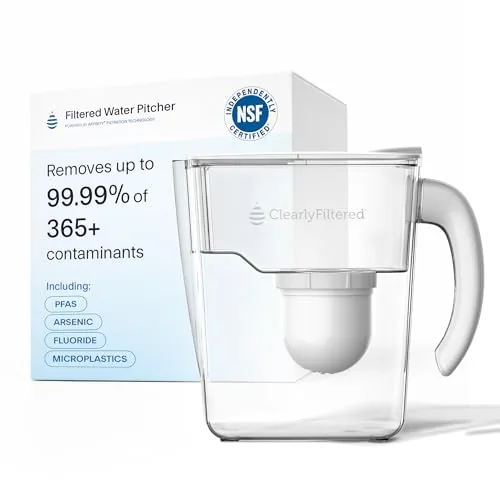
8 Best Water Filters For Microplastics (2026 Review Guide)
Jul 31, 2026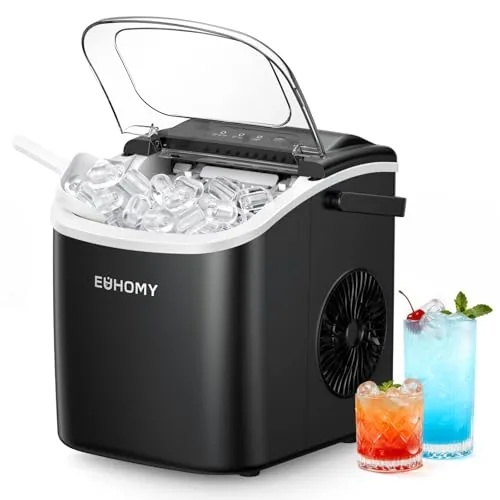
8 Best Countertop Ice Makers (2026 Review Guide)
Aug 10, 2026
7 Best Water Filters For Well Water (2026 Review Guide)
Jul 25, 2026
7 Best Water Filters For Nitrates (2026 Review Guide)
Jul 30, 2026
6 Best Tds Meters (2026 Review Guide)
Aug 3, 2026