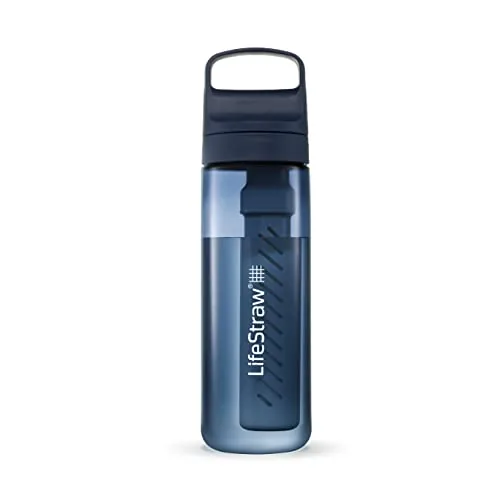
As low as $12
Built for travel, hiking & emergencies - drink safely whether the water is unsafe or just tastes off.
- NSF/ANSI 42, 372 & 401 certified, 0.1 micron filtration
- Filters up to 1,320 gallons - no batteries or pumping
- Ultralight - fits in any bag or pocket
- BPA-free, compatible with standard 28mm bottle threads
Tap water in Palestine (the West Bank and Gaza Strip) is generally not safe for travelers to drink. Water infrastructure faces severe challenges due to limited resources, ongoing conflict, and deteriorating supply networks. Travelers should rely on bottled or filtered water throughout their visit.
Quick Reference
| Concern | Our Advice | |
|---|---|---|
| Drink tap water? | ❌ | Use bottled or filtered water |
| Brush teeth? | ❌ | Use bottled or filtered water |
| Wash fruits / veg? | ❌ | Wash with filtered or bottled water |
| Use ice in drinks? | ❌ | Avoid unless confirmed purified |
| Shower safely? | ✅ | Yes |
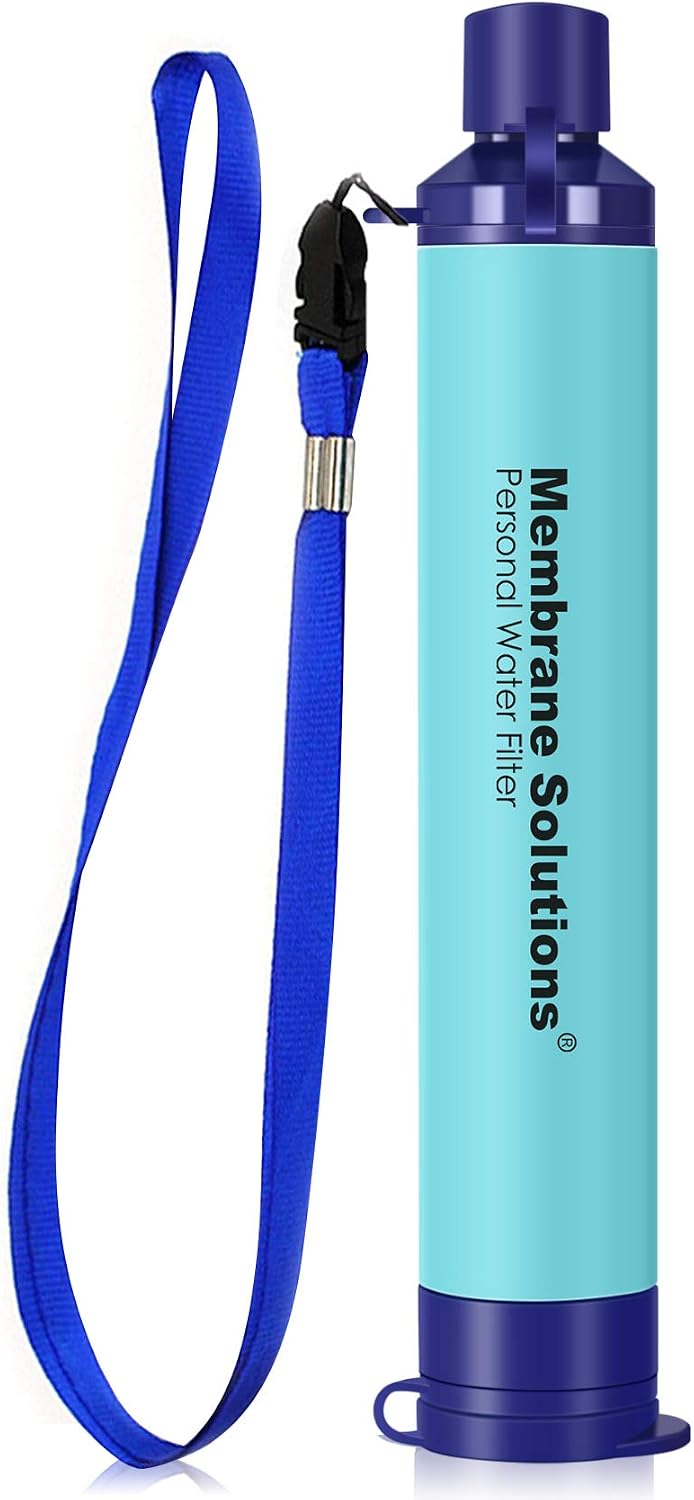
| Filter bottle needed? | ❌ | Strongly recommend a Membrane Solutions Filter Straw for all travelers |
| Common risks | Bacterial contamination, High salinity, Nitrate contamination, Sewage infiltration, Heavy metals, Chlorination byproducts, Water-borne parasites |

Key Statistics


Affiliate links — we earn a small commission at no extra cost to you.
Water Infrastructure & Supply
Palestine's water infrastructure has been shaped by decades of conflict, limited sovereignty over natural water resources, and chronic underinvestment. The Palestinian Water Authority (PWA) manages water supply, but access to shared aquifers and the Jordan River is heavily restricted. The West Bank relies on a combination of groundwater wells, springs, purchased water from the Israeli national water company Mekorot, and limited desalination, while Gaza has been almost entirely dependent on the heavily overexploited Coastal Aquifer.
In the West Bank, piped water networks reach most urban areas, though supply is intermittent, many communities receive water only a few days per week, especially in summer. Storage tanks on rooftops are ubiquitous, but prolonged storage can degrade water quality. In Gaza, the Coastal Aquifer has been severely depleted and contaminated by seawater intrusion and sewage infiltration, rendering over 95% of its water unfit for drinking by WHO standards. Desalination plants have been built with international aid, but capacity remains far below demand.
International organizations including UNICEF, UNRWA, and the World Bank have invested in water treatment plants, desalination facilities, and network rehabilitation projects. A major EU-funded desalination plant in central Gaza was designed to improve water access, though ongoing conflict has repeatedly damaged infrastructure. Emergency water trucking and community-level reverse osmosis units supplement the system, but sustainable, safe water supply remains a critical humanitarian challenge.
Contamination & Health Risks
The primary health risks from tap water in Palestine vary significantly between the West Bank and Gaza. In Gaza, extremely high levels of nitrates (often exceeding 300 mg/L against a WHO guideline of 50 mg/L), chloride, and fecal coliform bacteria make untreated tap water dangerous. Long-term exposure to nitrate-contaminated water has been linked to methemoglobinemia (blue baby syndrome) in infants and other health concerns. In the West Bank, water quality is generally better but still inconsistent, with risks of bacterial contamination during storage and distribution.
Sewage contamination is a major concern in both territories. In Gaza, damaged sewage infrastructure has led to raw or partially treated sewage mixing with groundwater and even entering the water supply network. In parts of the West Bank, particularly in Area C and rural communities, aging pipes and inadequate treatment facilities allow contaminants to enter the distribution system. Agricultural runoff containing pesticides and fertilizers also affects groundwater quality in agricultural zones such as the Jordan Valley.
For travelers, the practical risks include gastrointestinal illness from bacterial or parasitic contamination, particularly E. coli, Giardia, and Cryptosporidium. Even in hotels and restaurants in Ramallah or Bethlehem, tap water may have been stored in rooftop tanks where quality can deteriorate. Travelers should avoid drinking tap water, using it to brush teeth, or consuming ice made from tap water. Showering is generally safe as long as water is not ingested.
Regional Water Quality Breakdown
Ramallah
cautionAs the de facto administrative capital, Ramallah has relatively better water infrastructure than most Palestinian areas. However, intermittent supply and rooftop tank storage mean water quality can degrade. Travelers should still use bottled or filtered water for drinking.
Bethlehem
cautionBethlehem receives piped water but faces supply interruptions, especially in summer months. Water quality in hotels catering to pilgrims and tourists is generally monitored, but tap water should not be consumed directly. Bottled water is readily available near all major religious sites.
Hebron
cautionHebron's water supply suffers from intermittent delivery and aging infrastructure. Some neighborhoods experience prolonged water cuts, and storage conditions vary widely. Travelers should stick exclusively to bottled or filtered water.
Jericho & Jordan Valley
cautionJericho benefits from natural spring water sources including Ein Sultan, and water quality is somewhat better than other areas. However, agricultural runoff and limited treatment infrastructure still pose risks. Bottled water is recommended for travelers.
Nablus
cautionNablus has an established water network but faces challenges with intermittent supply and contamination risks from aging pipes. The city's old quarter is particularly affected by infrastructure limitations. Travelers should avoid drinking tap water.
Gaza Strip
avoidGaza's water situation is a humanitarian crisis. Over 95% of the Coastal Aquifer water does not meet WHO drinking water standards due to extreme salinity, nitrate contamination, and sewage infiltration. Even locally desalinated water sold in small shops may not be reliably safe. Travel to Gaza is extremely restricted and inadvisable for most travelers.
Practical Tips for Travelers
- Always drink bottled or filtered water , tap water throughout Palestine is not safe for travelers to drink directly.
- Bring a reliable filter bottle with microfiltration capability (such as LifeStraw or Grayl) as a backup, especially if traveling to rural areas. Strongly recommend the Membrane Solutions Filter Straw.
- In Arabic, you can ask for bottled water by saying 'Miyye ma'daniyye, min fadlak' ( ) meaning 'Mineral water, please.'
- Avoid ice in drinks unless you are confident it was made from purified or bottled water , many restaurants and cafs use tap water for ice.
- Use bottled water to brush your teeth, especially in areas with intermittent water supply where storage tanks may harbor bacteria.
- Peel fruits and vegetables or wash them thoroughly with bottled or purified water before eating, particularly in markets and street food settings.
- If purchasing large water jugs from local delivery services, look for sealed caps and reputable brands , ask your hotel or host for a recommendation.
- During summer months (June-September), water supply becomes more intermittent and storage tank water quality declines , be extra cautious and stock up on bottled water.
Bottled Water Availability & Cost
Bottled water is widely available throughout Palestine and is the primary source of drinking water for most residents and all travelers. Local brands such as Al-Arz, Jabal Al-Nar, and Ein Sultan are commonly found in shops, supermarkets, and restaurants. A 1.5-liter bottle typically costs 2-4 NIS (approximately $0.55-$1.10 USD), while a 500ml bottle is around 1-2 NIS ($0.28-$0.55 USD). In tourist areas like Bethlehem's Manger Square or Jericho, prices may be slightly higher.
Buying water in bulk (packs of 6 or 12 bottles) from supermarkets is the most economical option and can cost as little as 10-15 NIS for a six-pack of 1.5-liter bottles. Many locals also purchase 19-liter refillable jugs from water delivery services at around 5-10 NIS each. Travelers concerned about plastic waste should consider bringing a reliable filter bottle with a microfiltration or reverse osmosis system, which can make local tap water safe for drinking while significantly reducing plastic consumption during their stay.
Frequently Asked Questions
Can I brush my teeth with tap water in Palestine?
It is not recommended to brush your teeth with tap water in Palestine. Water quality is inconsistent due to intermittent supply, rooftop tank storage, and potential contamination. Use bottled or filtered water for brushing teeth to avoid gastrointestinal issues.
Is it safe to shower in tap water in Palestine?
Yes, showering with tap water is generally safe throughout Palestine as long as you avoid swallowing the water. If you have sensitive skin or open wounds, you may want to be cautious, but external contact during bathing poses minimal health risk.
Can I drink ice in restaurants in Ramallah or Bethlehem?
It's best to avoid ice in drinks unless the restaurant confirms it is made from purified or bottled water. Many establishments use tap water for ice, which may contain bacteria or contaminants. Higher-end hotels and restaurants catering to international visitors are more likely to use purified water for ice.
Is restaurant water safe to drink in Palestine?
Most restaurants in tourist areas will serve bottled water, which is safe. If you are offered water from a jug or tap, politely decline and request a sealed bottle instead. Street food vendors typically do not offer purified water, so carry your own.
How much does bottled water cost in Palestine?
Bottled water is affordable in Palestine. A 1.5-liter bottle costs approximately 2-4 NIS ($0.55-$1.10 USD), and a 500ml bottle is around 1-2 NIS ($0.28-$0.55 USD). Buying in bulk from supermarkets is the most economical option.
Why is Gaza's water so much worse than the West Bank's?
Gaza relies almost entirely on the Coastal Aquifer, which has been severely overexploited, leading to seawater intrusion that raises salinity and chloride levels. Also, inadequate sewage treatment has caused nitrate and bacterial contamination. Over 95% of Gaza's groundwater fails to meet WHO drinking water standards, compared to a significantly better (though still imperfect) situation in the West Bank.
Should I bring a water filter bottle when traveling to Palestine?
Yes, a water filter bottle is strongly recommended. A quality filter bottle with microfiltration (like LifeStraw or Grayl) can remove bacteria, parasites, and some chemical contaminants from tap water. This is especially useful in rural areas or during day trips where bottled water might not be readily available.
Is the water in Palestinian hotels safe to drink?
Even in well-maintained hotels in Ramallah or Bethlehem, tap water should not be consumed directly. Hotels typically provide complimentary bottled water or have water coolers with filtered water in common areas. Always ask the front desk about safe drinking water options upon check-in.
Interesting Product Reviews
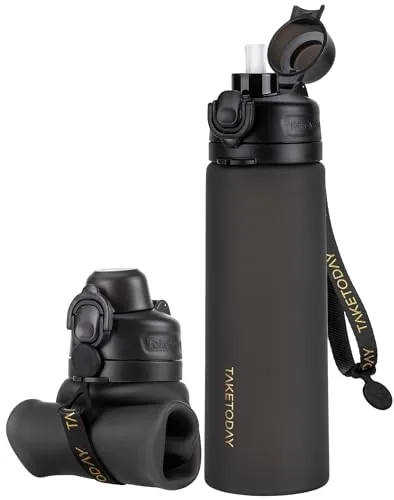
8 Best Collapsible Water Bottles For Travel (2026 Review Guide)
Jul 14, 2026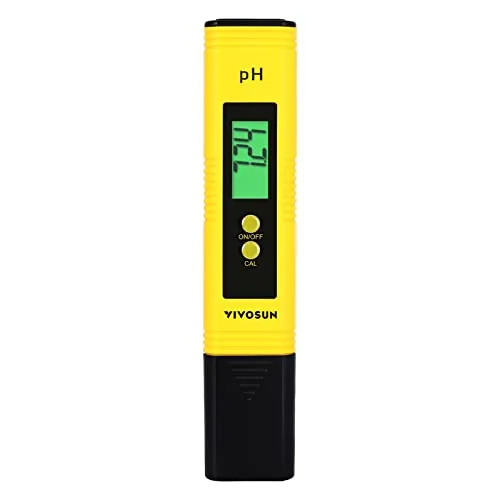
6 Best Ph Testers (2026 Review Guide)
Aug 16, 2026
9 Best Pfas Test Kits (2026 Review Guide)
Aug 16, 2026
9 Best Reverse Osmosis Systems (2026 Review Guide)
Jul 16, 2026
8 Best Towel Warmers (2026 Review Guide)
Aug 21, 2026