As low as $12
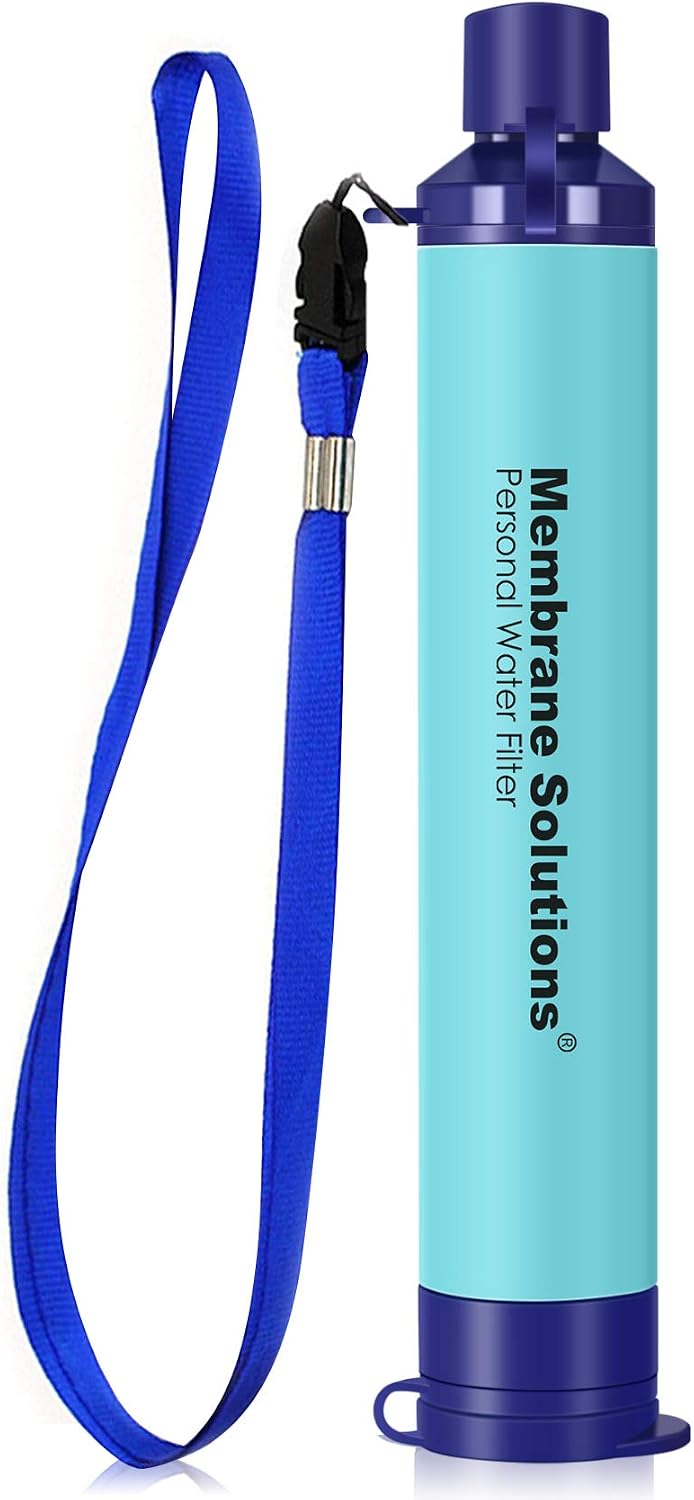
Built for travel, hiking & emergencies - drink safely whether the water is unsafe or just tastes off.
- NSF/ANSI 42, 372 & 401 certified, 0.1 micron filtration
- Filters up to 1,320 gallons - no batteries or pumping
- Ultralight - fits in any bag or pocket
- BPA-free, compatible with standard 28mm bottle threads
Tap water in Armenia's capital Yerevan is generally considered safe to drink, sourced from natural springs and deep aquifers. However, water quality can vary significantly in rural areas and smaller towns, where aging infrastructure and contamination risks make caution advisable. Travelers outside major cities should consider using bottled or filtered water.
Quick Reference
| Concern | Our Advice | |
|---|---|---|
| Drink tap water? | ❌ | Use bottled or filtered water |
| Brush teeth? | ✅ | Yes, no concerns |
| Wash fruits / veg? | ✅ | Yes, safe to use tap water |
| Use ice in drinks? | ✅ | Yes, safe in restaurants |
| Shower safely? | ✅ | Yes |
| Filter bottle needed? | ❌ | Strongly recommend a Membrane Solutions Filter Straw for all travelers |
| Common risks | Aging infrastructure, Bacterial contamination in rural areas, Heavy metals from old pipes, Seasonal turbidity, Agricultural runoff |

Key Statistics


Affiliate links — we earn a small commission at no extra cost to you.
Water Infrastructure & Supply
Armenia benefits from abundant freshwater resources, including Lake Sevan, one of the largest high-altitude lakes in the world, and numerous underground springs. Yerevan's water supply largely comes from artesian wells and the Aparan and Azat reservoirs, providing relatively clean source water. The country's modern water infrastructure was largely built during the Soviet era, and many systems date back to the mid-20th century.
Since independence in 1991, Armenia has struggled with deteriorating water infrastructure, intermittent supply, and extremely high water losses estimated at around 80% of treated water. The national water utility, Veolia Djur (a private operator managing Yerevan and surrounding areas since 2017), has made significant improvements in the capital, increasing supply hours and reducing losses. Rural areas, however, are served by smaller community-operated systems that often lack adequate treatment and monitoring.
Major investment projects funded by the World Bank, Asian Development Bank, and KfW have targeted pipeline rehabilitation, new treatment plants, and expansion of metering. The government's Water Sector Reform Program aims to achieve 24-hour water supply in urban areas and improve rural water quality. Despite progress, significant gaps remain, particularly in wastewater treatment, only about 30% of wastewater is treated before being discharged into rivers.
Contamination & Health Risks
In Yerevan and other major cities, tap water quality is generally acceptable for healthy adults, as the water is sourced from deep aquifers and springs with natural filtration. However, aging distribution pipes, some over 50 years old, can introduce heavy metals, sediment, and occasional bacterial contamination, especially after maintenance or pressure drops. Seasonal fluctuations in spring and summer can increase turbidity in surface water sources.
In rural areas and smaller towns, contamination risks are more significant. Agricultural runoff containing nitrates and pesticides can affect shallow wells and unprotected springs. Some communities rely on systems with inadequate or no chlorination, increasing the risk of waterborne pathogens such as Giardia and E. coli. The UNECE Environmental Performance Review for Armenia has flagged concerns about untreated wastewater discharging into rivers that serve as downstream water sources.
For travelers, the primary health risks include gastrointestinal illness from consuming untreated water in rural areas and exposure to elevated mineral content or sediment in older buildings. Visitors with sensitive stomachs may experience mild discomfort even in Yerevan when adjusting to the local mineral profile. Using a filter bottle provides an extra layer of protection, especially when traveling outside the capital.
Regional Water Quality Breakdown
Yerevan
safeYerevan's tap water is sourced from deep artesian wells and mountain reservoirs, and is managed by Veolia Djur with regular monitoring. Most residents and expats drink it without issues, though old buildings with corroded pipes may warrant using a filter.
Dilijan
safeKnown as 'Armenia's Switzerland,' Dilijan has clean mountain spring water. The local water supply is generally safe, and the town is famous for its mineral springs that visitors can sample directly.
Gyumri
cautionArmenia's second-largest city has improved water supply in recent years, but infrastructure damage from the 1988 earthquake was never fully repaired. Water supply can be intermittent, and some neighborhoods have aging pipes that may affect quality.
Lake Sevan area
cautionTowns around Lake Sevan rely on a mix of spring water and municipal systems of varying quality. Tourist areas generally have acceptable water, but smaller villages may have untreated or undertreated supplies. Bottled water is recommended.
Jermuk
safeThis spa town is famous for its naturally hot mineral springs and clean water. The local tap water comes from high-quality mountain sources and is considered among the best in the country.
Southern Armenia (Syunik, Meghri)
cautionRural communities in southern Armenia often have limited water treatment infrastructure. Some areas rely on small spring-fed systems without consistent chlorination. Travelers should stick to bottled or filtered water in smaller settlements.
Practical Tips for Travelers
- Carry a filter straw (e.g., Membrane Solutions) — it removes bacteria, parasites, and microplastics from any tap or stream. Strongly recommend the Membrane Solutions Filter Straw.
- In Yerevan, tap water from the city's iconic 'pulpulak' () drinking fountains is safe and refreshing, locals drink from them daily, and they're fed by the same artesian sources as the city supply.
- Carry a filtered water bottle (such as LifeStraw or Grayl) when traveling outside Yerevan, especially in rural areas where water treatment may be inconsistent.
- To ask for water in Armenian, say 'Jur, khndrem' (, delays) meaning 'Water, please.' For bottled water specifically, ask for 'Shshayi jur' (delays delays).
- When staying in older hotels or guesthouses, let the tap run for 30 seconds before drinking to flush any sediment from aging pipes.
- Armenia's mineral water brands like Jermuk and Bjni are excellent and affordable, try them as a safe and tasty alternative to plain tap water.
- Avoid drinking directly from rivers or streams even in mountainous areas, as untreated wastewater and agricultural runoff may contaminate surface water upstream.
- In restaurants in Yerevan, ice is generally made from tap water and is safe. In rural areas, it's better to skip the ice if you're uncertain about the local water source.
- If you experience stomach discomfort, it may be due to the high mineral content of Armenian water rather than contamination, try switching between mineral and regular water to see what suits you best.
Bottled Water Availability & Cost
Bottled water is widely available throughout Armenia in supermarkets, convenience stores, restaurants, and street kiosks. Popular local brands include Jermuk, Bjni, Dilijan, and Ararat, with prices typically ranging from 150, 300 AMD (about $0.35, $0.75 USD) for a 0.5-liter bottle and 300, 500 AMD ($0.75, $1.25 USD) for 1.5 liters. International brands are also available at a premium. In restaurants, a bottle of water usually costs 400, 800 AMD ($1.00, $2.00 USD).
For longer stays, buying water in bulk (5-liter jugs for around 500, 800 AMD) from supermarkets like SAS or Yerevan City is the most economical option. Jermuk mineral water is especially popular and comes from a renowned volcanic spring. Travelers concerned about plastic waste can carry a reusable bottle with a filter, which is increasingly practical given the availability of refill stations in Yerevan and the generally good source water quality in urban areas.
Frequently Asked Questions
Can I brush my teeth with tap water in Armenia?
Yes, brushing your teeth with tap water is generally safe throughout Armenia, including in rural areas. The brief exposure from tooth brushing poses minimal risk even where drinking water quality is less certain.
Is it safe to shower in Armenian tap water?
Absolutely. Showering with tap water is safe everywhere in Armenia. The water will not cause skin irritation or health issues from external contact. Just avoid swallowing water in areas where tap water quality is questionable.
Can I drink ice in drinks at restaurants in Yerevan?
Yes, ice in Yerevan restaurants is safe to consume. It is typically made from the city's tap water supply, which comes from deep artesian wells and meets quality standards. Outside of Yerevan, exercise more caution.
Is restaurant tap water safe to drink in Armenia?
In Yerevan, many restaurants will serve tap water that is perfectly safe. Some may serve filtered water. Outside the capital, it's safer to request bottled water ('shshayi jur'). Restaurants in tourist areas typically offer bottled water by default.
How much does bottled water cost in Armenia?
A 0.5-liter bottle costs about 150, 300 AMD ($0.35, $0.75 USD) in shops, while a 1.5-liter bottle runs 300, 500 AMD ($0.75, $1.25). Restaurant prices are higher, typically 400, 800 AMD per bottle. Five-liter jugs from supermarkets are the best value at around 500, 800 AMD.
What are the 'pulpulak' fountains in Yerevan?
Pulpulaks are small public drinking fountains found throughout Yerevan, numbering over 1,500. They continuously flow with fresh artesian water and are a beloved part of Armenian culture. The water is safe to drink and is often naturally cold and refreshing.
Is tap water safe to drink in rural Armenia?
Not always. Rural communities may have limited water treatment and aging infrastructure. While many villages have clean spring-fed systems, others lack proper chlorination or monitoring. It's best to use bottled or filtered water when traveling in rural areas.
Does Armenia add chlorine to its tap water?
In major cities like Yerevan, tap water is chlorinated as part of standard treatment. However, the chlorine levels are generally low because much of the water comes from naturally clean artesian sources. In rural areas, chlorination practices may be inconsistent or absent.
Interesting Product Reviews
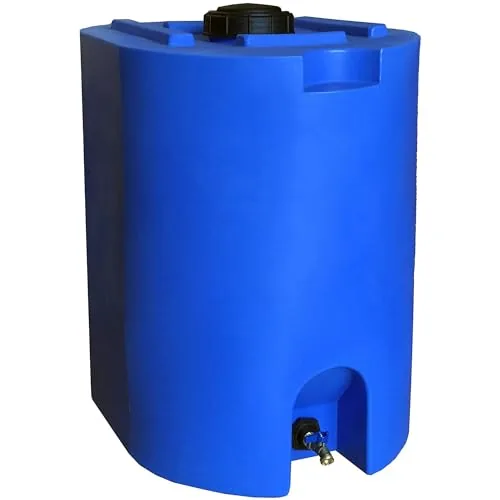
7 Best Emergency Water Storage Tanks (2026 Review Guide)
Aug 21, 2026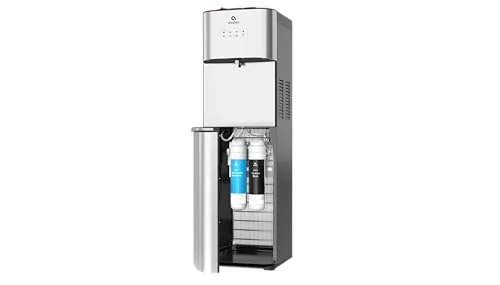
6 Best Bottleless Water Coolers (2026 Review Guide)
Aug 10, 2026
9 Best Waterproof Shoes For Travel (2026 Review Guide)
Aug 24, 2026
7 Best Water Quality Monitors (2026 Review Guide)
Aug 16, 2026
6 Best Water Filters For Boats And Sailing (2026 Review Guide)
Jul 28, 2026