As low as $12
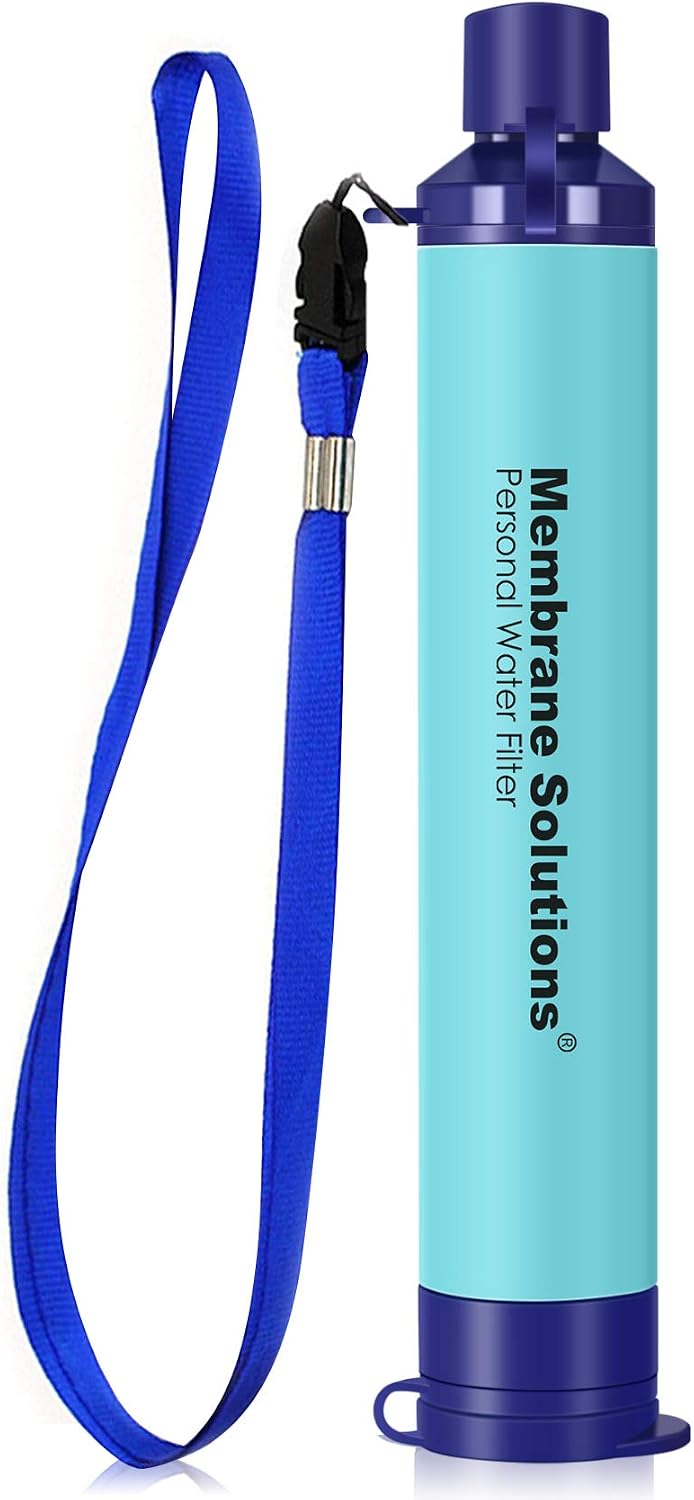
Built for travel, hiking & emergencies - drink safely whether the water is unsafe or just tastes off.
- NSF/ANSI 42, 372 & 401 certified, 0.1 micron filtration
- Filters up to 1,320 gallons - no batteries or pumping
- Ultralight - fits in any bag or pocket
- BPA-free, compatible with standard 28mm bottle threads
Tap water in the Philippines is generally not considered safe for travelers to drink directly from the faucet. While major water concessionaires in Metro Manila treat water to potable standards, aging infrastructure, pipe leaks, and inconsistent quality in provincial areas mean that most visitors should rely on bottled or purified water. Boiling or filtering tap water remains the standard practice even among many Filipino households.
Quick Reference
| Concern | Our Advice | |
|---|---|---|
| Drink tap water? | ❌ | Use bottled or filtered water |
| Brush teeth? | ❌ | Use bottled or filtered water |
| Wash fruits / veg? | ❌ | Wash with filtered or bottled water |
| Use ice in drinks? | ❌ | Avoid unless confirmed purified |
| Shower safely? | ✅ | Yes |
| Filter bottle needed? | ❌ | Strongly recommend a Membrane Solutions Filter Straw for all travelers |
| Common risks | Bacterial contamination (E. coli, coliform), Waterborne parasites, Heavy metals from old pipes, Sediment and turbidity, Chlorine byproducts, Viral pathogens |

Key Statistics


Affiliate links — we earn a small commission at no extra cost to you.
Water Infrastructure & Supply
The Philippines' water supply system has evolved significantly since the establishment of the Metropolitan Waterworks and Sewerage System (MWSS) in 1878 during the Spanish colonial era. In 1997, the government privatized Metro Manila's water services, splitting them between Manila Water Company (East Zone) and Maynilad Water Services (West Zone). Outside Metro Manila, water districts, local government units, and rural water supply systems serve the population, but coverage and quality vary enormously.
Manila Water and Maynilad draw primarily from the Angat Dam in Bulacan province, which supplies roughly 97% of Metro Manila's raw water. Treatment involves conventional processes including coagulation, sedimentation, rapid sand filtration, and chlorine disinfection. However, the distribution network includes aging pipes, some over 50 years old, which can recontaminate treated water through leaks, cross-connections, and biofilm buildup. Non-revenue water losses remain significant at around 35% nationally, indicating widespread infrastructure deterioration.
The Philippine government, with support from the Asian Development Bank and World Bank, has invested in improving water infrastructure through programs like the Philippine Water Supply and Sanitation Master Plan. Major projects include the Kaliwa Dam (New Centennial Water Source) to diversify Metro Manila's supply, rehabilitation of provincial water districts, and expansion of sewerage coverage. The Clean Water Act of 2004 (RA 9275) and the Philippine Drinking Water Standards enforced by the Department of Health set regulatory frameworks, though enforcement remains inconsistent outside urban centers.
Contamination & Health Risks
The primary health risk from Philippine tap water is microbiological contamination. Studies by the Department of Health and local water quality monitoring agencies regularly detect coliform bacteria, including E. coli, in tap water samples, particularly in areas served by older distribution systems or community-level water systems. Parasites such as Giardia and Cryptosporidium have also been identified in some water sources, especially those drawing from surface water in agricultural regions where runoff carries animal waste.
Industrial and agricultural pollution poses additional concerns. Mining operations in regions like the Cordillera and Caraga have introduced heavy metals including mercury, lead, and cadmium into waterways. Agricultural runoff contributes pesticides and nitrates, while informal settlements along rivers and coastlines produce untreated sewage that contaminates groundwater. Metro Manila's Pasig River and Laguna Lake, both major water bodies, have long struggled with severe pollution despite ongoing rehabilitation efforts.
For travelers, the most common waterborne illness risk is acute gastroenteritis, commonly known as traveler's diarrhea. Hepatitis A and typhoid fever are also transmitted through contaminated water and remain endemic in the Philippines. Even in upscale hotels and restaurants in Manila or Cebu, ice may be made from purified water, but this is not guaranteed, particularly at street food stalls and smaller establishments. Travelers with compromised immune systems should exercise extra caution.
Regional Water Quality Breakdown
Metro Manila (Makati, BGC, Quezon City)
cautionWater treatment by Manila Water and Maynilad meets Philippine drinking water standards at the plant level. However, aging distribution pipes can reintroduce contaminants, so drinking directly from the tap is not recommended for travelers. Most hotels and restaurants use purified or filtered water.
Cebu City & Mactan Island
cautionCebu's water supply relies heavily on groundwater, which faces increasing salinity intrusion and contamination risks. The Metropolitan Cebu Water District treats water, but quality at the tap varies by neighborhood. Travelers should stick to bottled or purified water.
Boracay Island
cautionAfter a major rehabilitation in 2018 that temporarily closed the island, water and sewage infrastructure improved significantly. However, the small island's limited freshwater resources and high tourist volume mean tap water quality remains inconsistent. Bottled water is the standard for drinking.
Palawan (El Nido, Puerto Princesa, Coron)
avoidPalawan's remote island geography means water infrastructure is underdeveloped in many tourist areas. El Nido and Coron rely on limited groundwater sources and small-scale treatment systems. Water quality is unreliable, and travelers should rely exclusively on sealed bottled or purified water.
Siargao Island
avoidAs a rapidly developing surf destination, Siargao's water infrastructure has not kept pace with tourism growth. Most areas lack centralized water treatment, and locals typically rely on water refilling stations. Tap water should not be consumed, and even showering with mouth closed is advisable.
Baguio & Cordillera Region
cautionBaguio City generally has better water quality than lowland areas, drawing from mountain springs and watersheds. However, mining activities in the broader Cordillera region have raised concerns about heavy metal contamination in some water sources. Filtered or bottled water is recommended.
Practical Tips for Travelers
- Always drink sealed bottled water or water from a verified purification system. Look for unbroken seals on bottles, as refilled bottles are occasionally sold.
- Carry a portable water filter bottle (such as Grayl GeoPress or LifeStraw Go) , this is invaluable for island-hopping and rural travel where bottled water may be scarce or overpriced. Strongly recommend the Membrane Solutions Filter Straw.
- At restaurants, ask for purified water by saying 'Purified water po' or 'May tubig po kayo na purified?' (Do you have purified water?). In Tagalog, water is 'tubig' (too-big).
- Be cautious with ice in drinks, especially at street food stalls and small eateries. Commercially produced ice (tubular or cylindrical with a hole in the center) is generally made from purified water, while irregularly shaped crushed ice may not be.
- Use bottled or purified water when brushing your teeth, especially in provincial areas and island destinations where water treatment is less reliable.
- When buying from water refilling stations for longer stays, choose those that display their Department of Health permit and use reverse osmosis plus UV sterilization , look for signs saying 'RO-UV Purified.'
- Avoid swallowing water while swimming in freshwater rivers, lakes, or waterfalls , leptospirosis is a real risk in the Philippines, particularly during and after the rainy season (June, November).
- Wash fruits and vegetables with purified water before eating them raw. Many local markets sell produce that may have been washed or irrigated with untreated water.
Bottled Water Availability & Cost
Bottled water is widely available throughout the Philippines, from convenience stores (7-Eleven, Ministop) to sari-sari stores in remote villages. Major brands include Absolute Pure, Nature's Spring, Summit, and Viva. A 500ml bottle typically costs 15, 25 (approximately $0.25, $0.45 USD), while a 1-liter bottle ranges from 25, 40. In tourist-heavy areas like Boracay, El Nido, and Siargao, prices may be slightly higher at 30, 50 for 500ml.
For longer stays, buying 5-gallon (roughly 19-liter) refillable jugs from local water refilling stations is extremely economical, costing only 25, 50 per refill ($0.45, $0.90 USD). Water refilling stations are ubiquitous across the country, using reverse osmosis, UV treatment, or both. Travelers staying in Airbnbs or guesthouses often use this system. To reduce plastic waste, consider carrying a reusable bottle with a built-in filter (such as LifeStraw or Grayl) and refilling from purified sources, this is both cost-effective and environmentally responsible given the Philippines' significant plastic pollution challenges.
Frequently Asked Questions
Can I brush my teeth with tap water in the Philippines?
It's best to use bottled or purified water for brushing teeth, especially outside Metro Manila. While a small amount of tap water exposure during brushing is unlikely to cause serious illness in most healthy adults, the risk of bacterial contamination makes purified water the safer choice, particularly for those with sensitive stomachs or during extended stays.
Is it safe to shower in Philippine tap water?
Yes, showering with tap water is generally safe throughout the Philippines. The risk comes from ingesting the water, not from skin contact. Try to avoid swallowing water while showering, and if you have open wounds or cuts, you may want to exercise extra caution in areas with notably poor water quality.
Is ice safe in Filipino restaurants and bars?
In upscale restaurants, hotels, and established bars in major cities, ice is typically made from purified water and is generally safe. Look for tubular or hollow cylindrical ice, which indicates commercial production using purified water. At street food stalls, small carinderia (local eateries), and in rural areas, ice quality is less certain , it's safer to request drinks without ice or drink from sealed bottles.
Do hotels in the Philippines provide safe drinking water?
Most mid-range and upscale hotels provide complimentary bottled water in rooms and use purified water in their restaurants and kitchens. Budget hostels and guesthouses may not always provide this, so it's wise to confirm at check-in. Many accommodations also have water dispensers in common areas for refilling your own bottle.
How much does bottled water cost in the Philippines?
Bottled water is very affordable. A 500ml bottle costs 15, 30 ($0.25, $0.55 USD) at convenience stores, while a 1.5-liter bottle costs 35, 60. In tourist areas like Boracay or El Nido, prices may be 20, 50% higher. For the best value, buy 5-gallon refillable jugs from water refilling stations for around 25, 50.
What is a water refilling station in the Philippines?
Water refilling stations are small businesses found in virtually every neighborhood across the Philippines. They purify water using reverse osmosis, UV sterilization, or both, and sell it by the 5-gallon container for 25, 50. They are heavily regulated by the Department of Health and are the primary source of drinking water for most Filipino families. Travelers on longer stays can use them by purchasing a reusable 5-gallon jug.
Can I drink tap water in Manila if I'm staying in a luxury hotel?
Even in luxury hotels in Manila, it's advisable not to drink directly from the bathroom tap. While the water treatment plants produce potable water, the distribution system's aging pipes can introduce contaminants. Luxury hotels provide bottled water and use their own filtration systems for drinking water and food preparation. Stick to the provided bottled water or the hotel's filtered water dispensers.
Is it safe to eat street food in the Philippines?
Street food is a beloved part of Filipino culture and generally safe when purchased from busy vendors with high turnover. However, be cautious about items washed in tap water (like fresh salads or fruit cups) and about ice in drinks. Cooked-to-order items like grilled skewers (isaw, barbecue), fried items (kwek-kwek, fish balls), and hot soups are safer choices since cooking kills most pathogens.
Traveling Nearby?
Check tap water safety in neighboring countries:
Myanmar Nepal Saudi Arabia North KoreaInteresting Product Reviews
6 Best Refrigerator Water Dispensers (2026 Review Guide)
Aug 13, 2026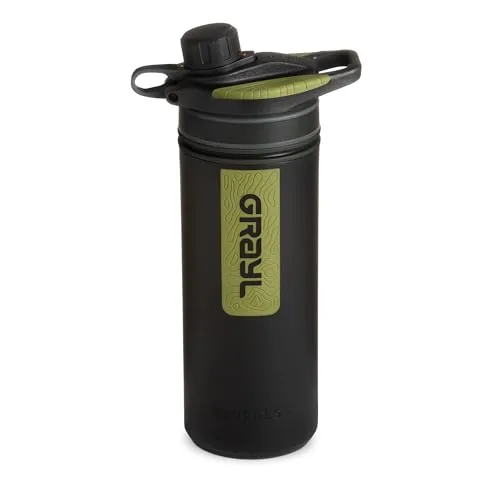
6 Best Water Purifier Bottles For Travel (2026 Review Guide)
Jul 9, 2026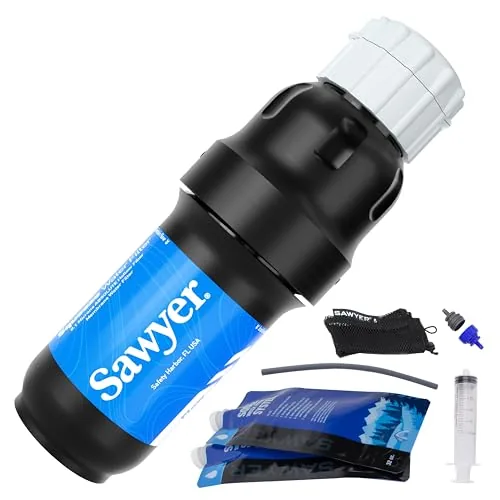
8 Best Squeeze Water Filters (2026 Review Guide)
Jul 20, 2026
6 Best Water Filters For Apartments (2026 Review Guide)
Jul 5, 2026
7 Best Water Filters For Aquariums (2026 Review Guide)
Aug 4, 2026