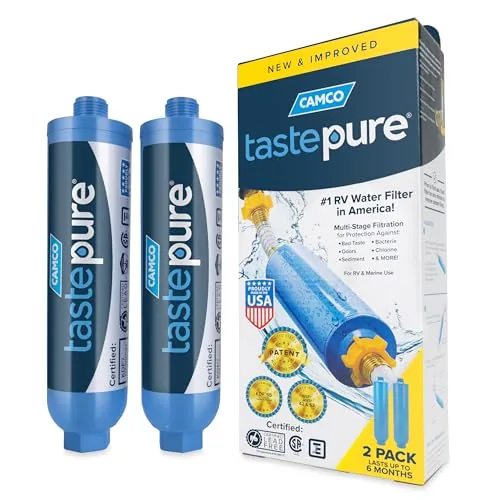
As low as $12
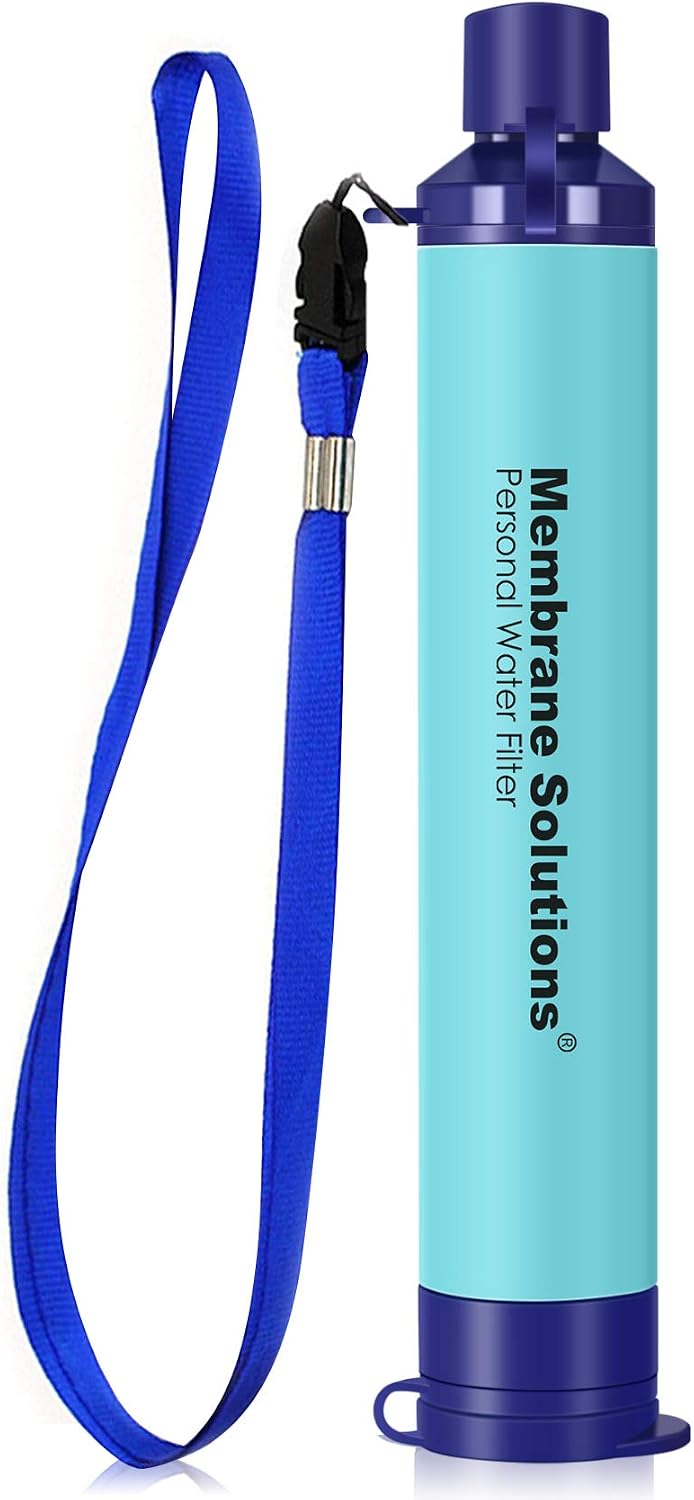
Built for travel, hiking & emergencies - drink safely whether the water is unsafe or just tastes off.
- NSF/ANSI 42, 372 & 401 certified, 0.1 micron filtration
- Filters up to 1,320 gallons - no batteries or pumping
- Ultralight - fits in any bag or pocket
- BPA-free, compatible with standard 28mm bottle threads
Tap water in South Sudan is not safe to drink for travelers or most residents. The country has one of the lowest rates of access to safe drinking water in the world, with widespread contamination from bacteria, parasites, and poor sanitation infrastructure. Travelers should rely exclusively on bottled or properly treated water during their visit.
Quick Reference
| Concern | Our Advice | |
|---|---|---|
| Drink tap water? | ❌ | Use bottled or filtered water |
| Brush teeth? | ❌ | Use bottled or filtered water |
| Wash fruits / veg? | ❌ | Wash with filtered or bottled water |
| Use ice in drinks? | ❌ | Avoid unless confirmed purified |
| Shower safely? | ⚠️ | Yes but avoid swallowing water |
| Filter bottle needed? | ❌ | Strongly recommend a Membrane Solutions Filter Straw for all travelers |
| Common risks | Bacterial contamination, Parasitic infections, Fecal coliforms, Cholera, Typhoid, Hepatitis A, Guinea worm, Heavy metals, Sediment contamination |

Key Statistics


Affiliate links — we earn a small commission at no extra cost to you.
Water Infrastructure & Supply
South Sudan, which gained independence in 2011, inherited virtually no centralized water treatment infrastructure. The prolonged civil wars (2013, 2018) and ongoing localized conflicts have devastated what little water infrastructure existed, leaving most urban systems non-functional. Juba, the capital, has no citywide piped water treatment system, and the vast majority of the population relies on boreholes, hand-dug wells, rivers, and seasonal rainwater.
Where water systems exist, they are typically community-level hand pumps or small solar-powered borehole systems installed by international NGOs such as UNICEF, Mdecins Sans Frontires, and the International Committee of the Red Cross. These systems serve only a fraction of the population, and maintenance is a chronic challenge , an estimated 30-40% of boreholes are non-functional at any given time due to lack of spare parts and trained technicians. Surface water from the White Nile and its tributaries is widely used but is heavily contaminated with fecal matter and agricultural runoff.
Major improvement projects are underway, primarily funded by international donors. The World Bank's South Sudan Urban Water Supply and Sanitation Project aims to improve water access in Juba, Malakal, and Wau. UNICEF and other organizations continue to drill boreholes and install water treatment systems in displacement camps and rural communities. However, progress remains extremely slow due to insecurity, flooding, and institutional capacity challenges within the national government.
Contamination & Health Risks
South Sudan faces some of the most severe waterborne disease burdens in the world. Cholera outbreaks occur regularly, particularly during the rainy season (May, November) when flooding contaminates water sources with human and animal waste. Typhoid fever, hepatitis A and E, and acute watery diarrhea are endemic throughout the country. The Guinea worm eradication program has made progress, but South Sudan remains one of the last countries with reported cases.
Contamination sources are pervasive. Open defecation is practiced by the majority of the population due to lack of sanitation facilities, leading to widespread fecal contamination of surface and groundwater sources. Internally displaced persons (IDP) camps, where hundreds of thousands of people live in close quarters, are particularly vulnerable to waterborne disease outbreaks. Industrial pollution is less of a concern, but oil extraction activities in Unity and Upper Nile states have been linked to heavy metal contamination of local water sources.
For travelers, the risks are severe and immediate. Even short-term exposure to untreated local water can cause serious gastrointestinal illness. All water must be purified before consumption , including water used for brushing teeth, washing produce, and making ice. Travelers should carry a high-quality water filter or purification tablets as backup, since bottled water may not always be available outside Juba. It is strongly recommended to ensure all vaccinations (hepatitis A, typhoid) are current before travel.
Regional Water Quality Breakdown
Juba
avoidThe capital has no centralized water treatment plant. Most residents rely on boreholes, water trucking, or the Nile. Tap water in hotels is untreated and unsafe to drink. Bottled water is the most accessible here compared to other parts of the country.
Malakal (Upper Nile)
avoidSeverely affected by conflict and annual flooding, Malakal's water sources are heavily contaminated. The town has experienced repeated cholera outbreaks. Humanitarian organizations provide treated water at some sites, but travelers should not rely on local sources.
Wau (Western Bahr el Ghazal)
avoidWau has limited borehole infrastructure maintained by NGOs, but the water is not reliably safe. Flooding regularly contaminates water points. Travelers must use purified or bottled water exclusively.
Bentiu / Unity State
avoidHome to one of the largest IDP camps in the country, Unity State has extremely poor water quality. Oil industry contamination has been documented in surrounding areas. All water must be treated before use.
Bor (Jonglei)
avoidBor and surrounding Jonglei State experience severe seasonal flooding that contaminates water sources. Waterborne disease outbreaks are common. Only purified water should be consumed.
Yei (Central Equatoria)
avoidWhile Yei has a somewhat more temperate climate and better groundwater, ongoing insecurity has disrupted water infrastructure maintenance. Water quality cannot be guaranteed, and all sources should be treated before consumption.
Practical Tips for Travelers
- Carry a filter straw (e.g., Membrane Solutions) — it removes bacteria, parasites, and microplastics from any tap or stream. Strongly recommend the Membrane Solutions Filter Straw.
- Always drink bottled or purified water , never consume tap water, borehole water, or river water without treatment. This applies everywhere in South Sudan, including hotels in Juba.
- Carry a portable water purification system such as a LifeStraw, Sawyer filter, or SteriPEN UV purifier, especially if traveling outside Juba where bottled water may be unavailable.
- Pack water purification tablets (chlorine dioxide or iodine-based) as an emergency backup in case your primary filter fails or you cannot find bottled water.
- Refuse ice in all drinks unless you are certain it was made with purified water. Most ice in South Sudan is made from untreated water.
- Use purified water to brush your teeth and wash your face , even brief contact with contaminated water near mucous membranes can transmit pathogens.
- When ordering water in Arabic (widely spoken), say 'Moya ma'daniya' ( ) for mineral/bottled water. In Juba Arabic, you can simply ask for 'moya naif' (clean water).
- Peel all fruits and vegetables, or wash them thoroughly with purified water and a few drops of iodine or food-grade bleach before eating.
- Ensure your hepatitis A and typhoid vaccinations are up to date before traveling. Consider bringing oral rehydration salts (ORS) packets in case of diarrheal illness.
Bottled Water Availability & Cost
Bottled water is available in Juba and larger towns, primarily imported from Kenya, Uganda, and the Middle East. Prices are high by regional standards due to logistics and import costs. A 1.5-liter bottle typically costs 500, 1,500 South Sudanese Pounds (approximately $1.50, $4.00 USD at current exchange rates), though prices fluctuate significantly with supply disruptions and inflation. Common brands include Rwenzori (Uganda) and Keringet (Kenya).
Outside of Juba and major humanitarian hubs, bottled water availability is extremely unreliable. Travelers venturing beyond urban areas should carry sufficient water purification capacity , a gravity filter, UV purifier, or chemical treatment tablets are essential. When purchasing bottled water, always check that the seal is intact, as refilled bottles have been reported. In a country where plastic waste management is virtually nonexistent, travelers should consider reusable bottles with built-in filtration to reduce environmental impact.
Frequently Asked Questions
Can I brush my teeth with tap water in South Sudan?
No. Tap water and borehole water in South Sudan are not safe for brushing teeth. Use only bottled or purified water for oral hygiene to avoid ingesting harmful bacteria and parasites.
Is it safe to shower in South Sudan's water?
Showering is generally okay as long as you keep your mouth tightly closed and avoid swallowing any water. If you have open wounds or cuts, consider using purified water for cleaning them to prevent infection.
Can I drink ice in restaurants in Juba?
It is strongly advised to decline ice in drinks everywhere in South Sudan, including Juba's restaurants and hotels. There is no guarantee that ice is made from purified water, and the risk of contamination is high.
Do hotels in Juba provide safe drinking water?
Higher-end hotels and guesthouses in Juba typically provide bottled water for guests, but do not assume tap water from hotel faucets is safe. Always confirm with the establishment and inspect bottle seals to ensure they haven't been refilled.
How much does bottled water cost in South Sudan?
A 1.5-liter bottle typically costs between $1.50 and $4.00 USD in Juba, depending on the brand and current supply. Prices can be significantly higher in remote areas where supply chains are unreliable. Stock up when you can.
What waterborne diseases should I be concerned about?
The main risks include cholera, typhoid fever, hepatitis A and E, acute watery diarrhea, amoebic dysentery, and parasitic infections. Guinea worm (dracunculiasis) remains a concern in some areas. Ensure vaccinations are current and carry anti-diarrheal medication.
Is boiled water safe to drink in South Sudan?
Boiling water for at least one minute (or three minutes at higher altitudes) effectively kills most pathogens and makes water significantly safer. However, boiling does not remove chemical contaminants or heavy metals. It is a good emergency option when bottled water and filters are unavailable.
Can I use water from NGO-installed boreholes?
NGO-installed boreholes with hand pumps are generally among the safest local water sources, but they are not guaranteed to be free of contamination. If the borehole is properly maintained and chlorinated, the risk is lower, but travelers with sensitive stomachs should still treat the water or use a filter as a precaution.
Traveling Nearby?
Check tap water safety in neighboring countries:
Central African Republic DR Congo Ethiopia Kenya Sudan UgandaInteresting Product Reviews
8 Best Countertop Ice Makers (2026 Review Guide)
Aug 10, 2026
6 Best Mineral Drops For Drinking Water (2026 Review Guide)
Aug 9, 2026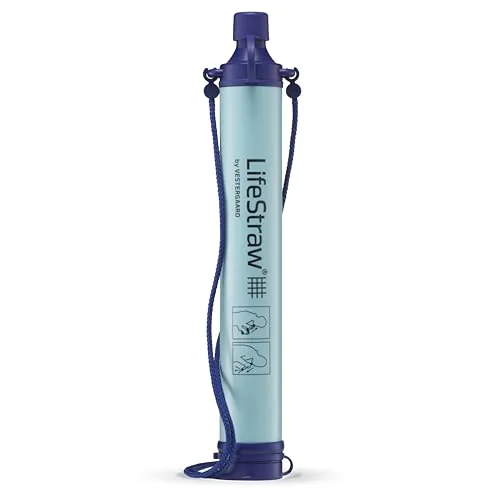
6 Best Portable Water Filters (2026 Review Guide)
Jul 1, 2026
8 Best Travel Kettles For Boiling Water (2026 Review Guide)
Jul 2, 2026
9 Best Tankless Reverse Osmosis Systems (2026 Review Guide)
Jun 30, 2026