As low as $12
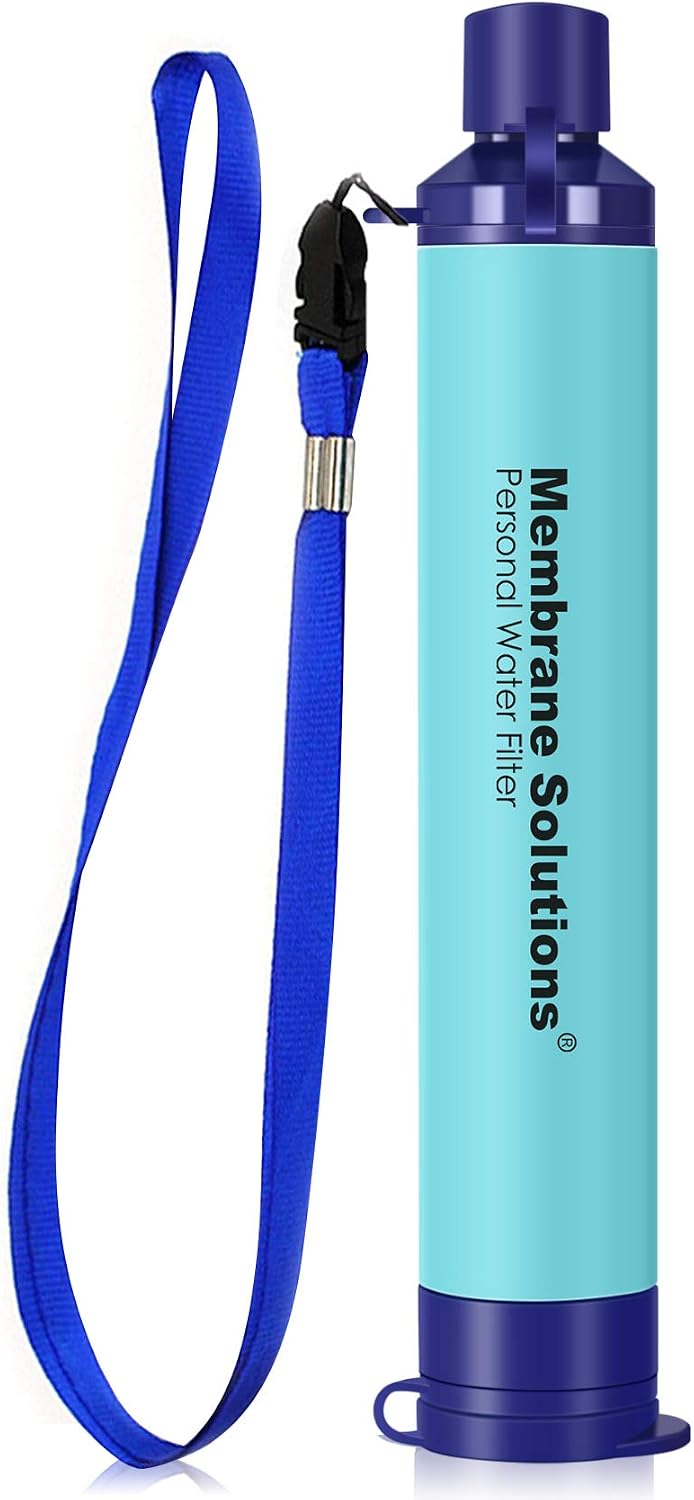
Built for travel, hiking & emergencies - drink safely whether the water is unsafe or just tastes off.
- NSF/ANSI 42, 372 & 401 certified, 0.1 micron filtration
- Filters up to 1,320 gallons - no batteries or pumping
- Ultralight - fits in any bag or pocket
- BPA-free, compatible with standard 28mm bottle threads
Tap water in Madagascar is generally not safe for travelers to drink. Water infrastructure is limited, especially outside the capital Antananarivo, and waterborne diseases remain a significant public health concern. Travelers should rely on bottled or treated water throughout their visit.
Quick Reference
| Concern | Our Advice | |
|---|---|---|
| Drink tap water? | ❌ | Use bottled or filtered water |
| Brush teeth? | ❌ | Use bottled or filtered water |
| Wash fruits / veg? | ❌ | Wash with filtered or bottled water |
| Use ice in drinks? | ❌ | Avoid unless confirmed purified |
| Shower safely? | ✅ | Yes |
| Filter bottle needed? | ❌ | Strongly recommend a Membrane Solutions Filter Straw for all travelers |
| Common risks | Bacterial contamination, Parasitic infections, Cholera, Typhoid fever, Giardia, Inadequate chlorination, Agricultural runoff, Fecal contamination |

Key Statistics


Affiliate links — we earn a small commission at no extra cost to you.
Water Infrastructure & Supply
Madagascar's water infrastructure has historically been underdeveloped, with the national utility JIRAMA (Jiro sy Rano Malagasy) responsible for urban water supply since 1975. Years of underinvestment, political instability, and rapid population growth have left the system strained, with frequent service interruptions and aging pipelines in major cities. Rural areas have even less coverage, relying primarily on wells, boreholes, and untreated surface water.
In Antananarivo, the capital, JIRAMA operates treatment plants that draw water from the Ikopa River, but the infrastructure is outdated and treatment is often inconsistent. Pipe networks suffer from leaks, cross-contamination, and low pressure, meaning that even treated water can become contaminated before reaching the tap. Outside the capital, many towns lack piped water entirely, and communities rely on hand-dug wells and natural springs that are vulnerable to contamination.
Several international development projects are working to improve water access. The World Bank and African Development Bank have funded major water and sanitation programs, including the WASH (Water, Sanitation, and Hygiene) improvement initiatives in rural areas. The government's Plan Sectoriel Eau aims to increase access to safe drinking water, with new boreholes, solar-powered pumping stations, and community-managed water points being installed across the country.
Contamination & Health Risks
Waterborne diseases are a leading cause of illness and death in Madagascar, particularly among children. Cholera outbreaks occur periodically, most recently affecting coastal and southern regions. Typhoid fever, hepatitis A, giardiasis, and amoebic dysentery are all transmitted through contaminated water and are common risks for visitors who consume untreated tap water.
Contamination sources include untreated sewage discharged directly into rivers and waterways, agricultural runoff containing pesticides and fertilizers, and open defecation in areas without sanitation infrastructure. The Ikopa River, which supplies Antananarivo's drinking water, receives significant pollution from the capital's sewage and industrial waste. Mining activities in certain regions also introduce heavy metals into local water sources.
For travelers, the practical risks are significant. Even in upscale hotels in Antananarivo, tap water should not be consumed directly. Ice in drinks, salads washed with tap water, and unpeeled fruits can all pose risks. Travelers frequently experience gastrointestinal illness ('traveler's diarrhea') when precautions are not taken. The CDC recommends that all travelers to Madagascar avoid tap water and use only bottled, boiled, or chemically treated water.
Regional Water Quality Breakdown
Antananarivo
cautionThe capital has the most developed water infrastructure in the country, with JIRAMA-operated treatment plants. However, aging pipes and inconsistent treatment mean tap water is not safe to drink directly. Bottled water is readily available everywhere.
Nosy Be
avoidThis popular island tourist destination has limited freshwater resources and minimal treatment infrastructure. Water shortages are common during the dry season. Travelers should rely exclusively on bottled or filtered water.
Toamasina (Tamatave)
cautionMadagascar's main port city has some piped water service, but quality is unreliable due to aging infrastructure and periodic flooding that can contaminate the supply. Bottled water is widely available in shops and restaurants.
Antsirabe
cautionKnown for its natural mineral springs, Antsirabe has relatively better water quality than many Malagasy cities. However, the municipal supply is still not reliably safe for travelers, and bottled mineral water from local springs is abundant and affordable.
Morondava & Western Coast
avoidThe western coastal regions have very limited water infrastructure, and many communities rely on untreated well water. Travelers visiting the famous Avenue of the Baobabs should carry their own supply of bottled or purified water.
Rural & National Park Areas
avoidRural Madagascar has extremely limited access to safe water. Areas around national parks like Ranomafana, Isalo, and Andasibe may have basic lodges that provide filtered or boiled water, but travelers should always verify and carry backup purification methods.
Practical Tips for Travelers
- Always drink bottled water and check that the seal is intact before opening. Counterfeit or refilled bottles can occasionally be found in remote areas.
- Carry a portable water filter bottle (such as LifeStraw or Grayl) as an essential piece of travel gear, especially when visiting national parks and rural areas where bottled water may not be available. Strongly recommend the Membrane Solutions Filter Straw.
- In Malagasy, you can ask for safe water by saying 'Mba rano mineraly azafady' (mineral water, please) or simply 'Eau minrale, s'il vous plat' in French, which is widely spoken.
- Avoid ice in drinks unless you are at a well-established hotel or restaurant that confirms they use purified water for ice-making. When in doubt, order drinks without ice.
- Use bottled or purified water for brushing your teeth. Even a small amount of contaminated water can cause stomach illness for travelers not accustomed to local microorganisms.
- Peel all fruits and vegetables yourself, or wash them thoroughly with bottled or purified water before eating. Avoid pre-cut fruit sold by street vendors.
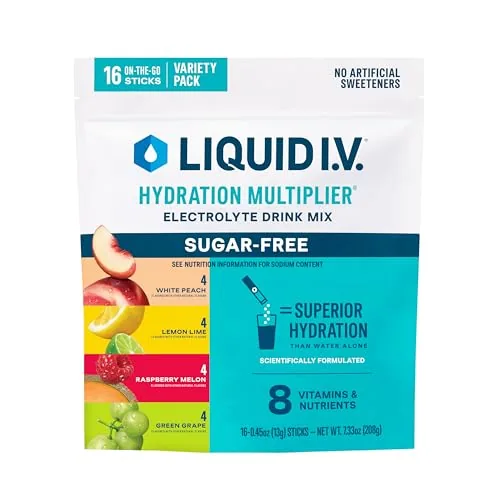
- Pack oral rehydration salts (ORS) in your travel kit. If you do experience traveler's diarrhea, staying hydrated with clean water and ORS is the most important first response.
- Stock up on bottled water in Antananarivo or major towns before traveling to remote destinations. National park entry towns may have limited supply and higher prices.
Bottled Water Availability & Cost
Bottled water is widely available throughout Madagascar, especially in urban areas and tourist destinations. The most common local brand is Eau Vive, along with international brands. A 1.5-liter bottle typically costs between 1,500 and 3,000 Ariary (approximately $0.30, $0.60 USD) in shops, while restaurants and hotels may charge 4,000, 8,000 Ariary ($0.80, $1.60 USD). Small 0.5-liter bottles are commonly available for 500, 1,500 Ariary.
Buying water in bulk from supermarkets or piceries (small shops) is the most economical option. In remote areas and national parks, bottled water may be more expensive or harder to find, so travelers should stock up before heading to rural destinations. Using a portable water filter or purification tablets is highly recommended for extended travel, both for cost savings and to reduce plastic waste , Madagascar already faces significant environmental challenges from plastic pollution.
Frequently Asked Questions
Can I brush my teeth with tap water in Madagascar?
It is not recommended. Travelers should use bottled or purified water for brushing teeth to avoid ingesting harmful bacteria or parasites present in the tap water supply.
Is it safe to shower in tap water in Madagascar?
Showering is generally safe as long as you avoid swallowing any water. Keep your mouth closed and be cautious of water entering your eyes or any open wounds. The risk from skin contact alone is low.
Is ice safe in drinks at restaurants in Madagascar?
In most restaurants, ice should be treated with caution. Higher-end hotels and tourist-oriented restaurants in Antananarivo and major destinations may use purified water for ice, but it's best to ask first or request drinks without ice.
Do restaurants in Madagascar serve safe drinking water?
Most restaurants will serve bottled water, which is the safe option. If offered tap water or water from a jug, politely decline and request a sealed bottle of mineral water instead. In Malagasy restaurants, bottled water is standard for tourists.
How much does bottled water cost in Madagascar?
A 1.5-liter bottle of water typically costs 1,500, 3,000 Ariary ($0.30, $0.60 USD) in shops. Prices are higher in restaurants and tourist areas, ranging from 4,000, 8,000 Ariary. Buying in bulk from supermarkets is the most economical option.
Can I drink the water in hotels in Madagascar?
Even in good hotels, tap water is not safe to drink. Most hotels provide complimentary bottled water in rooms or have filtered water dispensers. Always confirm with hotel staff whether the water provided has been treated or purified.
Is the water safe in Madagascar's national parks?
Water in and around national parks is not treated and should never be consumed directly from streams or taps. Most park lodges provide bottled or boiled water, but travelers should carry their own supply and a portable filter as a backup.
What waterborne diseases should I worry about in Madagascar?
The main waterborne disease risks include cholera, typhoid fever, hepatitis A, giardiasis, and traveler's diarrhea. Ensure your vaccinations for hepatitis A and typhoid are up to date before traveling, and practice strict water hygiene throughout your trip.
Interesting Product Reviews
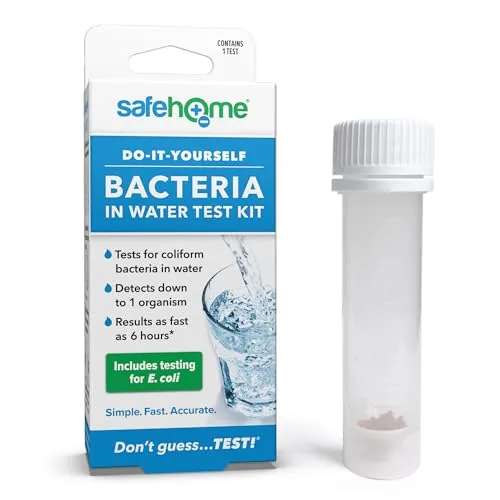
6 Best Bacteria Water Test Kits (2026 Review Guide)
Aug 3, 2026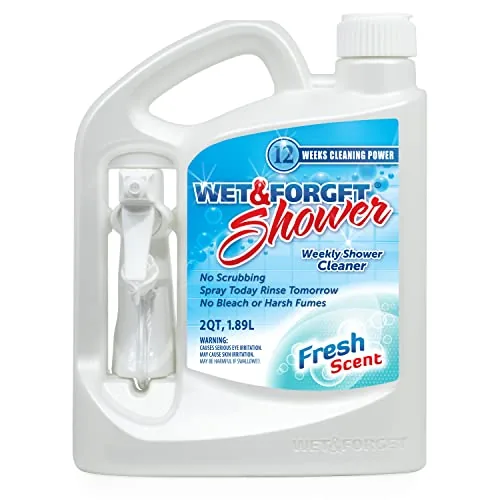
9 Best Shower Descaling Cleaners (2026 Review Guide)
Aug 21, 2026
6 Best Water Coolers For Home (2026 Review Guide)
Aug 10, 2026
6 Best Packable Rain Jackets (2026 Review Guide)
Aug 24, 2026
6 Best Portable Camp Sinks (2026 Review Guide)
Aug 23, 2026