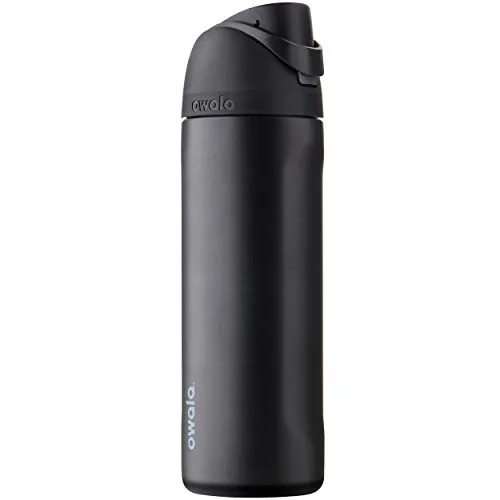
As low as $12
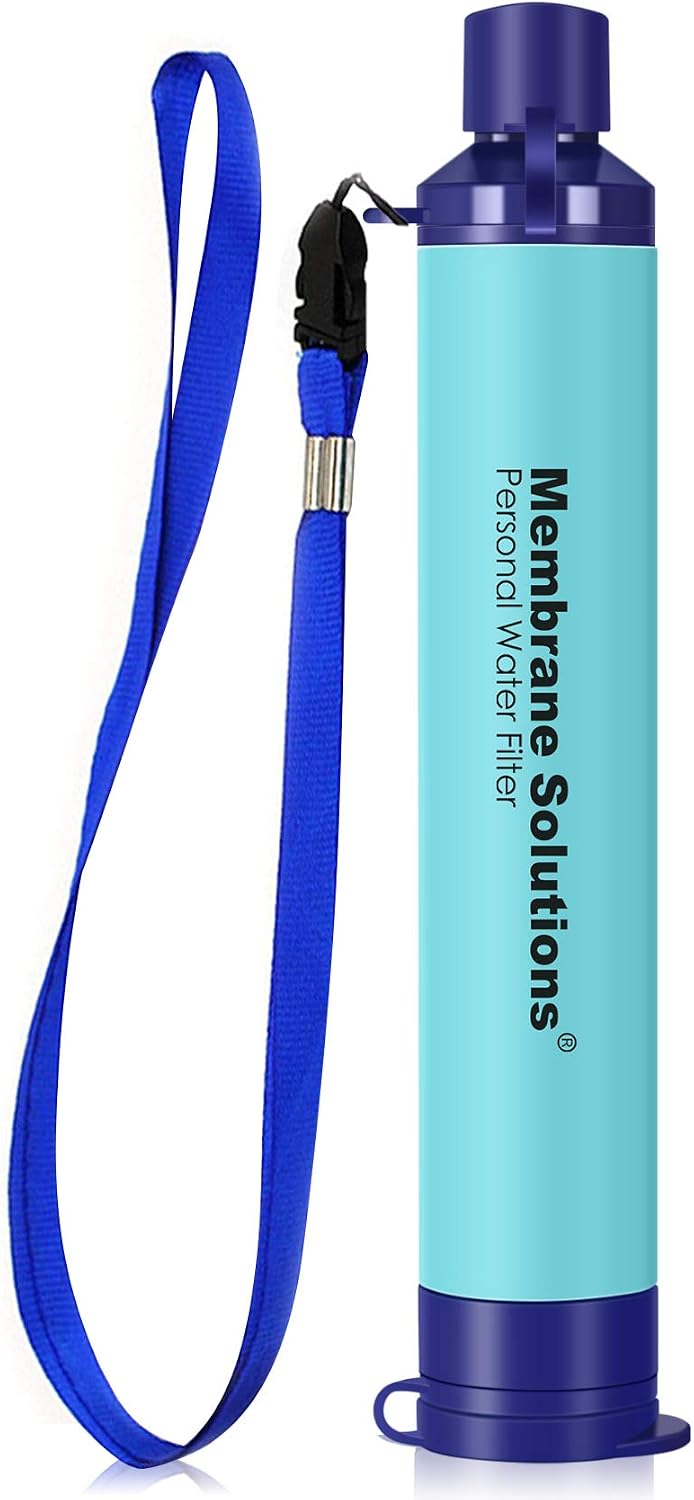
Built for travel, hiking & emergencies - drink safely whether the water is unsafe or just tastes off.
- NSF/ANSI 42, 372 & 401 certified, 0.1 micron filtration
- Filters up to 1,320 gallons - no batteries or pumping
- Ultralight - fits in any bag or pocket
- BPA-free, compatible with standard 28mm bottle threads
Tap water in China is generally not safe to drink directly from the faucet without boiling or filtering, even in major cities like Beijing and Shanghai. While China has invested heavily in water treatment infrastructure, aging pipes, secondary contamination in building tanks, and regional pollution mean that locals themselves routinely boil water before drinking. Travelers should always use boiled, filtered, or bottled water for drinking purposes.
Quick Reference
| Concern | Our Advice | |
|---|---|---|
| Drink tap water? | ❌ | Use bottled or filtered water |
| Brush teeth? | ✅ | Yes, no concerns |
| Wash fruits / veg? | ✅ | Yes, safe to use tap water |
| Use ice in drinks? | ❌ | Avoid unless confirmed purified |
| Shower safely? | ✅ | Yes |
| Filter bottle needed? | ❌ | Strongly recommend a Membrane Solutions Filter Straw for all travelers |
| Common risks | Bacterial contamination, Heavy metals, Chlorination byproducts, Industrial pollutants, Residual pesticides, Secondary contamination from aging pipes and rooftop tanks |

Key Statistics


Affiliate links — we earn a small commission at no extra cost to you.
Water Infrastructure & Supply
China's water infrastructure has undergone a massive transformation over the past four decades. During the rapid urbanization era from the 1980s onward, billions of yuan were invested in building modern water treatment plants across the country. The national standard for drinking water quality (GB 5749-2022) now covers 106 parameters, aligning more closely with WHO guidelines. Major cities like Beijing, Shanghai, and Shenzhen have world-class treatment facilities capable of producing water that meets international standards at the plant level.
However, the key problem lies in the "last mile" , the journey from the treatment plant to the tap. Many cities still rely on aging distribution pipes, some dating back decades, which can leach heavy metals and introduce microbial contamination. In many residential buildings, especially older ones, water is first pumped to rooftop storage tanks that may be poorly maintained, leading to secondary contamination. This is why even in modern Chinese cities, the common practice is to boil water before drinking (, sho ki shu).
China has launched several ambitious improvement programs, including the 14th Five-Year Plan for water resources (2021, 2025) that earmarked over 200 billion for rural water supply upgrades and urban pipe network renewal. The South-to-North Water Diversion Project, one of the largest engineering projects in history, now delivers billions of cubic meters of water annually to the water-scarce north. Smart water monitoring systems using IoT sensors are being deployed in pilot cities to detect contamination events in real time.
Contamination & Health Risks
The primary health risks from tap water in China stem from secondary contamination rather than source water treatment failures. Studies have detected elevated levels of heavy metals (lead, manganese, iron) in tap water samples from older neighborhoods, largely attributed to corroded distribution pipes. Chlorination byproducts such as trihalomethanes and haloacetic acids are present, though typically within national standard limits. In some industrial regions, trace organic pollutants from agricultural and industrial runoff can enter water sources.
Rural areas face more significant challenges than urban centers. While centralized rural water supply has expanded dramatically, some villages still rely on untreated groundwater that may contain naturally occurring arsenic, fluoride, or nitrate contamination. Agricultural regions may have pesticide residues in groundwater sources. The Ministry of Ecology and Environment has identified several "black and odorous water bodies" in smaller cities, though remediation efforts are ongoing.
For travelers, the most practical risk is gastrointestinal illness from drinking unboiled tap water, particularly when the immune system has not adapted to local microbial profiles. Ice in drinks can be a concern at smaller establishments, though international hotels and chain restaurants typically use purified water for ice. Street food vendors may use unfiltered tap water for washing produce. Showering and brushing teeth with tap water is generally safe, as the chlorine treatment is sufficient to prevent skin and mucous membrane infections.
Regional Water Quality Breakdown
Beijing
cautionBeijing's water treatment plants produce water meeting national standards, and the South-to-North Water Diversion has improved source water quality significantly. However, older hutong neighborhoods and residential buildings may have secondary contamination from aged pipes and storage tanks. Always boil or filter before drinking.
Shanghai
cautionShanghai has invested heavily in advanced water treatment including ozonation and activated carbon filtration at major plants. The Qingcaosha Reservoir provides relatively clean source water. However, pipe infrastructure in older districts like Puxi can still introduce contaminants, so boiling remains recommended.
Shenzhen & Guangdong
cautionShenzhen has piloted direct-drinking water systems in some new developments and has relatively modern infrastructure. However, most of Guangdong province still requires boiling. The hot, humid climate can also accelerate bacterial growth in storage tanks.
Chengdu & Southwest China
cautionChengdu benefits from relatively clean water sources from the Minjiang River system. Water treatment is adequate, but as with other Chinese cities, secondary contamination is a concern. In more remote areas of Sichuan, Yunnan, and Guizhou, rural water quality is more variable.
Xi'an & Northwest China
cautionNorthwest China faces water scarcity challenges, and some areas rely on groundwater that may contain elevated mineral content or naturally occurring contaminants. Xi'an's urban water supply meets standards at the plant but tap water should still be boiled. Remote areas of Gansu and Xinjiang may have more limited water quality.
Rural and Remote Areas
avoidRural areas, particularly in western and central China, may have less reliable water treatment or rely on untreated well water. Travelers visiting rural villages, trekking routes, or less-developed regions should rely exclusively on bottled or thoroughly boiled water. Groundwater contamination with arsenic or fluoride is documented in some regions.
Practical Tips for Travelers
- Always boil tap water before drinking , this is standard practice even for locals. Ask for (ki shu, boiled water) at restaurants and hotels.
- Carry a portable filter bottle (such as LifeStraw or Grayl) to reduce reliance on single-use plastic bottles, especially during day trips and excursions. Strongly recommend the Membrane Solutions Filter Straw.
- Look for free hot water dispensers (, r shu q) at train stations, airports, and hotels , nearly all Chinese accommodation provides an electric kettle in the room.
- In restaurants, ask for (kung qun shu, mineral water) if you want bottled water, or (r shu, hot water) for free boiled water , most restaurants will provide this at no charge.
- Be cautious with ice in drinks at smaller local restaurants and street food stalls. International hotels, chain coffee shops (Starbucks, Luckin Coffee), and upscale restaurants typically use purified water ice.
- When buying bottled water, check that the seal is intact. Stick to well-known brands like Nongfu Spring () or C'estbon () from reputable stores.
- Peel fruits and vegetables rather than just rinsing them under tap water, especially when purchased from street markets in less-developed areas.
- Download a translation app like Pleco or use WeChat's built-in translator to communicate water safety needs , useful phrases include (k y h ma, 'Can I drink this?') and (chn jng shu, 'purified water').
Bottled Water Availability & Cost
Bottled water is extremely affordable and widely available throughout China. Major domestic brands include Nongfu Spring (), Wahaha (), C'estbon (), and Baisuishan (). A 550ml bottle typically costs 2-3 (about $0.30-0.40 USD) at convenience stores and supermarkets. International brands like Evian and Fiji are available in larger cities at 10-25 ($1.40-3.50 USD). In tourist areas and hotels, prices may be marked up by 50-100%.
For budget-conscious travelers, buying water in bulk (packs of 12 or 24 bottles) from supermarkets like Walmart, Carrefour, or local chain stores is the most economical option. Many hotels provide complimentary bottled water or have electric kettles in every room , a uniquely Chinese standard. Hot boiled water (, ki shu) dispensers are available at train stations, airports, and most public buildings, making refilling a thermos or water bottle free and convenient. While bottled water is inexpensive, consider carrying a filter bottle to reduce plastic waste, as China is already one of the world's largest consumers of single-use plastic bottles.
Frequently Asked Questions
Can I brush my teeth with tap water in China?
Yes, brushing teeth with tap water is generally safe throughout urban China. The chlorine treatment is sufficient to prevent issues from brief oral contact. However, try to avoid swallowing the water, and in very remote rural areas, you may want to use bottled water as an extra precaution.
Is it safe to shower with tap water in China?
Yes, showering with tap water is safe everywhere in China. The water may have a mild chlorine odor in some cities, but it poses no health risk for external use. If you have very sensitive skin, the higher mineral content in some northern regions might cause minor dryness.
Is ice safe in drinks in China?
In international hotels, major restaurant chains, and upscale establishments, ice is typically made from purified water and is safe. At smaller local restaurants, street food stalls, or in rural areas, ice may be made from unfiltered tap water and is best avoided. When in doubt, order drinks without ice (, b ji bng).
Why do Chinese people always boil their water?
Boiling water () is a deeply ingrained cultural practice in China that predates modern water treatment. While water plants now meet national standards, the distribution infrastructure (old pipes, building tanks) can introduce secondary contamination. Boiling effectively kills bacteria and parasites, making it a reliable last-step safety measure that most Chinese households practice daily.
How much does bottled water cost in China?
Bottled water is very affordable in China. A standard 550ml bottle costs 2-3 ($0.30-0.40 USD) at convenience stores. Larger 1.5L bottles cost 3-5. In tourist hotspots, airports, and hotels, prices can be 2-3 times higher. Buying multipacks from supermarkets is the most cost-effective option.
Is the water safe to drink in Chinese hotels?
Most Chinese hotels, from budget to luxury, provide complimentary bottled water and an electric kettle in every room. Upscale international hotels may have in-room water purification systems. Never drink directly from the bathroom tap , use the provided bottled water or boil tap water using the kettle.
Can I eat salads and raw vegetables in China?
Chinese cuisine traditionally favors cooked vegetables, and raw salads are less common outside international restaurants. In major cities and tourist-oriented restaurants, salads are generally prepared with washed and safe ingredients. In local markets or street food settings, opt for cooked dishes to minimize risk from water used in washing produce.
Is tap water quality improving in China?
Yes, significantly. China has invested hundreds of billions of yuan in water infrastructure, and the national drinking water standard was updated in 2022 to include 97 routine and 9 non-routine parameters. Cities like Shenzhen are piloting direct-drinking water systems. However, the pipe distribution network remains the weak link, and full modernization is expected to take another decade or more.
Traveling Nearby?
Check tap water safety in neighboring countries:
Russia Afghanistan Bhutan India Kazakhstan Kyrgyzstan Laos Mongolia Myanmar Nepal North Korea Pakistan Tajikistan VietnamInteresting Product Reviews
7 Best Low-Flow Shower Heads (2026 Review Guide)
Aug 19, 2026
6 Best Gravity Water Filters For Camping (2026 Review Guide)
Jul 20, 2026
9 Best Humidifiers (2026 Review Guide)
Aug 20, 2026
7 Best Water Leak Detectors (2026 Review Guide)
Aug 17, 2026
8 Best Instant Hot Water Dispensers (2026 Review Guide)
Aug 11, 2026