As low as $12
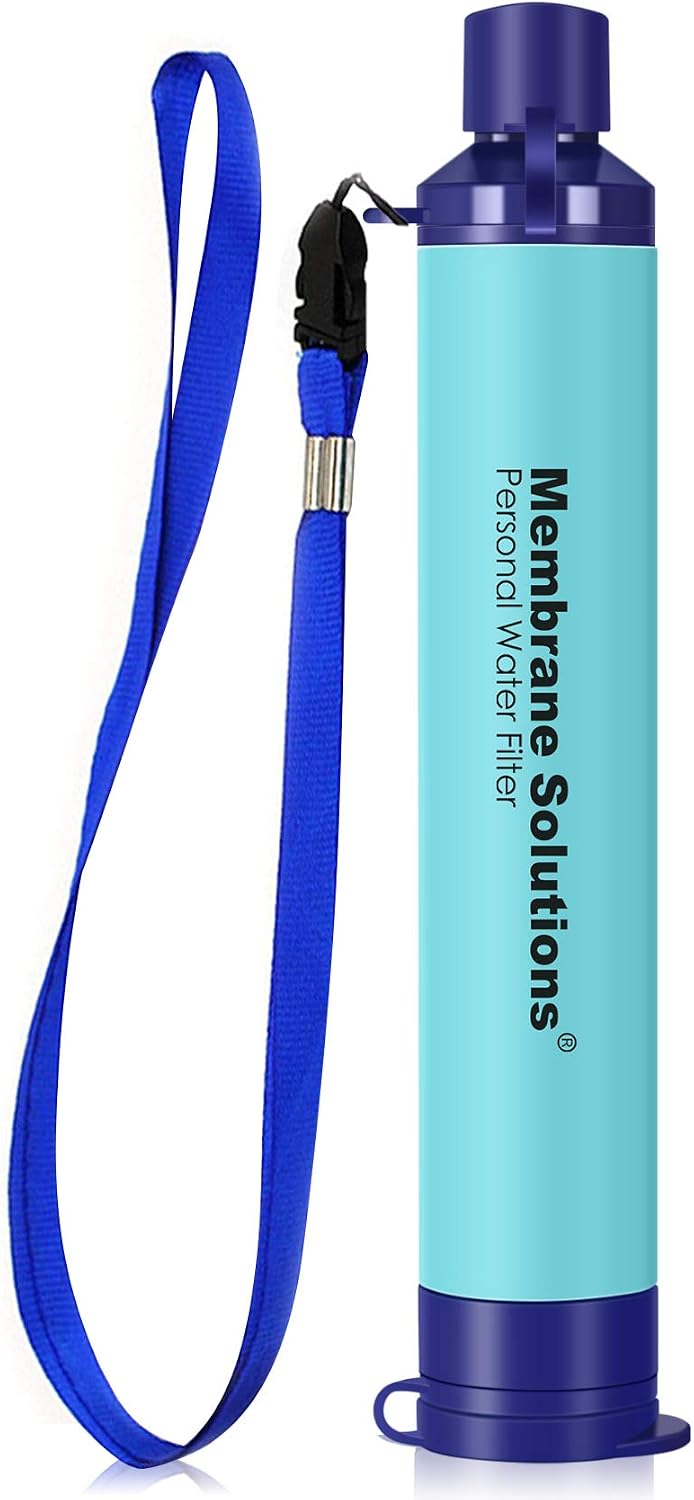
Built for travel, hiking & emergencies - drink safely whether the water is unsafe or just tastes off.
- NSF/ANSI 42, 372 & 401 certified, 0.1 micron filtration
- Filters up to 1,320 gallons - no batteries or pumping
- Ultralight - fits in any bag or pocket
- BPA-free, compatible with standard 28mm bottle threads
Tap water in Sweden is considered among the safest and highest quality in the world. The country's abundant freshwater resources, strict regulations, and modern treatment infrastructure mean travelers can confidently drink water straight from the tap virtually anywhere. Sweden's municipal water consistently meets or exceeds EU Drinking Water Directive standards.
Quick Reference
| Concern | Our Advice | |
|---|---|---|
| Drink tap water? | ✅ | Yes, safe in most areas |
| Brush teeth? | ✅ | Yes, no concerns |
| Wash fruits / veg? | ✅ | Yes, safe to use tap water |
| Use ice in drinks? | ✅ | Yes, safe in restaurants |
| Shower safely? | ✅ | Yes |
| Filter bottle needed? | ✅ | Not necessary, but a Membrane Solutions Filter Straw can improve taste |
| Common risks | Occasional pipe-related lead exposure in very old buildings, seasonal microbiological advisories in rural areas, elevated natural uranium in some private wells |

Key Statistics


Affiliate links — we earn a small commission at no extra cost to you.
Water Infrastructure & Supply
Sweden has a long history of investing in clean water infrastructure, dating back to the late 19th century when cities like Stockholm and Gothenburg built their first modern waterworks. Today, approximately 1,700 water treatment plants serve the country's 10 million residents, overseen by the Swedish Food Agency (Livsmedelsverket) and the industry organization Svenskt Vatten. Around 50% of Sweden's drinking water comes from surface water sources such as lakes and rivers, while the remainder is sourced from groundwater and artificially recharged aquifers.
Water treatment in Sweden typically involves multiple barrier processes including coagulation, sedimentation, rapid and slow sand filtration, and disinfection using UV light or chloramine. Many plants use advanced techniques such as ozonation and activated carbon filtration to remove organic compounds and micropollutants. Stockholm's main treatment facility at Norsborg, which supplies water from Lake Mlaren, is one of Europe's largest and employs a sophisticated multi-step treatment process.
Sweden is actively investing in future-proofing its water infrastructure through programs like Svenskt Vatten's "Hllbart VA" (Sustainable Water and Wastewater) initiative. Major projects include the expansion of the Grvlnverket plant serving northern Stockholm, new pipeline infrastructure connecting smaller municipalities, and research into removing PFAS and pharmaceutical residues. The country also faces the challenge of replacing aging pipe networks , an estimated investment of over 200 billion SEK is needed over the coming decades to maintain current service levels.
Contamination & Health Risks
Sweden's tap water presents negligible health risks for travelers. Municipal water is tested continuously against stringent Swedish and EU standards covering more than 70 parameters including microbiological, chemical, and aesthetic indicators. Compliance rates consistently exceed 99%, and boil-water advisories are extremely rare, typically lasting only hours when they do occur due to pipeline maintenance or extreme weather events.
The primary concerns, where they exist, are confined to specific circumstances. Some older buildings constructed before the 1970s may have lead service pipes or copper plumbing with lead solder, which can leach trace amounts of metals , running the tap for 30 seconds before drinking mitigates this. In rural areas, private wells (which serve about 10% of the population) are not regulated by public utilities and may contain elevated levels of naturally occurring substances like uranium, arsenic, or radon. Seasonal algal blooms in surface water sources can occasionally affect taste and odor but are managed effectively by treatment plants.
For travelers, the practical risk from Swedish tap water is essentially zero. Waterborne disease outbreaks are exceedingly rare , the most notable recent incident was a Cryptosporidium outbreak in stersund in 2010, which led to significant upgrades in UV treatment across the country. Restaurants and hotels universally serve safe tap water, and ice is made from treated municipal supplies. Travelers with compromised immune systems may still wish to exercise normal caution, but healthy visitors can drink tap water with full confidence.
Regional Water Quality Breakdown
Stockholm
safeStockholm's water comes primarily from Lake Mlaren, treated at the Norsborg and Grvlnverket facilities using advanced multi-barrier treatment. The water is soft, clean, and consistently exceeds all quality standards. It is considered some of the best municipal water in Europe.
Gothenburg (Gteborg)
safeGothenburg sources its drinking water from the Gta lv river and Lake Delsjn, treated at the Lackarebck and Alelyckan plants. Water quality is excellent, though the Gta lv source requires robust treatment due to upstream industrial activity. The city has invested heavily in backup systems and advanced monitoring.
Malm
safeMalm receives its water from Lake Bolmen in Smland, transported via the 80-kilometer Bolmentunneln pipeline. The water is well-treated and consistently meets all standards. The long pipeline journey and modern treatment ensure stable, high-quality water year-round.
Swedish Lapland (Kiruna, Jokkmokk, Gllivare)
safeNorthern Sweden benefits from pristine water sources fed by snowmelt and mountain aquifers. Municipal water in towns like Kiruna and Gllivare is safe and often has a notably clean, fresh taste. Travelers staying in remote cabins with private wells should verify the water source with the property owner.
Gotland
cautionGotland faces unique water challenges as an island with limited freshwater resources. While municipal water in Visby is treated and safe, the island experiences periodic water shortages, especially in summer tourism season. Water conservation measures are common, and some rural properties may rely on rainwater or brackish groundwater.
stersund
safeFollowing the 2010 Cryptosporidium outbreak traced to the Storsjn lake source, stersund invested heavily in UV treatment upgrades and improved monitoring systems. The municipal water supply is now considered very safe, and the incident spurred national improvements in water treatment standards across Sweden.
Practical Tips for Travelers
- Carry a filter straw (e.g., Membrane Solutions) — it removes bacteria, parasites, and microplastics from any tap or stream. Strongly recommend the Membrane Solutions Filter Straw.
- Order free tap water at restaurants by asking for 'kranvatten' (pronounced KRAHN-vat-ten) , Swedish restaurants are required by law to provide tap water free of charge.
- If staying in a building built before the 1970s, run the cold tap for about 30 seconds in the morning before drinking to flush any metals that may have leached from older pipes overnight.
- Carry a reusable water bottle , Sweden's tap water quality makes bottled water an unnecessary expense, and public refill stations are increasingly common in cities and airports.
- When hiking in the mountains of northern Sweden, water from flowing streams above the treeline is generally safe to drink, but always use a filter or purification tablets near agricultural or populated areas.
- On Gotland island during summer, be mindful of water conservation , the island has limited freshwater, and local authorities may impose usage restrictions during dry periods.
- If you prefer sparkling water, ask for 'kolsyrat vatten' (carbonated water) at restaurants. Many establishments have carbonation machines and serve it at a lower cost than bottled brands.
- Swedish tap water is typically soft to moderately hard depending on region , Stockholm has very soft water (around 3, 5 dH), which is gentle on skin and hair but may feel different if you're used to hard water.
- Return empty plastic bottles and cans to recycling machines (pantmaskiner) at any grocery store to reclaim the 1, 2 SEK deposit , it's an integral part of Swedish environmental culture.
Bottled Water Availability & Cost
Bottled water is widely available in Sweden at supermarkets (ICA, Coop, Hemkp), convenience stores (Pressbyrn, 7-Eleven), and gas stations. Popular brands include Ramlsa (sparkling), Loka, and Bonaqua. A 500ml bottle typically costs 15, 25 SEK (approximately $1.40, $2.40 USD) in stores and 30, 50 SEK ($2.80, $4.70 USD) in restaurants or cafs. A 1.5-liter bottle at a supermarket costs around 12, 20 SEK ($1.10, $1.90 USD).
Given the excellent tap water quality, buying bottled water in Sweden is largely unnecessary and many locals consider it wasteful. Restaurants commonly serve free tap water (kranvatten) alongside meals, and public drinking fountains are available in many parks and public spaces in larger cities. If you prefer sparkling water, purchasing Ramlsa or Loka in bulk at supermarkets is the most economical option. Sweden has a strong recycling culture with a deposit-return system (pant) of 1, 2 SEK per bottle, so always return your empty bottles at recycling machines in grocery stores.
Frequently Asked Questions
Can I brush my teeth with tap water in Sweden?
Yes, absolutely. Swedish tap water is safe for all purposes including brushing teeth, rinsing, and gargling. The water is treated to drinking water standards and undergoes continuous quality monitoring.
Is it safe to shower in Swedish tap water?
Yes, showering in Swedish tap water is completely safe. The water is clean and well-treated. Sweden's water tends to be soft, which is actually gentler on skin and hair than hard water found in many other countries.
Can I safely drink ice in drinks at Swedish restaurants and bars?
Yes, ice in Sweden is made from treated municipal tap water and is perfectly safe to consume. There is no need to request drinks without ice as you might in countries with unreliable water supplies.
Do Swedish restaurants serve free tap water?
Yes, by Swedish convention and consumer regulation, restaurants must serve free tap water (kranvatten) when requested. Simply ask your server for 'ett glas kranvatten' (a glass of tap water). Some restaurants may also offer complimentary sparkling water.
How much does bottled water cost in Sweden?
A 500ml bottle costs 15, 25 SEK ($1.40, $2.40) in stores and up to 50 SEK ($4.70) in restaurants. Given Sweden's excellent tap water, buying bottled water is generally unnecessary. A reusable bottle is a much better investment.
Is the tap water safe to drink everywhere in rural Sweden?
Municipal tap water in rural towns is safe and well-regulated. However, about 10% of Swedes rely on private wells, which are not publicly monitored. If staying at a rural cabin or farmhouse with a private well, ask the property owner about water testing before drinking directly from the tap.
Does Swedish tap water contain fluoride?
Sweden does not add fluoride to its municipal water supply. Naturally occurring fluoride levels are generally very low, typically below 0.3 mg/L. This is a deliberate policy choice, and fluoride for dental health is provided through toothpaste and dental products instead.
Can I fill my water bottle at Stockholm's Arlanda Airport?
Yes, water fountains and refill stations are available throughout Arlanda Airport, both before and after security checkpoints. The tap water at the airport comes from the same high-quality municipal supply as the rest of the Stockholm region.
Interesting Product Reviews
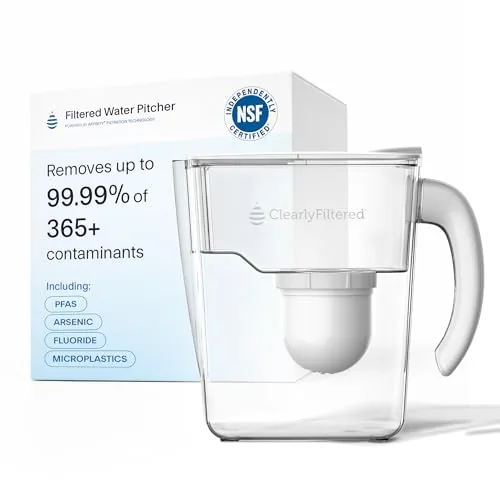
8 Best Water Filters For Microplastics (2026 Review Guide)
Jul 31, 2026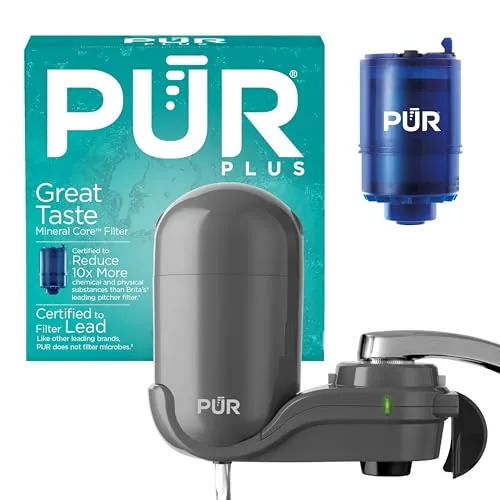
6 Best Faucet Water Filters (2026 Review Guide)
Jul 5, 2026
7 Best Emergency Water Storage Tanks (2026 Review Guide)
Aug 21, 2026
7 Best Electrolyte Drinks And Powders (2026 Review Guide)
Aug 9, 2026
7 Best Water Filters For Aquariums (2026 Review Guide)
Aug 4, 2026