As low as $12
Built for travel, hiking & emergencies - drink safely whether the water is unsafe or just tastes off.
- NSF/ANSI 42, 372 & 401 certified, 0.1 micron filtration
- Filters up to 1,320 gallons - no batteries or pumping
- Ultralight - fits in any bag or pocket
- BPA-free, compatible with standard 28mm bottle threads
Tap water in Lithuania is generally safe to drink for travelers. The country sources most of its drinking water from groundwater, which is naturally filtered and of high quality. While water in major cities like Vilnius, Kaunas, and Klaipda meets EU drinking water standards, some rural areas may have older infrastructure where caution is advised.
Quick Reference
| Concern | Our Advice | |
|---|---|---|
| Drink tap water? | ✅ | Yes, safe in most areas |
| Brush teeth? | ✅ | Yes, no concerns |
| Wash fruits / veg? | ✅ | Yes, safe to use tap water |
| Use ice in drinks? | ✅ | Yes, safe in restaurants |
| Shower safely? | ✅ | Yes |
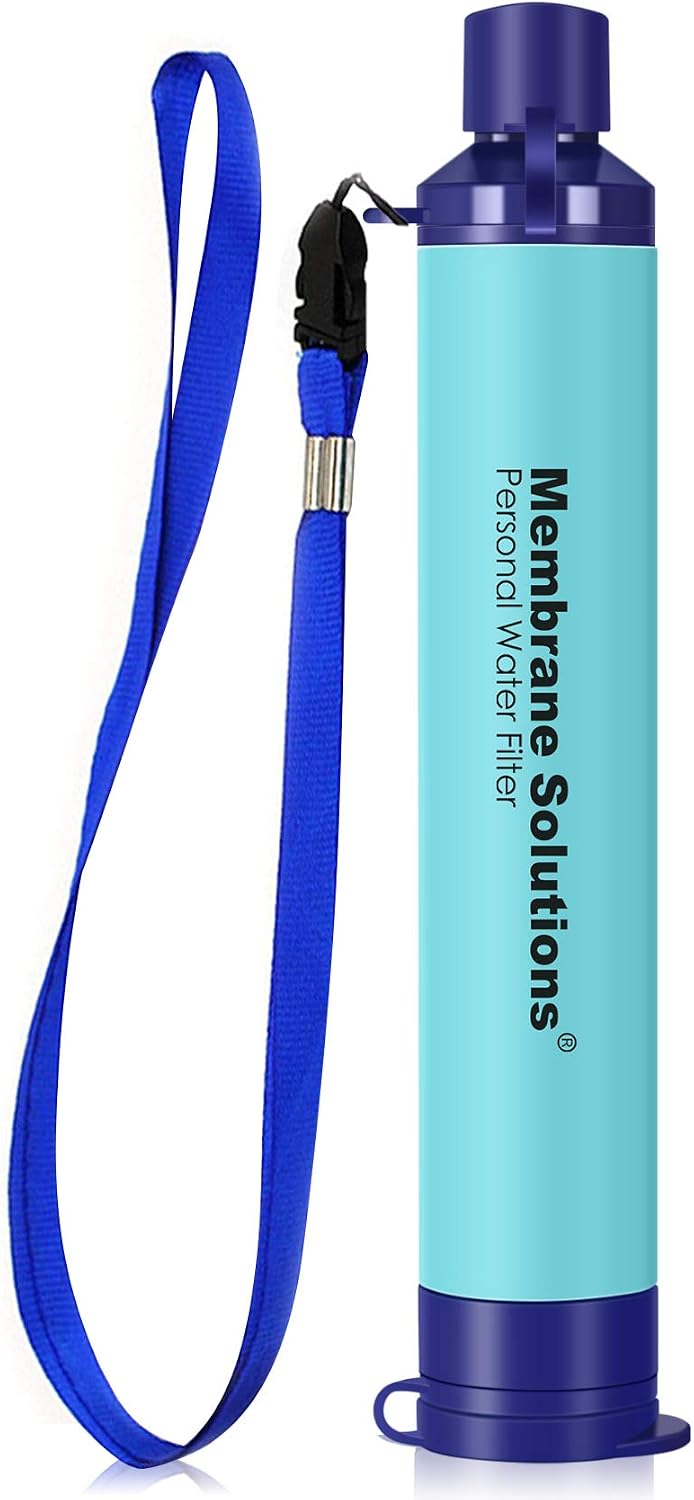
| Filter bottle needed? | ✅ | Not necessary, but a Membrane Solutions Filter Straw can improve taste |
| Common risks | Iron and manganese in some groundwater sources, Aging pipes in older buildings, Occasional nitrate contamination in rural wells, Hard water minerals |

Key Statistics


Affiliate links — we earn a small commission at no extra cost to you.
Water Infrastructure & Supply
Lithuania has a long history of utilizing its abundant groundwater resources for drinking water. Nearly 100% of the country's drinking water comes from underground aquifers, which provide naturally filtered, high-quality water. The country inherited much of its water infrastructure from the Soviet era, which required significant modernization after independence in 1990.
Since joining the European Union in 2004, Lithuania has invested heavily in upgrading its water treatment and distribution systems to meet EU Drinking Water Directive standards. Major cities like Vilnius and Kaunas have modern water treatment plants that employ aeration, iron and manganese removal, and UV disinfection. Vilnius notably stopped using chlorine for disinfection in 2007, relying instead on UV treatment and the natural quality of its deep groundwater sources.
Significant EU-funded projects have improved water infrastructure across the country, including the replacement of aging distribution pipes, construction of new wastewater treatment facilities, and extension of centralized water supply to smaller towns. The Lithuanian government continues to invest in reducing water losses from the network and improving service quality in rural areas, with ongoing projects funded through the EU Cohesion Fund extending into 2027.
Contamination & Health Risks
Lithuania's tap water generally poses minimal health risks to travelers. The country's reliance on deep groundwater means the water is naturally protected from surface contamination and is typically free of harmful microorganisms. Water quality monitoring by the National Public Health Centre ensures compliance with EU standards for over 50 chemical and microbiological parameters.
The primary water quality concerns in Lithuania relate to naturally occurring iron and manganese in groundwater, which can cause discoloration and taste issues but are not dangerous at the levels typically found. In some rural areas, private wells may have elevated nitrate levels from agricultural runoff, and older buildings , particularly Soviet-era apartment blocks , may have corroded internal plumbing that could introduce small amounts of metals into the water. Travelers staying in renovated hotels and modern accommodations are unlikely to encounter these issues.
For sensitive travelers, the main practical risk is the mineral content of the water, which varies by region. Lithuanian groundwater tends to be moderately hard, which is safe to drink but may taste different from what some visitors are accustomed to. There are no reports of waterborne disease outbreaks linked to municipal tap water in Lithuanian cities in recent years, and the WHO and CDC do not issue warnings against drinking tap water in Lithuania.
Regional Water Quality Breakdown
Vilnius
safeVilnius has excellent tap water quality, sourced from deep artesian wells and treated with UV disinfection rather than chlorine. The city's water utility Vilniaus Vandenys has invested heavily in infrastructure upgrades, and the water is considered among the best in the Baltic states.
Kaunas
safeKaunas draws its water from groundwater sources along the Nemunas and Neris river valleys. The water meets all EU quality standards and is safe to drink directly from the tap. Some older neighborhoods may have aging pipes, but overall quality is consistently high.
Klaipda
safeLithuania's main port city sources its water from groundwater wells. Water quality is monitored and meets EU standards. Some residents note a slightly different taste compared to Vilnius due to different mineral compositions, but it is perfectly safe to drink.
iauliai
safeiauliai has modernized its water infrastructure with EU funding in recent years. Tap water comes from groundwater sources and is treated to remove excess iron and manganese. The water is safe for drinking and cooking.
Palanga & Curonian Spit
safeThese popular coastal tourist areas have safe tap water supplied by local utilities. During peak summer season, the water supply is reliably maintained for the increased tourist population. The water is safe to drink from the tap in hotels and restaurants.
Rural areas & small towns
cautionWhile centralized water supplies in most towns meet EU standards, some very small villages and farmsteads rely on private wells that may have elevated iron, manganese, or nitrate levels. Travelers staying in rural guesthouses should ask about the water source and consider using bottled water if the source is an untested private well.
Practical Tips for Travelers
- Carry a filter straw (e.g., Membrane Solutions) — it removes bacteria, parasites, and microplastics from any tap or stream. Strongly recommend the Membrane Solutions Filter Straw.
- Tap water in Vilnius is chlorine-free and UV-treated, making it one of the tastiest tap waters in Europe , fill your reusable bottle with confidence.
- To ask for tap water in Lithuanian, say "Gali bti vandens i iaupo?" (Can I have tap water?). Most restaurant staff also speak English.
- If you notice a slight brownish tint to the water in an older building, run the tap for 30 seconds to flush the pipes , this is usually just residual iron from old plumbing and is not harmful.
- Try Vytautas mineral water for a uniquely Lithuanian experience , it's naturally highly mineralized and an acquired taste that has become a cultural icon.
- Carry a reusable water bottle during summer as public drinking fountains are available in Vilnius Old Town and major parks in other cities.
- In restaurants, you can request free tap water by saying "vandens i iaupo, praau" , Lithuanian law allows restaurants to serve tap water, though some may encourage bottled water.
- If staying in a rural farmstead or countryside guesthouse, ask the owner whether the water comes from a centralized supply or a private well before drinking it.
- Ice in drinks at bars and restaurants throughout Lithuania is made from tap water and is safe to consume without concern.
Bottled Water Availability & Cost
Bottled water is widely available throughout Lithuania in supermarkets, convenience stores, kiosks, and restaurants. Popular local brands include Vytautas (a naturally carbonated mineral water famous for its high mineral content), Akvil, Tich, and Neptunas. A 0.5-liter bottle typically costs 0.60, 1.20 in shops, while a 1.5-liter bottle ranges from 0.70, 1.50. In restaurants and cafs, a bottle of water usually costs 1.50, 3.00.
For budget-conscious travelers, buying water in bulk from supermarkets like Maxima, Lidl, or Rimi is the most economical option, where multi-packs of 1.5-liter bottles can cost as little as 0.50 per bottle. However, since Lithuanian tap water is safe and of good quality, carrying a reusable water bottle is both practical and environmentally friendly. Many public spaces in Vilnius and other cities have drinking fountains during summer months, and restaurants will typically provide tap water upon request at no charge.
Frequently Asked Questions
Can I brush my teeth with tap water in Lithuania?
Yes, tap water throughout Lithuania is safe for brushing teeth. The water meets EU drinking water quality standards and poses no risk for oral hygiene use.
Is it safe to shower in Lithuanian tap water?
Absolutely. Showering in Lithuanian tap water is completely safe. The water may be moderately hard in some areas, which could leave skin feeling slightly dry, but it poses no health risks.
Is ice in drinks safe in Lithuania?
Yes, ice in drinks at restaurants, bars, and cafs throughout Lithuania is safe. It is made from the same tap water that meets EU quality standards, so there is no need to request drinks without ice.
Do restaurants in Lithuania serve tap water?
Many restaurants will provide tap water if you ask for it, often at no charge. However, it is common for servers to offer bottled water first. Simply ask for 'vandens i iaupo' (tap water) if you prefer it.
How much does bottled water cost in Lithuania?
A 0.5-liter bottle costs 0.60, 1.20 in shops and 1.50, 3.00 in restaurants. Buying 1.5-liter bottles from supermarkets like Maxima or Lidl is the most budget-friendly option at around 0.50, 0.70 per bottle.
Why does Vilnius tap water taste so good compared to other cities?
Vilnius sources its water from deep artesian wells (up to 300 meters deep) where the water is naturally filtered through layers of rock. Since 2007, the city uses UV disinfection instead of chlorine, which eliminates the chemical taste common in many cities worldwide.
Is tap water safe to drink in the Curonian Spit?
Yes, the tap water in the Curonian Spit (Neringa municipality) is sourced from groundwater and is safe to drink. The local water utility maintains quality standards even during the busy summer tourist season.
Do I need a water filter bottle for traveling in Lithuania?
A water filter bottle is not necessary for travel in Lithuania. Municipal tap water across the country meets EU drinking water standards. However, if you plan to spend extended time in very rural areas relying on private wells, a filter bottle could provide extra peace of mind.
Interesting Product Reviews
9 Best Water Filter Straws (2026 Review Guide)
Jul 17, 2026
6 Best Waterproof Bags (2026 Review Guide)
Aug 23, 2026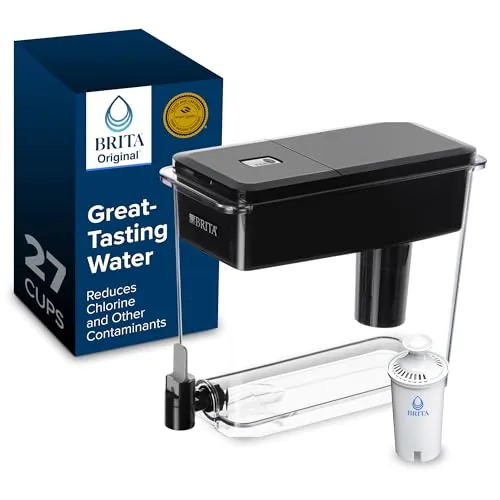
8 Best Water Filter Pitchers (2026 Review Guide)
Jul 18, 2026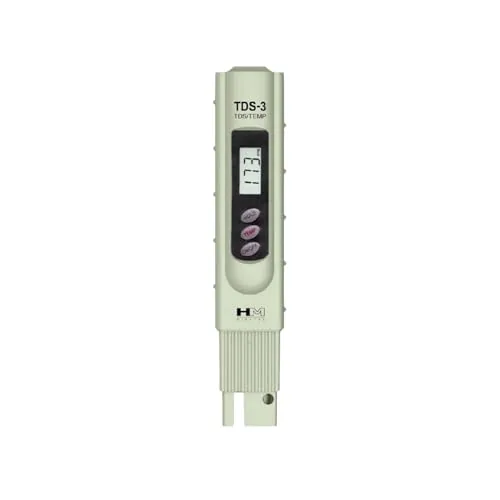
6 Best Tds Meters (2026 Review Guide)
Aug 3, 2026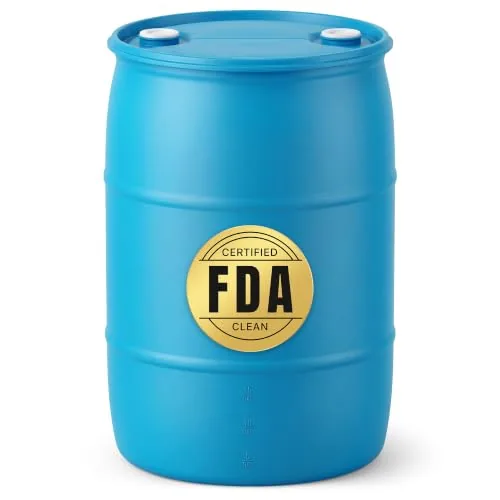
9 Best 55 Gallon Water Storage Barrels (2026 Review Guide)
Aug 5, 2026