Built for travel, hiking & emergencies - drink safely whether the water is unsafe or just tastes off.
- 5-stage filtration with 0.1 micron ultrafiltration membrane
- Filters up to 5,300 liters - no batteries or pumping
- Ultralight - fits in any bag or pocket
- Backwashable & reusable, includes 1.5 gal gravity water bag

Tap water in the Democratic Republic of the Congo is not safe for travelers to drink. The country faces severe water infrastructure challenges, with a large portion of the population lacking access to safely managed drinking water. Visitors should rely on bottled or purified water throughout their stay.
Quick Reference
| Concern | Our Advice | |
|---|---|---|
| Drink tap water? | ❌ | Use bottled or filtered water |
| Brush teeth? | ❌ | Use bottled or filtered water |
| Wash fruits / veg? | ❌ | Wash with filtered or bottled water |
| Use ice in drinks? | ❌ | Avoid unless confirmed purified |
| Shower safely? | ✅ | Yes |
| Filter bottle needed? | ❌ | Strongly recommend a Waterdrop Filter Straw for all travelers |
| Common risks | Bacterial contamination, Cholera, Typhoid, E. coli, Parasitic infections, Heavy metals from mining runoff, Viral gastroenteritis |

Key Statistics


Affiliate links — we earn a small commission at no extra cost to you.
Water Infrastructure & Supply
The Democratic Republic of the Congo's water infrastructure has been deeply affected by decades of conflict, underinvestment, and institutional instability. The state water utility, REGIDESO (Rgie de Distribution d'Eau), manages piped water systems in major urban centers but serves only a fraction of the population. Much of the existing pipe network dates from the colonial era and has deteriorated significantly, resulting in frequent service interruptions and widespread contamination through broken or leaking pipes.
In Kinshasa, the capital, REGIDESO's treatment plants operate well below capacity and struggle to keep pace with the city's rapidly growing population of over 17 million. Water pressure is often insufficient, and many neighborhoods receive water only intermittently. Residents in peri-urban and rural areas rely primarily on unprotected wells, springs, rivers, and rainwater harvesting , sources that are frequently contaminated with fecal bacteria and other pathogens. Chlorination and proper treatment are inconsistent even where piped systems exist.
International organizations including the World Bank, UNICEF, and the African Development Bank have funded major water improvement projects. The World Bank's Urban Water Supply Project has invested hundreds of millions of dollars to expand treatment capacity and rehabilitate distribution networks in cities like Kinshasa, Lubumbashi, and Matadi. However, the scale of need vastly outstrips available funding, and ongoing conflict in eastern provinces has destroyed water infrastructure and displaced millions, making sustainable improvements extremely difficult.
Contamination & Health Risks
Waterborne diseases are among the leading causes of illness and death in the DR Congo, particularly among children under five. Cholera is endemic in several provinces, with tens of thousands of cases reported annually , the country consistently ranks among the worst-affected globally. Typhoid fever, dysentery, hepatitis A, and parasitic infections such as giardiasis and amoebiasis are widespread and directly linked to contaminated water sources.
Pollution sources are numerous and largely uncontrolled. Artisanal and industrial mining operations , particularly in the copper-cobalt belt of Katanga and the coltan/gold mines of eastern provinces , release heavy metals including lead, mercury, cobalt, and arsenic into rivers and groundwater. Urban sewage is almost entirely untreated, with open drains and pit latrines contaminating shallow aquifers. Agricultural runoff and deforestation further degrade water quality in rural watersheds.
For travelers, the practical risks are severe. Any consumption of unboiled or unfiltered tap water, including swallowing water while brushing teeth, eating unpeeled fruits washed in tap water, or drinking beverages with ice made from tap water, can cause serious gastrointestinal illness. Travelers should assume all tap water is unsafe regardless of location in the country. Even in upscale hotels in Kinshasa, it is advisable to use only sealed bottled water or water treated with a high-quality portable filter or purification tablets.
Regional Water Quality Breakdown
Kinshasa
avoidDespite being the capital and having REGIDESO treatment plants, Kinshasa's tap water is not safe for drinking. Rapid population growth, aging infrastructure, and inconsistent chlorination mean contamination is widespread. Travelers should use only bottled or purified water.
Lubumbashi
avoidLubumbashi, the second largest city, has piped water in some neighborhoods but heavy metal contamination from nearby mining operations is a serious concern. Water service is intermittent and treatment is unreliable. Stick to sealed bottled water at all times.
Goma
avoidGoma sits on the shores of Lake Kivu and has experienced severe cholera outbreaks linked to contaminated water, especially following volcanic eruptions and displacement from conflict. Water infrastructure has been repeatedly damaged. Only use purified or bottled water.
Bukavu
avoidBukavu has limited piped water coverage and faces ongoing challenges from conflict and population displacement in South Kivu province. Cholera outbreaks are recurrent. Travelers must rely entirely on bottled or treated water.
Matadi
avoidAs a port city on the Congo River, Matadi has a REGIDESO-operated water system that has received some investment, but water quality remains unreliable. Contamination from upstream sources and aging pipes poses ongoing risks for travelers.
Rural and Eastern Provinces
avoidRural areas and the conflict-affected eastern provinces (North Kivu, South Kivu, Ituri) have virtually no treated water infrastructure. Communities rely on untreated surface water and unprotected springs. This is the highest-risk area for waterborne disease in the country.
Practical Tips for Travelers
- Carry a filter straw (e.g., Waterdrop) — it removes bacteria, parasites, and microplastics from any tap or stream. Strongly recommend the Waterdrop Filter Straw.
- Always drink sealed bottled water or water treated with a certified filter or purification tablets , never consume tap water directly anywhere in the DR Congo.
- Carry a portable water purifier such as a Grayl GeoPress or LifeStraw Go, especially if traveling outside Kinshasa or to remote areas where bottled water may be unavailable.
- In French (the official language), ask for sealed bottled water by saying 'De l'eau en bouteille, s'il vous plat' (Bottled water, please) and check that the seal is intact before drinking.
- Avoid ice in drinks at restaurants and bars unless you can confirm it was made from purified water , in most establishments, it is made from tap water.
- Peel all fruits and vegetables yourself, or wash them thoroughly with purified water before eating. Avoid raw salads at street food stalls.
- Keep your mouth closed when showering and avoid swallowing any water. Use bottled or purified water for brushing teeth.
- Stock up on bottled water at major supermarkets like Shoprite in Kinshasa or Lubumbashi , prices are much lower than at hotels or small vendors in remote areas.
- Bring oral rehydration salts (ORS) and basic anti-diarrheal medication in your travel kit, as gastrointestinal illness is common among visitors despite precautions.
Bottled Water Availability & Cost
Bottled water is widely available in urban centers such as Kinshasa, Lubumbashi, Goma, and Bukavu. Common local brands include Eka, Cristal, and Ngai, while international brands like Vittel are found in supermarkets and upscale hotels. A 1.5-liter bottle typically costs between $0.50 and $1.50 USD in shops, though prices can be significantly higher in hotels, restaurants, and remote areas. A 500ml bottle at a street vendor or small shop usually costs $0.25, $0.75.
Buying water in bulk (packs of 6 or 12 bottles) from supermarkets such as Shoprite or local markets is the most economical approach for longer stays. Travelers heading to rural or conflict-affected areas should stock up in major cities, as bottled water may be difficult to find outside urban zones. Given the enormous volumes of plastic waste generated, carrying a reliable filter bottle (such as a LifeStraw or Grayl) is both more sustainable and more practical, especially for travelers venturing beyond major cities.
Frequently Asked Questions
Can I brush my teeth with tap water in DR Congo?
No, it is strongly recommended to use bottled or purified water for brushing teeth. Even small amounts of contaminated tap water can cause gastrointestinal illness, and bacterial and parasitic contamination is widespread throughout the country's water supply.
Is it safe to shower in tap water in DR Congo?
Showering is generally safe as long as you keep your mouth closed and avoid swallowing any water. The risk comes from ingestion, not skin contact. If you have open wounds or cuts, take extra precautions to avoid infection.
Can I use ice in my drinks in DR Congo?
It is best to avoid ice unless you are at a high-end hotel or restaurant that confirms their ice is made from purified water. Most establishments use tap water to make ice, which carries the same contamination risks as drinking tap water directly.
Is restaurant water safe to drink in Kinshasa?
No. Even in Kinshasa's best restaurants, you should only drink sealed bottled water. Some upscale hotels may have their own filtration systems, but it is always safest to ask and verify. Never accept a glass of tap water at any restaurant.
How much does bottled water cost in DR Congo?
A 1.5-liter bottle typically costs $0.50 to $1.50 USD at shops and supermarkets. Prices can be higher at hotels and in remote areas. Buying in bulk from supermarkets in major cities is the most affordable option. A 500ml bottle from a street vendor costs roughly $0.25, $0.75.
Should I get vaccinated before traveling to DR Congo?
Yes. The CDC and WHO recommend several vaccinations for DR Congo travelers, including hepatitis A (spread through contaminated water and food), typhoid, cholera (especially if visiting eastern provinces), and yellow fever (required for entry). Consult a travel medicine clinic at least 4, 6 weeks before departure.
Is the water safe in the eastern provinces like North Kivu and South Kivu?
No. The eastern provinces have some of the worst water quality in the country due to ongoing armed conflict, displacement, destroyed infrastructure, and mining contamination. Cholera outbreaks are frequent. Travelers must bring their own purification methods and stock up on bottled water before entering these areas.
Can I drink water from Lake Kivu or the Congo River?
Absolutely not. Surface water sources including Lake Kivu and the Congo River are contaminated with untreated sewage, industrial pollutants, and pathogens. These water bodies are never safe for drinking without thorough treatment including filtration and chemical disinfection or boiling.
Traveling Nearby?
Check tap water safety in neighboring countries:
Angola Burundi Central African Republic Republic of the Congo South Sudan Tanzania Uganda ZambiaInteresting Product Reviews
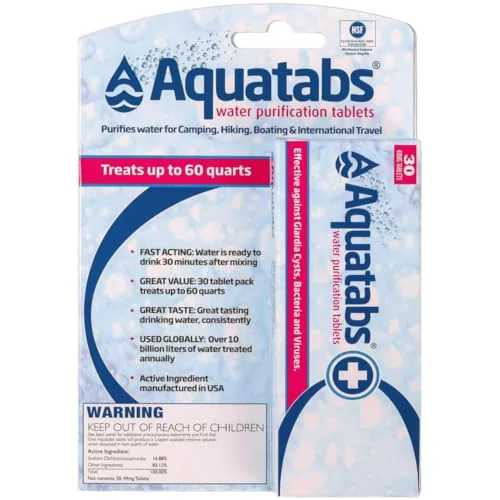
6 Best Water Purification Tablets (2026 Review Guide)
Jul 2, 2026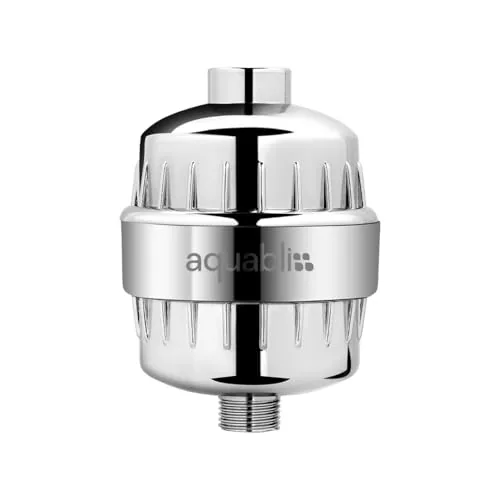
7 Best Shower Filters For Hard Water (2026 Review Guide)
Jul 26, 2026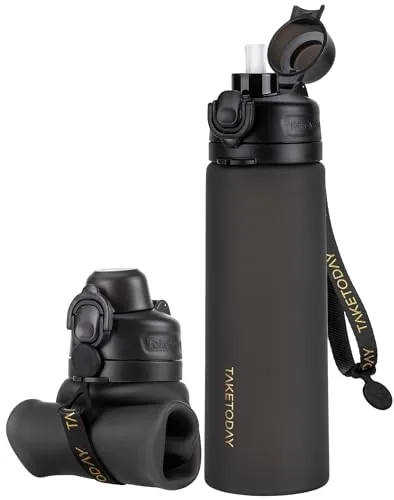
8 Best Collapsible Water Bottles For Travel (2026 Review Guide)
Jul 14, 2026
6 Best Water Filters For Hard Water (2026 Review Guide)
Jul 9, 2026
7 Best Shower Filters For Chlorine (2026 Review Guide)
Jul 27, 2026