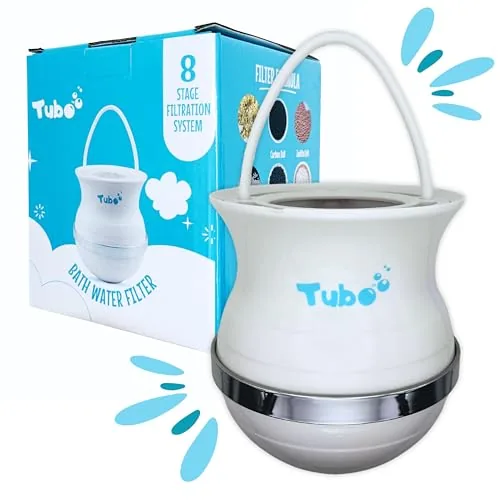
As low as $12
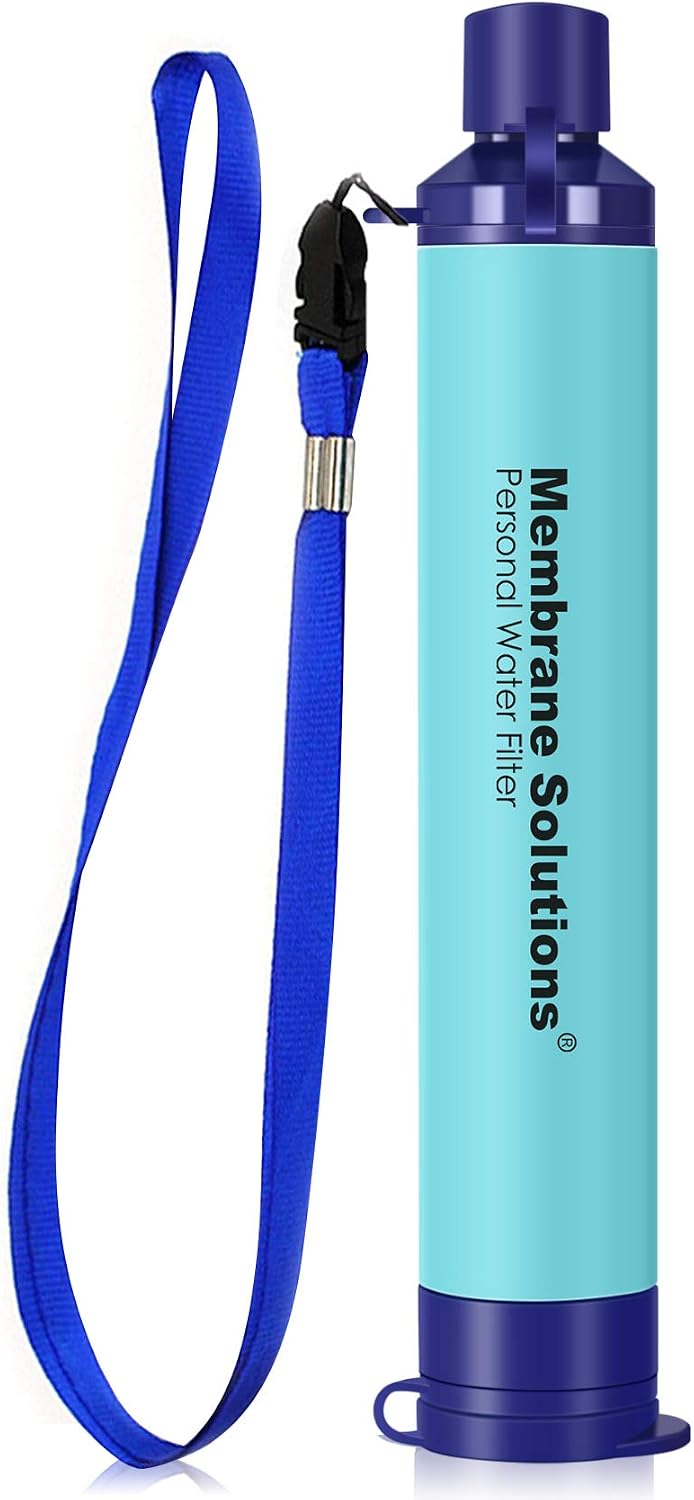
Built for travel, hiking & emergencies - drink safely whether the water is unsafe or just tastes off.
- NSF/ANSI 42, 372 & 401 certified, 0.1 micron filtration
- Filters up to 1,320 gallons - no batteries or pumping
- Ultralight - fits in any bag or pocket
- BPA-free, compatible with standard 28mm bottle threads
Tap water in Sudan is generally unsafe for travelers to drink. The country faces severe water infrastructure challenges, exacerbated by ongoing conflict since 2023, with limited treatment capacity and frequent contamination of water supplies. Travelers should rely exclusively on bottled or purified water during their stay.
Quick Reference
| Concern | Our Advice | |
|---|---|---|
| Drink tap water? | ❌ | Use bottled or filtered water |
| Brush teeth? | ❌ | Use bottled or filtered water |
| Wash fruits / veg? | ❌ | Wash with filtered or bottled water |
| Use ice in drinks? | ❌ | Avoid unless confirmed purified |
| Shower safely? | ✅ | Yes |
| Filter bottle needed? | ❌ | Strongly recommend a Membrane Solutions Filter Straw for all travelers |
| Common risks | Bacterial contamination, Waterborne parasites, Fecal coliforms, Heavy metals, Turbidity, Cholera, Typhoid, Hepatitis A |

Key Statistics


Affiliate links — we earn a small commission at no extra cost to you.
Water Infrastructure & Supply
Sudan's water infrastructure has historically been underdeveloped, with the Khartoum water supply system relying primarily on the confluence of the Blue Nile and White Nile rivers. The country's main water treatment plants, including the Khartoum, Bahri, and Omdurman facilities, were built decades ago and have struggled with maintenance and capacity issues. Rural areas have depended largely on boreholes, hand pumps, and traditional water sources such as hafirs (rain-fed reservoirs).
The armed conflict that erupted in April 2023 between the Sudanese Armed Forces and the Rapid Support Forces has devastated Sudan's already fragile water infrastructure. Water treatment plants in Khartoum and other conflict zones have been damaged or shut down, power cuts have disabled pumping stations, and supply chains for water treatment chemicals like chlorine have been severely disrupted. In many areas, residents have resorted to drinking untreated river water or contaminated well water.
Before the conflict, international organizations including UNICEF and the World Bank had invested in improving water access through programs such as the Sudan Water Supply and Sanitation Project, which aimed to rehabilitate urban water systems and expand rural water points. However, these gains have been largely reversed by the ongoing crisis. Humanitarian agencies are now focused on emergency water trucking, rehabilitation of damaged water points, and distribution of water purification supplies in displacement camps across the country.
Contamination & Health Risks
Sudan faces some of the most severe waterborne disease risks in Africa. Contamination from untreated sewage, agricultural runoff, and industrial waste is widespread, particularly along the Nile River system. Testing has frequently revealed dangerously high levels of fecal coliforms, E. coli, and elevated turbidity in municipal water supplies, even in the capital Khartoum. Heavy metals including arsenic and fluoride have been detected in groundwater sources in parts of North Kordofan, Red Sea State, and the Darfur region.
The ongoing conflict has dramatically worsened health risks. Cholera outbreaks have been reported across multiple states since mid-2023, with the WHO documenting thousands of suspected cases. Acute watery diarrhea, typhoid fever, and hepatitis A and E are endemic concerns. Displacement camps, where millions of Sudanese now live, often lack adequate water treatment and sanitation, creating ideal conditions for disease outbreaks.
For travelers , where travel is possible , the risks are significant. Even in urban hotels and restaurants, water quality cannot be guaranteed due to disrupted treatment and distribution systems. Contaminated water can cause traveler's diarrhea at minimum, and more serious conditions including cholera, dysentery, and parasitic infections. The CDC classifies Sudan as a high-risk destination for waterborne illness and recommends that all travelers use only bottled or thoroughly purified water for all consumption, including brushing teeth and washing food.
Regional Water Quality Breakdown
Khartoum
avoidThe capital has been one of the epicenters of conflict since April 2023. Water treatment plants have been damaged or are non-operational, and the piped water supply has largely collapsed. Tap water, where available, is extremely unsafe.
Port Sudan
cautionAs a major humanitarian hub and the de facto seat of government operations, Port Sudan has more stable water supply than most of the country. However, the influx of displaced populations has strained infrastructure, and tap water should still not be consumed without treatment.
Darfur Region (El Fasher, Nyala, El Geneina)
avoidThe Darfur states have experienced severe conflict and displacement. Water infrastructure was already limited before the crisis and has deteriorated further. Groundwater sources may contain elevated fluoride levels, and surface water is frequently contaminated.
Kassala & Eastern Sudan
cautionEastern Sudan has been relatively less affected by direct combat but hosts large numbers of displaced people. Water from the Gash River and local boreholes is often untreated. Seasonal flooding increases contamination risks significantly.
Northern State (Dongola, Merowe)
cautionThe northern Nile valley has been more stable and retains some functioning water infrastructure. However, treatment is inconsistent and travelers should still use bottled or purified water. The region draws water primarily from the Nile, which requires proper treatment.
Al Jazirah State (Wad Madani)
avoidWad Madani fell to armed groups in late 2023, causing massive displacement. Water and sanitation infrastructure has been severely disrupted. The region, despite being an agricultural heartland, faces acute water safety challenges.
Practical Tips for Travelers
- Always drink bottled water and check that the seal is intact before opening. Counterfeit or refilled bottles can be a risk , stick to recognized brands like Soba or buy from reputable shops.
- Carry a reliable water filter bottle such as a LifeStraw or Grayl when traveling in Sudan, as bottled water may not always be available, especially outside major towns. Strongly recommend the Membrane Solutions Filter Straw.
- Avoid ice in all drinks unless you are certain it was made from purified water. Most ice in Sudan is made from untreated tap water.
- Use bottled or purified water for brushing your teeth. Even brief exposure to contaminated water through the mouth can cause gastrointestinal illness.
- To ask for bottled water in Sudanese Arabic, say 'Ayiz moyah ma'daniyyah' ( ) for 'I want mineral water.' In restaurants, specify 'moyah gaziyyah' for sparkling or 'moyah 'adiyyah' for still.
- Peel all fruits and vegetables yourself rather than eating pre-cut produce, as it may have been washed with contaminated water. Cook vegetables thoroughly when possible.
- Pack oral rehydration salts (ORS) and anti-diarrheal medication in your travel kit. Waterborne illness is common and medical facilities may be difficult to access, especially outside Port Sudan.
- If no bottled water is available, boiling water for at least one minute (or three minutes at high altitude) is the most effective emergency purification method. Chemical purification tablets are a useful backup.
Bottled Water Availability & Cost
Bottled water in Sudan has become significantly more expensive and harder to find since the 2023 conflict began. Before the crisis, a 1.5-liter bottle of local brands like Soba or Blue Nile Water typically cost around 100-200 SDG (approximately $0.15-0.30 USD). In areas still accessible to commerce, prices have risen dramatically , sometimes three to five times pre-conflict rates, particularly in conflict-affected cities like Khartoum, El Fasher, and Port Sudan.
In relatively stable areas such as Port Sudan, bottled water remains available at shops and markets, with a 1.5-liter bottle costing approximately 500-1,000 SDG ($0.50-1.00 USD). Travelers should stock up whenever possible, as supply can be unpredictable. Carrying a high-quality water filter bottle or purification tablets (such as Aquatabs or LifeStraw products) is strongly recommended as a backup. Water sachets (small sealed plastic bags of filtered water) are commonly sold by street vendors but their safety is inconsistent and they should be avoided by travelers.
Frequently Asked Questions
Can I brush my teeth with tap water in Sudan?
No. Tap water in Sudan is not safe for brushing teeth. The water supply is frequently contaminated with bacteria and parasites that can cause illness even from small amounts ingested during brushing. Always use bottled or purified water.
Is it safe to shower in Sudanese tap water?
Showering is generally safe as long as you keep your mouth closed and avoid swallowing any water. If you have open cuts or wounds, consider using purified water to clean them. Be cautious with children during bath time.
Is ice safe in drinks in Sudan?
Ice should be avoided in Sudan. Most ice is made from untreated tap water and carries the same contamination risks. Even in hotels and restaurants, there is no reliable way to confirm ice has been made from purified water unless the establishment specifically states so.
Can I drink water served in restaurants in Sudan?
Only drink water from sealed bottles that you open yourself. Water served in glasses or jugs in restaurants is typically unfiltered tap water or water of uncertain origin. Politely request a sealed bottle instead.
How much does bottled water cost in Sudan?
Prices have risen significantly due to the ongoing conflict. A 1.5-liter bottle typically costs 500-1,000 SDG (roughly $0.50-1.00 USD) in accessible areas like Port Sudan. In conflict-affected or remote areas, prices may be much higher or water may be unavailable entirely.
Is it safe to travel to Sudan right now?
As of 2025-2026, most governments advise against all travel to Sudan due to the ongoing armed conflict. If travel is absolutely necessary, stick to relatively stable areas like Port Sudan and follow all embassy guidance. Water safety is just one of many serious concerns for anyone in the country.
What waterborne diseases are common in Sudan?
Sudan has high rates of cholera, typhoid fever, hepatitis A and E, dysentery, and various parasitic infections including giardia and amoebic dysentery. The conflict has worsened outbreak risks significantly. Travelers should ensure vaccinations for hepatitis A and typhoid are up to date before any trip.
Are water sachets (bagged water) safe to drink in Sudan?
Water sachets sold by street vendors are not recommended for travelers. While some are produced under reasonably hygienic conditions, quality control is inconsistent and many are simply filled with untreated water. Stick to sealed commercially bottled water or use your own purification system.
Traveling Nearby?
Check tap water safety in neighboring countries:
Central African Republic Chad Egypt Eritrea Ethiopia Libya South SudanInteresting Product Reviews
9 Best Water Descalers (2026 Review Guide)
Aug 15, 2026
6 Best Travel Water Filter Bottles (2026 Review Guide)
Jul 16, 2026
7 Best Shower Filters For Hard Water (2026 Review Guide)
Jul 26, 2026
8 Best Countertop Ice Makers (2026 Review Guide)
Aug 10, 2026
8 Best Water Filters For Rv Living (2026 Review Guide)
Jul 28, 2026