Around $20
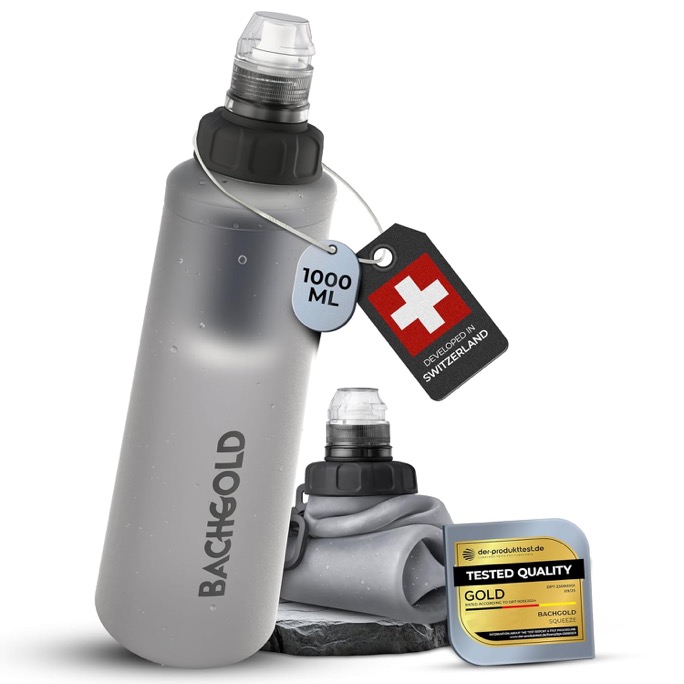
Built for travel, hiking & emergencies - drink safely whether the water is unsafe or just tastes off.
- 2-stage filtration: nanofiber layer + 0.2 micron hollow fiber membrane
- Rinse to restore flow - no replacement cartridges needed
- Collapsible 1L bottle - folds flat to pocket size
- Leak-resistant, taste-neutral, designed in Switzerland
Tap water in Angola is generally not safe for travelers to drink. Much of the country's water infrastructure was damaged during decades of civil war, and access to safely managed drinking water remains limited, particularly outside the capital Luanda. Travelers should rely on bottled or purified water throughout their visit.
Quick Reference
| Concern | Our Advice | |
|---|---|---|
| Drink tap water? | ❌ | Use bottled or filtered water |
| Brush teeth? | ❌ | Use bottled or filtered water |
| Wash fruits / veg? | ❌ | Wash with filtered or bottled water |
| Use ice in drinks? | ❌ | Avoid unless confirmed purified |
| Shower safely? | ✅ | Yes |
| Filter bottle needed? | ❌ | Strongly recommend a Bachgold Squeeze Filter Bottle for all travelers |
| Common risks | Bacterial contamination, Cholera, Typhoid, Parasitic infections, Inadequate sanitation, Heavy metals, Turbidity |

Key Statistics


Affiliate links — we earn a small commission at no extra cost to you.
Water Infrastructure & Supply
Angola's water infrastructure suffered extensive damage during the 27-year civil war that ended in 2002. Much of the country's piping network, treatment plants, and distribution systems were destroyed or fell into disrepair. Since the end of the conflict, the government has invested significantly in rebuilding, but progress has been uneven, with Luanda and other major cities receiving the most attention while rural areas remain underserved.
The main utility responsible for urban water supply is EPAL (Empresa Pblica de guas de Luanda) in the capital, and EPA (Empresa de guas) branches in provincial capitals. Luanda's water supply relies heavily on the Bengo River and the Kwanza River, treated at plants such as the Kifangondo treatment facility. However, intermittent supply, low water pressure, and aging distribution networks mean that even in Luanda, piped water can be contaminated by the time it reaches taps due to leaks and cross-contamination with sewage.
Major infrastructure projects have been underway, including the World Bank-funded Water Sector Institutional Development Project and the Bita Water Supply System expansion. China has also funded the construction of several water treatment plants across the country. Despite these efforts, coverage gaps remain large, and many Angolans still rely on informal water vendors, boreholes, and untreated surface water sources.
Contamination & Health Risks
The primary health risks from water in Angola include bacterial contamination (E. coli, Vibrio cholerae, Salmonella), parasitic infections (Giardia, Cryptosporidium), and viral pathogens. Cholera outbreaks occur periodically, particularly in Luanda's densely populated informal settlements (musseques) where sanitation infrastructure is minimal. The WHO has documented recurring cholera outbreaks linked to contaminated water sources.
Pollution sources include untreated sewage discharge into rivers, industrial effluents from oil and mining operations, and agricultural runoff. In urban areas, the lack of proper wastewater treatment means that raw sewage often contaminates the same water bodies that serve as drinking water sources. Heavy metal contamination from mining activities is a concern in provinces such as Lunda Norte and Lunda Sul.
For travelers, the practical risks are significant. Even in upscale hotels in Luanda, tap water should not be consumed directly. Ice in drinks at local establishments may be made from tap water and should be avoided unless you can confirm it was made from purified water. Raw fruits and vegetables washed with tap water can also transmit waterborne pathogens. Travelers should be vigilant about water safety throughout their entire stay.
Regional Water Quality Breakdown
Luanda
cautionLuanda has the most developed water infrastructure in the country, but intermittent supply and aging pipes mean contamination is common. Tap water should not be consumed without treatment. Hotels in upscale areas may have filtration systems, but always confirm before drinking.
Benguela & Lobito
cautionThese coastal cities have improved water systems but still experience supply interruptions and quality issues. Bottled water is readily available. Stick to sealed bottled water and avoid ice in local restaurants.
Huambo
avoidAngola's second-largest city has significant infrastructure gaps from the civil war. Water treatment capacity is limited and distribution networks are unreliable. Travelers should use only bottled or purified water.
Lubango (Hula Province)
cautionLubango has received some infrastructure investment but water quality can be inconsistent. The city's highland location provides relatively cleaner source water, but treatment and distribution remain concerns.
Cabinda
cautionThis oil-rich enclave has somewhat better infrastructure due to petroleum industry investment, but municipal water should still not be consumed directly. Oil industry compounds often have their own water treatment systems.
Rural & Remote Areas
avoidRural Angola has extremely limited access to treated water. Many communities rely on untreated river water, hand-dug wells, or boreholes of uncertain quality. Travelers venturing outside cities must bring their own water purification equipment.
Practical Tips for Travelers
- Carry a filter bottle (e.g., Bachgold Squeeze) — it removes bacteria, parasites, and microplastics from any tap or stream. Strongly recommend the Bachgold Squeeze Filter Bottle.
- Always drink bottled or purified water , look for an unbroken seal before opening any bottle, as refilled bottles are occasionally sold by street vendors.
- Use bottled water for brushing teeth, as even brief exposure to contaminated tap water can cause gastrointestinal illness.
- Carry a portable water filter or UV sterilizer such as a LifeStraw or SteriPEN, especially if traveling outside Luanda.
- In Portuguese, ask for sealed bottled water by saying 'gua engarrafada, por favor' (Bottled water, please) or 'gua sem gs' for still water and 'gua com gs' for sparkling.
- Avoid ice in drinks at local establishments unless you are at a reputable international hotel or restaurant that confirms they use purified water for ice.
- Peel all fruits yourself and avoid pre-cut salads or fruits from street vendors, as they may have been washed with untreated tap water.
- Pack oral rehydration salts (ORS) in your travel kit , they are essential for managing dehydration from traveler's diarrhea, which is common in Angola.
- Consider getting vaccinated against cholera and typhoid before your trip, especially if visiting during the rainy season (October, April) when waterborne disease risk increases.
Bottled Water Availability & Cost
Bottled water is widely available in Angola, particularly in Luanda and other major cities. Common local brands include Pura, Bem gua, and Maiombe. A 1.5-liter bottle typically costs between 300, 600 Kwanzas (approximately $0.35, $0.70 USD) in supermarkets, while smaller 500ml bottles may cost 150, 400 Kwanzas. International brands are available in upscale supermarkets at higher prices. In restaurants and hotels, bottled water is often marked up significantly, with a 500ml bottle costing $1, $3 USD.
Buying water in bulk from supermarkets such as Kero, Shoprite, or Candando is the most cost-effective approach. Five-liter jugs are commonly available for around 500, 1,000 Kwanzas. Travelers staying for extended periods may also consider using a high-quality portable water filter or UV purification device to reduce plastic waste and costs. Given Angola's limited recycling infrastructure, minimizing single-use plastic consumption is an environmentally responsible choice.
Frequently Asked Questions
Can I brush my teeth with tap water in Angola?
No, it is not recommended to brush your teeth with tap water in Angola. The water may contain bacteria and parasites that can cause gastrointestinal illness. Use bottled or purified water instead.
Is it safe to shower in Angolan tap water?
Yes, showering in tap water is generally safe as long as you keep your mouth closed and avoid swallowing any water. If you have open wounds or cuts, you may want to take extra precautions.
Can I have ice in my drinks in Angola?
It's best to avoid ice in drinks unless you're at an upscale hotel or restaurant that uses purified water for making ice. In local establishments and street vendors, ice is often made from untreated tap water.
Do restaurants in Luanda serve safe drinking water?
Most restaurants in Luanda serve bottled water, which is safe. Do not accept unsealed water or water served from a jug unless the restaurant confirms it has been filtered or purified. Higher-end restaurants typically have reliable water treatment.
How much does bottled water cost in Angola?
A 1.5-liter bottle of water typically costs 300, 600 Kwanzas ($0.35, $0.70 USD) in supermarkets. In restaurants and hotels, prices can be significantly higher, ranging from $1, $3 USD for a small bottle. Buying in bulk from supermarkets is the most economical option.
Is cholera a risk for travelers in Angola?
Yes, cholera outbreaks occur periodically in Angola, particularly in Luanda's informal settlements and during the rainy season. Travelers can reduce their risk by drinking only bottled or purified water, avoiding raw foods washed in tap water, and maintaining good hand hygiene. Pre-travel cholera vaccination is recommended.
Is the water quality better in Angolan hotels?
International and high-end hotels in Luanda often have their own water filtration systems, making their tap water safer than municipal water. However, it is still advisable to confirm with hotel staff whether the tap water is filtered before drinking it. Many hotels provide complimentary bottled water in rooms.
Can I use a water filter bottle instead of buying bottled water in Angola?
Yes, a high-quality water filter bottle with bacterial and parasitic filtration capabilities (such as LifeStraw, Grayl, or Sawyer) is an excellent option for travelers in Angola. It can save money, reduce plastic waste, and provide reliable safe drinking water. Make sure your filter is rated to remove bacteria, protozoa, and ideally viruses.
Traveling Nearby?
Check tap water safety in neighboring countries:
DR Congo Republic of the Congo Namibia ZambiaInteresting Product Reviews
8 Best Countertop Water Filters For Renters (2026 Review Guide)
Jul 20, 2026
9 Best Water Filters For Sulfur Smell (Rotten Egg Water) (2026 Review Guide)
Aug 1, 2026
8 Best Water Filters For Pfas (Forever Chemicals) (2026 Review Guide)
Jul 30, 2026
6 Best Hydration Backpacks (2026 Review Guide)
Aug 8, 2026
9 Best Water Filters For Chloramine (2026 Review Guide)
Jul 29, 2026