As low as $12
Built for travel, hiking & emergencies - drink safely whether the water is unsafe or just tastes off.
- NSF/ANSI 42, 372 & 401 certified, 0.1 micron filtration
- Filters up to 1,320 gallons - no batteries or pumping
- Ultralight - fits in any bag or pocket
- BPA-free, compatible with standard 28mm bottle threads
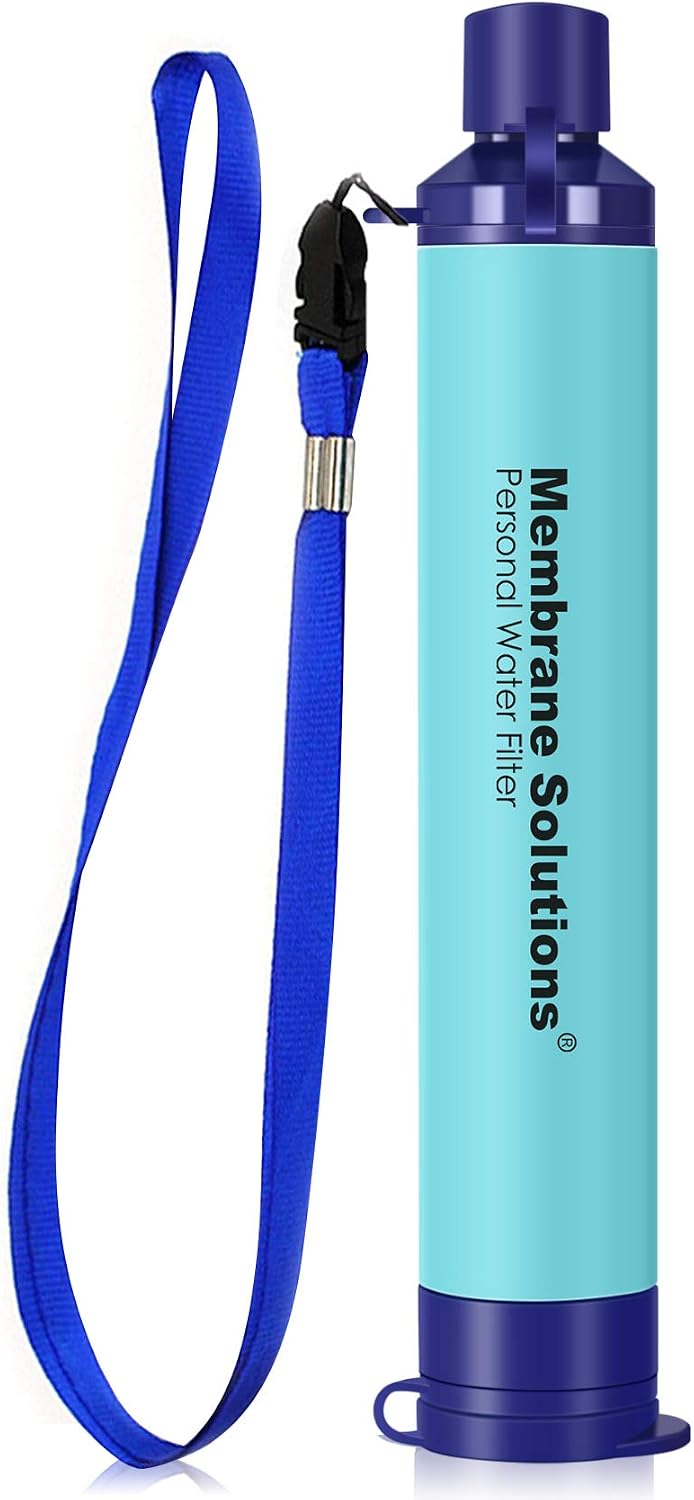
Tap water in Belarus is generally not recommended for drinking by travelers. While urban water treatment facilities exist, aging Soviet-era infrastructure, potential heavy metal contamination, and inconsistent water quality across regions mean that visitors should rely on bottled or filtered water for drinking purposes.
Quick Reference
| Concern | Our Advice | |
|---|---|---|
| Drink tap water? | ❌ | Use bottled or filtered water |
| Brush teeth? | ✅ | Yes, no concerns |
| Wash fruits / veg? | ✅ | Yes, safe to use tap water |
| Use ice in drinks? | ❌ | Avoid unless confirmed purified |
| Shower safely? | ✅ | Yes |
| Filter bottle needed? | ❌ | Strongly recommend a Membrane Solutions Filter Straw for all travelers |
| Common risks | Heavy metals, Aging pipe infrastructure, Nitrate contamination, Bacterial contamination in rural areas, Iron and manganese deposits, Residual chlorination byproducts |

Key Statistics


Affiliate links — we earn a small commission at no extra cost to you.
Water Infrastructure & Supply
Belarus inherited much of its water infrastructure from the Soviet era, with centralized water treatment plants and extensive pipe networks built primarily in the 1960s, 1980s. The country relies heavily on groundwater sources, which supply approximately 85% of drinking water. Surface water from rivers like the Dnieper, Western Dvina, and Neman supplements supply for larger cities.
The main technical challenge is the aging pipe network. Many distribution pipes are over 40 years old and suffer from corrosion, leading to elevated iron, manganese, and occasionally lead levels at the tap even when water leaves treatment plants meeting standards. Water treatment typically includes aeration, filtration, and chlorination, but not all facilities use modern multi-barrier treatment. Minsk has relatively modern treatment capacity, while smaller cities and rural areas may have more limited treatment.
The Belarusian government has invested in water infrastructure modernization through national programs, including the "Clean Water" state program that has aimed to upgrade treatment plants, replace deteriorated pipes, and improve monitoring. International cooperation with organizations like the UNDP and European partners has supported some of these improvements, particularly in cities like Grodno and Brest. Despite progress, full modernization of the distribution network remains an ongoing multi-decade effort.
Contamination & Health Risks
The primary health risks from Belarusian tap water relate to infrastructure rather than source water quality. Iron and manganese concentrations frequently exceed recommended levels due to pipe corrosion, which can cause discoloration and an unpleasant metallic taste. In some agricultural regions, particularly in southern and central Belarus, nitrate contamination from fertilizer runoff has been detected in groundwater sources, posing potential risks especially for infants and young children.
The legacy of the 1986 Chernobyl nuclear disaster remains a concern in southeastern Belarus, where the Gomel and Mogilev oblasts were most affected by radioactive fallout. While surface water contamination has decreased significantly over decades, some localized areas may still have elevated levels of radionuclides in groundwater. Belarusian authorities conduct monitoring, but independent verification can be limited.
For travelers, the most practical risks are gastrointestinal discomfort from unfamiliar bacterial flora and the taste and odor issues caused by heavy chlorination and mineral content. Short-term visitors are advised to avoid drinking unfiltered tap water and to be cautious about ice in drinks at establishments outside major hotels and international restaurants. Showering and brushing teeth with tap water is generally safe, as the water meets bathing standards even if not ideal for consumption.
Regional Water Quality Breakdown
Minsk
cautionMinsk has the most modern water treatment infrastructure in Belarus, drawing from both groundwater and the Vileika-Minsk water system. Water quality at the treatment plant is generally good, but aging distribution pipes can introduce iron and other contaminants. Boiling or filtering is still recommended for drinking.
Brest
cautionBrest has undergone water infrastructure improvements in recent years, including EU-supported modernization projects. Water quality is relatively acceptable by Belarusian standards but still not recommended for direct consumption by travelers due to pipe infrastructure issues.
Grodno
cautionGrodno benefits from upgrades to its water treatment system, partly supported by cross-border cooperation programs with neighboring Poland and Lithuania. Tap water quality has improved but remains variable depending on the district and pipe age.
Gomel
avoidGomel, located in southeastern Belarus, was significantly affected by the Chernobyl disaster. While official monitoring indicates water meets safety standards, the region's proximity to the exclusion zone and potential for residual radionuclide contamination makes bottled water strongly recommended for all visitors.
Mogilev
cautionMogilev's water supply comes primarily from groundwater with conventional treatment. The city has older infrastructure with known iron contamination issues in certain districts. Travelers should use bottled or filtered water for drinking.
Vitebsk
cautionVitebsk draws water from the Western Dvina river and groundwater sources. Water treatment is adequate but the distribution system shows its age. The water may have a noticeable chlorine taste and elevated mineral content.
Practical Tips for Travelers
- Carry a filter straw (e.g., Membrane Solutions) — it removes bacteria, parasites, and microplastics from any tap or stream. Strongly recommend the Membrane Solutions Filter Straw.
- Always use bottled or filtered water for drinking in Belarus. Even in Minsk, tap water quality can vary by neighborhood due to pipe conditions.
- To ask for bottled water in Russian (widely spoken in Belarus), say ' , ' (Butylku vody, pozhaluysta) , meaning 'A bottle of water, please.'
- If ordering water in a restaurant, specify ' ' (bez gaza) for still water or ' ' (s gazom) for sparkling to get exactly what you want.
- Boiling tap water for at least one minute is an effective way to make it safe for drinking, and many Belarusian hotels provide electric kettles in rooms.
- Carry a filtered water bottle like a Grayl GeoPress or LifeStraw Go , these remove bacteria, parasites, and many heavy metals, making tap water safe to drink on the go.
- Avoid ice in drinks at smaller cafes and street vendors, as it may be made from unfiltered tap water. International hotels and upscale restaurants are generally safer.
- When visiting the Gomel or southeastern regions, be extra cautious with all water sources due to the Chernobyl legacy and stick exclusively to sealed bottled water.
- Stock up on large water bottles at supermarket chains like Euroopt or Korona, which offer the best prices , significantly cheaper than buying from kiosks or hotel minibars.
Bottled Water Availability & Cost
Bottled water is widely available throughout Belarus in supermarkets, kiosks, gas stations, and restaurants. Popular local brands include Darida, Minsk Kristall, and Akvadiv, which are affordable and readily found. A 0.5L bottle of water typically costs 1.50, 3.00 BYN (approximately $0.45, $0.90 USD) in shops, while restaurant prices are higher at around 3, 7 BYN ($0.90, $2.10 USD). International brands like Bonaqua and Evian are also available at higher prices.
For budget-conscious travelers, purchasing water in larger 1.5L or 5L bottles from supermarkets like Euroopt, Green, or Korona is the most economical option, with 1.5L bottles costing around 2, 4 BYN ($0.60, $1.20 USD). Carrying a reusable bottle with a quality filter like a LifeStraw or Grayl is an excellent sustainable alternative that reduces plastic waste while ensuring safe drinking water. Tap water in hotels can generally be used for making tea or coffee if boiled first, as boiling effectively neutralizes most biological contaminants.
Frequently Asked Questions
Can I brush my teeth with tap water in Belarus?
Yes, brushing your teeth with tap water in Belarus is generally safe in urban areas. The water meets basic hygiene standards even if it's not ideal for drinking. Just avoid swallowing large amounts, and if you have a sensitive stomach, you may prefer using filtered or bottled water.
Is it safe to shower in Belarusian tap water?
Yes, showering with tap water in Belarus is safe throughout the country. The water is treated and chlorinated. You may notice a slight chlorine smell or mineral deposits, but it poses no health risk for bathing. Those with very sensitive skin might notice some dryness from the hard water and chlorine.
Can I drink ice in my drinks in Belarus?
In upscale hotels and international restaurants in Minsk, ice is generally made from filtered or purified water and is safe. However, at smaller establishments, street cafes, and in provincial cities, ice may be made from unfiltered tap water. When in doubt, request drinks without ice.
Do restaurants in Belarus serve safe drinking water?
Most restaurants in Belarus serve bottled water rather than tap water with meals. Water is not typically offered for free , you'll need to order it. In better restaurants, sealed bottled water is standard. Avoid accepting unsealed carafes of water from less established venues.
How much does bottled water cost in Belarus?
Bottled water is very affordable in Belarus. A 0.5L bottle costs around 1.50, 3.00 BYN ($0.45, $0.90 USD) in shops, while a 1.5L bottle runs 2, 4 BYN ($0.60, $1.20 USD). Restaurant prices are about double. International brands cost more than local options like Darida.
Is tap water in Minsk safer than in other Belarusian cities?
Yes, Minsk generally has the best water infrastructure in Belarus with more modern treatment facilities and better-maintained pipes in central areas. However, even in Minsk, quality can vary by district, and the water is not considered safe for direct consumption by international travelers without filtering or boiling.
Is there radiation in the water near Chernobyl-affected areas?
The Gomel and southern Mogilev oblasts were most affected by the 1986 Chernobyl disaster. While Belarusian authorities state that water meets safety standards after decades of natural decay and remediation, travelers to these regions are strongly advised to use only sealed bottled water as an extra precaution.
Can I use a water filter bottle in Belarus instead of buying bottled water?
Absolutely , a quality filter bottle is one of the best investments for traveling in Belarus. Look for filters rated to remove bacteria, heavy metals, and chemical contaminants. Brands like Grayl, LifeStraw, or Sawyer are popular choices. This saves money, reduces plastic waste, and ensures safe drinking water from any tap.
Traveling Nearby?
Check tap water safety in neighboring countries:
Latvia Lithuania Poland Russia UkraineInteresting Product Reviews
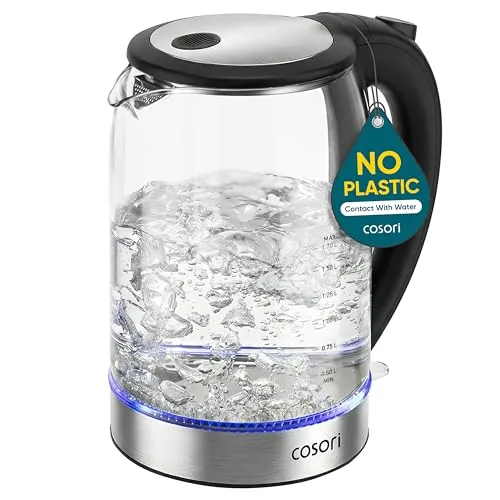
6 Best Kettles (2026 Review Guide)
Aug 11, 2026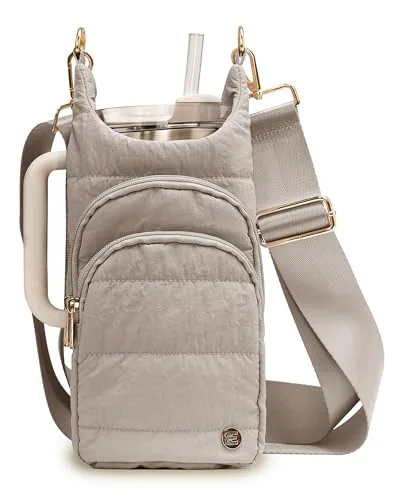
8 Best Water Bottle Carriers And Slings (2026 Review Guide)
Aug 8, 2026
9 Best Paddle Boards (2026 Review Guide)
Aug 26, 2026
7 Best Smart Water Bottles (2026 Review Guide)
Aug 7, 2026
6 Best Water Softeners (2026 Review Guide)
Aug 13, 2026