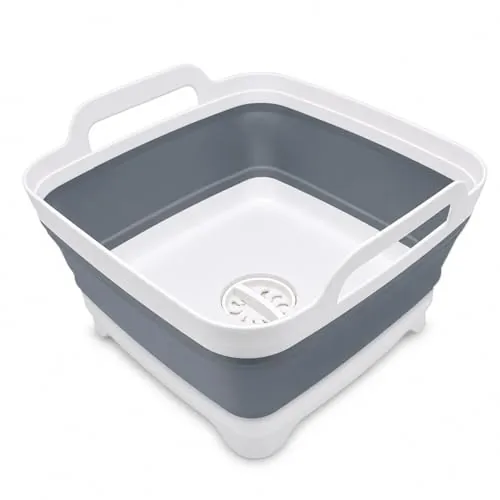
As low as $12
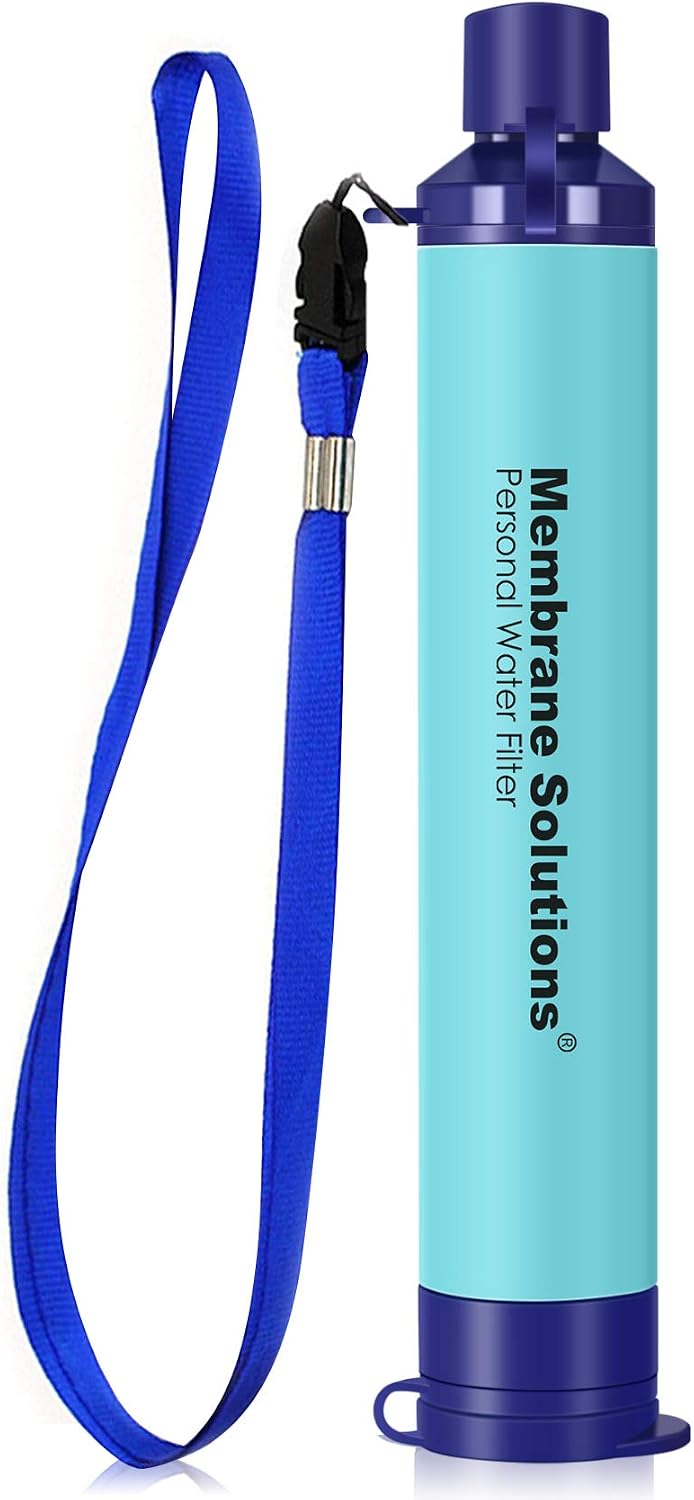
Built for travel, hiking & emergencies - drink safely whether the water is unsafe or just tastes off.
- NSF/ANSI 42, 372 & 401 certified, 0.1 micron filtration
- Filters up to 1,320 gallons - no batteries or pumping
- Ultralight - fits in any bag or pocket
- BPA-free, compatible with standard 28mm bottle threads
Tap water in Afghanistan is generally unsafe for travelers to drink. Decades of conflict have severely damaged water infrastructure, and contamination from bacteria, sewage, and heavy metals is widespread. Travelers should rely exclusively on bottled or purified water during their visit.
Quick Reference
| Concern | Our Advice | |
|---|---|---|
| Drink tap water? | ❌ | Use bottled or filtered water |
| Brush teeth? | ❌ | Use bottled or filtered water |
| Wash fruits / veg? | ❌ | Wash with filtered or bottled water |
| Use ice in drinks? | ❌ | Avoid unless confirmed purified |
| Shower safely? | ✅ | Yes |
| Filter bottle needed? | ❌ | Strongly recommend a Membrane Solutions Filter Straw for all travelers |
| Common risks | Bacterial contamination, E. coli, Fecal coliforms, Heavy metals, Arsenic, Nitrate contamination, Waterborne parasites, Hepatitis A, Typhoid |

Key Statistics


Affiliate links — we earn a small commission at no extra cost to you.
Water Infrastructure & Supply
Afghanistan's water infrastructure has been devastated by more than four decades of armed conflict, including the Soviet-Afghan War, civil war, and the post-2001 insurgency. Many urban water supply systems built in the 1960s and 1970s with international assistance were destroyed or fell into disrepair. Rural areas have historically relied on shallow wells, springs, karezes (traditional underground channels), and river water, most of which lack any treatment.
In Kabul, the Afghanistan Urban Water Supply and Sewerage Corporation (AUWSSC) operates a piped water network, but it reaches only a fraction of the city's rapidly growing population of over 5 million. The system suffers from intermittent supply, low pressure, aging pipes, and cross-contamination with sewage. Most residents rely on private wells that tap into shallow aquifers often contaminated with fecal matter and nitrates. Groundwater levels in Kabul have dropped significantly due to over-extraction.
International organizations including UNICEF, the World Bank, and the International Committee of the Red Cross have invested in water projects across the country, installing hand pumps, solar-powered wells, and small gravity-fed systems. However, since the Taliban takeover in August 2021, many international aid programs have been disrupted, and the sustainability of existing infrastructure remains a serious concern due to lack of maintenance funding and technical capacity.
Contamination & Health Risks
Waterborne diseases are among the leading causes of illness and death in Afghanistan, particularly among children under five. E. coli and fecal coliform contamination is widespread in both surface water and shallow groundwater. Studies have found that a significant proportion of water sources across the country exceed WHO guidelines for microbiological contamination, with diarrheal diseases remaining endemic.
Arsenic contamination is a major concern in several provinces, particularly in the northern and eastern regions. Research by UNICEF and the Afghan Ministry of Rural Rehabilitation and Development has identified dangerously high arsenic levels in wells in provinces such as Ghazni, Zabul, Balkh, and Kunduz. Long-term exposure can cause skin lesions, cardiovascular disease, and cancer. Nitrate contamination from agricultural runoff and human waste is also common, particularly near urban settlements.
For travelers, the risks are severe. Consuming untreated tap water, using ice made from local water, or eating raw produce washed in tap water can lead to traveler's diarrhea, hepatitis A, typhoid fever, or cholera. Showering is generally safe as long as water is not ingested, but brushing teeth should only be done with bottled or purified water. The CDC classifies Afghanistan as a destination where travelers should take maximum precautions regarding water safety.
Regional Water Quality Breakdown
Kabul
avoidKabul's piped water system reaches only a small portion of residents and is frequently contaminated. Shallow wells that supply most of the population have high levels of E. coli and nitrates. Travelers should use only bottled or purified water.
Herat
avoidHerat has a limited municipal water system, and many residents rely on groundwater from wells. Water quality testing has revealed bacterial contamination and some heavy metal presence. Bottled water is recommended for all consumption.
Mazar-i-Sharif
avoidThe northern city of Mazar-i-Sharif has improved water infrastructure compared to some areas, but supply is unreliable and contamination remains a concern. Arsenic has been detected in some wells in Balkh Province. Do not drink tap water.
Jalalabad
avoidNangarhar Province, including Jalalabad, relies heavily on groundwater and canal water. High bacterial contamination and agricultural runoff make the water unsafe for drinking. Boiling or filtering water is essential.
Kandahar
avoidKandahar's water supply is drawn from the Arghandab River system and groundwater. Infrastructure damage from decades of conflict means treatment is minimal. E. coli contamination is frequently detected in samples.
Bamyan
cautionBamyan benefits from relatively cleaner mountain spring water and some NGO-installed systems, making it slightly better than lowland cities. However, treatment is still absent in most areas, and travelers should still purify all drinking water.
Practical Tips for Travelers
- Always drink bottled or purified water , never consume tap water, well water, or unfiltered river water anywhere in Afghanistan.
- Use bottled water for brushing your teeth. Keep a bottle by the sink as a reminder, even in hotels.
- Carry a reliable filter bottle such as Grayl GeoPress or LifeStraw Go, which can remove bacteria, parasites, and some chemicals from untreated water. Strongly recommend the Membrane Solutions Filter Straw.
- Avoid ice in drinks unless you can confirm it was made from purified water. In local restaurants, ice is almost always made from untreated water.
- Peel all fruits and vegetables or wash them thoroughly with purified water before eating. Avoid raw salads in restaurants.
- In Dari (Afghan Persian), you can ask for safe water by saying ' ' (Aab-e-paak lotfan) meaning 'Clean water please,' or ask for bottled water with ' ' (Aab-e-botali).
- Boiling water for at least one minute (three minutes above 2,000 meters altitude, such as in Bamyan) is an effective method of purification if bottled water is unavailable.
- Pack oral rehydration salts (ORS) in your travel kit. If you experience diarrhea, these can help prevent dangerous dehydration in a country where medical facilities are limited.
Bottled Water Availability & Cost
Bottled water is widely available in Afghan cities, particularly in Kabul, Mazar-i-Sharif, Herat, and Jalalabad. Common local brands include Crystal, Kabul Water, and Afghan Pamir. A 1.5-liter bottle typically costs 20, 40 Afghanis (approximately $0.25, $0.50 USD), while smaller 500ml bottles cost around 10, 20 Afghanis. International brands are rare and significantly more expensive when available.
Travelers should buy bottled water from reputable shops and always check that the seal is intact, as refilled bottles are occasionally sold. Buying in bulk (cases of 6 or 12 bottles) from larger stores can reduce costs. Given the environmental challenges in Afghanistan, where waste management is extremely limited, travelers should consider carrying a high-quality filter bottle such as a LifeStraw or Grayl to reduce plastic waste while ensuring safe drinking water.
Frequently Asked Questions
Can I brush my teeth with tap water in Afghanistan?
No. Tap water and well water in Afghanistan frequently contain harmful bacteria and parasites. Always use bottled or purified water for brushing your teeth to avoid the risk of gastrointestinal illness.
Is it safe to shower in Afghanistan tap water?
Showering is generally safe as long as you keep your mouth closed and avoid swallowing any water. If you have open wounds or cuts, you may want to use purified water to clean them instead of tap water.
Can I eat ice in Afghan restaurants?
It is strongly advised to avoid ice in drinks throughout Afghanistan. Ice is typically made from untreated local water and carries the same contamination risks. Stick to sealed bottled beverages.
Is bottled water easy to find in Afghanistan?
Yes, bottled water is widely available in cities and larger towns, sold at shops, restaurants, and markets. A 1.5-liter bottle typically costs 20, 40 Afghanis ($0.25, $0.50 USD). Always check the seal before purchasing.
What waterborne diseases should I worry about in Afghanistan?
The main risks include traveler's diarrhea, typhoid fever, hepatitis A, cholera, and parasitic infections like giardiasis. Ensure you are vaccinated for hepatitis A and typhoid before your trip, and carry a course of antibiotics as recommended by your travel doctor.
Is the water safer in rural mountain areas like Bamyan?
Mountain spring water in places like Bamyan may be cleaner than lowland urban water, but it is still not reliably safe for travelers. There is no consistent treatment or testing, and even clear-looking mountain water can contain bacteria or parasites. Always purify before drinking.
Do hotels in Kabul provide safe drinking water?
Better hotels in Kabul typically provide sealed bottled water for guests. However, tap water in hotels is not safe to drink regardless of the hotel's quality. Always confirm that bottled water seals are intact and avoid using tap water for drinking or brushing teeth.
Is there an arsenic problem in Afghan water?
Yes, arsenic contamination is a serious issue in several provinces including Ghazni, Zabul, Balkh, and Kunduz. Arsenic is tasteless and odorless, so you cannot detect it. Standard filter bottles may not remove arsenic , for long-term stays, use reverse osmosis purification or rely on tested bottled water sources.
Traveling Nearby?
Check tap water safety in neighboring countries:
China Iran Pakistan Tajikistan Turkmenistan UzbekistanInteresting Product Reviews
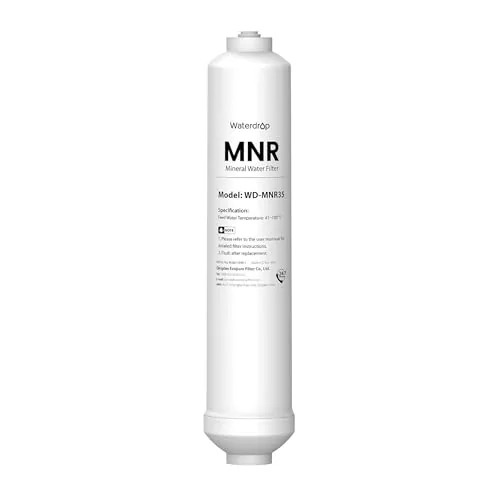
6 Best Remineralization Filters For Ro Systems (2026 Review Guide)
Jul 28, 2026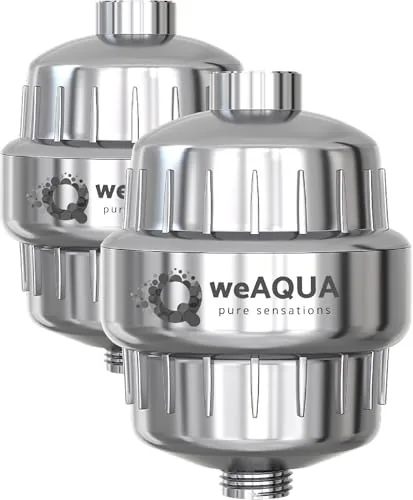
7 Best Shower Filters For Chlorine (2026 Review Guide)
Jul 27, 2026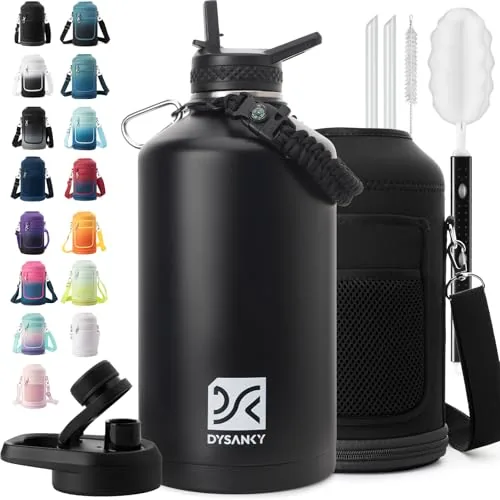
9 Best Gallon Water Jugs (2026 Review Guide)
Aug 8, 2026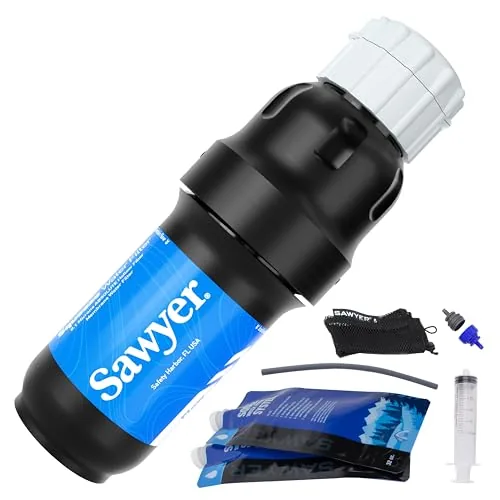
8 Best Squeeze Water Filters (2026 Review Guide)
Jul 20, 2026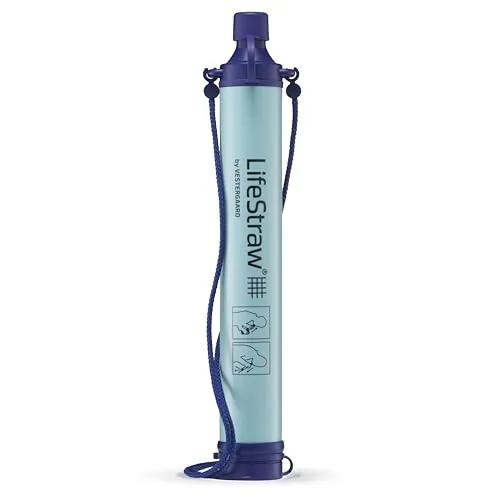
9 Best Water Filters For Backpacking (2026 Review Guide)
Jul 19, 2026