As low as $12
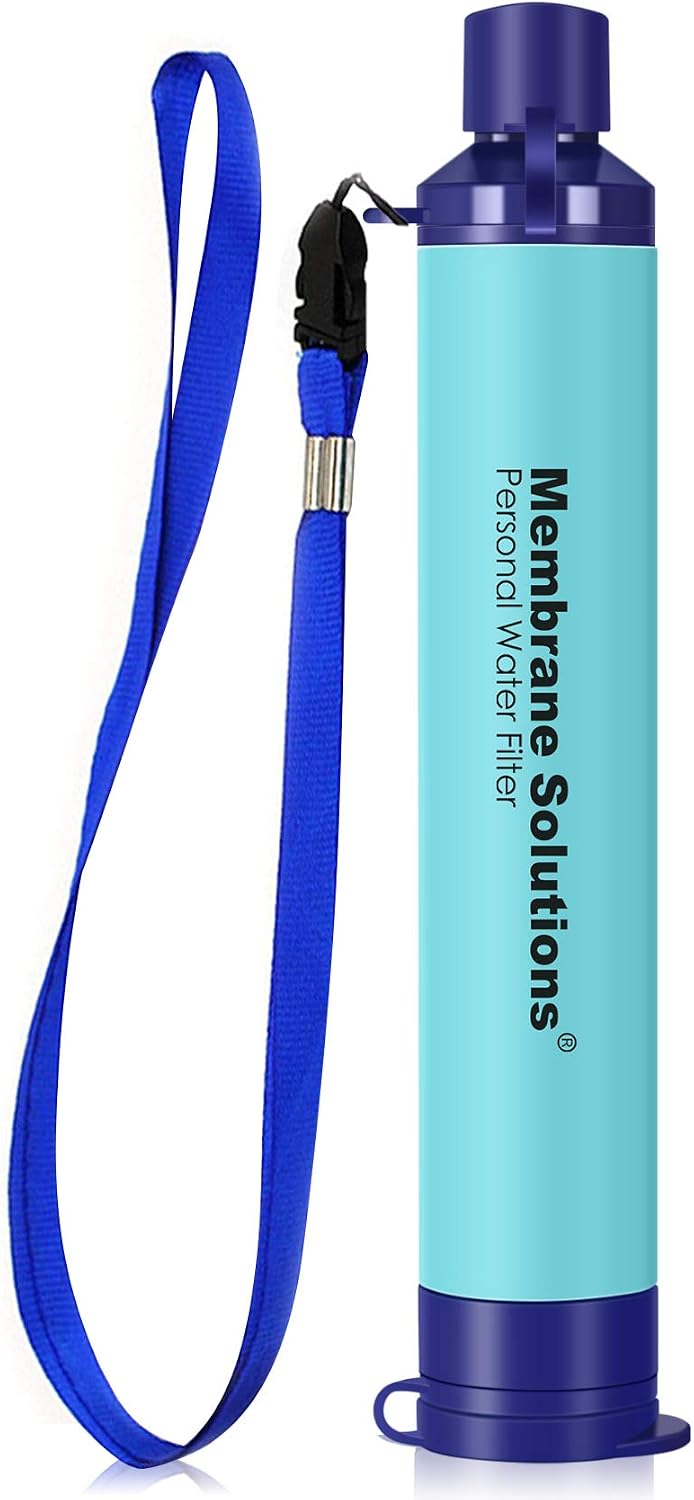
Built for travel, hiking & emergencies - drink safely whether the water is unsafe or just tastes off.
- NSF/ANSI 42, 372 & 401 certified, 0.1 micron filtration
- Filters up to 1,320 gallons - no batteries or pumping
- Ultralight - fits in any bag or pocket
- BPA-free, compatible with standard 28mm bottle threads
Tap water in Fiji's main urban areas like Suva and Nadi is treated and generally considered safe for locals, but travelers are advised to exercise caution and drink bottled or filtered water, especially outside major cities. Rural areas and outer islands often rely on untreated rainwater or groundwater, which may carry bacterial and parasitic contamination. A filter bottle is strongly recommended for anyone traveling beyond Fiji's main towns.
Quick Reference
| Concern | Our Advice | |
|---|---|---|
| Drink tap water? | ❌ | Use bottled or filtered water |
| Brush teeth? | ✅ | Yes, no concerns |
| Wash fruits / veg? | ❌ | Wash with filtered or bottled water |
| Use ice in drinks? | ❌ | Avoid unless confirmed purified |
| Shower safely? | ✅ | Yes |
| Filter bottle needed? | ❌ | Strongly recommend a Membrane Solutions Filter Straw for all travelers |
| Common risks | Bacterial contamination, Parasitic infections, Typhoid, Leptospirosis, Sediment and turbidity after heavy rain, Agricultural runoff, Aging infrastructure leaks |

Key Statistics


Affiliate links — we earn a small commission at no extra cost to you.
Water Infrastructure & Supply
Fiji's water supply is primarily managed by the Water Authority of Fiji (WAF), a government entity established in 2010 that oversees water treatment, distribution, and wastewater services across the country. WAF operates multiple treatment plants on Viti Levu and Vanua Levu, the two largest islands, with the largest facilities serving the Suva-Nausori corridor and the Nadi-Lautoka area. The infrastructure has its roots in colonial-era systems that have been progressively upgraded, though significant portions of the pipe network remain aging and prone to leaks and contamination, especially during cyclone season.
The main treatment plants use conventional processes including coagulation, flocculation, sedimentation, sand filtration, and chlorine disinfection. However, Fiji's vulnerability to tropical cyclones and heavy rainfall events means that raw water turbidity can spike dramatically, sometimes overwhelming treatment capacity and leading to boil-water advisories. Smaller towns and rural communities often depend on borehole water, spring-fed gravity systems, or rainwater harvesting tanks, many of which lack any formal treatment or regular water quality monitoring.
The Fijian government has invested heavily in water infrastructure improvement with support from international partners including the Asian Development Bank, the World Bank, and the governments of Australia and New Zealand. Major projects include the Suva-Nausori Water Supply and Sewerage Project and the Greater Suva Urban Water Supply and Wastewater Management Investment Program, aimed at reducing non-revenue water losses (estimated at over 50% in some areas), expanding treatment capacity, and extending reticulated water to underserved communities. Despite progress, achieving universal access to safely managed drinking water remains an ongoing challenge, particularly for remote island communities.
Contamination & Health Risks
The primary health risks from water in Fiji include bacterial pathogens such as E. coli and Salmonella, parasites like Giardia and Cryptosporidium, and occasional typhoid outbreaks linked to contaminated water sources. Leptospirosis is also a significant waterborne disease risk, particularly after flooding events when animal waste enters waterways and water supplies. The WHO has documented periodic outbreaks of diarrheal diseases tied to water contamination, particularly in informal settlements and rural areas.
Agricultural runoff from sugarcane farming and livestock operations introduces nitrates, pesticides, and organic matter into surface water sources. In some coastal and low-lying areas, saltwater intrusion into groundwater aquifers is an emerging concern exacerbated by climate change and rising sea levels. Urban pollution from inadequate sewage infrastructure, particularly in the greater Suva area, also affects downstream water sources.
For travelers, the practical risk is highest when consuming tap water in rural areas, outer islands, and budget accommodations that may draw from untreated sources. Even in urban areas, water quality can deteriorate significantly after heavy rains or cyclones, when treatment plants may be compromised and boil-water notices are issued. Travelers with sensitive stomachs should avoid tap water, uncooked vegetables washed in tap water, and ice of uncertain origin, particularly at street food stalls and small local restaurants.
Regional Water Quality Breakdown
Suva & Nausori
cautionSuva's municipal water is treated and chlorinated by the Water Authority of Fiji and is generally acceptable for locals. However, aging pipe infrastructure and periodic pressure drops can allow contamination to enter the system. Travelers should use filtered or bottled water for drinking, especially during or after heavy rains.
Nadi & Denarau
cautionThe Nadi area has treated municipal water and the Denarau resort island typically has high-quality water systems. Major resorts often have their own filtration systems ensuring safe drinking water. Outside the resort areas, travelers should exercise more caution and opt for bottled water.
Coral Coast & Pacific Harbour
cautionTourist resorts along the Coral Coast generally provide filtered or treated water to guests. However, smaller guesthouses and local villages in this stretch may rely on less reliable water systems. Check with your accommodation about their water source and treatment methods.
Mamanuca & Yasawa Islands
cautionThese popular resort island chains often rely on desalination plants, rainwater collection, or barged-in water. High-end resorts typically have excellent water treatment systems, while budget backpacker accommodations may have less reliable water quality. Always ask about the water source at budget establishments.
Taveuni & Northern Islands
avoidRemote northern islands and Taveuni often rely on untreated spring water, river water, or rainwater collection systems. While the water may taste clean due to minimal industrial activity, it is not guaranteed safe from bacterial or parasitic contamination. Travelers should bring filtration equipment or sufficient bottled water.
Rural Viti Levu & Interior Villages
avoidInterior villages on Viti Levu often depend on gravity-fed spring systems or river water without formal treatment. Homestay tourism is popular in these areas, but travelers should not drink water without boiling or filtering it first. Waterborne illness risk is significantly higher in these communities.
Practical Tips for Travelers
- Carry a filter bottle (such as LifeStraw or Grayl) at all times, especially when visiting outer islands, rural villages, or doing adventure activities , it will be your most valuable travel accessory in Fiji. Strongly recommend the Membrane Solutions Filter Straw.
- In Fijian, you can ask for bottled water by saying "Wai bulubulu" (bottled water) or simply ask in English, as most Fijians in tourist areas speak English fluently , "Can I have bottled water please?" works everywhere.
- At resorts, ask the front desk whether the tap water is filtered and safe to drink , many upscale resorts have their own reverse-osmosis or UV treatment systems that produce drinking-quality water.
- Avoid ice in drinks at street stalls, local markets, and small roadside restaurants. In established tourist restaurants and resorts, ice is usually made from filtered or treated water and is generally safe.
- After tropical cyclones or heavy rain events, follow local boil-water advisories strictly. The Water Authority of Fiji issues these through local radio and social media , flooding can quickly overwhelm treatment systems.
- Stock up on bottled water at supermarkets in Nadi or Suva before heading to remote islands or rural areas, where prices can double and supply may be unreliable.
- When participating in traditional kava ceremonies in villages, note that the water used to mix kava may come from untreated sources. While the cultural experience is worth having, sensitive stomachs may react , consider taking probiotics before your trip.
- Peel fruits rather than washing them with tap water, and avoid raw salads at budget eateries. Resort restaurants typically use purified water for food preparation, but it's worth confirming.
Bottled Water Availability & Cost
Bottled water is widely available throughout Fiji, especially in tourist areas, airports, hotels, and convenience stores. The most common local brand is Fiji Water, which is world-famous and actually more affordable domestically than abroad, typically costing FJ$2, 4 (US$0.90, 1.80) for a 500ml bottle and FJ$4, 7 (US$1.80, 3.15) for a 1.5L bottle. Other brands like Aqua Pacific and Nature's Best are also available at slightly lower prices. In resort areas and tourist restaurants, prices can be marked up significantly, with small bottles sometimes costing FJ$5, 8.
Buying water in bulk from supermarkets like MH Supermarket or New World is the most economical option, where a 1.5L bottle can cost as little as FJ$2.50, 3.50. Travelers staying for extended periods or visiting remote islands should stock up before departure, as prices on smaller islands can be double or triple the mainland cost, and availability may be limited. To reduce plastic waste, consider investing in a quality filter bottle or UV purifier , Fiji generates significant plastic waste from tourism, and many eco-resorts are now actively discouraging single-use plastic bottles.
Frequently Asked Questions
Can I brush my teeth with tap water in Fiji?
In major urban areas like Suva, Nadi, and at resorts, brushing your teeth with tap water is generally fine since the small amount of water exposure is minimal. However, in rural areas or on remote islands with untreated water, it's better to use bottled or filtered water for brushing.
Is it safe to shower in Fiji's tap water?
Yes, showering with tap water is safe throughout Fiji. The risk of waterborne illness comes from ingesting water, not from skin contact. Just be careful not to swallow water while showering, and keep your mouth closed.
Is the ice safe in Fiji's restaurants and bars?
At tourist resorts, established restaurants, and bars in Nadi, Suva, and Denarau, ice is typically made from filtered or purified water and is safe. At local markets, street food vendors, and small local eateries, ice may be made from untreated water, so it's best to decline or ask about the source.
How much does bottled water cost in Fiji?
A 500ml bottle of water costs approximately FJ$2, 4 (US$0.90, 1.80) at shops and supermarkets, while 1.5L bottles cost FJ$4, 7 (US$1.80, 3.15). Prices are higher at resorts and on remote islands, where a small bottle can cost FJ$5, 8 or more.
Do Fiji resorts have safe drinking water?
Most mid-range to luxury resorts in Fiji have their own water treatment systems, including reverse osmosis, UV filtration, or advanced filtration that produces safe drinking water. Many provide complimentary water bottles or refill stations. Always ask at check-in about whether the tap water in your room is drinkable.
Can I drink Fiji Water straight from the source in Fiji?
Fiji Water is sourced from an artesian aquifer in the Yaqara Valley on Viti Levu and is bottled at the source. You cannot access this aquifer yourself. The bottled product is safe to drink and widely available in Fiji, though it's not the cheapest option for daily hydration compared to other local brands.
Is the water safe to drink on Fiji's outer islands like the Yasawas?
Water quality varies significantly between islands and accommodations. Luxury resorts typically have desalination or filtration systems with safe water, while budget accommodations may rely on rainwater tanks or barged water of variable quality. Always carry backup bottled water or a filter when island-hopping.
What waterborne diseases should I worry about in Fiji?
The main risks are typhoid fever, leptospirosis (especially after flooding), and general diarrheal illness from bacteria like E. coli. Typhoid vaccination is recommended by the CDC for travelers to Fiji. Avoid wading through floodwaters, and always use safe water for drinking and food preparation.
Interesting Product Reviews
6 Best Kettles (2026 Review Guide)
Aug 11, 2026
6 Best Bacteria Water Test Kits (2026 Review Guide)
Aug 3, 2026
9 Best Well Pressure Tanks (2026 Review Guide)
Aug 14, 2026
9 Best Ph Meters For Drinking Water (2026 Review Guide)
Aug 4, 2026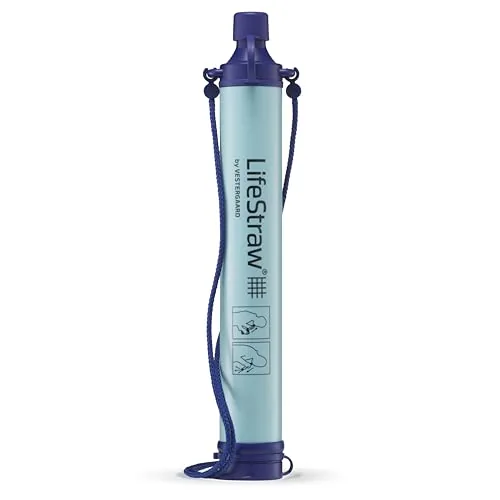
7 Best Travel Water Filters (2026 Review Guide)
Jul 16, 2026