As low as $12
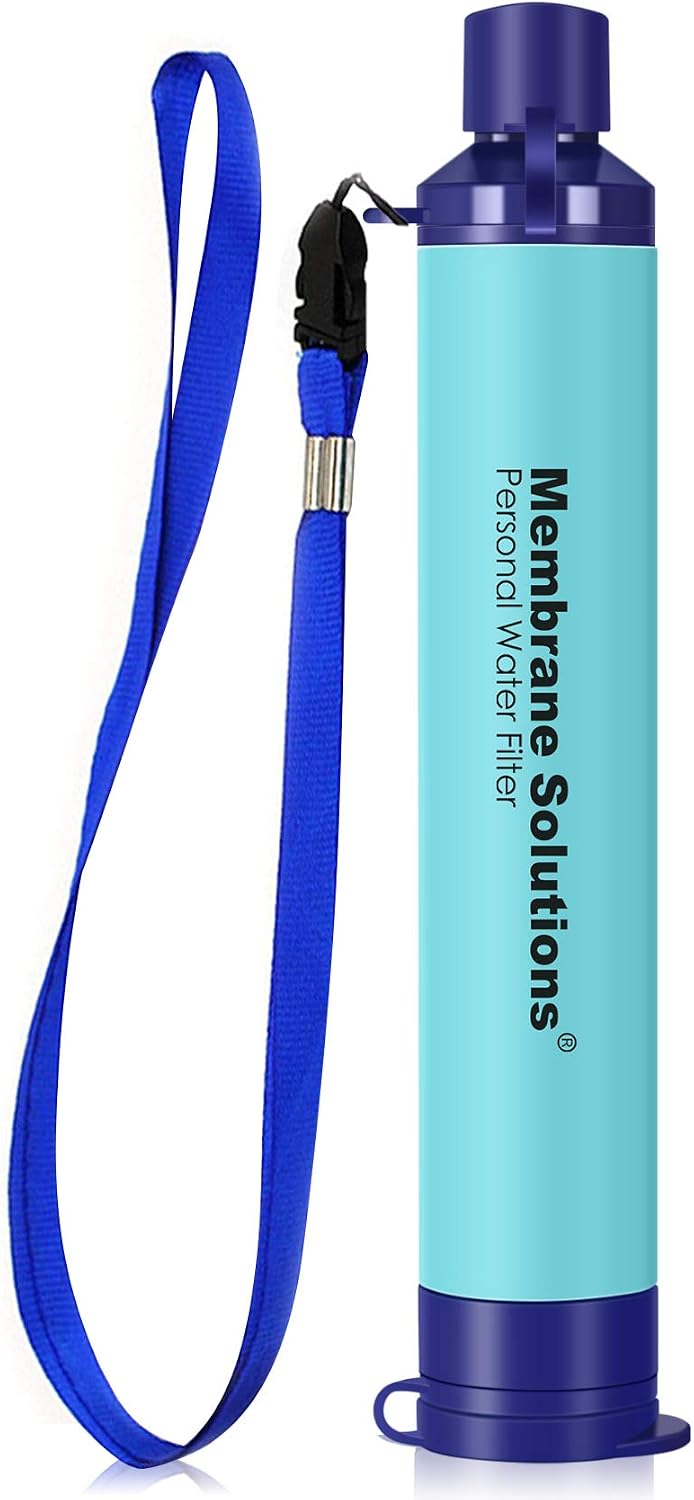
Built for travel, hiking & emergencies - drink safely whether the water is unsafe or just tastes off.
- NSF/ANSI 42, 372 & 401 certified, 0.1 micron filtration
- Filters up to 1,320 gallons - no batteries or pumping
- Ultralight - fits in any bag or pocket
- BPA-free, compatible with standard 28mm bottle threads
Tap water in Jamaica varies significantly by location. In major cities like Kingston and Montego Bay, the municipal water supply is generally treated and meets WHO standards, but in rural areas and some resort towns, water quality can be inconsistent. Most travelers opt for bottled or filtered water to avoid potential stomach issues, especially when visiting areas outside the main urban centers.
Quick Reference
| Concern | Our Advice | |
|---|---|---|
| Drink tap water? | ❌ | Use bottled or filtered water |
| Brush teeth? | ✅ | Yes, no concerns |
| Wash fruits / veg? | ✅ | Yes, safe to use tap water |
| Use ice in drinks? | ✅ | Yes, safe in restaurants |
| Shower safely? | ✅ | Yes |
| Filter bottle needed? | ❌ | Strongly recommend a Membrane Solutions Filter Straw for all travelers |
| Common risks | Bacterial contamination, Aging infrastructure, Chlorination byproducts, Agricultural runoff, Sediment after heavy rainfall, Inconsistent rural treatment |

Key Statistics


Affiliate links — we earn a small commission at no extra cost to you.
Water Infrastructure & Supply
Jamaica's water supply is primarily managed by the National Water Commission (NWC), a government-owned utility established in 1980. The NWC operates over 100 water treatment plants and approximately 500 water supply systems across the island. The infrastructure was largely built in the mid-20th century and has faced ongoing challenges with aging pipes, leading to some of the highest non-revenue water losses in the Caribbean, estimated at around 60%.
The main sources of drinking water include surface water from rivers and reservoirs, as well as significant groundwater resources from Jamaica's limestone aquifer systems. Treatment typically involves coagulation, sedimentation, filtration, and chlorination. In Kingston and the major urban areas, treatment plants operate at relatively high standards, but distribution system leaks and cross-contamination remain concerns, particularly during periods of low pressure or after tropical storms.
Several improvement projects are underway with funding from the Inter-American Development Bank and the World Bank. The Kingston Water Supply Improvement Programme aims to reduce water losses and upgrade distribution networks. The Rural Water Supply Programme is extending piped water to underserved communities. Jamaica's government has also invested in desalination plants and rainwater harvesting systems to address chronic water scarcity, particularly in the southern parishes.
Contamination & Health Risks
The primary health risks from Jamaica's tap water relate to inconsistent treatment and distribution issues rather than source water contamination. After heavy rainfall, particularly during hurricane season (June, November), turbidity can spike and treatment plants may be overwhelmed, leading to elevated levels of bacteria and sediment in the water supply. Boil-water advisories are periodically issued by the Ministry of Health in affected areas.
Agricultural runoff from the island's farming regions can introduce pesticides and nitrates into water sources, particularly in rural areas of St. Elizabeth, Clarendon, and Manchester parishes. Industrial pollution and improper wastewater disposal also contribute to contamination of some surface water sources. The low rate of wastewater treatment (~20%) means that waterborne pathogens can enter water sources, especially after flooding events.
For travelers, the most common risk is mild gastrointestinal discomfort from unfamiliar microorganisms in the water rather than serious illness. This is particularly true in rural guesthouses, small restaurants, and areas served by community water systems without consistent chlorination. Major resorts typically use on-site water treatment and filtration systems, making their tap water generally safe. However, to minimize risk, travelers are advised to use bottled or filtered water for drinking, especially outside of major cities and established resorts.
Regional Water Quality Breakdown
Kingston & St. Andrew
cautionKingston's water supply is managed by the NWC's main treatment plants and is generally chlorinated and treated to acceptable standards. However, aging distribution infrastructure can lead to intermittent pressure drops and potential contamination. Water quality is usually acceptable for brushing teeth but bottled water is recommended for drinking.
Montego Bay (St. James)
cautionMontego Bay has relatively reliable municipal water in the main city and resort strip areas. Major resorts like those in Rose Hall typically have their own filtration systems. Street vendors and smaller restaurants may use unfiltered tap water, so exercise caution outside of established tourist venues.
Ocho Rios (St. Ann)
cautionThis popular cruise port and resort town generally has treated municipal water, but quality can fluctuate after heavy rains. The area relies on both surface water and groundwater sources. Major all-inclusive resorts operate their own water treatment, making on-property water generally safe.
Negril (Westmoreland)
cautionNegril's water supply has historically been less reliable than Kingston or Montego Bay, with some areas experiencing intermittent supply. The town's rapid tourism growth has strained local water infrastructure. Most hotels and resorts use supplemental filtration or tank systems, but travelers should stick to bottled water at smaller establishments.
Port Antonio (Portland)
cautionPort Antonio benefits from abundant rainfall and clean river sources in the Blue Mountains and John Crow Mountains. Municipal water is treated but distribution infrastructure is aging. The area sees less tourism development, so smaller accommodations may have less sophisticated water treatment.
Rural Parishes (St. Elizabeth, Manchester, Clarendon)
avoidRural interior parishes often rely on community-managed water systems, untreated spring water, or rainwater harvesting. Treatment can be inconsistent or absent, and agricultural runoff is a concern. Travelers visiting the rural interior should rely exclusively on bottled or filtered water for drinking.
Practical Tips for Travelers
- Carry a filter straw (e.g., Membrane Solutions) — it removes bacteria, parasites, and microplastics from any tap or stream. Strongly recommend the Membrane Solutions Filter Straw.
- Carry a filtered water bottle (such as LifeStraw or Grayl) for peace of mind, especially when traveling outside of major resort areas and cities.
- At restaurants, ask for bottled water by saying "Can I get a Wata?" , locals will immediately understand you're requesting the popular Jamaican bottled water brand.
- During hurricane season (June, November), be extra cautious with tap water as treatment plants can be overwhelmed by heavy rainfall, causing temporary contamination spikes.
- Major all-inclusive resorts in Montego Bay, Ocho Rios, and Negril typically have their own water filtration systems , check with your hotel's front desk to confirm before drinking tap water on the property.
- If you're ordering a drink with ice at a bar or restaurant in a tourist area, the ice is generally safe as it's usually made from treated or filtered water. At roadside jelly coconut stands, the natural coconut water is a safe and delicious hydration alternative.
- Buy water in bulk from Jamaican supermarkets like Hi-Lo or PriceSmart to save money , a case of bottled water costs a fraction of individual tourist-area prices.
- When staying in villas or Airbnbs, check if the property has a water filtration system or water tank. If not, plan to purchase drinking water separately.
- Avoid swallowing water while swimming in rivers near agricultural areas, especially in the southern parishes where runoff from farming is more prevalent.
Bottled Water Availability & Cost
Bottled water is widely available throughout Jamaica at supermarkets, convenience stores, gas stations, and tourist shops. The leading local brand is Wata (produced by Wisynco Group), which is affordable and ubiquitous. A 500ml bottle typically costs JMD $100, $150 (approximately USD $0.65, $1.00), while a 1.5-liter bottle runs JMD $200, $300 (USD $1.30, $2.00). In tourist areas like Montego Bay's Hip Strip or Ocho Rios, prices can be 30, 50% higher. International brands like Dasani and Aquafina are also available at premium prices.
For longer stays, buying water in bulk from supermarkets like Hi-Lo, PriceSmart, or MegaMart can save significant money , a case of 24 bottles (500ml) typically costs around JMD $1,500, $2,000 (USD $10, $13). Five-gallon refillable jugs are popular among residents and long-term visitors, costing around JMD $500, $700 (USD $3.25, $4.50) per refill. Travelers concerned about sustainability should consider bringing a reusable bottle with a built-in filter, as Jamaica faces significant plastic waste management challenges, particularly along coastal areas.
Frequently Asked Questions
Can I brush my teeth with tap water in Jamaica?
Yes, in most urban areas and resorts, brushing your teeth with tap water is generally safe. The chlorination of municipal water in cities like Kingston and Montego Bay is sufficient to prevent illness from brief oral contact. In very rural areas with untreated water, you may want to use bottled water as an extra precaution.
Is it safe to shower in Jamaican tap water?
Yes, showering in Jamaican tap water is safe throughout the island. The risk of illness from waterborne pathogens through skin contact during showering is negligible. Just avoid swallowing water during your shower, particularly in rural areas.
Is the ice safe in Jamaican restaurants and hotels?
In tourist-oriented restaurants, hotels, and bars, ice is typically made from filtered or treated water and is safe to consume. At smaller local establishments or roadside vendors, ice quality may be less certain. When in doubt, order drinks without ice or ask if the ice is made from purified water.
Can I drink tap water at all-inclusive resorts in Jamaica?
Most major all-inclusive resorts in Jamaica, especially brands like Sandals, RIU, and Hyatt, operate their own water filtration and purification systems. Their tap water is generally safe to drink. However, it's always a good idea to confirm with the resort directly, as practices can vary.
How much does bottled water cost in Jamaica?
A 500ml bottle of water costs approximately JMD $100, $150 (USD $0.65, $1.00) at local supermarkets and shops. In tourist areas, prices can be 30, 50% higher. The most common local brand is Wata, which is affordable and available everywhere on the island.
Is Jamaica's tap water safe for making baby formula?
It's recommended to use bottled water or properly boiled and cooled water for making baby formula in Jamaica. While urban tap water is treated, the aging infrastructure can introduce contaminants that may affect infants who are more vulnerable than adults. Bottled water labeled as suitable for infants is available at pharmacies and larger supermarkets.
Does Jamaica have hard water or soft water?
Jamaica's water tends to be moderately hard due to the island's limestone geology. This is particularly true in areas that rely on groundwater from the limestone aquifer. Hard water is safe to drink but you may notice mineral deposits on fixtures and may need more soap to lather. It doesn't pose any health risk.
What should I do if I get sick from the water in Jamaica?
Mild stomach upset from unfamiliar water is usually self-limiting and resolves within 24, 48 hours. Stay hydrated with bottled water or oral rehydration salts (available at local pharmacies). If symptoms are severe, persistent, or include bloody stool or high fever, visit a local medical facility. Major tourist areas have well-equipped hospitals and clinics.
Traveling Nearby?
Check tap water safety in neighboring countries:
Barbados Nicaragua Honduras Costa RicaInteresting Product Reviews
7 Best Automatic Pet Water Dispensers (2026 Review Guide)
Aug 18, 2026
6 Best Water Alarms For Basements (2026 Review Guide)
Aug 17, 2026
7 Best Anti-Scale Devices (2026 Review Guide)
Aug 15, 2026
6 Best Water Filters For Sediment And Rust (2026 Review Guide)
Aug 1, 2026
6 Best Water Filters For Pesticides And Herbicides (2026 Review Guide)
Aug 2, 2026