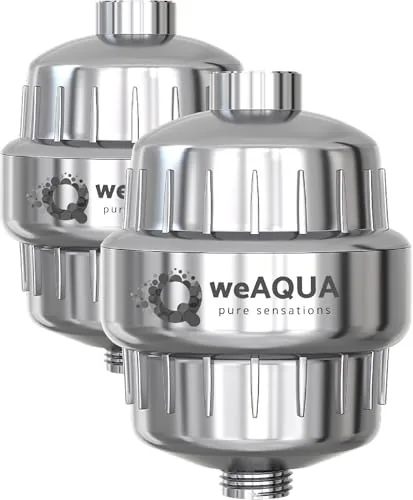
As low as $12
Built for travel, hiking & emergencies - drink safely whether the water is unsafe or just tastes off.
- NSF/ANSI 42, 372 & 401 certified, 0.1 micron filtration
- Filters up to 1,320 gallons - no batteries or pumping
- Ultralight - fits in any bag or pocket
- BPA-free, compatible with standard 28mm bottle threads
Tap water in El Salvador is generally not considered safe for travelers to drink. While urban areas like San Salvador have treated water systems, inconsistent treatment, aging infrastructure, and contamination risks mean that most visitors should rely on bottled or purified water. Rural areas face even greater challenges with water quality and access.
Quick Reference
| Concern | Our Advice | |
|---|---|---|
| Drink tap water? | ❌ | Use bottled or filtered water |
| Brush teeth? | ❌ | Use bottled or filtered water |
| Wash fruits / veg? | ❌ | Wash with filtered or bottled water |
| Use ice in drinks? | ❌ | Avoid unless confirmed purified |
| Shower safely? | ✅ | Yes |
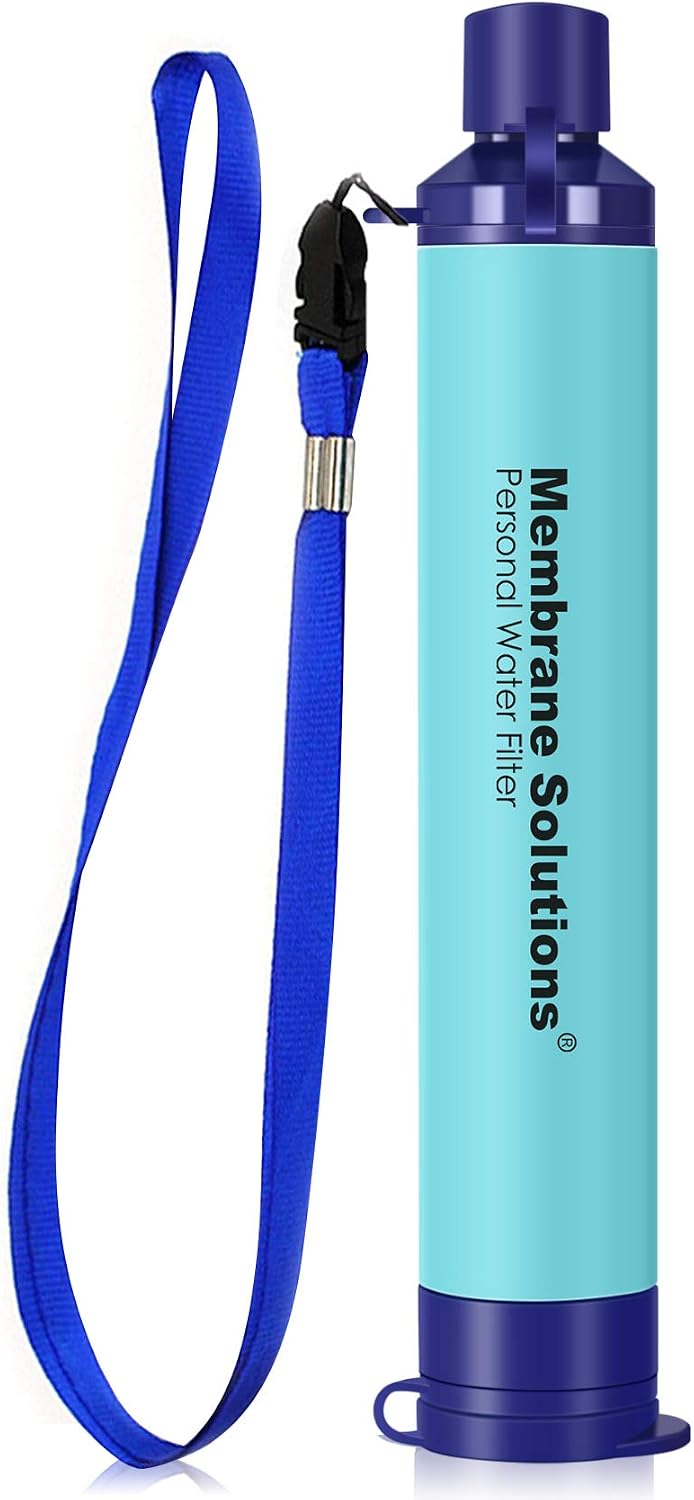
| Filter bottle needed? | ❌ | Strongly recommend a Membrane Solutions Filter Straw for all travelers |
| Common risks | Bacterial contamination, Parasitic infections, Agricultural runoff, Heavy metals, Inadequate chlorination, E. coli, Pesticide residues |

Key Statistics


Affiliate links — we earn a small commission at no extra cost to you.
Water Infrastructure & Supply
El Salvador's water supply is primarily managed by the Administracin Nacional de Acueductos y Alcantarillados (ANDA), the national water utility established in 1961. ANDA serves approximately 60% of the population, mainly in urban areas, while rural communities often rely on community-managed systems (Juntas de Agua) or decentralized providers. The country's water infrastructure has suffered from decades of underinvestment, civil war damage (1980, 1992), and recurring natural disasters including earthquakes and hurricanes.
The water treatment process in urban areas typically includes coagulation, sedimentation, filtration, and chlorination, but the aging pipe network leads to significant leakage rates estimated at 30-40% of treated water. Cross-contamination between water and sewage lines is common in older neighborhoods. Only a small fraction of wastewater is treated before being discharged into rivers and waterways, leading to widespread surface water pollution that can affect downstream drinking water sources.
Recent improvement efforts include partnerships with the Inter-American Development Bank (IDB) and the World Bank to modernize ANDA's infrastructure and expand coverage. In 2022, El Salvador passed a new General Water Resources Law aimed at better regulating water use and improving governance. The government has also invested in improving rural water systems and building new treatment plants, though progress remains slow compared to the scale of infrastructure needs across the country.
Contamination & Health Risks
The primary health risks from tap water in El Salvador include bacterial contamination from E. coli, Giardia, and other pathogens due to insufficient treatment and infrastructure deficiencies. Studies by the Ministry of Health have found that a significant percentage of water samples from the distribution network fail to meet national potability standards, particularly during the rainy season (May, October) when flooding can overwhelm treatment systems and contaminate water sources.
Agricultural runoff containing pesticides and fertilizers poses a serious risk, especially in rural areas near sugarcane, coffee, and other crop plantations. The Lempa River, which supplies drinking water to much of the country, has documented contamination from industrial discharge, agricultural chemicals, and untreated sewage. Chronic kidney disease of unknown origin (CKDu), which may be linked to water contamination, has been a significant public health concern in farming communities.
For travelers, the most common risks include gastrointestinal illness from consuming untreated tap water, unpeeled fruits washed in tap water, or ice made from unfiltered water. Street food vendors and smaller restaurants may use tap water for food preparation and ice. Travelers should be particularly cautious during the rainy season when contamination levels spike, and in rural or coastal areas where treatment infrastructure is minimal or absent.
Regional Water Quality Breakdown
San Salvador (Capital)
cautionThe capital has the most developed water infrastructure in the country with ANDA's main treatment facilities. However, aging pipes, intermittent supply in some neighborhoods, and contamination risks during heavy rains mean tap water is still not recommended for drinking by travelers.
Santa Ana
cautionEl Salvador's second-largest city has municipal water treatment, but service interruptions are common. Water quality can vary by neighborhood, and boil advisories are occasionally issued during the rainy season.
La Libertad / El Tunco Beach
avoidThis popular coastal surf destination has limited water infrastructure. Many establishments rely on well water or inconsistent municipal supply. Travelers should exclusively use bottled or purified water and be cautious with ice at beach bars.
Suchitoto
cautionThis charming colonial town near Lake Suchitln has basic municipal water service but limited treatment capacity. Tourist-oriented hotels generally provide purified water, but tap water should not be consumed directly.
Ruta de las Flores (Juaya, Ataco, Apaneca)
cautionThe highland coffee towns along this popular tourist route have variable water quality. Mountain spring sources can be cleaner than lowland water, but treatment is inconsistent. Stick to bottled water and be cautious with food stall preparations during weekend food festivals.
Rural Eastern Departments (Morazn, La Unin)
avoidRural eastern regions have the lowest water access rates in the country and minimal treatment infrastructure. Many communities rely on untreated well water or river water. Travelers to these areas should bring their own purified water supplies or reliable filtration devices.
Practical Tips for Travelers
- Always drink bottled or purified water. Ask for "agua purificada" or "agua embotellada" at restaurants and shops to ensure you receive safe drinking water.
- Avoid ice in drinks unless you are at a reputable hotel or restaurant that confirms they use purified water for ice ("hielo purificado"). When in doubt, order drinks "sin hielo" (without ice).
- Carry a portable water filter bottle such as a LifeStraw or Grayl when exploring rural areas, beaches, or smaller towns where bottled water may not always be readily available. Strongly recommend the Membrane Solutions Filter Straw.
- Peel all fruits and vegetables before eating, or wash them thoroughly with purified water. Avoid pre-cut fruit from street vendors unless you trust the preparation conditions.
- Use bottled water for brushing your teeth, especially if you have a sensitive stomach. Keep a small bottle next to the sink as a reminder.
- During the rainy season (May, October), be extra vigilant about water safety as flooding can significantly increase contamination levels in municipal water supplies.
- At pupuseras and street food stalls, opt for freshly cooked items and sealed bottled beverages. Ask "Usan agua purificada?" (Do you use purified water?) to check food preparation standards.
- Consider purchasing large garrafones (5-gallon jugs) of purified water if staying in an Airbnb or rental for an extended period , they're economical at around $2-3 and widely available for delivery.
Bottled Water Availability & Cost
Bottled water is widely available throughout El Salvador in convenience stores (tiendas), supermarkets, gas stations, and from street vendors. Popular local brands include Cristal, Agua de Vida, and imported brands. A 500ml bottle typically costs $0.50, $1.00 USD, while a 1.5-liter bottle ranges from $0.75, $1.50 USD. In tourist areas and upscale restaurants, prices may be slightly higher, around $1.50, $2.50 for a 500ml bottle.
For longer stays, purchasing 5-gallon (18.9-liter) garrafones is the most economical option at approximately $1.50, $3.00 per jug, often available for home or hotel delivery through companies like Cristal or local providers. Many hotels and hostels provide filtered or purified water for guests. To reduce plastic waste, travelers are encouraged to carry a reusable bottle with a built-in filter and refill from purified sources when possible.
Frequently Asked Questions
Can I brush my teeth with tap water in El Salvador?
It's recommended to use bottled or purified water for brushing your teeth in El Salvador, especially if you're not accustomed to the local water. While brief contact is unlikely to cause serious illness, using purified water minimizes the risk of gastrointestinal issues.
Is it safe to shower in El Salvador's tap water?
Yes, showering with tap water is safe in El Salvador. The risk comes from ingesting the water, not from skin contact. Just be careful to keep your mouth closed and avoid swallowing water during showers.
Is ice safe in El Salvador's restaurants?
In upscale hotels and well-known restaurants in major cities, ice is typically made from purified water and is safe. However, at smaller restaurants, street food stalls, and beach bars, ice may be made from tap water. Ask if the ice is made from "agua purificada" before consuming.
Do restaurants in El Salvador serve safe drinking water?
Most restaurants do not serve tap water to customers. You will typically be offered bottled water or beverages. In tourist-oriented restaurants, water used for cooking and ice is usually purified. At smaller eateries and comedores, it's best to order sealed bottled water.
How much does bottled water cost in El Salvador?
A 500ml bottle of water costs about $0.50, $1.00 USD in shops, while 1.5-liter bottles range from $0.75, $1.50 USD. In tourist areas or restaurants, prices may be slightly higher. Large 5-gallon jugs for home use cost approximately $1.50, $3.00.
Is the water in El Salvador's beach areas safe?
Coastal areas like La Libertad, El Tunco, and El Zonte generally have weaker water infrastructure than major cities. You should rely entirely on bottled or purified water in beach towns and be cautious about ice and food preparation at beach restaurants and bars.
Can I drink the tap water in San Salvador hotels?
Most mid-range and upscale hotels in San Salvador provide bottled water in rooms or have filtered water dispensers. However, the tap water in the hotel bathroom is not safe to drink. Always check with your hotel about their water purification practices.
What waterborne diseases should I be concerned about in El Salvador?
The most common waterborne risks include traveler's diarrhea from E. coli bacteria, giardiasis, and hepatitis A. Ensure your routine vaccinations are up to date, including hepatitis A, before traveling. Carry oral rehydration salts and anti-diarrheal medication as a precaution.
Interesting Product Reviews
6 Best Waterproof Bags (2026 Review Guide)
Aug 23, 2026
7 Best Water Filters For Heavy Metals (2026 Review Guide)
Jul 31, 2026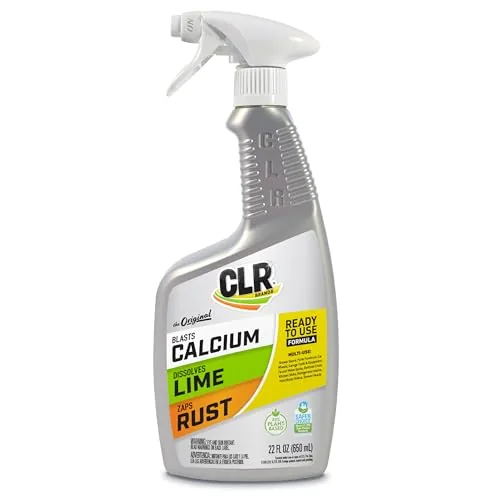
6 Best Hard Water Stain Removers (2026 Review Guide)
Aug 21, 2026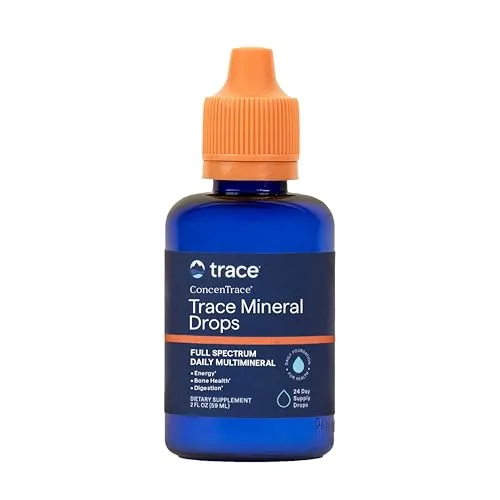
6 Best Mineral Drops For Drinking Water (2026 Review Guide)
Aug 9, 2026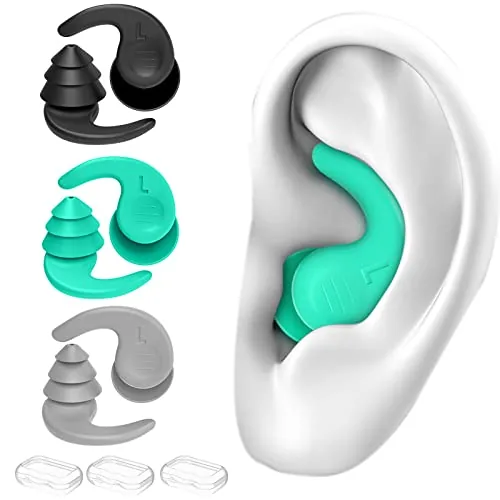
9 Best Ear Plugs For Swimmers (2026 Review Guide)
Aug 25, 2026