As low as $12
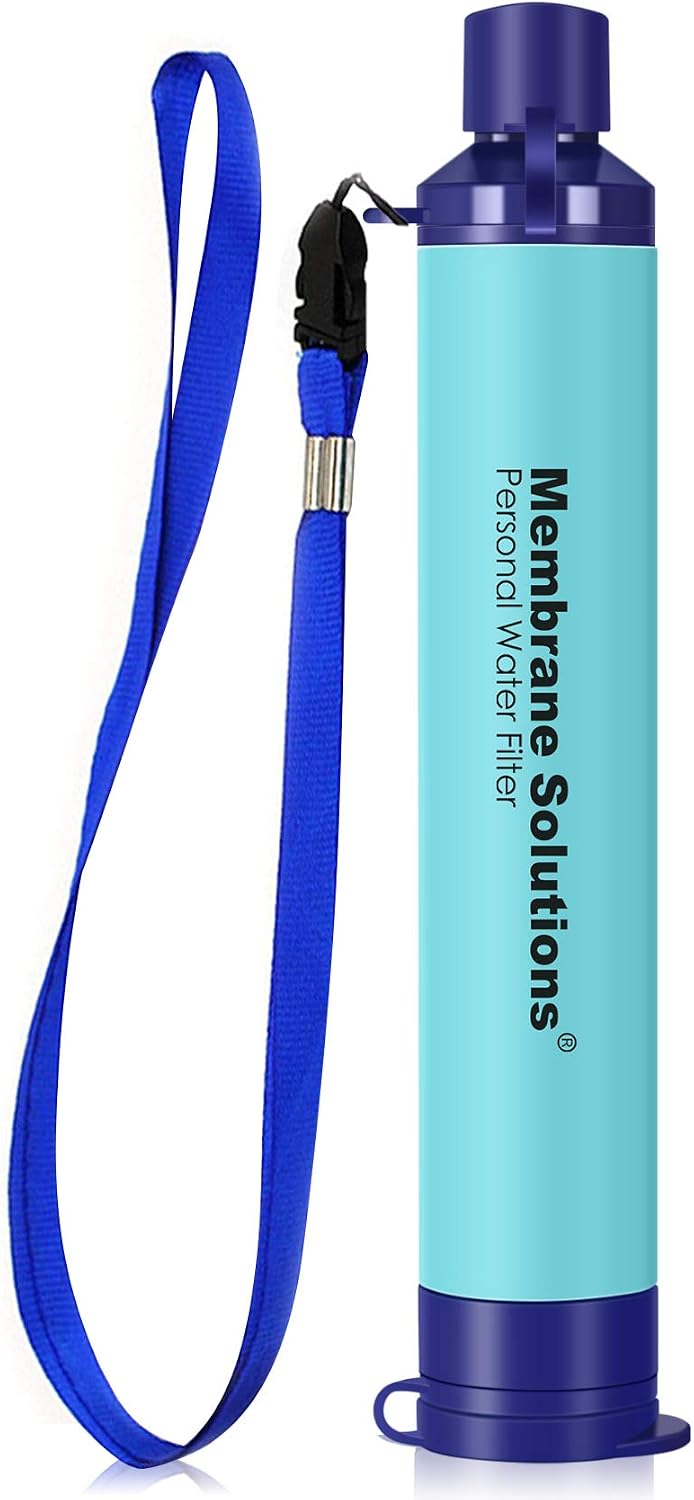
Built for travel, hiking & emergencies - drink safely whether the water is unsafe or just tastes off.
- NSF/ANSI 42, 372 & 401 certified, 0.1 micron filtration
- Filters up to 1,320 gallons - no batteries or pumping
- Ultralight - fits in any bag or pocket
- BPA-free, compatible with standard 28mm bottle threads
Tap water in Romania's major cities like Bucharest, Cluj-Napoca, and Timioara is generally treated to EU standards and safe to drink. However, water quality can vary significantly in rural areas where aging infrastructure and private wells may pose contamination risks. Travelers are advised to drink tap water confidently in urban centers but exercise caution in smaller towns and villages.
Quick Reference
| Concern | Our Advice | |
|---|---|---|
| Drink tap water? | ✅ | Yes, safe in most areas |
| Brush teeth? | ✅ | Yes, no concerns |
| Wash fruits / veg? | ✅ | Yes, safe to use tap water |
| Use ice in drinks? | ✅ | Yes, safe in restaurants |
| Shower safely? | ✅ | Yes |
| Filter bottle needed? | ✅ | Not necessary, but a Membrane Solutions Filter Straw can improve taste |
| Common risks | Aging infrastructure in rural areas, Nitrate contamination in private wells, Bacterial contamination in unmonitored sources, Lead from old pipes, Chlorination byproducts |

Key Statistics


Affiliate links — we earn a small commission at no extra cost to you.
Water Infrastructure & Supply
Romania's modern water infrastructure has its roots in the communist-era centralized systems built in the 1960s, 1980s, which prioritized urban centers with large treatment plants. After joining the European Union in 2007, Romania committed to substantial upgrades aligned with EU directives, though implementation has been gradual, especially in rural municipalities. The country's water supply is managed by regional operators (Ap Canal companies) overseen by the National Regulatory Authority for Public Utility Community Services (ANRSC).
Major cities like Bucharest, Cluj-Napoca, Braov, and Timioara operate modern water treatment facilities using multi-stage processes including coagulation, filtration, and chlorine-based disinfection. Bucharest's water comes primarily from surface sources along the Arge River system and is treated at the Arcuda and Rou water treatment plants, which serve approximately 2 million residents. In contrast, many rural communities still rely on untreated or minimally treated well water, and pipe networks in some areas suffer from corrosion and leakage rates exceeding 40%.
Romania has invested heavily using EU structural and cohesion funds to expand water and wastewater infrastructure, with over 8 billion allocated for the 2014, 2027 programming periods. Key projects include extending centralized water supply to underserved rural areas, upgrading wastewater treatment plants to comply with the EU Urban Waste Water Treatment Directive, and replacing aging distribution networks to reduce water loss and contamination risks. Despite progress, Romania still has the lowest rate of connection to public water supply systems in the EU, with roughly 30% of the rural population lacking access to centralized networks.
Contamination & Health Risks
In urban areas, Romania's tap water meets EU Drinking Water Directive standards for key parameters including microbial safety, nitrates, lead, and pesticides. Regular monitoring by regional operators and public health authorities ensures that city water is generally safe for consumption. However, localized issues can arise from aging residential plumbing, particularly in Soviet-era apartment blocks where lead solder or corroded galvanized pipes may leach contaminants into the water between the main supply and the tap.
The primary health risks are concentrated in rural Romania, where an estimated 1.5 million people rely on private wells or shallow groundwater sources that are not regularly monitored. Nitrate contamination from agricultural runoff is a well-documented problem in farming regions like the Moldavian Plateau and parts of the Wallachian Plain, with some wells exceeding the EU limit of 50 mg/L. Bacterial contamination from E. coli and coliform bacteria has been detected in private rural water supplies, particularly during spring flooding and heavy rain events.
For travelers, the practical risks in cities are minimal , tap water in hotels, restaurants, and public buildings in Bucharest, Cluj, Braov, Sibiu, and Timioara is safe to drink directly from the tap. Visitors to rural guesthouses (pensiuni) or remote villages should ask hosts about the water source and consider using bottled water if the supply comes from an unmonitored well. Travelers with sensitive stomachs may notice a slight chlorine taste in some urban areas, which is harmless and can be reduced by letting water sit in an open container for a few minutes.
Regional Water Quality Breakdown
Bucharest
safeBucharest's water supply comes from the Arge River system and undergoes full treatment at modern facilities. The water meets EU standards and is safe to drink from the tap throughout the city. Some older buildings may have aging internal plumbing, but the municipal supply itself is reliable.
Cluj-Napoca & Transylvania Cities
safeCluj-Napoca, Sibiu, and Braov benefit from high-quality mountain water sources and well-maintained treatment infrastructure. These cities consistently score high in national water quality assessments. Travelers can drink tap water with confidence in hotels and restaurants.
Timioara & Western Romania
safeTimioara and Oradea have modernized their water systems with EU-funded projects in recent years. Water quality is reliably good and meets EU Drinking Water Directive standards. The region benefits from relatively new distribution infrastructure compared to other parts of the country.
Constana & Black Sea Coast
cautionConstana's water supply is treated and generally meets safety standards, but the aging distribution network can occasionally cause quality issues at the point of use. During peak summer tourist season, increased demand can affect water pressure and consistency. Travelers should feel comfortable drinking tap water in major hotels but may prefer bottled water in smaller coastal towns.
Moldavia Region (Iai, Suceava)
cautionMajor cities like Iai have adequate water treatment, but surrounding rural areas face challenges with nitrate contamination from intensive agriculture. Travelers staying in city centers can drink tap water safely, but those visiting rural guesthouses in the countryside should verify the water source and consider using bottled water.
Rural Villages & Maramure Countryside
cautionRural Romania, including popular tourist destinations like Maramure villages, often relies on private wells or small local systems that may not be regularly monitored. While many village wells provide clean water, contamination risks from agricultural runoff and outdated infrastructure exist. Travelers should ask about the water source at rural guesthouses and default to bottled water when unsure.
Practical Tips for Travelers
- Carry a filter straw (e.g., Membrane Solutions) — it removes bacteria, parasites, and microplastics from any tap or stream. Strongly recommend the Membrane Solutions Filter Straw.
- In restaurants, you can ask for tap water by saying 'Ap de la robinet, v rog' (Tap water, please). Many restaurants will offer bottled water by default, so specify if you prefer tap to save money.
- When ordering bottled water, specify 'plat' for still water or 'carbogazoas' (also 'mineral') for sparkling water. Romanians are avid sparkling water drinkers and it will often be the default.
- If you're staying in a rural guesthouse (pensiune), ask your host 'De unde vine apa?' (Where does the water come from?) to determine if it's from a centralized system or a private well.
- In Bucharest and other major cities, tap water is safe to drink directly. Fill a reusable bottle at your hotel to reduce plastic waste and save money during the day.
- If tap water has a noticeable chlorine taste, fill a jug and leave it uncovered in the refrigerator for 30 minutes , the chlorine will dissipate and the water will taste much better.
- Look for public drinking fountains (cimele) in many Romanian cities and parks, especially in Transylvania. These often draw from natural springs and are safe to drink from unless marked 'ap nepotabil' (non-potable water).
- When hiking in the Carpathian Mountains, do not drink from streams without purification, even if they look clean. Carry bottled or filtered water, as livestock grazing and wildlife can contaminate mountain water sources.
- Buy water in bulk from supermarkets like Kaufland, Lidl, or Carrefour if you'll be traveling to rural areas. A 5L jug of Bucovina or Dorna water costs around 6, 10 RON and is a budget-friendly option.
Bottled Water Availability & Cost
Bottled water is widely available throughout Romania in supermarkets, convenience stores, gas stations, and kiosks. Popular local brands include Borsec, Bucovina, Dorna, and Aqua Carpatica, with prices typically ranging from 2, 5 RON (0.40, 1.00) for a 0.5L bottle and 4, 8 RON (0.80, 1.60) for 1.5, 2L bottles. In restaurants and tourist areas, expect to pay 8, 15 RON (1.60, 3.00) for a 0.5L bottle. Both still (plat) and sparkling (carbogazoas) varieties are ubiquitous.
For budget-conscious travelers, buying water in bulk from supermarkets like Kaufland, Lidl, Carrefour, or Mega Image is the most economical option, with 6-packs of 2L bottles often available for 15, 25 RON. Romania's natural mineral water industry is notable , many brands source from Carpathian mountain springs and the country is one of Europe's top mineral water producers. Given that urban tap water is safe, travelers can reduce plastic waste by refilling reusable bottles from the tap in cities while keeping bottled water for rural excursions.
Frequently Asked Questions
Can I brush my teeth with tap water in Romania?
Yes, tap water in Romanian cities is safe for brushing teeth. In rural areas with private wells, you can still brush your teeth with tap water as the small amount of water used poses minimal risk, but use bottled water if you have concerns about an unmonitored source.
Is it safe to shower in Romanian tap water?
Absolutely. Showering with tap water is completely safe throughout Romania, including rural areas. The water may feel slightly harder in some regions due to mineral content, but this poses no health risk.
Can I safely drink ice in Romanian restaurants and bars?
Yes, ice served in restaurants and bars in Romanian cities is made from treated municipal water and is safe to consume. This applies to all major cities and tourist destinations.
Do Romanian restaurants serve tap water?
Some restaurants will serve tap water if you specifically request it (ask for 'ap de la robinet'), but most will offer bottled water by default. In higher-end restaurants, you'll typically only be offered bottled still or sparkling water.
How much does bottled water cost in Romania?
A 0.5L bottle typically costs 2, 5 RON (0.40, 1.00) in shops and 8, 15 RON (1.60, 3.00) in restaurants. Large 2L bottles from supermarkets cost 3, 6 RON (0.60, 1.20), making bulk purchases very affordable.
Is the water safe to drink in Romanian rural guesthouses?
It depends on the source. If the guesthouse is connected to a centralized municipal water system, it's likely safe. However, many rural guesthouses use private wells that may not be regularly tested. Ask your host about the water source, and when in doubt, use bottled water for drinking.
Is Bucharest tap water safe to drink in 2026?
Yes, Bucharest tap water is safe to drink. The city's water is sourced from the Arge River system, treated at modern facilities, and regularly monitored to meet EU Drinking Water Directive standards. Some residents prefer filtered or bottled water due to taste preferences, but the tap water poses no health risk.
Why do some Romanians avoid drinking tap water if it's safe?
Cultural habits from the communist and early post-communist era, when water quality was inconsistent, still influence behavior. Also, Romania has a strong tradition of drinking natural mineral water from Carpathian springs. Many Romanians prefer bottled mineral water for taste, not safety reasons. Younger urban Romanians increasingly drink tap water as infrastructure has improved.
Traveling Nearby?
Check tap water safety in neighboring countries:
Bulgaria Hungary Moldova Serbia UkraineInteresting Product Reviews
7 Best Water Filters For Iron In Well Water (2026 Review Guide)
Aug 1, 2026
6 Best Ph Testers (2026 Review Guide)
Aug 16, 2026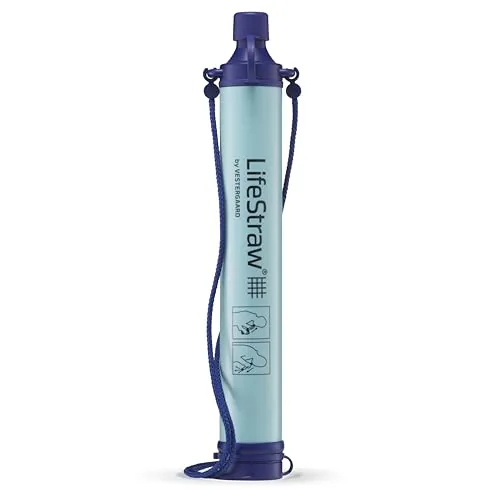
8 Best Water Filters For Hiking (2026 Review Guide)
Jul 19, 2026
8 Best Stainless Steel Water Bottles (2026 Review Guide)
Aug 6, 2026
7 Best Water Filters For Pets (2026 Review Guide)
Aug 4, 2026