As low as $12
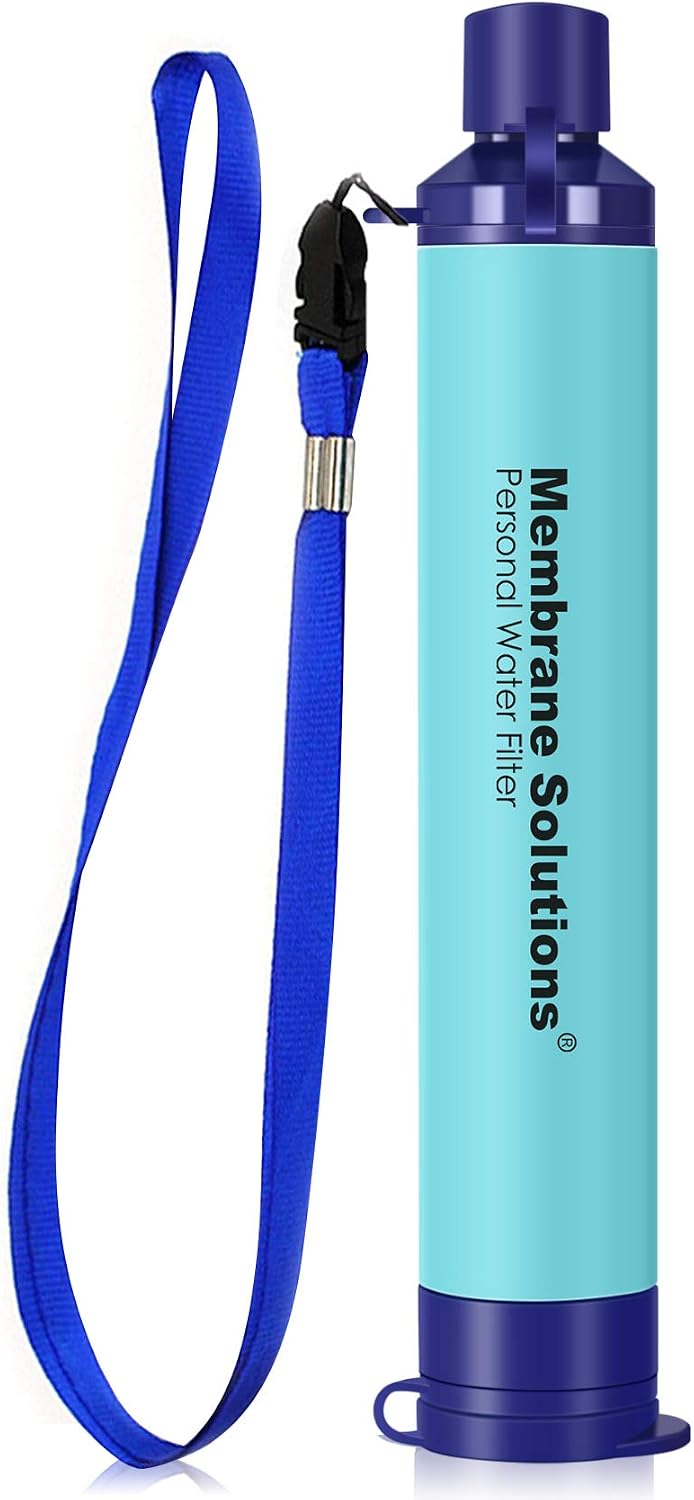
Built for travel, hiking & emergencies - drink safely whether the water is unsafe or just tastes off.
- NSF/ANSI 42, 372 & 401 certified, 0.1 micron filtration
- Filters up to 1,320 gallons - no batteries or pumping
- Ultralight - fits in any bag or pocket
- BPA-free, compatible with standard 28mm bottle threads
Tap water in Eritrea is generally not safe for travelers to drink. Water infrastructure is limited, especially outside the capital Asmara, and contamination from bacteria, parasites, and inadequate treatment is common. Visitors should rely on bottled or purified water throughout their stay.
Quick Reference
| Concern | Our Advice | |
|---|---|---|
| Drink tap water? | ❌ | Use bottled or filtered water |
| Brush teeth? | ❌ | Use bottled or filtered water |
| Wash fruits / veg? | ❌ | Wash with filtered or bottled water |
| Use ice in drinks? | ❌ | Avoid unless confirmed purified |
| Shower safely? | ✅ | Yes |
| Filter bottle needed? | ❌ | Strongly recommend a Membrane Solutions Filter Straw for all travelers |
| Common risks | Bacterial contamination, Parasitic infections, Waterborne diseases, Inadequate treatment, E. coli, Giardia, Cholera risk in some areas |

Key Statistics


Affiliate links — we earn a small commission at no extra cost to you.
Water Infrastructure & Supply
Eritrea's water infrastructure has faced significant challenges since the country's independence in 1993. Decades of conflict with Ethiopia and limited economic resources have hindered the development of comprehensive water treatment and distribution systems. The government's Water Resources Department oversees water supply, but coverage remains far below regional averages, particularly in rural areas where many communities depend on unprotected wells, seasonal rivers, and hand-dug wells.
In urban areas like Asmara, the capital, piped water systems exist but suffer from aging colonial-era infrastructure, intermittent supply, and insufficient treatment capacity. Many residents receive water only a few hours per day or a few days per week. Chlorination is used in some municipal systems, but consistency and dosage vary, and distribution pipes are prone to contamination due to low pressure and leaks. Rural communities often rely on boreholes, springs, and rainwater harvesting, many of which lack proper treatment.
International organizations including UNICEF, the African Development Bank, and various NGOs have supported water infrastructure projects in Eritrea. These include borehole drilling, spring capping, construction of small dams, and installation of solar-powered pumping systems. The government has also invested in dam construction, including the large Gerset Dam near Asmara, to improve water storage capacity. However, progress remains slow due to limited funding, the country's semi-arid climate, and recurring droughts that strain existing resources.
Contamination & Health Risks
The primary health risks from tap water in Eritrea include bacterial infections (E. coli, Salmonella), parasitic diseases (Giardia, Cryptosporidium, amoebic dysentery), and in some areas, cholera and typhoid fever. Diarrheal diseases remain a leading cause of morbidity and mortality, particularly among children under five. The WHO estimates that a significant proportion of disease burden in Eritrea is attributable to unsafe water, sanitation, and hygiene.
Contamination sources include agricultural runoff, inadequate sewage systems, open defecation in rural areas, and industrial waste near mining operations. Eritrea's semi-arid climate means that water sources can become highly concentrated with contaminants during dry seasons. Flooding during the rainy season can also overwhelm rudimentary treatment systems and introduce sewage and animal waste into water supplies. Near the coast and in the western lowlands, water may contain elevated levels of minerals and salts.
For travelers, the risk of waterborne illness is substantial. Even in Asmara's better-served neighborhoods, inconsistent treatment and aging pipes mean tap water should not be consumed directly. Travelers should avoid drinking tap water, using it for brushing teeth, consuming ice made from tap water, or eating raw fruits and vegetables washed in untreated water. Showering is generally safe as long as water is not swallowed, but extra caution should be taken with open wounds.
Regional Water Quality Breakdown
Asmara
cautionThe capital has the best water infrastructure in the country, with piped municipal water and some chlorination. However, supply is intermittent, pipes are old, and treatment is inconsistent. Travelers should still use bottled or purified water for drinking.
Massawa
avoidThis coastal port city has limited freshwater resources and relies partly on desalination and trucked water. High temperatures accelerate bacterial growth, and water quality is generally poor. Bottled water is essential.
Keren
cautionEritrea's second-largest city has some piped water infrastructure, but supply is unreliable and quality varies. The surrounding agricultural area contributes to potential contamination. Stick to bottled or treated water.
Dahlak Archipelago
avoidThese islands off the coast have extremely limited freshwater resources. There is no reliable treated water supply, and travelers must bring their own water or rely entirely on bottled supplies arranged through tour operators.
Western Lowlands (Barentu/Tessenei)
avoidThese hot, arid regions have minimal water infrastructure and rely heavily on wells and seasonal rivers. Water quality is poor, and waterborne disease risk is elevated. Always carry sufficient purified water when traveling here.
Southern Region (Dekemhare/Mendefera)
cautionThese highland towns have some piped water access, but treatment and supply are not consistent. Water from local springs and boreholes may not be properly treated. Use purified water for all consumption.
Practical Tips for Travelers
- Carry a filter straw (e.g., Membrane Solutions) — it removes bacteria, parasites, and microplastics from any tap or stream. Strongly recommend the Membrane Solutions Filter Straw.
- Always drink bottled or purified water. In Tigrinya, you can ask for bottled water by saying "Mai botilya" ( ). Verify that bottle seals are intact before purchasing.
- Carry a portable water filter or UV purifier like a LifeStraw or SteriPEN, especially when traveling outside Asmara. These devices can make questionable water sources safe for drinking.
- Avoid ice in drinks unless you are certain it was made with purified water. Most restaurants serving foreign visitors in Asmara use filtered water, but always confirm.
- Use bottled or purified water for brushing teeth. Even brief exposure to contaminated water in the mouth can cause gastrointestinal illness for travelers without local immunity.
- Peel all fruits and avoid raw salads unless you are at a reputable restaurant that washes produce in purified water. Cooked foods are generally safer.
- Stock up on bottled water before leaving urban areas. Shops in remote towns and villages may have limited or no bottled water available.
- If bottled water is unavailable, boiling water for at least one minute (three minutes at high altitudes like Asmara at 2,325m) is an effective purification method.
- Carry oral rehydration salts (ORS) in your travel medical kit. If you do experience traveler's diarrhea, prompt rehydration is essential in Eritrea's hot climate.
Bottled Water Availability & Cost
Bottled water is widely available in Asmara and larger towns, though selection may be limited in remote areas. Local brands are the most affordable option, with a 1.5-liter bottle typically costing 20-40 Eritrean Nakfa (approximately $1.30-$2.60 USD at official rates) in shops. In restaurants and hotels catering to foreigners, prices can be higher, sometimes 50-80 Nakfa per bottle. Imported brands are occasionally available but significantly more expensive.
Travelers heading to remote areas should stock up on bottled water in Asmara or regional capitals like Keren or Massawa, as availability decreases significantly outside urban centers. Buying in bulk from supermarkets is more economical. A reliable portable water filter or UV purification device is highly recommended as a backup, especially for extended travel. Consider the environmental impact of plastic bottles and carry a reusable bottle with a built-in filter to reduce waste.
Frequently Asked Questions
Can I brush my teeth with tap water in Eritrea?
No, it is not recommended. The tap water in Eritrea, even in Asmara, may contain bacteria and parasites that can cause illness. Use bottled or purified water for brushing teeth to avoid any risk of waterborne disease.
Is it safe to shower in Eritrea's tap water?
Showering is generally safe as long as you keep your mouth closed and avoid swallowing water. If you have open cuts or wounds, try to keep them covered or rinse with purified water afterward. Be cautious with children who may accidentally ingest water.
Is ice safe in Eritrean restaurants?
Ice should be avoided unless you are confident it was made with purified water. Some upscale hotels and restaurants in Asmara use filtered water for ice, but this is not guaranteed. When in doubt, ask or skip the ice entirely.
Do restaurants in Asmara serve safe drinking water?
Most restaurants in Asmara will serve bottled water to customers, especially at establishments frequented by travelers. Do not assume that free tap water served in a glass is safe to drink. Always request sealed bottled water.
How much does bottled water cost in Eritrea?
A 1.5-liter bottle of local water typically costs 20-40 Eritrean Nakfa (roughly $1.30-$2.60 USD) in shops. Hotel and restaurant prices may be higher. Buying in bulk from supermarkets in Asmara is the most cost-effective approach.
Can I drink well water in rural Eritrea?
No. Well water in rural Eritrea is often untreated and may be contaminated with bacteria, parasites, or agricultural chemicals. Always treat any water from wells or natural springs using a reliable filter, UV purifier, or by boiling before consumption.
Is the water safe to drink in Eritrean hotels?
Even in higher-end hotels in Asmara, tap water should not be consumed directly. Most hotels provide complimentary bottled water or have purified water dispensers. If your hotel has a water filter system, ask about its maintenance and type before relying on it.
What waterborne diseases should I be aware of in Eritrea?
The main risks include traveler's diarrhea, giardiasis, amoebic dysentery, typhoid fever, and in some areas, cholera. Hepatitis A can also be transmitted through contaminated water. Ensure you are up to date on vaccinations, particularly for typhoid and hepatitis A, before traveling to Eritrea.
Interesting Product Reviews
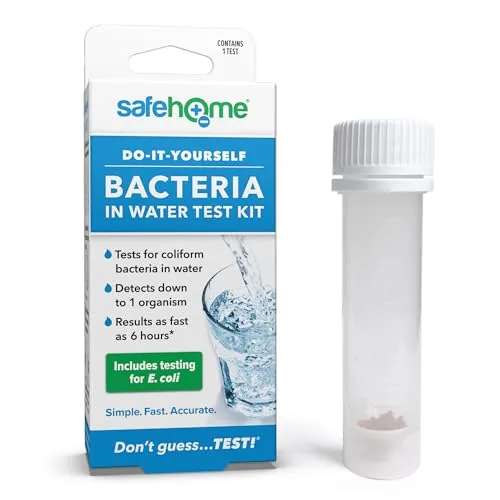
6 Best Bacteria Water Test Kits (2026 Review Guide)
Aug 3, 2026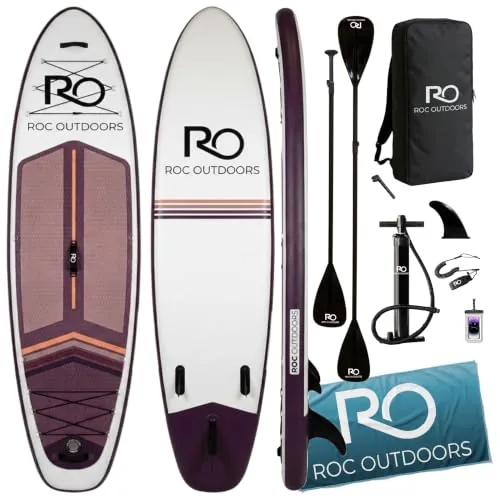
9 Best Paddle Boards (2026 Review Guide)
Aug 26, 2026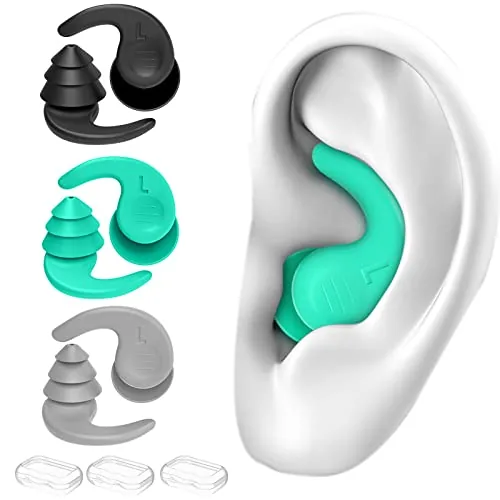
9 Best Ear Plugs For Swimmers (2026 Review Guide)
Aug 25, 2026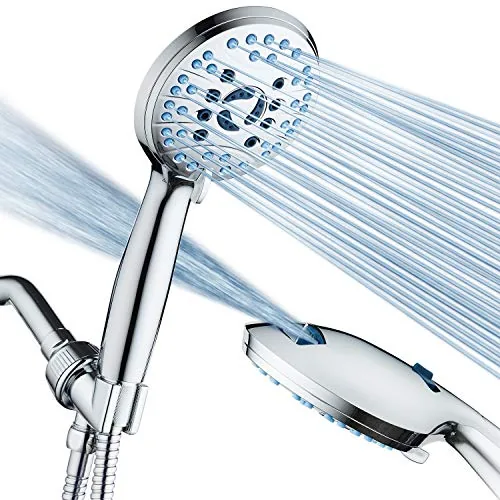
8 Best Shower Heads (2026 Review Guide)
Aug 18, 2026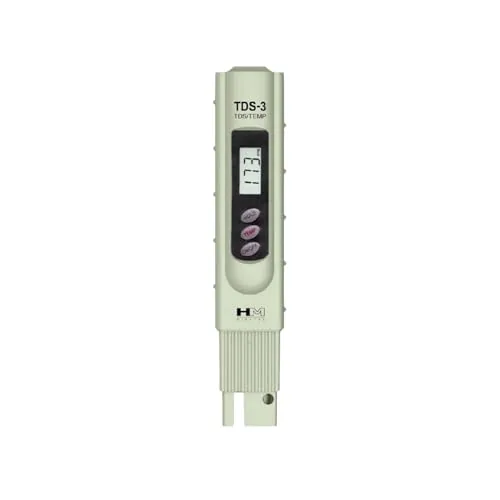
6 Best Tds Meters (2026 Review Guide)
Aug 3, 2026