As low as $12
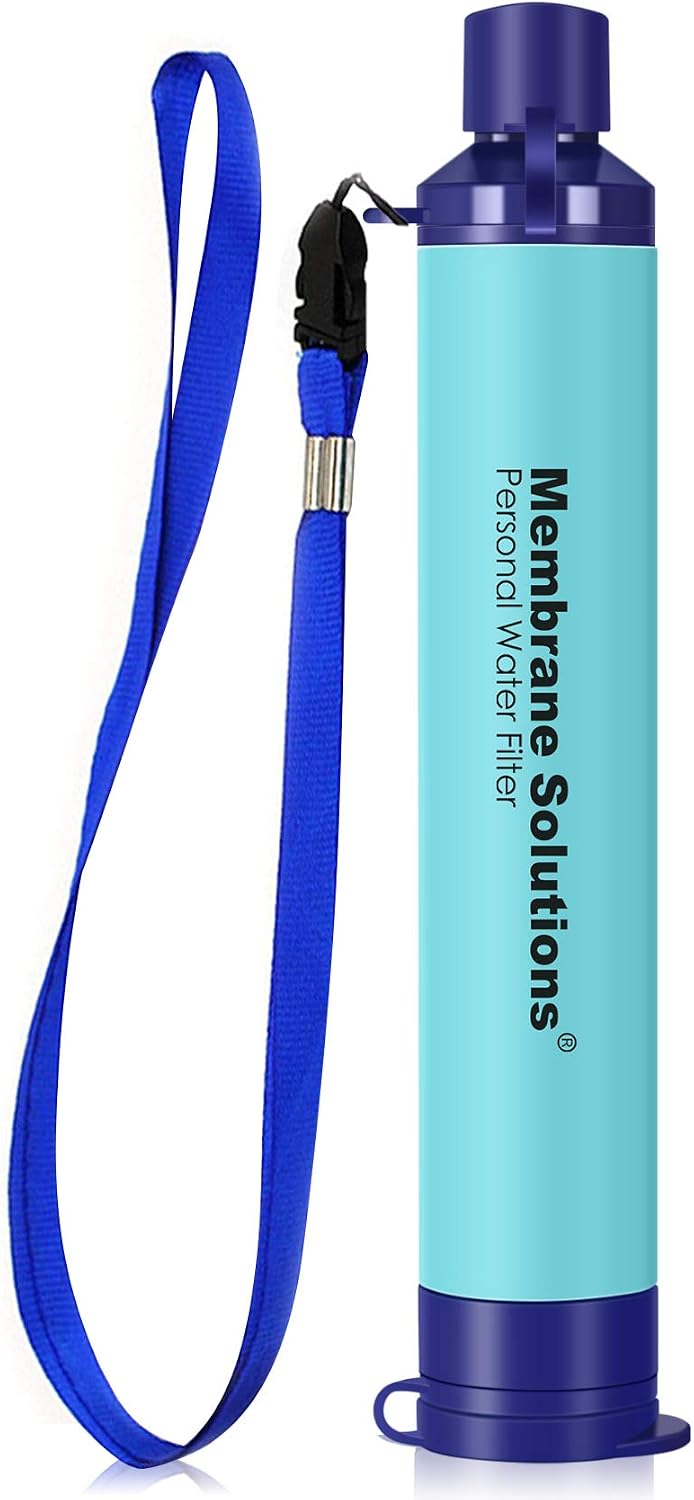
Built for travel, hiking & emergencies - drink safely whether the water is unsafe or just tastes off.
- NSF/ANSI 42, 372 & 401 certified, 0.1 micron filtration
- Filters up to 1,320 gallons - no batteries or pumping
- Ultralight - fits in any bag or pocket
- BPA-free, compatible with standard 28mm bottle threads
Tap water in Taiwan is treated to meet WHO drinking water standards at the treatment plant, but aging pipes and rooftop storage tanks can compromise quality by the time it reaches your faucet. Most locals boil their water or use filtered dispensers before drinking, and travelers are advised to do the same. Showering, brushing teeth, and washing produce with tap water is generally safe.
Quick Reference
| Concern | Our Advice | |
|---|---|---|
| Drink tap water? | ❌ | Use bottled or filtered water |
| Brush teeth? | ✅ | Yes, no concerns |
| Wash fruits / veg? | ✅ | Yes, safe to use tap water |
| Use ice in drinks? | ✅ | Yes, safe in restaurants |
| Shower safely? | ✅ | Yes |
| Filter bottle needed? | ❌ | Strongly recommend a Membrane Solutions Filter Straw for all travelers |
| Common risks | Residual chlorine, Aging pipe contamination, Rooftop tank bacterial growth, Heavy metals from old plumbing, Sediment |

Key Statistics


Affiliate links — we earn a small commission at no extra cost to you.
Water Infrastructure & Supply
Taiwan's water supply system was largely built during the Japanese colonial era and expanded significantly through the post-war economic development period. The Taiwan Water Corporation () manages most of the island's water supply, except in Taipei where the Taipei Water Department operates independently. The island has over 60 water treatment plants drawing from reservoirs, rivers, and groundwater sources.
Water leaving Taiwan's treatment facilities consistently meets or exceeds WHO drinking water guidelines, with a compliance rate above 99.9%. However, the distribution system includes many decades-old iron and lead pipes, and many buildings use rooftop storage tanks that may not be regularly cleaned. These last-mile issues are the primary reason tap water quality can deteriorate between the plant and the consumer's faucet.
The government has invested heavily in pipe replacement programs, with plans to replace all lead service lines by 2027. Taipei has been a leader in this effort, replacing over 95% of its aging pipes and promoting its tap water as directly drinkable in many areas. The EPA has also expanded the installation of free filtered drinking water stations () in public buildings, MRT stations, parks, and schools across the island.
Contamination & Health Risks
The main health concern with Taiwan's tap water is not contamination at the source but degradation during delivery. Old metal pipes can leach iron, manganese, and in rare cases lead into the water. Rooftop storage tanks found in many older apartment buildings can harbor bacteria, algae, and sediment if not properly maintained and cleaned at least annually.
Chlorination is used throughout Taiwan's water system, so microbial contamination at the treatment level is extremely low. However, residual chlorine and its byproducts (trihalomethanes) can be present in tap water, particularly closer to treatment plants. Agricultural runoff and industrial pollution occasionally affect source water quality in certain regions, though treatment plants are designed to handle these contaminants.
For travelers, the practical risk of getting seriously ill from Taiwan's tap water is low. However, the common local practice of boiling or filtering water before drinking is a sensible precaution. Ice in restaurants and hotels is almost always made from filtered or boiled water, so it is generally safe. Street food vendors and bubble tea shops universally use purified water, making their beverages safe for consumption.
Regional Water Quality Breakdown
Taipei
cautionTaipei has the best tap water infrastructure in Taiwan, with extensive pipe replacement and its own dedicated water department. Many areas now have directly drinkable tap water, though older buildings with rooftop tanks may still have quality issues. The city actively promotes tap water as safe to drink and has installed numerous public water fountains.
Kaohsiung
cautionKaohsiung's water quality has improved dramatically in recent years with the completion of new treatment facilities and pipe upgrades. However, the city historically had harder water and more industrial pollution concerns. Using a filter or boiling water before drinking is still recommended, especially in older neighborhoods.
Taichung
cautionTaichung sources water from several reservoirs and generally has good water quality at the treatment plant level. Older districts may still have aging pipe infrastructure. Filtered water dispensers are widely available throughout the city and its popular tourist areas.
Tainan
cautionTainan's water supply can be affected by seasonal variations, particularly during dry periods when reservoir levels drop and water may taste slightly different. The historic city center has some older plumbing infrastructure. Boiling or filtering is standard practice among residents.
Hualien & Taitung (East Coast)
cautionThe east coast benefits from cleaner mountain water sources, and water quality at the tap can be quite good. However, rural areas may have less maintained distribution infrastructure. After typhoons or earthquakes, temporary water quality advisories may be issued due to increased sediment in reservoirs.
Outlying Islands (Kinmen, Penghu, Matsu)
cautionOutlying islands have limited freshwater resources and often rely on desalination or water shipped from the mainland. Water may taste different and quality can vary more than on the main island. Bottled or filtered water is strongly recommended for drinking on these islands.
Practical Tips for Travelers
- Look for free filtered water dispensers (, yn shu j) in MRT stations, train stations, parks, and convenience stores to refill your reusable bottle at no cost.
- At restaurants, ask for boiled water by saying '' (wn shu) for warm water or '' (ki shu) for boiled water , both are universally available and free.
- Carry a portable filter bottle like a LifeStraw or Grayl when traveling outside major cities or visiting mountain areas, especially during typhoon season when water quality can temporarily decline. Strongly recommend the Membrane Solutions Filter Straw.
- Ice in Taiwanese restaurants, bubble tea shops, and nightlife venues is made from purified water and is safe to consume , you don't need to request drinks without ice.
- If staying in older apartments or budget accommodations with visible rooftop water tanks, stick to bottled or filtered water for drinking even if the tap water looks clear.
- Download the 'Taiwan Water' app from the Taiwan Water Corporation to check real-time water quality reports and find nearby public drinking water stations.
- After a typhoon, check local news for boil-water advisories , sediment can temporarily overwhelm treatment systems, especially in southern and eastern Taiwan.
- Most hotels in Taiwan (from budget to luxury) provide complimentary bottled water or in-room electric kettles for boiling tap water , take advantage of these.
Bottled Water Availability & Cost
Bottled water is widely available throughout Taiwan at convenience stores (7-Eleven, FamilyMart, Hi-Life, and OK Mart are on virtually every block), supermarkets, and vending machines. A 600ml bottle of local brands like Uni-Water, Taiwan Yes, or CheersEVO typically costs NT$15, 25 (approximately US$0.50, 0.80). International brands like Evian or Volvic cost NT$40, 70. Large 5-liter jugs for home use cost around NT$50, 80 at supermarkets.
A more sustainable and budget-friendly approach is to carry a reusable bottle and refill it at the free filtered water dispensers () found in virtually every MRT station, train station, convenience store, and public building. Many hotels and hostels also provide hot and cold filtered water dispensers in lobbies or on each floor. This practice is so widespread in Taiwan that you will rarely be more than a few minutes' walk from a free refill point in urban areas.
Frequently Asked Questions
Can I brush my teeth with tap water in Taiwan?
Yes, brushing your teeth with tap water in Taiwan is safe. The water is treated and chlorinated, and the small amount used for brushing poses no health risk. This is standard practice for both locals and travelers.
Is it safe to shower in Taiwan's tap water?
Absolutely. Showering with Taiwan's tap water is completely safe. The chlorination levels are sufficient to prevent any skin or health issues. Some travelers with very sensitive skin may notice slight dryness from the chlorine, but this is cosmetic, not a health concern.
Is the ice safe in Taiwanese drinks and bubble tea?
Yes, ice in Taiwan is safe. Restaurants, bubble tea shops, and bars use commercially produced ice made from purified water. Taiwan's food safety regulations are strict and well-enforced, so you can enjoy your iced drinks and shaved ice desserts without worry.
Why don't Taiwanese people drink tap water directly?
While water leaving Taiwan's treatment plants meets international standards, aging distribution pipes and rooftop storage tanks can introduce contaminants before water reaches the faucet. Boiling or filtering water has been a deeply ingrained cultural habit for decades. The government is actively working to make tap water directly drinkable everywhere, and Taipei has made significant progress toward this goal.
How much does bottled water cost in Taiwan?
A 600ml bottle of water costs around NT$15, 25 (US$0.50, 0.80) at convenience stores, which are found on virtually every block. Larger 1.5L bottles cost NT$25, 40. However, you can save money and reduce plastic waste by refilling a reusable bottle at the free filtered water dispensers found in most public spaces.
Can I drink tap water directly in Taipei?
Taipei has the most modern water infrastructure in Taiwan, and the city government promotes its tap water as safe to drink in areas with updated piping. Many public water fountains dispense unfiltered tap water. However, if you're staying in an older building with a rooftop tank, it's still wise to use filtered or boiled water for drinking.
Is it safe to eat street food washed with tap water in Taiwan?
Yes, street food in Taiwan is generally very safe. Vendors cooking food use heat that kills any potential contaminants, and fruit vendors typically wash produce with filtered water. Taiwan's night market food culture is world-renowned, and food safety standards are actively enforced by local health departments.
Should I bring a water filter bottle to Taiwan?
A filter bottle is a good investment for Taiwan travel, especially if you plan to visit rural areas, the east coast, or outlying islands. In major cities, it's less critical since free filtered water dispensers are everywhere, but a filter bottle gives you peace of mind and eliminates the need to buy plastic bottles.
Interesting Product Reviews
6 Best Under Sink Water Filters (2026 Review Guide)
Jul 3, 2026
8 Best Water Bottle Carriers And Slings (2026 Review Guide)
Aug 8, 2026
7 Best Anti-Scale Devices (2026 Review Guide)
Aug 15, 2026
6 Best Hydration Backpacks (2026 Review Guide)
Aug 8, 2026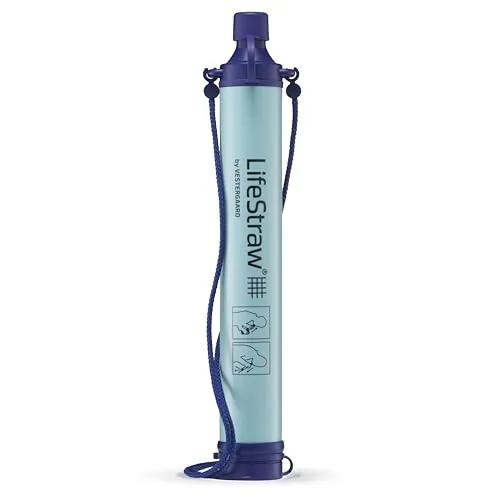
9 Best Water Filters For Backpacking (2026 Review Guide)
Jul 19, 2026