As low as $12
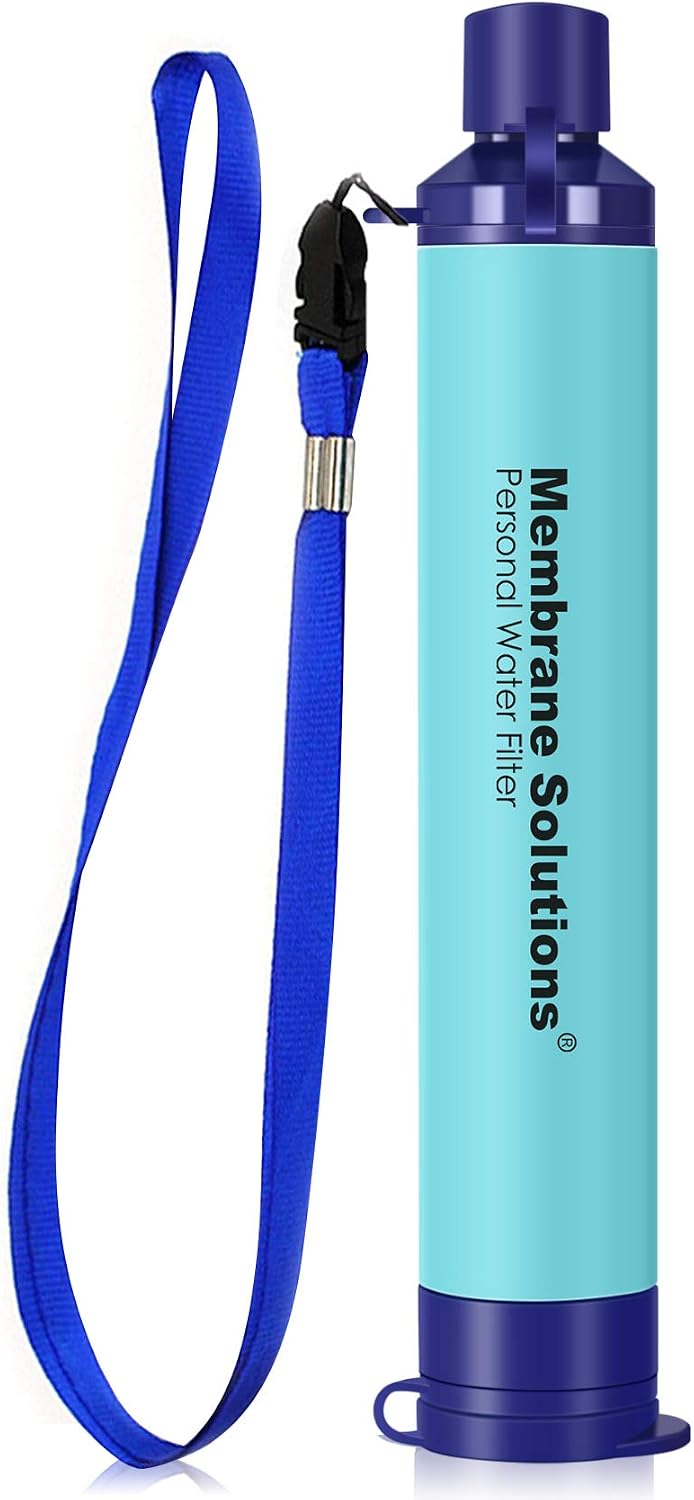
Built for travel, hiking & emergencies - drink safely whether the water is unsafe or just tastes off.
- NSF/ANSI 42, 372 & 401 certified, 0.1 micron filtration
- Filters up to 1,320 gallons - no batteries or pumping
- Ultralight - fits in any bag or pocket
- BPA-free, compatible with standard 28mm bottle threads
Tap water in Uzbekistan is generally not considered safe for travelers to drink. While urban infrastructure has improved in recent years, aging Soviet-era pipes, inconsistent chlorination, and regional water scarcity make bottled or filtered water the recommended choice. Travelers should exercise caution especially in rural areas and smaller cities.
Quick Reference
| Concern | Our Advice | |
|---|---|---|
| Drink tap water? | ❌ | Use bottled or filtered water |
| Brush teeth? | ❌ | Use bottled or filtered water |
| Wash fruits / veg? | ❌ | Wash with filtered or bottled water |
| Use ice in drinks? | ❌ | Avoid unless confirmed purified |
| Shower safely? | ✅ | Yes |
| Filter bottle needed? | ❌ | Strongly recommend a Membrane Solutions Filter Straw for all travelers |
| Common risks | Bacterial contamination, Heavy metals from aging pipes, Chlorination byproducts, Pesticide residues, High mineral content, Parasitic contamination |

Key Statistics


Affiliate links — we earn a small commission at no extra cost to you.
Water Infrastructure & Supply
Uzbekistan's water infrastructure was largely built during the Soviet era, with centralized treatment plants and extensive pipe networks installed in the 1960s, 1980s. Much of this infrastructure has deteriorated significantly, with many pipes exceeding their designed service life. Water supply is intermittent in many areas, with some cities and towns receiving tap water for only a few hours per day.
The country's water treatment relies primarily on conventional methods including coagulation, sedimentation, filtration, and chlorination. However, treatment quality varies considerably between regions, and many rural areas depend on untreated or minimally treated groundwater sources. The Amu Darya and Syr Darya rivers, the two main surface water sources, carry agricultural runoff including pesticides and fertilizers from upstream cotton cultivation, complicating treatment efforts.
The Uzbek government, in partnership with the World Bank, Asian Development Bank, and other international organizations, has invested heavily in water supply modernization. The Bukhara and Samarkand Water Supply Improvement Projects, along with national programs targeting rural water access, aim to replace aging infrastructure and expand coverage. A national target has been set to achieve universal safely managed water access by 2030, though progress remains challenging given the scale of needed investment.
Contamination & Health Risks
The primary health risks from Uzbekistan's tap water include bacterial contamination (E. coli, Salmonella), parasitic organisms (Giardia, Cryptosporidium), and elevated levels of heavy metals leached from deteriorating pipes, including lead and iron. Agricultural chemicals, particularly from the cotton industry, can enter water sources and pose long-term health concerns. The Aral Sea environmental disaster has also affected water quality in the Karakalpakstan region, where elevated salt and chemical concentrations are common.
For travelers, the most immediate risks are gastrointestinal illnesses including traveler's diarrhea, nausea, and stomach cramps. These are most commonly caused by bacteria and parasites present in inadequately treated water. Ice served in drinks, salads washed with tap water, and fruits rinsed with unfiltered water can all serve as transmission vectors. The risk is highest during summer months when temperatures accelerate bacterial growth.
Travelers with compromised immune systems or sensitive stomachs should be especially cautious. Even in upscale hotels in Tashkent, tap water is not recommended for drinking. The CDC classifies Uzbekistan as a destination where travelers should avoid tap water consumption. Showering is generally safe as long as water is not swallowed, but brushing teeth with bottled or purified water is strongly advised.
Regional Water Quality Breakdown
Tashkent
cautionThe capital has the best water infrastructure in the country, with relatively modern treatment facilities and more consistent supply. However, aging distribution pipes can introduce contaminants, and locals generally do not drink tap water directly. Use bottled or filtered water for drinking.
Samarkand
cautionSamarkand has benefited from World Bank-funded water supply improvements. Water quality has improved but remains inconsistent across different neighborhoods. Travelers should stick to bottled water, especially in the old city areas.
Bukhara
cautionBukhara faces water scarcity challenges and its infrastructure is being upgraded with international assistance. Tap water often has a noticeable taste and mineral content. Bottled water is essential for visitors.
Khiva & Khorezm Region
avoidLocated downstream along the Amu Darya, water quality in this region is affected by agricultural runoff and salinity issues. The water infrastructure is older and less reliable than in major cities. Travelers should strictly use sealed bottled water.
Karakalpakstan (Nukus & Aral Sea area)
avoidThis region suffers the most severe water quality problems in Uzbekistan due to the Aral Sea ecological catastrophe. Water sources contain elevated levels of salts, pesticides, and heavy metals. Only sealed bottled water should be consumed.
Fergana Valley
cautionThe densely populated Fergana Valley has a mix of urban and rural water systems. Cities like Fergana and Andijan have basic treatment facilities, but rural areas often rely on untreated well water. Travelers should use bottled water throughout the region.
Practical Tips for Travelers
- Always drink bottled or filtered water. In Uzbek, you can ask for water by saying 'Suv bering' (Give me water) or specifically request bottled water with 'Butilkadagi suv bering' (Give me bottled water).
- Carry a reliable filter bottle like LifeStraw Go or Grayl GeoPress when traveling outside major cities, as bottled water availability can be limited in remote areas. Strongly recommend the Membrane Solutions Filter Straw.
- Check that bottled water seals are intact before purchasing, as refilling bottles with tap water and reselling them has been reported in some tourist areas.
- Avoid ice in drinks unless you are at an international hotel or upscale restaurant that confirms they use purified water for ice making.
- Peel fruits and vegetables rather than just washing them, or use bottled water for rinsing produce you plan to eat raw.
- In traditional chaikhanas (tea houses), hot tea (choy) is generally safe to drink because the water has been boiled, making it a reliable and culturally immersive beverage choice.
- During summer months (June, August), increase your water intake significantly as temperatures can exceed 40C. Carry at least 2 liters when sightseeing.
- Pack oral rehydration salts (ORS) as a precaution. If you experience traveler's diarrhea, these can help you recover quickly and are also available at local pharmacies (dorixona).
Bottled Water Availability & Cost
Bottled water is widely available throughout Uzbekistan, sold at virtually every grocery store, bazaar, gas station, and convenience kiosk. Popular local brands include Nestle Pure Life (bottled locally), Aquafina, Obi Hayot, and Bon Aqua. A 0.5-liter bottle typically costs 2,000, 4,000 UZS (approximately $0.15, $0.30 USD), while a 1.5-liter bottle ranges from 4,000, 8,000 UZS ($0.30, $0.60 USD). In tourist areas, restaurants, and hotels, prices may be slightly higher.
Buying water in bulk (5-liter or 19-liter jugs) from supermarkets like Korzinka or Makro is the most economical option for longer stays, with 5-liter bottles costing around 8,000, 15,000 UZS ($0.60, $1.10 USD). Travelers concerned about sustainability should consider investing in a quality filter bottle such as a LifeStraw or Grayl, which can purify tap water and significantly reduce plastic waste during extended trips across the country.
Frequently Asked Questions
Can I brush my teeth with tap water in Uzbekistan?
It's best to use bottled or filtered water for brushing teeth in Uzbekistan. While a small amount of tap water is unlikely to cause serious illness, the inconsistent treatment quality and aging pipes mean there is a real risk of bacterial contamination that could cause stomach upset.
Is it safe to shower in tap water in Uzbekistan?
Yes, showering in tap water is generally safe throughout Uzbekistan. The risk comes from ingesting the water, not from skin contact. Just be careful not to swallow any water while showering, and keep your mouth closed.
Is ice safe in drinks in Uzbekistan?
Ice should generally be avoided in Uzbekistan unless you're at an international hotel or high-end restaurant that uses purified water for ice. In local restaurants, street stalls, and bazaars, ice is often made from unfiltered tap water.
Is restaurant water safe to drink in Uzbekistan?
Most restaurants in Uzbekistan serve bottled water, which is safe. Never drink tap water served in a glass at restaurants. Always ask for sealed bottled water. Tea is also safe since the water is boiled during preparation.
How much does bottled water cost in Uzbekistan?
Bottled water is very affordable in Uzbekistan. A 0.5-liter bottle costs around 2,000, 4,000 UZS ($0.15, $0.30 USD), and a 1.5-liter bottle costs 4,000, 8,000 UZS ($0.30, $0.60 USD). Larger 5-liter jugs cost around $0.60, $1.10 USD at supermarkets.
Is the water safe in Tashkent hotels?
Even in upscale Tashkent hotels, tap water is not recommended for drinking. Most quality hotels provide complimentary bottled water in rooms and use purified water in their restaurants. Always confirm with hotel staff if you're unsure about water quality.
Why is water quality worse near the Aral Sea?
The Aral Sea has dramatically shrunk since the 1960s due to Soviet-era irrigation diversions for cotton farming. This environmental catastrophe left behind a toxic lakebed contaminated with pesticides and salts, which have leached into groundwater and remaining waterways in the Karakalpakstan region, making water quality particularly poor.
Can I drink the tap water if I boil it first?
Boiling tap water for at least one minute will kill most bacteria and parasites, making it safer to drink. However, boiling does not remove chemical contaminants like heavy metals, pesticides, or excess minerals that may be present in Uzbekistan's water. For best protection, use a combination of boiling and filtration, or stick with sealed bottled water.
Traveling Nearby?
Check tap water safety in neighboring countries:
Afghanistan Kazakhstan Kyrgyzstan Tajikistan TurkmenistanInteresting Product Reviews
8 Best Travel Kettles For Boiling Water (2026 Review Guide)
Jul 2, 2026
9 Best Shower Descaling Cleaners (2026 Review Guide)
Aug 21, 2026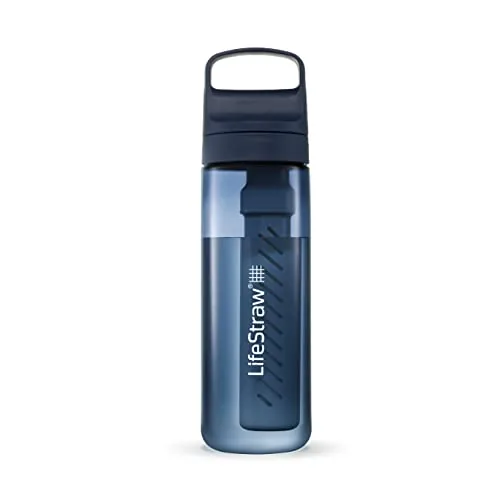
6 Best Travel Water Filter Bottles (2026 Review Guide)
Jul 16, 2026
7 Best Pet Water Fountains (2026 Review Guide)
Aug 18, 2026
6 Best Water Coolers For Home (2026 Review Guide)
Aug 10, 2026