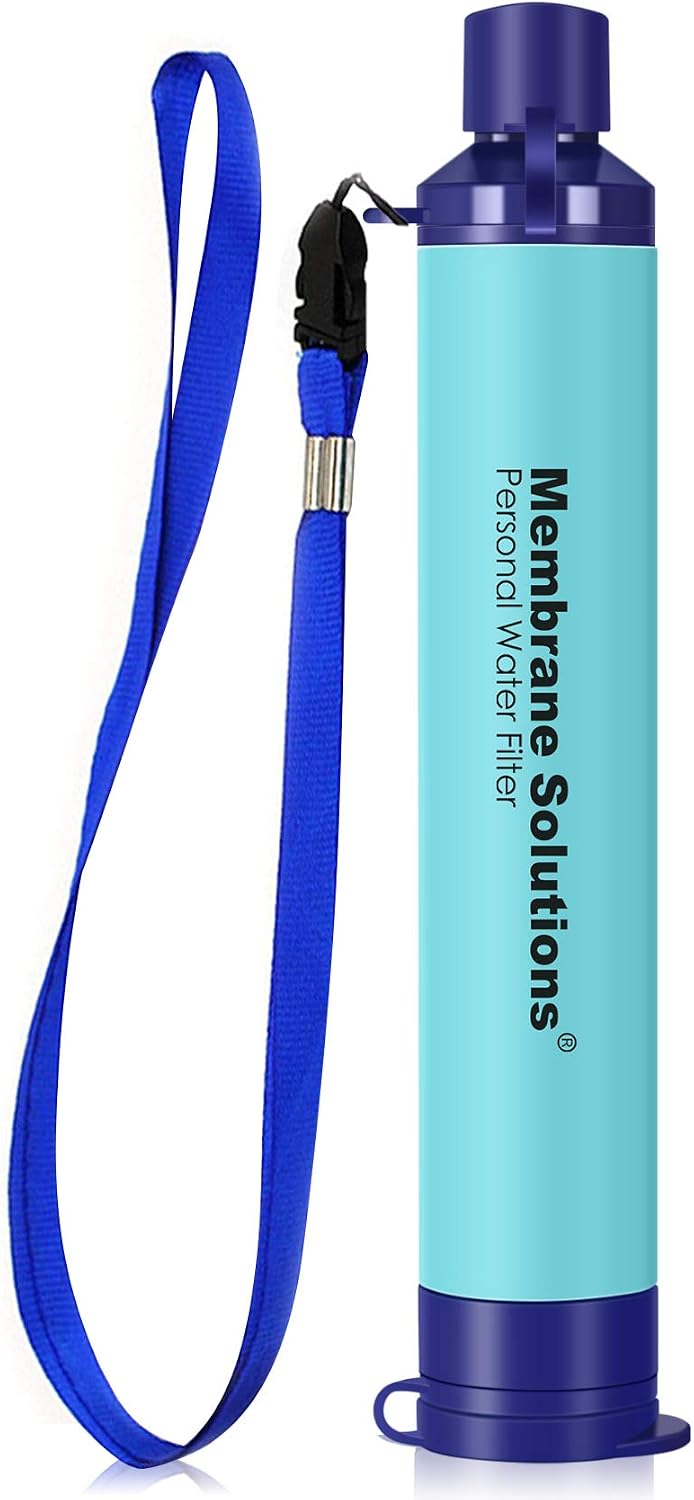
As low as $12
Built for travel, hiking & emergencies - drink safely whether the water is unsafe or just tastes off.
- NSF/ANSI 42, 372 & 401 certified, 0.1 micron filtration
- Filters up to 1,320 gallons - no batteries or pumping
- Ultralight - fits in any bag or pocket
- BPA-free, compatible with standard 28mm bottle threads
Tap water in Serbia's major cities like Belgrade and Novi Sad is generally safe to drink, as it undergoes modern treatment processes and meets EU-aligned quality standards. However, water quality can vary significantly in rural areas and smaller towns, where aging infrastructure and potential contamination from agricultural runoff pose risks. Travelers should exercise caution outside major urban centers and consider using a filter bottle for added peace of mind.
Quick Reference
| Concern | Our Advice | |
|---|---|---|
| Drink tap water? | ✅ | Yes, safe in most areas |
| Brush teeth? | ✅ | Yes, no concerns |
| Wash fruits / veg? | ✅ | Yes, safe to use tap water |
| Use ice in drinks? | ✅ | Yes, safe in restaurants |
| Shower safely? | ✅ | Yes |
| Filter bottle needed? | ✅ | Not necessary, but a Membrane Solutions Filter Straw can improve taste |
| Common risks | Aging pipe infrastructure, Agricultural runoff, Occasional heavy metal traces, Chlorination byproducts, Microbiological contamination in rural wells |

Key Statistics


Affiliate links — we earn a small commission at no extra cost to you.
Water Infrastructure & Supply
Serbia's water supply system was largely developed during the Yugoslav era in the mid-to-late 20th century. Major cities like Belgrade, Novi Sad, and Ni have centralized water treatment plants that process water from rivers and underground aquifers. Belgrade's water utility (Beogradski vodovod i kanalizacija) draws primarily from the alluvial aquifer of the Sava River and delivers treated water to approximately 1.7 million residents.
The treatment process in major cities typically involves coagulation, sedimentation, sand filtration, and chlorine disinfection, meeting standards aligned with EU Drinking Water Directive requirements. However, a significant challenge is the aging pipe network , some pipes in Belgrade date back to the early 1900s, leading to occasional water main breaks and potential secondary contamination. In rural areas, many households rely on local wells or small community water systems that may lack proper treatment.
Serbia has been investing in water infrastructure upgrades as part of its EU accession process. The government, with support from the European Investment Bank and KfW, has undertaken projects to modernize water treatment facilities in cities such as Kraljevo, Kruevac, and abac. A major priority is expanding wastewater treatment capacity, as only about 17% of wastewater is currently treated before discharge , one of the lowest rates in Europe.
Contamination & Health Risks
In major Serbian cities, tap water is regularly tested and generally meets safety standards. Belgrade's water utility reports over 99% compliance with microbiological and chemical parameters. However, older buildings may have lead or corroded iron pipes that can leach contaminants into drinking water, particularly if water has been standing in pipes overnight.
Rural areas present more significant risks. Agricultural regions in Vojvodina have reported elevated nitrate levels in groundwater due to fertilizer runoff. In parts of central and southern Serbia, naturally occurring arsenic and manganese in groundwater have been documented at levels occasionally exceeding WHO guidelines. Some smaller towns have had intermittent issues with bacterial contamination, especially after heavy rains that can overwhelm local treatment capacity.
For travelers, the practical risk in Belgrade, Novi Sad, and other major cities is low. The most common complaint is the taste and smell of chlorine, which is used liberally for disinfection. Sensitive travelers may experience mild gastrointestinal adjustment due to different mineral compositions. In rural or mountainous areas, it is advisable to drink bottled water or use a portable filter, especially when the water source is an untested local well.
Regional Water Quality Breakdown
Belgrade
safeBelgrade's tap water is processed by one of Serbia's most modern water treatment systems, drawing from the Sava River aquifer. The city's utility reports 99%+ compliance with quality standards. Water is safe to drink directly from the tap, though older buildings may have aging pipes.
Novi Sad
safeNovi Sad sources its water from deep underground wells near the Danube, producing high-quality drinking water. The city's water is well-regarded for its taste and mineral content. Travelers can drink tap water confidently throughout the city.
Ni
safeAs Serbia's third-largest city, Ni has a modern water treatment plant that supplies safe drinking water. Water is sourced from the Niava River basin and underground springs. Quality is generally reliable, though infrastructure in some older neighborhoods may warrant caution.
Vojvodina (rural areas)
cautionRural areas in Vojvodina province have been documented to have elevated arsenic and nitrate levels in groundwater. While urban centers like Novi Sad and Subotica are fine, smaller villages may have untreated or inadequately treated well water. Travelers should use bottled water in rural Vojvodina.
Zlatibor / Western Serbia
safeThe popular mountain resort area of Zlatibor and surrounding western Serbian towns generally have clean water sourced from mountain springs. Water quality is considered good, and the region's natural springs are a tourist attraction. Municipal systems in resort towns are well-maintained.
Southern and Eastern Serbia (rural)
cautionSome rural areas in southern and eastern Serbia rely on small community water systems or private wells that may not undergo regular testing. Historical mining activity in some areas has raised concerns about heavy metal contamination in local water sources. Travelers to remote villages should stick to bottled water.
Practical Tips for Travelers
- Carry a filter straw (e.g., Membrane Solutions) — it removes bacteria, parasites, and microplastics from any tap or stream. Strongly recommend the Membrane Solutions Filter Straw.
- In Belgrade, take advantage of the city's many public drinking fountains (esme) , they dispense safe, tested municipal water and are great for refilling your reusable bottle.
- If staying in an older building (pre-1970s), let the tap run for 30 seconds to a minute before drinking to flush any standing water from aging pipes.
- To order water in Serbian, say 'Moe jedna voda, molim' (Can I have one water, please). Specify 'obina' for still water or 'gazirana' for sparkling.
- When visiting rural Vojvodina, always opt for bottled water, as groundwater in the region may contain elevated arsenic or nitrate levels.
- Ice in drinks at restaurants and bars in Belgrade and Novi Sad is made from municipal water and is safe. In rural areas, ask if ice is made from tap or bottled water.
- Buy water in bulk at supermarkets like Maxi, Idea, or Lidl to save money , 5-liter jugs cost under 2 and are widely available.
- If you notice a strong chlorine taste, fill a jug and leave it uncovered in the refrigerator for an hour , the chlorine will dissipate and the taste will improve significantly.
- Serbian mountain spring water brands like Prolom Voda and Vrnjci are locally beloved and affordable , try them as an alternative to international brands.
Bottled Water Availability & Cost
Bottled water is widely available throughout Serbia in supermarkets, convenience stores (known as 'trafika'), gas stations, restaurants, and cafs. Popular domestic brands include Knjaz Milo, Prolom Voda, Vrnjci, and Rosa. A 0.5-liter bottle typically costs 80, 120 Serbian dinars (approximately 0.70, 1.00) at a shop, while restaurant prices range from 150, 300 dinars (1.30, 2.60). Imported brands like Evian or San Pellegrino are available at higher prices in upscale venues.
For budget travelers, buying water in bulk at supermarkets like Maxi, Idea, or Lidl is the most economical option , a 1.5-liter bottle costs around 60, 100 dinars (0.50, 0.85), and 5-liter jugs are available for approximately 150, 200 dinars (1.30, 1.70). Serbia has a growing environmental awareness movement, and many locals carry reusable bottles. Belgrade has public drinking fountains (esma) throughout the city that dispense safe, tested municipal water, making it easy to refill.
Frequently Asked Questions
Can I brush my teeth with tap water in Serbia?
Yes, tap water in Serbian cities is safe for brushing teeth. The water meets microbiological safety standards in all major urban areas including Belgrade, Novi Sad, and Ni. Even in rural areas where drinking tap water may not be recommended, brushing teeth poses minimal risk.
Is it safe to shower in Serbian tap water?
Absolutely. Showering in Serbian tap water is completely safe throughout the country. The water is treated and chlorinated, and there are no skin-contact health risks. Some travelers with sensitive skin may notice the water is slightly harder in certain regions.
Is ice safe in Serbian restaurants and bars?
In restaurants and bars in major cities like Belgrade, Novi Sad, and Ni, ice is made from municipal tap water and is safe. In rural areas or very small establishments, you may want to ask, but generally ice is safe across the country.
Is restaurant tap water safe to drink in Serbia?
Many Serbian restaurants will serve bottled water by default, as it is customary. If you specifically request tap water ('esmovaa'), it is safe to drink in major cities. However, note that some waitstaff may find the request unusual, as bottled water is the cultural norm in dining settings.
How much does bottled water cost in Serbia?
A 0.5-liter bottle costs about 0.70, 1.00 in shops and 1.30, 2.60 in restaurants. A 1.5-liter bottle at a supermarket costs 0.50, 0.85. Serbia is one of the more affordable European countries for bottled water, and domestic brands are excellent quality.
Why does Belgrade tap water sometimes taste like chlorine?
Belgrade's water utility uses chlorine as a primary disinfectant, which is standard practice. The chlorine levels are within safe limits but can sometimes be noticeable in taste and smell. Letting water sit in an open container for 30, 60 minutes or refrigerating it will significantly reduce the chlorine taste.
Can I drink water from natural springs in Serbia?
Serbia has many natural springs, especially in mountainous areas like Zlatibor, Tara, and Kopaonik. Springs that are marked and maintained by local authorities are generally safe. However, unmarked or untested springs should be avoided, as they may contain bacteria or parasites regardless of how clean the water appears.
Is tap water in Serbia safe for making baby formula?
In major cities, tap water is safe for preparing baby formula, though you may want to boil it first and let it cool as an extra precaution, which is standard advice worldwide. In rural areas, it is recommended to use bottled water with low mineral content (look for 'mineralni sastav' on the label) for infant formula preparation.
Traveling Nearby?
Check tap water safety in neighboring countries:
Bosnia and Herzegovina Bulgaria Croatia Hungary Kosovo Montenegro North Macedonia RomaniaInteresting Product Reviews
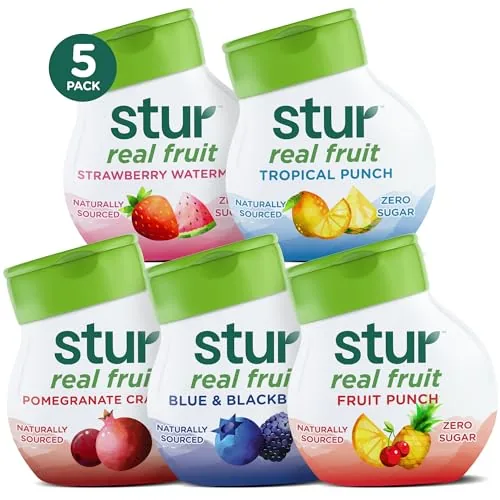
8 Best Water Flavor Drops (2026 Review Guide)
Aug 9, 2026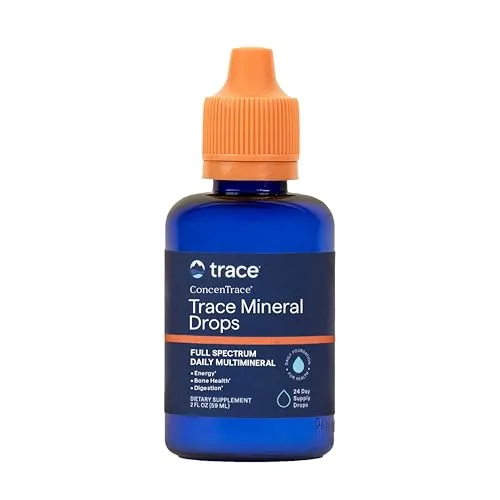
6 Best Mineral Drops For Drinking Water (2026 Review Guide)
Aug 9, 2026
6 Best Water Filters For Coffee And Espresso Machines (2026 Review Guide)
Aug 4, 2026
6 Best Home Water Test Kits (2026 Review Guide)
Aug 2, 2026
6 Best Whole House Water Filters For Well Water (2026 Review Guide)
Jul 25, 2026