As low as $12
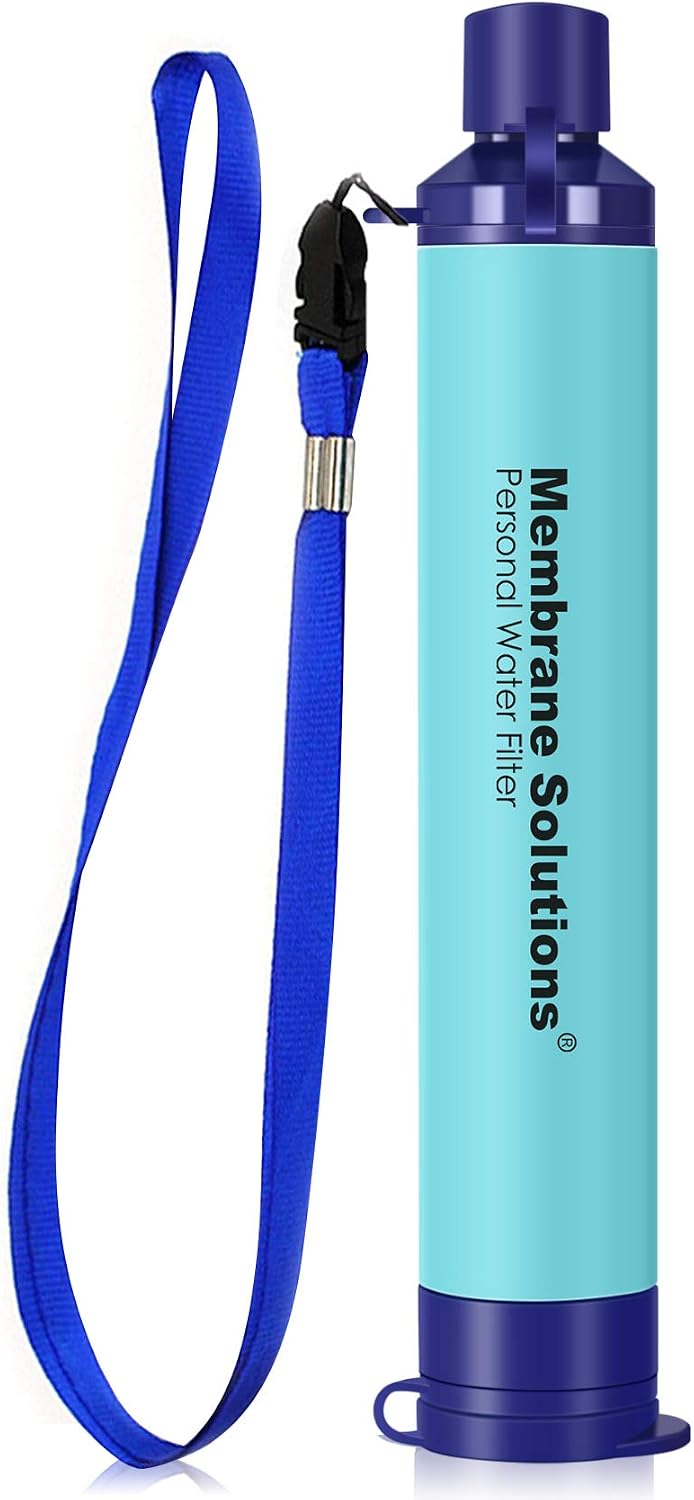
Built for travel, hiking & emergencies - drink safely whether the water is unsafe or just tastes off.
- NSF/ANSI 42, 372 & 401 certified, 0.1 micron filtration
- Filters up to 1,320 gallons - no batteries or pumping
- Ultralight - fits in any bag or pocket
- BPA-free, compatible with standard 28mm bottle threads
Tap water in Ivory Coast (Cte d'Ivoire) is generally not safe for travelers to drink. While urban areas like Abidjan have treated municipal water, inconsistent treatment, aging infrastructure, and contamination risks make it advisable for visitors to rely on bottled or filtered water. Rural areas face significantly greater challenges with water access and quality.
Quick Reference
| Concern | Our Advice | |
|---|---|---|
| Drink tap water? | ❌ | Use bottled or filtered water |
| Brush teeth? | ❌ | Use bottled or filtered water |
| Wash fruits / veg? | ❌ | Wash with filtered or bottled water |
| Use ice in drinks? | ❌ | Avoid unless confirmed purified |
| Shower safely? | ✅ | Yes |
| Filter bottle needed? | ❌ | Strongly recommend a Membrane Solutions Filter Straw for all travelers |
| Common risks | Bacterial contamination, Parasitic infections, E. coli, Cholera, Heavy metals, Nitrate contamination, Turbidity issues |

Key Statistics


Affiliate links — we earn a small commission at no extra cost to you.
Water Infrastructure & Supply
Ivory Coast's water supply system has been managed through a public-private partnership since 1960, with SODECI (Socit de Distribution d'Eau de Cte d'Ivoire) operating as the primary urban water utility. The state-owned company ONEP (Office National de l'Eau Potable) oversees water policy and infrastructure investment. The system draws from surface water sources including the Banco River and reservoirs, as well as groundwater, with several treatment plants operating in Abidjan and other major cities.
The treatment infrastructure in Abidjan includes several major facilities, but many operate below optimal capacity due to rapid urbanization outpacing infrastructure development. Water treatment typically involves coagulation, sedimentation, filtration, and chlorination, but distribution networks suffer from leaks, illegal connections, and intermittent supply that can compromise water quality between the treatment plant and the tap. In rural areas, hand pumps and boreholes serve as primary water sources, and many lack any formal treatment.
Significant investment programs are underway to improve water access and quality. The World Bank and African Development Bank have funded major projects including the Programme National d'Hydraulique (PNH) and the Abidjan Urban Water Supply project, which aims to expand production capacity and rehabilitate aging networks. The government's National Development Plan includes targets to achieve universal access to safe water by 2030, though progress has been slower than planned due to funding constraints and population growth.
Contamination & Health Risks
The primary health risks from tap water in Ivory Coast include bacterial contamination (E. coli, Salmonella, Vibrio cholerae), parasitic infections (Giardia, Cryptosporidium), and viral pathogens. Cholera outbreaks occur periodically, particularly during rainy seasons when flooding overwhelms sanitation infrastructure and contaminates water sources. In 2022, the country reported hundreds of cholera cases concentrated in Abidjan and surrounding areas.
Industrial pollution and agricultural runoff pose additional risks, particularly near mining areas in the western and northern regions where heavy metals including mercury and arsenic can leach into groundwater. Nitrate contamination from agricultural fertilizers is a concern in rural farming regions, and the informal gold mining sector contributes to mercury contamination of water sources. Urban areas near industrial zones may have elevated levels of chemical pollutants in untreated water.
For travelers, the most immediate risks are gastrointestinal illnesses including travelers' diarrhea, which affects a significant proportion of visitors to West Africa. Even in upscale hotels in Abidjan, tap water should not be consumed directly. Swallowing water during showers poses minimal risk, but brushing teeth with tap water and consuming ice made from untreated water should be avoided. Street food washed in untreated water is another common route of exposure for visitors.
Regional Water Quality Breakdown
Abidjan
cautionAs the economic capital, Abidjan has the most developed water infrastructure in the country with multiple treatment plants operated by SODECI. However, rapid urbanization, aging pipes, and informal settlements mean water quality at the tap can be unreliable. Travelers should still use bottled or filtered water.
Yamoussoukro
cautionThe political capital has municipal water service but with less consistent treatment than Abidjan. The city's lake systems can become contaminated, particularly during rainy season. Bottled water is readily available near the Basilica and main tourist areas.
Bouak
avoidIvory Coast's second-largest city suffered significant infrastructure damage during past political conflicts. Water supply remains intermittent and quality inconsistent, with many residents relying on wells and informal sources. Travelers should exclusively use bottled or treated water.
San Pedro
cautionThis major port city has improved water infrastructure due to economic activity from the cocoa and port industries. Municipal water is treated but distribution challenges persist. Bottled water is recommended for visitors.
Man & Western Highlands
avoidThe mountainous western region has limited water infrastructure, and many communities rely on untreated springs and streams. Mining activities contribute to potential heavy metal contamination. Travelers trekking in this region should carry their own water purification supplies.
Grand-Bassam
cautionThis UNESCO-listed coastal town near Abidjan is popular with tourists. Water supply is connected to the Abidjan network but quality at the tap may be compromised. Hotels generally provide bottled water, and it is widely available at shops and restaurants along the beachfront.
Practical Tips for Travelers
- Always drink bottled or filtered water , ask for "eau minrale" (mineral water) or "eau en bouteille" (bottled water) at restaurants and hotels.
- Carry a portable water filter or purification tablets when traveling outside Abidjan, as bottled water availability decreases significantly in rural areas.
- Avoid ice in drinks unless you're at an upscale hotel or restaurant that confirms they use purified water , say "sans glaons, s'il vous plat" (without ice, please).
- When buying sachet water ("eau en sachet"), look for recognized brands with proper labeling and CODINORM certification marks to ensure quality standards are met.
- Peel all fruits yourself and avoid pre-cut fruit from street vendors, as it may have been washed with untreated tap water.
- Use bottled water for brushing your teeth, especially outside of Abidjan, and keep your mouth closed when showering.
- During the rainy season (May-July and October-November), be extra cautious as flooding increases contamination risks , water quality tends to deteriorate significantly.
- If staying long-term, consider installing a countertop filter or purchasing a Grayl or LifeStraw filter bottle to reduce both cost and plastic waste from bottled water consumption. Strongly recommend the Membrane Solutions Filter Straw.
Bottled Water Availability & Cost
Bottled water is widely available throughout Ivory Coast, especially in urban areas. Common brands include Awa, Cleste, and Oasis, which are locally produced. A 1.5-liter bottle typically costs between 300-500 CFA francs (approximately $0.50-$0.85 USD) in shops and supermarkets. In hotels and restaurants, prices are higher, often ranging from 1,000-2,500 CFA francs ($1.70-$4.25 USD) for the same size. Sachet water ("eau en sachet" or "pure water") is ubiquitous and costs about 25-100 CFA francs per 500ml bag, though quality can vary significantly by brand.
For longer stays, purchasing water in bulk from supermarkets like Carrefour, King Cash, or Playce is more economical , a pack of six 1.5-liter bottles typically costs around 1,500-2,500 CFA francs. Travelers should check that bottle seals are intact before purchasing, as refilled bottles occasionally appear in informal markets. For an environmentally conscious option, investing in a quality filter bottle such as a LifeStraw or Grayl can reduce plastic waste significantly during an extended trip while providing reliable water purification.
Frequently Asked Questions
Can I brush my teeth with tap water in Ivory Coast?
It is not recommended to brush your teeth with tap water in Ivory Coast. Even in Abidjan's better-serviced areas, water quality at the tap can be inconsistent. Use bottled or filtered water for brushing teeth to avoid potential gastrointestinal illness.
Is it safe to shower in tap water in Ivory Coast?
Yes, showering in tap water is generally safe as long as you avoid swallowing the water. Keep your mouth closed while showering and be careful not to ingest any water. If you have open wounds, you may want to use purified water to clean them instead.
Is ice safe to use in drinks in Ivory Coast?
Ice should be avoided in most settings, as it is often made from untreated tap water. Higher-end hotels and international restaurants may use purified water for their ice, but it's safest to request drinks without ice ('sans glaons') or confirm the source before consuming.
Do restaurants in Abidjan serve safe drinking water?
Most restaurants in Abidjan will serve bottled water to customers rather than tap water. Always confirm that the bottle is sealed when it arrives at your table. Some upscale restaurants may have their own filtration systems, but it's best to stick with sealed bottled water to be safe.
How much does bottled water cost in Ivory Coast?
A 1.5-liter bottle of water costs approximately 300-500 CFA francs ($0.50-$0.85 USD) in shops and supermarkets. Restaurant and hotel prices are typically 1,000-2,500 CFA francs ($1.70-$4.25 USD). Sachet water bags (500ml) cost as little as 25-100 CFA francs.
Is the water safe at hotels in Ivory Coast?
Most international and upscale hotels in Abidjan provide complimentary bottled water in rooms and use purified water in their kitchens. However, even at good hotels, you should not drink water from the bathroom tap. Always ask about the hotel's water treatment practices and use provided bottled water.
What waterborne diseases should I be aware of in Ivory Coast?
The main waterborne disease risks include cholera, typhoid fever, hepatitis A, and various parasitic infections. Travelers' diarrhea is very common among visitors. Ensure your routine vaccinations are up to date, consider hepatitis A and typhoid vaccines before travel, and always use safe water sources.
Can I use tap water to wash fruits and vegetables in Ivory Coast?
No, you should wash fruits and vegetables with bottled or purified water, or soak them in a water-and-bleach solution (a few drops of household bleach per liter). Alternatively, peel all fruits and cook vegetables thoroughly. Many locals use diluted bleach solutions ('eau de javel') for washing produce.
Interesting Product Reviews
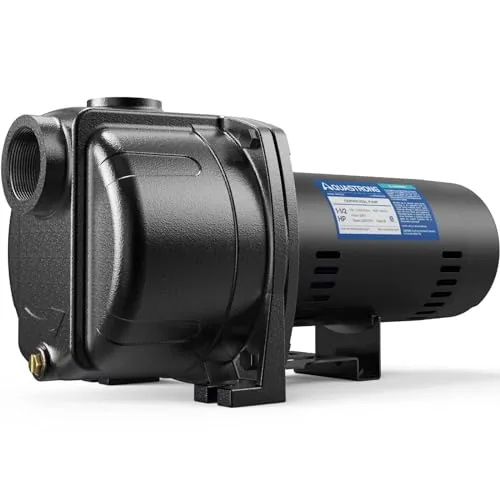
9 Best Well Water Pumps (2026 Review Guide)
Aug 14, 2026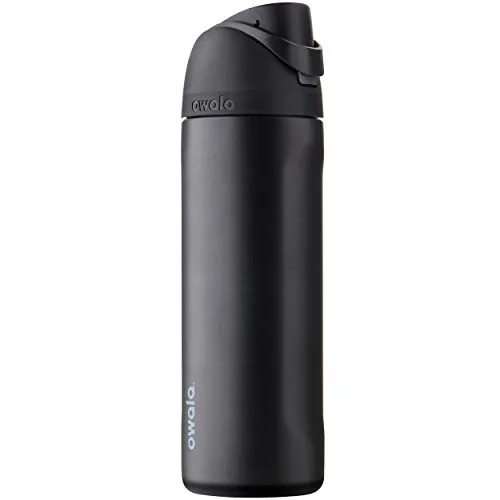
9 Best Reusable Water Bottles (2026 Review Guide)
Aug 6, 2026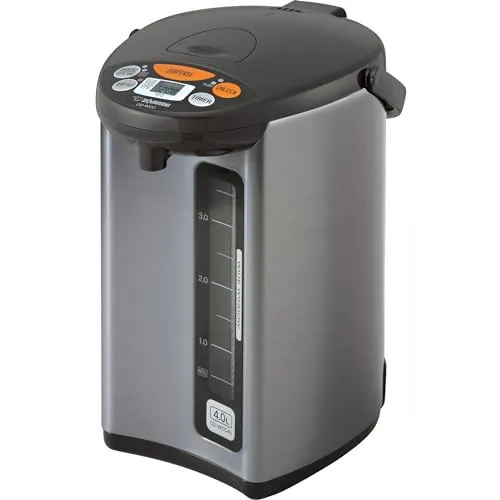
6 Best Water Boilers And Warmers (2026 Review Guide)
Aug 12, 2026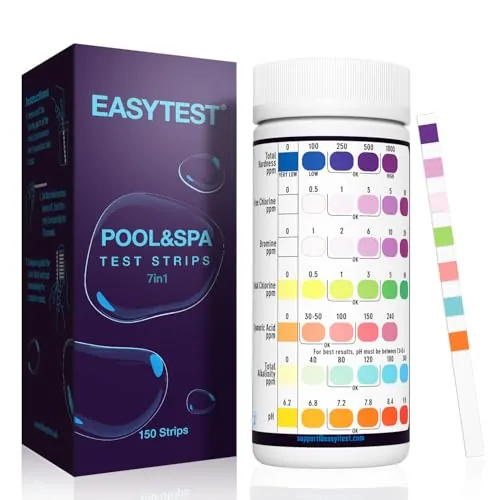
9 Best Pool Test Kits (2026 Review Guide)
Aug 25, 2026
9 Best Rain Barrel Pumps (2026 Review Guide)
Aug 22, 2026