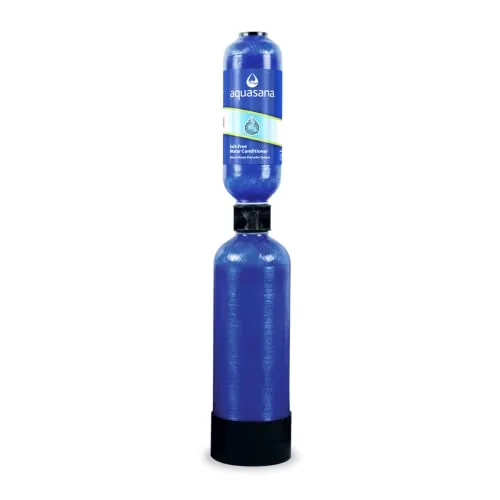
As low as $12
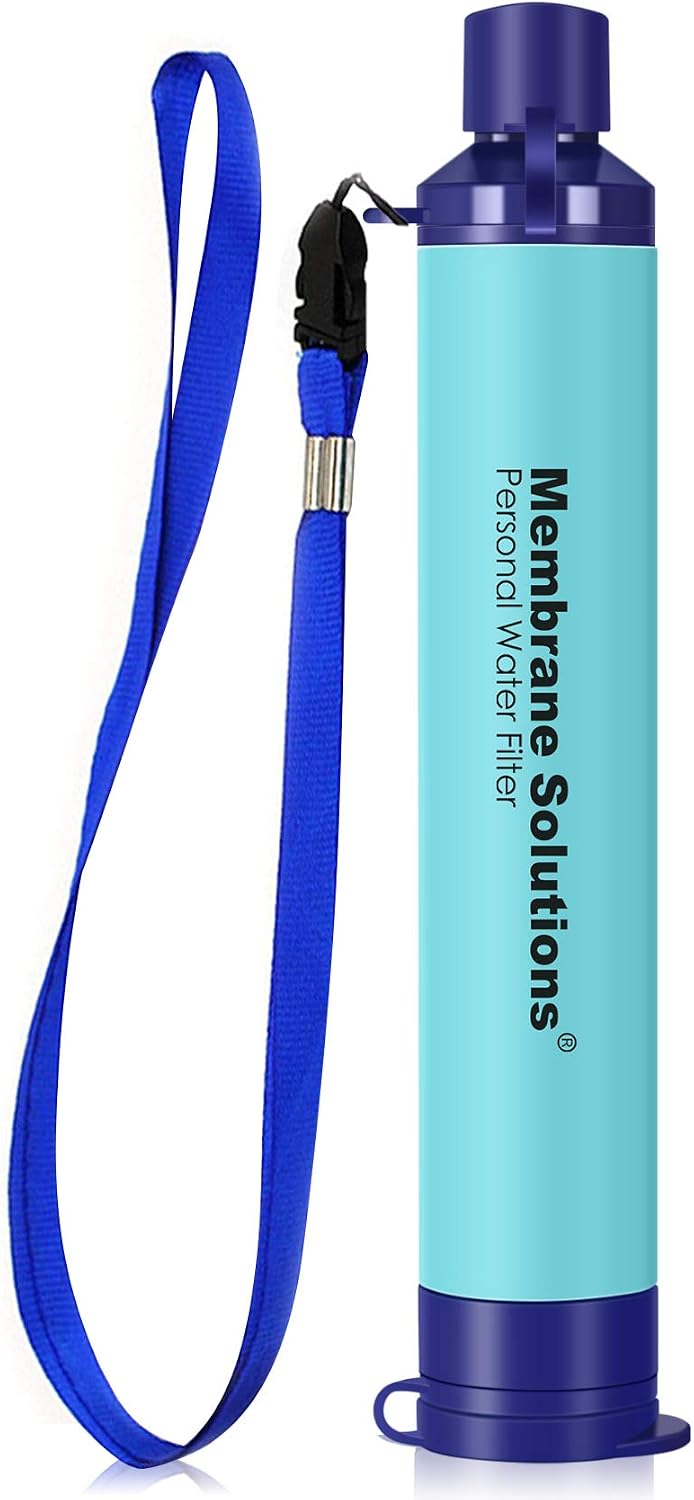
Built for travel, hiking & emergencies - drink safely whether the water is unsafe or just tastes off.
- NSF/ANSI 42, 372 & 401 certified, 0.1 micron filtration
- Filters up to 1,320 gallons - no batteries or pumping
- Ultralight - fits in any bag or pocket
- BPA-free, compatible with standard 28mm bottle threads
Tap water in Mongolia is generally not safe for travelers to drink without treatment. While Ulaanbaatar's central water supply is treated, aging infrastructure, pipe contamination, and inconsistent quality in rural areas pose significant risks. Travelers should rely on bottled or filtered water throughout their visit.
Quick Reference
| Concern | Our Advice | |
|---|---|---|
| Drink tap water? | ❌ | Use bottled or filtered water |
| Brush teeth? | ❌ | Use bottled or filtered water |
| Wash fruits / veg? | ❌ | Wash with filtered or bottled water |
| Use ice in drinks? | ❌ | Avoid unless confirmed purified |
| Shower safely? | ✅ | Yes |
| Filter bottle needed? | ❌ | Strongly recommend a Membrane Solutions Filter Straw for all travelers |
| Common risks | Bacterial contamination, Heavy metals, E. coli, Parasites, Aging pipe infrastructure, Arsenic in groundwater, Nitrate contamination |

Key Statistics


Affiliate links — we earn a small commission at no extra cost to you.
Water Infrastructure & Supply
Mongolia's water infrastructure has undergone significant transformation since the Soviet era, when centralized water treatment plants were built in major urban centers. The collapse of the Soviet Union in the early 1990s led to severe underfunding of maintenance, and much of the pipe network in Ulaanbaatar and secondary cities dates from the 1960s, 1980s. Rural areas, home to nearly a third of the population including nomadic herder communities, largely depend on wells, rivers, and springs with minimal or no treatment.
Ulaanbaatar's central water treatment plant draws water from the Tuul River and underground aquifers, applying coagulation, filtration, and chlorination. However, aging distribution pipes made of cast iron and steel are prone to corrosion, leaks, and secondary contamination between the treatment plant and the tap. In ger districts , the informal settlements surrounding the capital where roughly 60% of Ulaanbaatar's population lives , residents rely on water kiosks and trucked water rather than piped connections.
Significant investment has come through international development partners. The Asian Development Bank has funded the Ulaanbaatar Urban Services and Ger Areas Development Investment Program, which aims to extend piped water to ger districts and upgrade wastewater treatment capacity. The World Bank and JICA have also supported rural water supply projects targeting aimag (provincial) centers and soum (district) towns, but progress remains slow given Mongolia's vast geography and extreme climate, where temperatures can drop below -40C and freeze uninsulated pipes.
Contamination & Health Risks
The primary health risks associated with tap water in Mongolia include bacterial contamination (E. coli, coliform bacteria), parasitic organisms such as Giardia and Cryptosporidium, and chemical contaminants including heavy metals and nitrates. Studies have detected elevated levels of arsenic, manganese, and iron in groundwater in mining-affected regions of the Gobi and central provinces. The Tuul River, Ulaanbaatar's main water source, has been found to contain pharmaceutical residues and organic pollutants from upstream discharge.
Mining activities , particularly gold and copper mining , are a major source of water pollution in Mongolia. Artisanal and illegal mining operations use mercury and cyanide that leach into rivers and groundwater. Agricultural runoff and improper waste disposal in ger districts also contribute to nitrate and fecal contamination of shallow wells. Ulaanbaatar's central wastewater treatment plant operates near capacity, and untreated or partially treated effluent is sometimes discharged during peak periods.
For travelers, the practical risks are significant. Gastrointestinal illness is the most common water-related health complaint, with symptoms including diarrhea, nausea, and stomach cramps. Even in upscale Ulaanbaatar hotels, tap water should not be consumed directly due to pipe contamination risks. In rural areas and during ger camp stays, water from rivers and wells should always be boiled or filtered before consumption. Travelers with compromised immune systems should be especially cautious.
Regional Water Quality Breakdown
Ulaanbaatar (Central Districts)
cautionThe central water treatment plant provides chlorinated water that meets some quality standards at the source, but aging pipes and secondary contamination make tap water unsafe to drink directly. Hotels in the city center often have newer plumbing, but boiling or filtering is still strongly recommended.
Ulaanbaatar (Ger Districts)
avoidGer district residents rely on water kiosks and trucked water, which may not maintain consistent quality during transport and storage. Shallow pit latrines in these areas contaminate nearby groundwater with fecal bacteria and nitrates. Travelers staying in ger district guesthouses should only consume bottled or boiled water.
Darkhan & Erdenet
cautionMongolia's second and third largest cities have Soviet-era water treatment facilities that have been partially upgraded. Water quality is variable, and industrial contamination from Erdenet's copper mine is a concern. Bottled or filtered water is recommended for drinking.
Gobi Desert Region
avoidWater in the Gobi is extremely scarce and often sourced from deep wells with potential heavy metal and mineral contamination. Tourist ger camps vary widely in water quality , some use filtration systems while others rely on untreated well water. Always bring sufficient bottled water and a portable filter.
Lake Khvsgl Region
cautionLake Khvsgl holds 70% of Mongolia's fresh water and is remarkably clean, but settlements around the lake have limited water treatment infrastructure. Tourist camps typically source water from the lake or wells, and while lake water appears pristine, it may contain Giardia or other parasites. Filtering or boiling before drinking is essential.
Orkhon Valley & Central Mongolia
cautionThis popular tourist corridor, including Karakorum and the Orkhon Waterfall area, relies primarily on well water and river sources. Nomadic herder families typically boil their water or drink milk tea. Tourist camps offer varying water quality, and travelers should treat all water before consumption.
Practical Tips for Travelers
- Carry a filter straw (e.g., Membrane Solutions) — it removes bacteria, parasites, and microplastics from any tap or stream. Strongly recommend the Membrane Solutions Filter Straw.
- Always carry a portable water filter or UV purifier , essential for countryside travel where bottled water may be unavailable for days at a time.
- In Mongolian, ask for bottled water by saying ' ' (Lonkhtoi us gn ), meaning 'Can I have bottled water, please?'
- When staying at ger camps, ask specifically whether their water is filtered or boiled , the phrase ' ?' (Ene us tsever ?) means 'Is this water clean?'
- Stock up on large water containers (5L jugs) in Ulaanbaatar before heading to rural areas, as remote shops may only carry small expensive bottles or none at all.
- Avoid ice in drinks outside of international hotels and established restaurants in Ulaanbaatar, as it is often made from untreated tap water.
- Drink suutei tsai (Mongolian milk tea) offered by nomadic families , the boiling process makes it safe, and refusing it would be culturally impolite.
- In winter, be aware that frozen rivers and lakes are sometimes used as water sources , freezing does not kill bacteria or parasites, so always treat this water.
- Use bottled or purified water for brushing teeth, and keep your mouth closed while showering, especially in ger districts and rural areas.
Bottled Water Availability & Cost
Bottled water is widely available throughout Mongolia, especially in Ulaanbaatar and tourist-frequented areas. Popular local brands include Khaan Us, Turgen, and Mongol Us. A 0.5-liter bottle typically costs 800, 1,500 MNT (approximately $0.25, $0.45 USD) in convenience stores, while 1.5-liter bottles range from 1,500, 3,000 MNT ($0.45, $0.90 USD). In restaurants and tourist camps, prices can be 2, 3 times higher. International brands like Aquafina and Evian are available in supermarkets at premium prices.
For longer trips, especially into the countryside or the Gobi Desert, it's wise to stock up on large bottles (5-liter jugs cost around 4,000, 6,000 MNT) before leaving Ulaanbaatar, as availability in remote areas is unpredictable. Many eco-conscious travelers opt for portable water purification systems such as UV sterilizers or pump filters to reduce plastic waste , Mongolia faces a growing problem with plastic bottle pollution, particularly along popular tourist routes and near national parks. If buying from rural shops, check that bottle seals are intact to avoid refilled bottles.
Frequently Asked Questions
Can I brush my teeth with tap water in Mongolia?
It is not recommended. Tap water in Mongolia, including in Ulaanbaatar, may contain bacteria and contaminants due to aging pipes. Use bottled or filtered water for brushing your teeth to avoid gastrointestinal illness.
Is it safe to shower in Mongolian tap water?
Yes, showering is generally safe as long as you avoid swallowing water. Keep your mouth closed and be cautious with any open wounds. In ger districts and rural areas, shower water may have higher contaminant levels, so take extra care.
Can I have ice in my drinks in Mongolia?
In most places, ice is made from untreated tap water and should be avoided. High-end international hotels and well-established restaurants in Ulaanbaatar may use filtered water for ice, but when in doubt, ask or skip the ice.
Is restaurant water safe to drink in Mongolia?
Many restaurants in Ulaanbaatar serve boiled water or tea, which is safe. However, unless you see a sealed bottle being opened, do not assume water served in a glass is safe. In rural restaurants and roadside eateries, stick to bottled water, tea, or other sealed beverages.
How much does bottled water cost in Mongolia?
A 0.5-liter bottle costs approximately 800, 1,500 MNT ($0.25, $0.45 USD) in shops. Prices increase significantly at tourist camps and remote locations, where a small bottle may cost 3,000, 5,000 MNT. Buying in bulk in Ulaanbaatar is the most economical approach.
Is the water from Lake Khvsgl safe to drink?
Despite its crystal-clear appearance, Lake Khvsgl water should not be drunk untreated. It may contain Giardia, Cryptosporidium, and other parasites from livestock and wildlife. Always filter, boil, or chemically treat lake water before consumption.
What about water quality during the Naadam Festival?
During Naadam (July 11-13), large crowds gather and temporary food stalls operate with variable hygiene standards. Stick to sealed bottled water, avoid ice, and be cautious with any water-based foods. Carry your own supply as vendors may run out during peak festivities.
Do I need to worry about water in the Gobi Desert?
Yes, water safety in the Gobi is a serious concern. Water is extremely scarce, and available groundwater may contain heavy metals from mining activities. Always bring more bottled water than you think you need, carry a backup purification method, and coordinate with your tour operator about water resupply points.
Interesting Product Reviews
9 Best Fish Tank Water Conditioners (2026 Review Guide)
Aug 18, 2026
9 Best Water Descalers (2026 Review Guide)
Aug 15, 2026
6 Best Water Filters For Coffee And Espresso Machines (2026 Review Guide)
Aug 4, 2026
6 Best Water Carbonators (2026 Review Guide)
Aug 11, 2026
6 Best Hydration Bladders (2026 Review Guide)
Aug 8, 2026