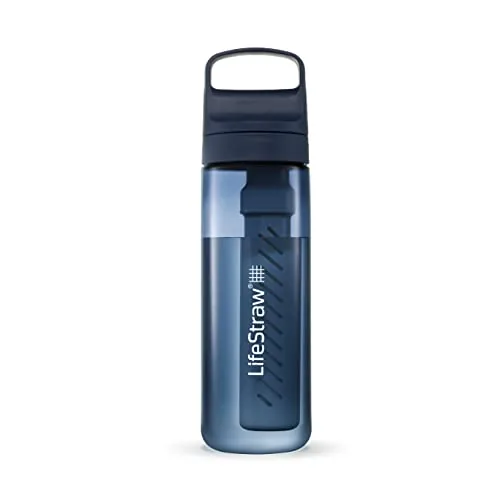
As low as $12
Built for travel, hiking & emergencies - drink safely whether the water is unsafe or just tastes off.
- NSF/ANSI 42, 372 & 401 certified, 0.1 micron filtration
- Filters up to 1,320 gallons - no batteries or pumping
- Ultralight - fits in any bag or pocket
- BPA-free, compatible with standard 28mm bottle threads
Austria has some of the best tap water quality in the world, sourced primarily from Alpine springs and groundwater. Tap water is safe to drink throughout the country and is subject to strict EU and national regulations. Travelers can confidently drink water from the tap anywhere in Austria, including from the many public drinking fountains found in cities like Vienna and Salzburg.
Quick Reference
| Concern | Our Advice | |
|---|---|---|
| Drink tap water? | ✅ | Yes, safe in most areas |
| Brush teeth? | ✅ | Yes, no concerns |
| Wash fruits / veg? | ✅ | Yes, safe to use tap water |
| Use ice in drinks? | ✅ | Yes, safe in restaurants |
| Shower safely? | ✅ | Yes |
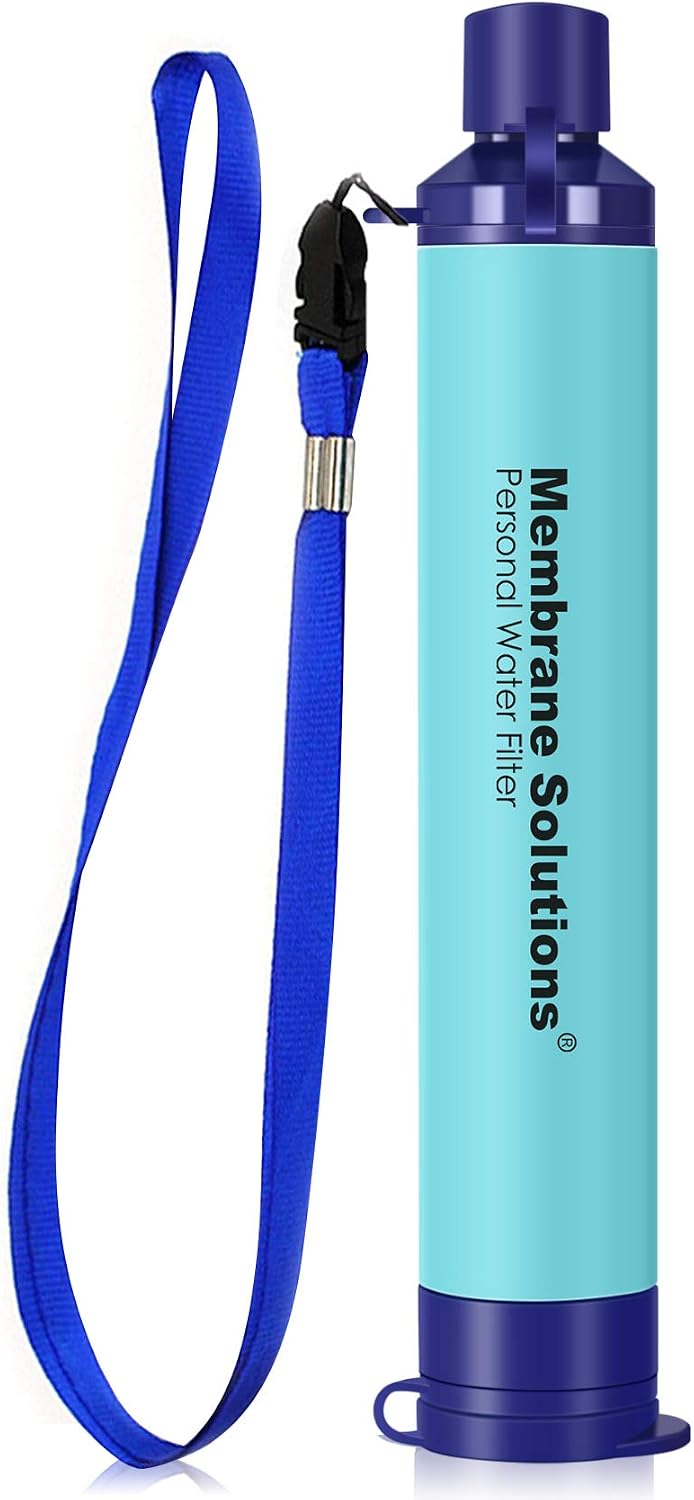
| Filter bottle needed? | ✅ | Not necessary, but a Membrane Solutions Filter Straw can improve taste |
| Common risks | Minimal risks, Occasional agricultural nitrate runoff in lowland areas, Legacy lead pipes in pre-1945 buildings |

Key Statistics


Affiliate links — we earn a small commission at no extra cost to you.
Water Infrastructure & Supply
Austria has a long and proud tradition of high-quality water supply, dating back to the construction of Vienna's First Mountain Spring Pipeline (Erste Wiener Hochquellenwasserleitung) in 1873, which brought pristine Alpine spring water from the Schneeberg and Rax mountains to the capital. This infrastructure was expanded with a second pipeline in 1910 and continues to supply most of Vienna's water today. Austria's commitment to clean drinking water is deeply rooted in its culture and environmental policy.
Approximately 99% of Austria's drinking water comes from groundwater and natural springs, with about 5,500 water supply companies operating across the country. The water undergoes minimal treatment because the natural sources are exceptionally clean , in many cases, only UV disinfection is applied, and chlorination is rarely needed. The Austrian Drinking Water Ordinance (Trinkwasserverordnung) sets strict quality standards that meet or exceed EU Drinking Water Directive requirements, with regular monitoring of over 50 parameters.
Ongoing investments focus on maintaining and modernizing the existing infrastructure, particularly replacing aging pipe networks in older urban areas. Austria is also investing in protecting its groundwater sources from agricultural pollution and climate change impacts, including shifting precipitation patterns that could affect spring yields. Major cities like Vienna, Graz, and Innsbruck continually upgrade their systems to ensure long-term reliability and quality.
Contamination & Health Risks
Austria's tap water poses virtually no health risks to travelers. The water quality consistently meets or exceeds all EU and WHO drinking water guidelines. Microbiological contamination is extremely rare thanks to the natural filtration provided by Alpine geology and the protected catchment areas that supply most of the country's water.
The primary areas of minor concern are localized: some older buildings constructed before 1945 may still have lead service pipes, which could leach small amounts of lead into standing water. In agricultural lowland regions of eastern Austria, nitrate levels can be slightly elevated due to fertilizer runoff, though they remain within safe limits. Travelers with compromised immune systems face no additional risk from Austrian tap water compared to other Western European countries.
Austria's rigorous monitoring system, operated by provincial health authorities and the Austrian Agency for Health and Food Safety (AGES), ensures rapid detection and response to any water quality issues. Public water utilities are required to test frequently and publish results. In practice, Austrian tap water is often cleaner and better-tasting than many commercial bottled waters available in stores.
Regional Water Quality Breakdown
Vienna
safeVienna's tap water is world-renowned, sourced from Alpine springs in the Schneeberg-Rax region and delivered via two historic mountain spring pipelines. The city maintains over 1,300 public drinking fountains (Trinkbrunnen) that provide the same high-quality water. Water quality is consistently excellent with virtually no treatment needed beyond UV disinfection.
Salzburg
safeSalzburg's drinking water comes from protected groundwater sources and mountain springs in the surrounding Alps. The water is exceptionally clean and requires minimal treatment. Travelers can drink tap water with complete confidence throughout the city and surrounding region.
Innsbruck & Tyrol
safeTyrol benefits from some of the purest water sources in Austria, fed directly by Alpine snowmelt and springs. Innsbruck's water supply comes from the Karwendel mountains and local springs. The water quality is outstanding throughout the region, including in smaller Alpine towns and ski resorts.
Graz & Styria
safeGraz sources its water primarily from groundwater wells and springs in the surrounding Styrian highlands. Water quality meets all EU standards and is regularly tested. The city has invested significantly in protecting its groundwater resources from urban development impacts.
Linz & Upper Austria
safeLinz draws its drinking water from groundwater resources along the Danube basin and from springs in the nearby Alps. Water quality is very high, with modern treatment facilities ensuring consistent safety. Rural areas in Upper Austria also maintain excellent water quality through well-managed local supply systems.
Burgenland & Eastern Lowlands
safeThe easternmost regions of Austria occasionally show slightly higher nitrate levels in groundwater due to intensive agriculture, though these remain within safe EU limits. Public water supplies are carefully monitored, and the water is safe to drink. Travelers should have no concerns about tap water safety in this region.
Practical Tips for Travelers
- Carry a filter straw (e.g., Membrane Solutions) — it removes bacteria, parasites, and microplastics from any tap or stream. Strongly recommend the Membrane Solutions Filter Straw.
- Ask for tap water in restaurants by saying 'Leitungswasser, bitte' (tap water, please). Most restaurants will serve it, though some may prefer to sell bottled water or charge a small service fee.
- Take advantage of Vienna's 1,300+ public drinking fountains (Trinkbrunnen) , they provide the same pristine Alpine spring water that flows from household taps and are marked on the city's official WienMobil app.
- If you prefer sparkling water, ask for 'Mineralwasser mit Gas' or 'Sprudel' , Austria has a strong sparkling water culture, and restaurants will typically assume you want sparkling unless you specify 'ohne Gas' (without gas) or 'stilles Wasser' (still water).
- Carry a reusable water bottle , Austrian tap water is excellent everywhere, and many Alpine hiking trails have natural spring water fountains along the route. Look for signs that say 'Trinkwasser' (drinking water) to confirm safety.
- In very old buildings (pre-1945), let the tap run for 20-30 seconds in the morning before drinking to flush any standing water from potentially outdated pipes. This is a precaution, not a significant health risk.
- Mountain hut (Berghtte) water in the Alps is typically spring-fed and safe to drink, but at high elevations some huts may use untreated stream water. Ask the hut staff 'Ist das Trinkwasser?' (Is this drinking water?) if you're unsure.
- If you see a fountain or water source marked 'Kein Trinkwasser' (not drinking water), do not drink from it. These are typically decorative fountains or agricultural water supplies that are not tested for safety.
Bottled Water Availability & Cost
Despite the excellent tap water quality, bottled water is widely available throughout Austria in supermarkets, convenience stores, restaurants, and gas stations. Popular Austrian brands include Vslauer, Rmerquelle, and Gasteiner. A 0.5-liter bottle typically costs 0.50, 1.50 in supermarkets and 2.50, 4.00 in restaurants. Sparkling water (Mineralwasser mit Kohlensure) is very popular in Austria, and many locals prefer it over still water.
For budget-conscious travelers, buying water in 1.5-liter bottles at supermarkets like Billa, Spar, or Hofer costs around 0.40, 0.80. However, given the exceptional quality of Austrian tap water, purchasing bottled water is unnecessary from a safety perspective. Many restaurants will serve tap water (Leitungswasser) if requested, though some may charge a small fee or prefer to sell bottled water. Carrying a reusable bottle is highly recommended , Vienna alone has over 1,300 public drinking fountains that provide free, fresh Alpine spring water.
Frequently Asked Questions
Can I brush my teeth with tap water in Austria?
Yes, absolutely. Austrian tap water is among the cleanest in the world and is perfectly safe for brushing teeth. You can use tap water for all personal hygiene purposes without any concern.
Is it safe to shower in Austrian tap water?
Yes, showering in Austrian tap water is completely safe. The water is free of harmful contaminants and has very low chlorine levels compared to many other countries, making it gentle on skin and hair.
Can I drink ice in drinks at Austrian restaurants and bars?
Yes, ice in Austrian restaurants and bars is made from tap water, which is safe to drink. You can enjoy iced drinks without any health concerns.
Do Austrian restaurants serve tap water for free?
Austrian restaurants are not legally required to provide free tap water. Many will serve it if you ask for 'Leitungswasser,' but some may charge a small fee (0.50, 1.50) or prefer to sell bottled water. It's perfectly acceptable to ask, and most casual establishments will happily provide it.
How much does bottled water cost in Austria?
A 0.5-liter bottle costs 0.50, 1.50 in supermarkets and 2.50, 4.00 in restaurants. Larger 1.5-liter bottles at supermarkets cost 0.40, 0.80. However, bottled water is unnecessary for safety reasons in Austria , it's purely a taste or carbonation preference.
Is Vienna's tap water really from Alpine springs?
Yes! About 95% of Vienna's water travels over 100 km from protected Alpine spring sources in the Schneeberg-Rax and Hochschwab mountain regions through two historic gravity-fed pipelines built in 1873 and 1910. The water requires almost no treatment and is considered some of the best municipal water in the world.
Can I drink water from mountain streams while hiking in the Austrian Alps?
While many high-altitude streams appear pristine, it's not recommended to drink directly from untreated streams due to potential contamination from livestock grazing, wildlife, or geological sources. Instead, use the designated drinking water fountains along trails marked 'Trinkwasser' or fill up at mountain huts that confirm their water is safe.
Do I need a water filter bottle when traveling in Austria?
No, a water filter bottle is not necessary in Austria. Tap water throughout the country meets the highest quality standards and is safe to drink without any additional filtration. A simple reusable bottle is all you need to stay hydrated while exploring.
Traveling Nearby?
Check tap water safety in neighboring countries:
Czech Republic Germany Hungary Italy Liechtenstein Slovakia Slovenia SwitzerlandInteresting Product Reviews
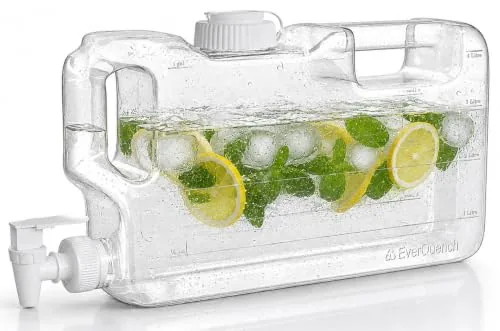
6 Best Refrigerator Water Dispensers (2026 Review Guide)
Aug 13, 2026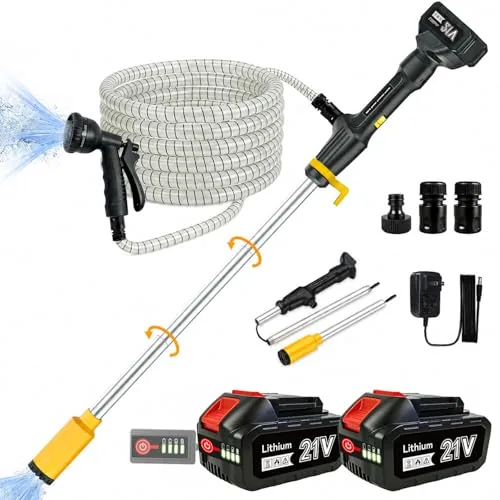
9 Best Rain Barrel Pumps (2026 Review Guide)
Aug 22, 2026
7 Best Filtered Shower Heads (2026 Review Guide)
Aug 19, 2026
9 Best Well Pressure Tanks (2026 Review Guide)
Aug 14, 2026
7 Best Water Filters For Bacteria And Viruses (2026 Review Guide)
Jul 31, 2026