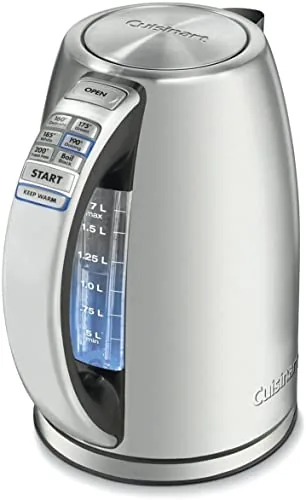
Around $20
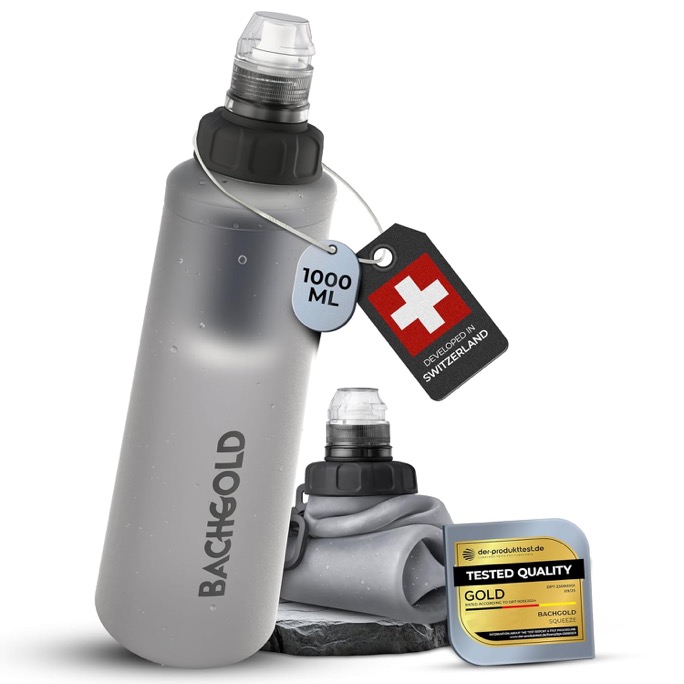
Built for travel, hiking & emergencies - drink safely whether the water is unsafe or just tastes off.
- 2-stage filtration: nanofiber layer + 0.2 micron hollow fiber membrane
- Rinse to restore flow - no replacement cartridges needed
- Collapsible 1L bottle - folds flat to pocket size
- Leak-resistant, taste-neutral, designed in Switzerland
Tap water in Russia is generally not recommended for drinking by travelers, especially outside major cities. While Moscow and St. Petersburg have modern treatment plants, aging Soviet-era infrastructure and pipe corrosion often compromise water quality between the plant and the tap. Most Russians themselves commonly use filters or drink bottled water at home.
Quick Reference
| Concern | Our Advice | |
|---|---|---|
| Drink tap water? | ❌ | Use bottled or filtered water |
| Brush teeth? | ✅ | Yes, no concerns |
| Wash fruits / veg? | ✅ | Yes, safe to use tap water |
| Use ice in drinks? | ❌ | Avoid unless confirmed purified |
| Shower safely? | ✅ | Yes |
| Filter bottle needed? | ❌ | Strongly recommend a Bachgold Squeeze Filter Bottle for all travelers |
| Common risks | Heavy metals from aging pipes, Chlorination byproducts, Bacterial contamination, Giardia, Industrial pollutants, Sediment and rust |

Key Statistics


Affiliate links — we earn a small commission at no extra cost to you.
Water Infrastructure & Supply
Russia's water supply infrastructure was largely built during the Soviet era, with massive centralized systems designed to serve industrial cities and large residential blocks. While the engineering was ambitious, much of the pipe network , estimated at over 500,000 km , is now decades old and in poor condition. Corrosion of cast-iron and steel pipes is a major issue, leading to secondary contamination of treated water as it travels to taps.
Moscow and St. Petersburg have invested heavily in modernizing water treatment. Moscow's water utility, Mosvodokanal, operates advanced ozonation and activated carbon filtration alongside traditional chlorination, sourcing water primarily from surface reservoirs. St. Petersburg's Vodokanal introduced UV disinfection in the 2010s. However, even in these cities, the "last mile" problem of aging building pipes persists, particularly in older Soviet-era apartment blocks.
The Russian government launched a national "Clean Water" federal program aimed at upgrading treatment plants and pipe networks across the country. Progress has been uneven, with major cities seeing improvements while smaller towns and rural areas lag behind significantly. Many smaller municipalities still rely on outdated treatment technology and poorly maintained distribution systems, leading to periodic boil-water advisories.
Contamination & Health Risks
The primary health risk from Russian tap water comes not from the treatment plants themselves but from the distribution network. Old pipes can leach iron, lead, and other heavy metals into the water, while breaks and leaks allow bacterial infiltration. Chlorination is widely used, but the heavy chlorine doses needed to compensate for pipe contamination can create elevated levels of trihalomethanes and other disinfection byproducts.
Industrial pollution is a significant concern in certain regions. Cities near heavy industry, mining operations, or aging Soviet-era factories may have groundwater and surface water contaminated with heavy metals, petrochemicals, and other pollutants. Siberian cities near resource extraction sites and certain Ural region cities have documented elevated levels of manganese, iron, and organic pollutants in tap water.
For travelers, the most practical risks include gastrointestinal upset from unfamiliar microbial profiles and chemical contaminants, particularly when drinking unfiltered tap water in smaller cities or rural areas. Even in Moscow and St. Petersburg, sensitive travelers may experience mild stomach discomfort. Hotels and restaurants in tourist areas typically use filtered water for cooking, but ice in drinks may be made from unfiltered tap water, especially at less upscale establishments.
Regional Water Quality Breakdown
Moscow
cautionMoscow's Mosvodokanal operates one of Russia's most advanced water treatment systems, including ozonation and granular activated carbon filtration. However, water quality can deteriorate in older buildings with Soviet-era internal plumbing. Using a filter or drinking bottled water is still recommended for travelers.
St. Petersburg
cautionSt. Petersburg sources water from the Neva River and treats it with UV disinfection and chlorine. The treatment quality is good, but the city's extensive and aging pipe network remains a concern. Water often has a noticeable chlorine taste, and old buildings may have corroded pipes.
Sochi
cautionSochi received significant infrastructure upgrades before the 2014 Winter Olympics, including improved water treatment facilities. Water quality is above the Russian average but can vary by neighborhood. Travelers should still exercise caution and use filtered or bottled water.
Novosibirsk & Siberian Cities
avoidSiberian cities often face challenges with water quality due to harsh climate impacts on infrastructure, long distribution networks, and proximity to industrial sites. Novosibirsk draws water from the Ob River, and while treatment exists, pipe degradation is significant. Travelers should rely on bottled or filtered water.
Kazan & Volga Region
cautionKazan has modernized its water infrastructure considerably, benefiting from investment ahead of the 2018 FIFA World Cup and the 2013 Universiade. Water quality at treatment plants meets standards, but distribution issues persist in some districts. Filtered or bottled water is recommended.
Chelyabinsk & Ural Region
avoidThe Ural industrial belt has significant water quality concerns due to decades of heavy industry and mining. Cities like Chelyabinsk and Magnitogorsk have documented elevated levels of heavy metals and industrial pollutants. Travelers should strictly avoid tap water and use bottled water exclusively.
Practical Tips for Travelers
- Always use a portable filter bottle when traveling outside Moscow and St. Petersburg , a quality activated carbon or UV filter can remove most common contaminants found in Russian tap water. Strongly recommend the Bachgold Squeeze Filter Bottle.
- In Russian, ask for bottled water by saying " , " (Butilirovannaya voda, pozhaluysta) , or simply point to a bottle and say ", " (Vodu, pozhaluysta).
- Let the tap run for 30, 60 seconds before using water, especially in the morning or in older buildings , this helps flush out heavy metals and rust that accumulate in stagnant pipe water.
- Avoid ice in drinks at smaller restaurants and street cafes, as it may be made from unfiltered tap water. Higher-end restaurants and international hotel chains typically use filtered water for ice.
- When buying bottled water, check that the seal is intact , refilled bottles are rare but not unheard of. Stick to well-known brands purchased from established stores.
- If you're staying in an Airbnb or apartment rental, check if the kitchen has a built-in water filter (common in Russian homes). Look for an Aquaphor or Barrier brand pitcher filter, which are widely used across the country.
- Boiling tap water for at least one minute is an effective backup method if you don't have a filter , this is standard practice in many Russian households and kills bacteria and parasites.
- To specify still (non-carbonated) water in a restaurant, ask for " " (bez gaza). For sparkling water, say " " (s gazom). Russian mineral waters are often naturally carbonated.
Bottled Water Availability & Cost
Bottled water is widely available across Russia, from convenience stores (produkty) and supermarkets to kiosks and vending machines. Popular domestic brands include BonAqua, Aqua Minerale, Svyatoy Istochnik, and Shishkin Les, while mineral waters like Essentuki, Narzan, and Borjomi (Georgian, but popular in Russia) are also common. A 0.5L bottle typically costs 30, 80 rubles (approximately $0.30, $0.80 USD), while a 1.5L bottle runs 50, 120 rubles ($0.50, $1.20 USD).
Buying larger 5L jugs at supermarkets like Pyaterochka, Magnit, or Perekryostok is the most economical option for extended stays, costing around 80, 200 rubles ($0.80, $2.00 USD). Many Russians also use home water delivery services for 19L bottles. Travelers concerned about plastic waste should consider investing in a quality filter bottle, which is highly practical given that refill opportunities from taps are abundant even if the water needs filtering.
Frequently Asked Questions
Can I brush my teeth with tap water in Russia?
Yes, brushing teeth with tap water is generally safe throughout Russia, including in smaller cities. The brief exposure and small amount of water involved pose minimal risk. However, if you're in a very remote area or have a compromised immune system, using bottled water for brushing is a sensible precaution.
Is it safe to shower in Russian tap water?
Showering with tap water is safe throughout Russia. The water is treated and chlorinated, so skin contact and brief exposure pose no health risk. Some travelers may notice that the water has a stronger chlorine smell than they're used to, and hard water in some regions may dry out skin and hair.
Is ice safe in drinks in Russia?
Ice safety varies by establishment. High-end restaurants, international hotels, and major chain restaurants typically use filtered water for ice. However, at smaller local restaurants, street cafes, and bars, ice may be made from unfiltered tap water. When in doubt, request your drink without ice , " " (bez lyda).
Do restaurants in Russia serve tap water or bottled water?
Russian restaurants typically serve bottled water, which you'll need to pay for. Free tap water is not a common custom in Russian dining culture, though some modern cafes in Moscow and St. Petersburg have started offering filtered tap water. Always confirm whether water is filtered if served from a pitcher.
How much does bottled water cost in Russia?
Bottled water is very affordable in Russia. A 0.5L bottle costs approximately 30, 80 rubles ($0.30, $0.80 USD) in shops, while a 1.5L bottle is around 50, 120 rubles ($0.50, $1.20 USD). Restaurant prices are higher, typically 100, 300 rubles ($1, $3 USD) for a bottle. Buying larger containers at supermarkets is the most economical approach.
Why do Russians drink so much bottled or filtered water at home?
Most Russians are well aware of their aging pipe infrastructure and routinely use home filtration systems or buy bottled water. Pitcher-style filters from brands like Aquaphor and Barrier are found in the vast majority of Russian households. This is a practical response to the "last mile" problem , water may leave treatment plants clean but picks up contaminants from old pipes before reaching the tap.
Is tap water in Moscow safe to drink after recent upgrades?
Moscow's Mosvodokanal has invested significantly in modern water treatment, and the water leaving treatment plants meets European standards. However, the distribution network and building-level plumbing remain concerns. Moscow authorities now say tap water is technically drinkable, but most locals and health experts still recommend using a filter, especially in older buildings.
Can I use tap water to wash fruits and vegetables in Russia?
Yes, washing produce with tap water is generally acceptable in major Russian cities. The chlorination level is sufficient to make brief food rinsing safe. For extra caution, especially in smaller towns or rural areas, you can use filtered or bottled water for a final rinse, or peel fruits and vegetables before eating.
Traveling Nearby?
Check tap water safety in neighboring countries:
Belarus Estonia Finland Georgia Latvia Lithuania Norway Poland Ukraine Azerbaijan KazakhstanInteresting Product Reviews

9 Best Rain Barrel Pumps (2026 Review Guide)
Aug 22, 2026
7 Best Water Filters For Pets (2026 Review Guide)
Aug 4, 2026
6 Best Portable Water Filters (2026 Review Guide)
Jul 1, 2026
8 Best Insulated Water Bottles (2026 Review Guide)
Aug 6, 2026
7 Best Water Filters For Bacteria And Viruses (2026 Review Guide)
Jul 31, 2026