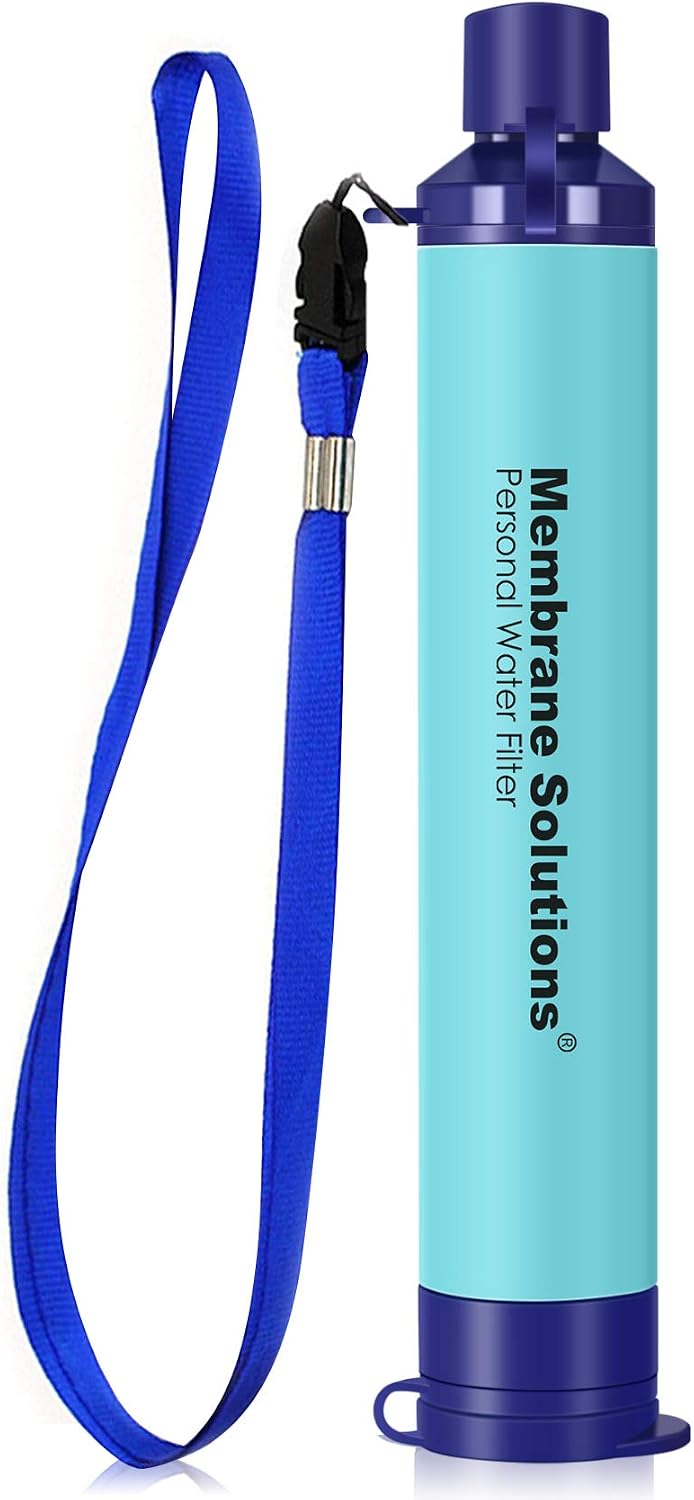
As low as $12
Built for travel, hiking & emergencies - drink safely whether the water is unsafe or just tastes off.
- NSF/ANSI 42, 372 & 401 certified, 0.1 micron filtration
- Filters up to 1,320 gallons - no batteries or pumping
- Ultralight - fits in any bag or pocket
- BPA-free, compatible with standard 28mm bottle threads
Tap water in South Korea is treated to high standards and is technically safe to drink throughout the country. However, many locals prefer bottled or filtered water due to concerns about aging pipes in older buildings. Travelers can safely drink tap water in most areas, though using a filter or opting for bottled water in older accommodations is a reasonable precaution.
Quick Reference
| Concern | Our Advice | |
|---|---|---|
| Drink tap water? | ✅ | Yes, safe in most areas |
| Brush teeth? | ✅ | Yes, no concerns |
| Wash fruits / veg? | ✅ | Yes, safe to use tap water |
| Use ice in drinks? | ✅ | Yes, safe in restaurants |
| Shower safely? | ✅ | Yes |
| Filter bottle needed? | ✅ | Not necessary, but a Membrane Solutions Filter Straw can improve taste |
| Common risks | Aging building pipes, Residual chlorine taste, Seasonal algal blooms in reservoirs, Microplastics |

Key Statistics


Affiliate links — we earn a small commission at no extra cost to you.
Water Infrastructure & Supply
South Korea's modern water infrastructure was largely built during the country's rapid industrialization from the 1960s onward. The Korea Water Resources Corporation (K-water) manages the nation's major dams, reservoirs, and bulk water supply systems, while local municipalities handle distribution to homes and businesses. Today, the country boasts one of the most advanced water treatment systems in Asia, with multi-barrier treatment processes including ozonation and advanced filtration.
Water treatment plants across South Korea use coagulation, sedimentation, rapid sand filtration, and chlorine disinfection as standard processes. Major cities like Seoul and Busan have upgraded to advanced treatment systems incorporating granular activated carbon (GAC) filtration and membrane technology. Seoul's Arisu water system operates six treatment plants that process water from the Han River and subjects it to over 170 quality tests daily.
Recent government initiatives include the Smart Water City project, which uses IoT sensors and AI to monitor water quality in real time throughout distribution networks. The Ministry of Environment has also invested heavily in replacing old lead and galvanized steel pipes with stainless steel or high-density polyethylene pipes, with a target of upgrading all aging infrastructure by 2030. K-water continues to expand its advanced treatment capabilities to address emerging contaminants like microplastics and pharmaceutical residues.
Contamination & Health Risks
At the treatment plant level, South Korean tap water consistently meets or exceeds WHO drinking water guidelines, with compliance rates above 99.9% across all 60+ monitored parameters. The primary concern is not the water source or treatment but rather the condition of building plumbing, older apartment complexes and buildings constructed before the 1990s may have aging pipes or poorly maintained rooftop storage tanks that can introduce rust, sediment, or microbial contamination.
Seasonal algal blooms in major rivers, particularly the Nakdong River system that supplies parts of the southeast, can produce taste and odor compounds like geosmin and 2-methylisoborneol (2-MIB). While these are not harmful, they can make tap water taste unpleasant during summer months. Treatment plants add powdered activated carbon during bloom events to address these compounds. Heavy rainfall can also temporarily increase turbidity in source waters, though treatment plants adjust processes accordingly.
For travelers, the practical health risks from drinking South Korean tap water are minimal. The chlorine residual maintained in the distribution system provides effective disinfection throughout the network. The most common complaint from travelers is the slight chlorine taste, which can be eliminated by letting water sit for a few minutes or using a simple carbon filter. Immunocompromised travelers or those with sensitive stomachs may prefer bottled water as an extra precaution, but this is not medically necessary for the average visitor.
Regional Water Quality Breakdown
Seoul
safeSeoul's Arisu water system is among the best in Asia, with advanced treatment and rigorous daily testing of over 170 parameters. The city has invested billions of won in replacing old pipes and actively promotes its tap water as safe to drink directly from the faucet.
Busan
safeBusan operates modern water treatment facilities and sources water from the Nakdong River. Occasional taste and odor issues from algal blooms in summer are addressed with activated carbon treatment, and the water remains safe to drink year-round.
Jeju Island
safeJeju's tap water comes from volcanic aquifer groundwater that is naturally filtered through basalt rock. It is considered some of the purest tap water in the country and is the source for the popular Samdasoo bottled water brand.
Incheon
safeIncheon's water supply system is modern and well-maintained, serving both the city and the international airport area. Travelers arriving at Incheon International Airport can safely drink from water fountains and tap sources throughout the facility.
Daegu
cautionDaegu sources water primarily from the Nakdong River and has experienced periodic water quality concerns related to upstream industrial activity and algal blooms. While treated water meets safety standards, some older neighborhoods have aging pipe infrastructure that may affect taste.
Rural and Mountain Areas
cautionRemote rural areas and small mountain villages may rely on local groundwater or small-scale water systems that are not as rigorously monitored as urban supplies. Travelers hiking in national parks should carry their own water rather than drinking directly from streams.
Practical Tips for Travelers
- Carry a filter straw (e.g., Membrane Solutions) — it removes bacteria, parasites, and microplastics from any tap or stream. Strongly recommend the Membrane Solutions Filter Straw.
- In Korean, you can ask for water by saying ' ' (mul juseyo), which means 'Water, please.' Most restaurants provide complimentary purified water or barley tea automatically.
- If you're staying in a newer hotel or apartment built after 2000, the tap water is almost certainly safe to drink straight from the faucet without any filtration.
- Look for free filtered water dispensers (, jeongsoo-gi) in subway stations, airports, office buildings, and many public spaces, these provide cold and sometimes hot purified water.
- If the tap water has a noticeable chlorine taste, fill a pitcher and leave it uncovered in the refrigerator for an hour, the chlorine will dissipate naturally.
- Korean convenience stores (GS25, CU, 7-Eleven, Emart24) are on nearly every block and sell affordable bottled water around the clock if you prefer not to drink from the tap.
- When visiting older guesthouses (, minbak) or traditional hanok stays, consider using bottled water for drinking as these buildings may have older plumbing systems.
- Ice in drinks at restaurants, cafes, and bars is made from purified water and is safe to consume throughout the country.
- If you're hiking in Korean national parks, do not drink from mountain streams without treatment, carry sufficient water or use a portable filter, as agricultural runoff can be present upstream.
Bottled Water Availability & Cost
Bottled water is extremely accessible in South Korea and available at every convenience store (), supermarket, and vending machine. Popular domestic brands include Jeju Samdasoo (), which sources from volcanic Jeju Island aquifers, Icis (), and Baeksan (). A 500ml bottle typically costs 800, 1,500 (approximately $0.60, $1.10 USD) at convenience stores, while a 2-liter bottle ranges from 1,000, 2,000 ($0.75, $1.50 USD).
For budget-conscious travelers, buying multipacks of water at large supermarkets like E-Mart, Homeplus, or Costco Korea can reduce costs significantly, a pack of 2-liter bottles may cost as little as 500 per bottle. Many restaurants and cafes in South Korea provide free purified water from dispensers, and filtered water stations are commonly available in airports, train stations, and public buildings. Given the general safety of the tap water, travelers can reduce plastic waste by carrying a reusable bottle and refilling from these public dispensers or from the tap.
Frequently Asked Questions
Can I brush my teeth with tap water in South Korea?
Yes, it is perfectly safe to brush your teeth with tap water anywhere in South Korea. The water is treated to high standards and the chlorine residual ensures it remains disinfected through the distribution system.
Is it safe to shower in South Korean tap water?
Absolutely. Showering and bathing in South Korean tap water is completely safe. The water meets strict quality standards, and there are no skin or health concerns associated with showering. South Korea's famous jjimjilbang (bathhouses) all use treated municipal water.
Is ice safe in South Korean drinks?
Yes, ice in South Korean restaurants, cafes, and bars is made from purified water and is safe to consume. Commercial ice production in South Korea follows food safety regulations enforced by the Ministry of Food and Drug Safety.
Why do many Koreans not drink tap water if it's safe?
Despite the water meeting safety standards, a cultural preference for filtered or bottled water persists from the 1990s when rapid industrialization raised pollution concerns. Most Korean households have a water purifier () more out of habit and taste preference than necessity. Government campaigns like Seoul's Arisu program are working to rebuild public trust.
Do restaurants in South Korea serve safe drinking water?
Yes. Most Korean restaurants provide complimentary water, either from a filtered dispenser or in a pitcher. This water is safe to drink. Many restaurants also offer barley tea () as a free alternative. You typically serve yourself from a water cooler or dispenser.
How much does bottled water cost in South Korea?
A 500ml bottle of water costs approximately 800, 1,500 ($0.60, $1.10 USD) at convenience stores. Larger 2-liter bottles cost 1,000, 2,000 ($0.75, $1.50 USD). Buying in bulk at supermarkets can bring the per-bottle cost down significantly.
Is the tap water in Seoul safe to drink directly?
Yes. Seoul's Arisu water system is one of the most advanced municipal water systems in Asia. The city conducts over 170 quality tests daily and has invested heavily in pipe replacement. Seoul Metropolitan Government actively promotes Arisu as safe to drink straight from the tap.
Should I bring a water filter bottle to South Korea?
A water filter bottle is not necessary for most travelers to South Korea, as the tap water is safe. However, if you are particularly sensitive to chlorine taste or plan to stay in very old accommodations, a simple carbon filter bottle can improve taste. It's more of a comfort item than a health necessity.
Interesting Product Reviews
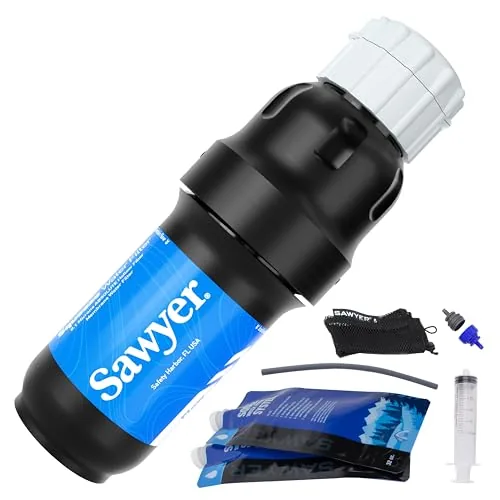
8 Best Squeeze Water Filters (2026 Review Guide)
Jul 20, 2026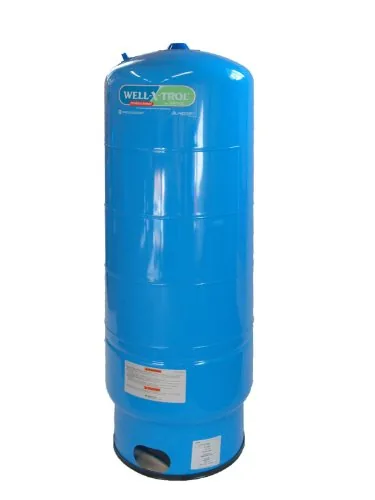
9 Best Well Pressure Tanks (2026 Review Guide)
Aug 14, 2026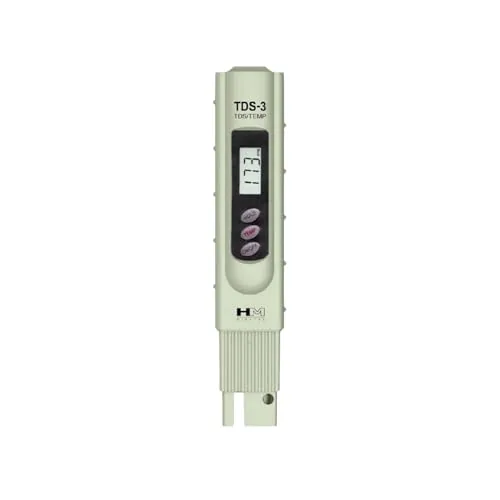
6 Best Tds Meters (2026 Review Guide)
Aug 3, 2026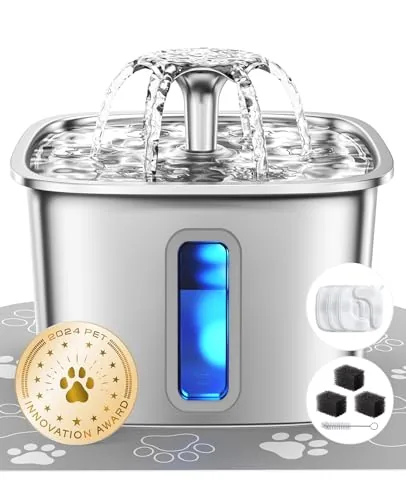
7 Best Pet Water Fountains (2026 Review Guide)
Aug 18, 2026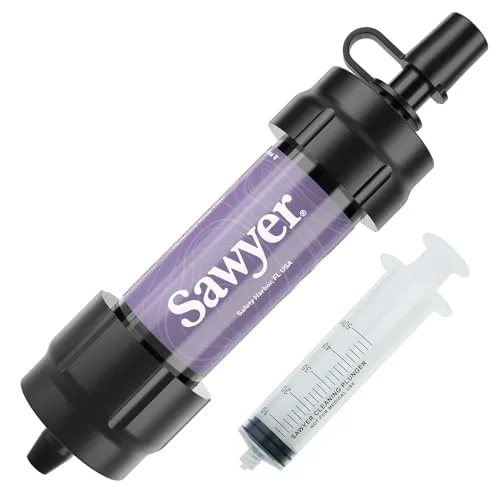
6 Best Water Filters For Tiny Homes (2026 Review Guide)
Jul 29, 2026