Around $20
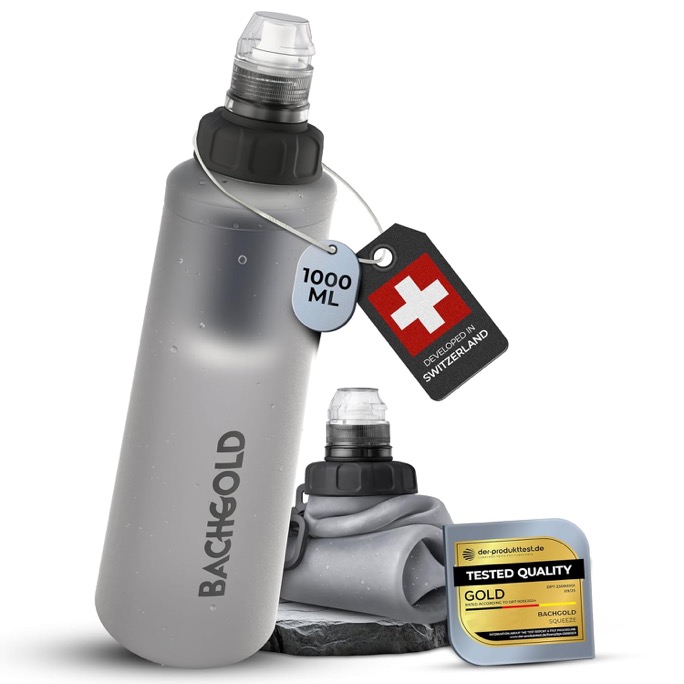
Built for travel, hiking & emergencies - drink safely whether the water is unsafe or just tastes off.
- 2-stage filtration: nanofiber layer + 0.2 micron hollow fiber membrane
- Rinse to restore flow - no replacement cartridges needed
- Collapsible 1L bottle - folds flat to pocket size
- Leak-resistant, taste-neutral, designed in Switzerland
Norway has some of the cleanest and safest tap water in the world, sourced primarily from pristine glacial lakes and underground aquifers. Travelers can confidently drink tap water throughout the country, as it meets strict EU and Norwegian quality standards. The water infrastructure is modern, well-maintained, and regularly tested, making Norway one of the best countries globally for tap water quality.
Quick Reference
| Concern | Our Advice | |
|---|---|---|
| Drink tap water? | ✅ | Yes, safe in most areas |
| Brush teeth? | ✅ | Yes, no concerns |
| Wash fruits / veg? | ✅ | Yes, safe to use tap water |
| Use ice in drinks? | ✅ | Yes, safe in restaurants |
| Shower safely? | ✅ | Yes |
| Filter bottle needed? | ✅ | Not necessary, but a Bachgold Squeeze Filter Bottle can improve taste |
| Common risks | Aging pipes in older buildings, Seasonal natural organic matter, Giardia (rare outbreaks in specific municipalities) |

Key Statistics


Affiliate links — we earn a small commission at no extra cost to you.
Water Infrastructure & Supply
Norway's water infrastructure has developed over more than a century, with major cities like Oslo and Bergen establishing modern waterworks in the late 1800s. Today, approximately 90% of Norway's drinking water comes from surface sources such as lakes and rivers, with the remainder from groundwater. The country benefits enormously from its natural geography , abundant rainfall, glacial geology, and sparse population density contribute to exceptionally pure source water.
Water treatment in Norway typically involves UV disinfection, chlorination (at lower levels than many countries), and in some cases, ozone treatment or membrane filtration. The Norwegian Food Safety Authority (Mattilsynet) oversees drinking water quality through the Drinking Water Regulations, which align with EU Directive standards. Large water utilities such as Oslo's Oset treatment plant, which serves over 600,000 people, use advanced multi-barrier treatment processes and conduct thousands of quality tests annually.
Norway faces ongoing challenges with its aging pipe network , some municipal systems have pipes dating back over 100 years, leading to occasional water loss and quality issues in localized areas. The government has committed to significant infrastructure renewal programs, with Norwegian municipalities investing billions of kroner annually in upgrading water and wastewater systems. The Norwegian Water Resources and Energy Directorate (NVE) also works to protect source water catchment areas from pollution and development.
Contamination & Health Risks
Norway's tap water poses virtually no health risks to travelers. Microbiological contamination is extremely rare, with waterborne disease outbreaks being notable news events when they occur. The most significant historical incident was the 2004 Bergen Giardia outbreak, which affected thousands of residents due to contamination of the Svartediket water supply , an event that led to major infrastructure upgrades across the country.
The primary contamination concerns in Norway relate to natural organic matter (humus) in surface water sources, which can cause color and taste variations but is not harmful. In some rural areas with private wells, there may be elevated levels of radon or naturally occurring minerals, but these do not affect public water supplies. Agricultural runoff and industrial pollution are minimal compared to most European countries due to Norway's low population density and strict environmental regulations.
For travelers, there are essentially no practical health risks from Norwegian tap water. The water is safe for drinking, cooking, brushing teeth, and making ice. Even in remote areas, mountain stream water is generally clean, though travelers hiking in backcountry should be aware that Giardia can exist in streams near grazing areas. Sensitive travelers may notice a slight taste difference between regions, as mineral content varies depending on the geological characteristics of local water sources.
Regional Water Quality Breakdown
Oslo
safeOslo's water comes primarily from Lake Maridalsvannet and is treated at the modern Oset water treatment plant. The water quality is excellent, with continuous monitoring and multi-barrier treatment. Oslo's tap water consistently ranks among the best in Europe.
Bergen
safeFollowing the 2004 Giardia outbreak, Bergen invested heavily in upgrading its water treatment infrastructure. Today, Bergen's water supply from Svartediket and other sources undergoes UV treatment and advanced filtration. The water is now considered fully safe and well-monitored.
Troms
safeTroms's drinking water comes from Lake Kvitfjelltjnna and receives modern treatment before distribution. The Arctic city maintains high water quality standards, and the cold source water is particularly pure. Travelers visiting for Northern Lights can drink tap water with confidence.
Trondheim
safeTrondheim draws its water from the Jonsvatnet lake system, one of Norway's largest drinking water sources. The water is treated with UV disinfection and chloramine, maintaining excellent quality. The city's water infrastructure is regularly upgraded to meet modern standards.
Stavanger
safeStavanger and the surrounding Rogaland region receive drinking water primarily from large surface water sources with comprehensive treatment. Water quality meets all Norwegian and EU standards. The region's water utility, IVAR, serves over 300,000 people with well-treated water.
Rural and Remote Areas
cautionMost rural communities in Norway have safe public water supplies, though some smaller systems may use less advanced treatment. Private wells in remote cabins (hytter) are not regulated to the same standards and may have variable quality. Travelers staying in mountain cabins should ask hosts about the water source.
Practical Tips for Travelers
- Carry a filter bottle (e.g., Bachgold Squeeze) — it removes bacteria, parasites, and microplastics from any tap or stream. Strongly recommend the Bachgold Squeeze Filter Bottle.
- Carry a reusable water bottle , Norwegian tap water is excellent and free, and refill stations are common in cities, airports, and hiking areas.
- In restaurants, simply ask for 'vann fra springen' (water from the tap) , it's always free and perfectly safe to drink.
- Take advantage of Norway's pant (deposit) system: return any plastic bottles you do buy to automated machines in supermarkets to reclaim your deposit of 2-3 NOK per bottle.
- When hiking in the mountains, water from fast-flowing streams above the treeline is generally safe, but avoid drinking from streams near farms or grazing animals due to potential Giardia contamination.
- If staying in a traditional mountain cabin (hytte) with a private water supply, ask the owner whether the water has been tested and whether it's safe to drink untreated.
- Norwegian tap water may taste slightly different between regions due to varying mineral content , coastal areas tend to have softer water while eastern regions may have slightly harder water.
- At Oslo's Gardermoen Airport and other major airports, water fountains and bottle-filling stations are available after security, saving you from buying expensive bottled water.
- If you're visiting Svalbard, the tap water in Longyearbyen is safe to drink and comes from a treated local water supply , no need to buy bottled water even in the Arctic.
Bottled Water Availability & Cost
Bottled water is widely available throughout Norway but is expensive compared to most countries. A 500ml bottle typically costs 25-40 NOK ($2.50-$4.00 USD) in convenience stores and gas stations, while a 1.5L bottle in supermarkets costs around 15-25 NOK ($1.50-$2.50 USD). Popular Norwegian brands include Imsdal, Olden, and Voss, the latter being marketed as a premium brand worldwide. Restaurant water is typically served from the tap at no charge.
Given the excellent quality of Norwegian tap water, buying bottled water is largely unnecessary and creates avoidable plastic waste. Travelers are strongly encouraged to carry a reusable water bottle , public drinking fountains and refill stations are common in cities, and many cafs and restaurants will happily refill bottles for free. Norway has a highly effective bottle deposit system (pant) where you pay a small deposit on plastic bottles (typically 2-3 NOK) that can be reclaimed at automated return machines in supermarkets.
Frequently Asked Questions
Can I brush my teeth with tap water in Norway?
Yes, absolutely. Norwegian tap water is among the safest in the world and is perfectly fine for brushing teeth everywhere in the country, including hotels, hostels, and campgrounds connected to public water supplies.
Is it safe to shower in Norwegian tap water?
Yes, showering in Norwegian tap water is completely safe. The water is free of harmful pathogens and chemicals. The water tends to be soft in many areas, which is actually gentle on skin and hair.
Can I drink ice in drinks at Norwegian restaurants and bars?
Yes, ice in Norwegian restaurants and bars is made from tap water and is perfectly safe to consume. There is no need to request drinks without ice.
Is restaurant tap water safe and free in Norway?
Yes, restaurants in Norway will serve tap water for free upon request, and it is completely safe to drink. Simply ask for 'vann' (water) or specify 'springvann' (tap water). There is no charge for tap water at restaurants by law.
How much does bottled water cost in Norway?
Bottled water is relatively expensive in Norway. Expect to pay 25-40 NOK ($2.50-$4.00 USD) for a 500ml bottle at convenience stores, and 15-25 NOK ($1.50-$2.50 USD) for 1.5L at supermarkets. Since tap water is excellent, carrying a reusable bottle will save you significant money.
Is it safe to drink water from streams and rivers while hiking in Norway?
Generally, water from fast-flowing mountain streams above the treeline is safe to drink in Norway. However, avoid drinking from streams near agricultural areas, grazing pastures, or populated areas where Giardia and bacteria may be present. When in doubt, use a portable filter or purification tablets.
Do I need a water filter bottle when traveling to Norway?
No, a filter bottle is not necessary for travel in Norway. The tap water quality is excellent throughout the country. A regular reusable bottle is all you need to stay hydrated affordably and sustainably.
Is the tap water in Northern Norway and the Arctic (Troms, Svalbard) safe?
Yes, tap water in Northern Norway, including Troms and Longyearbyen in Svalbard, is treated and safe to drink. These areas maintain the same high water quality standards as the rest of Norway, and the cold source water is naturally very pure.
Interesting Product Reviews
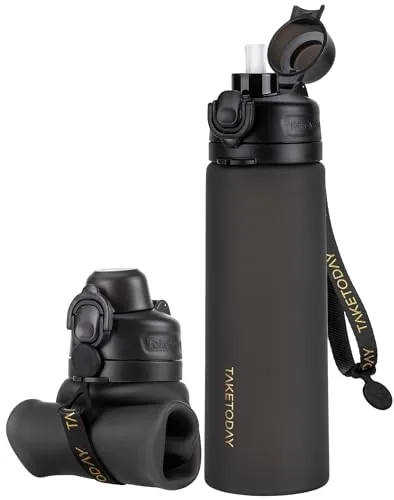
8 Best Collapsible Water Bottles For Travel (2026 Review Guide)
Jul 14, 2026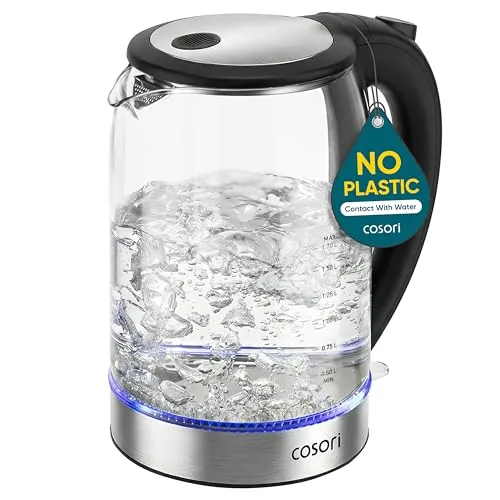
6 Best Kettles (2026 Review Guide)
Aug 11, 2026
6 Best Water Filters For Pharmaceuticals In Tap Wates (2026 Review Guide)
Aug 2, 2026
7 Best Swim Goggles (2026 Review Guide)
Aug 25, 2026
9 Best Water Pressure Boosters (2026 Review Guide)
Aug 14, 2026