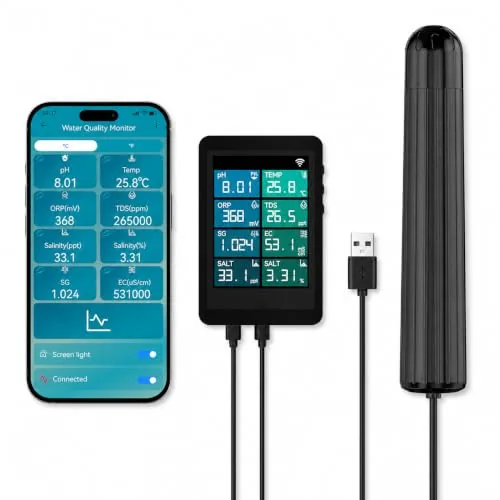
As low as $12
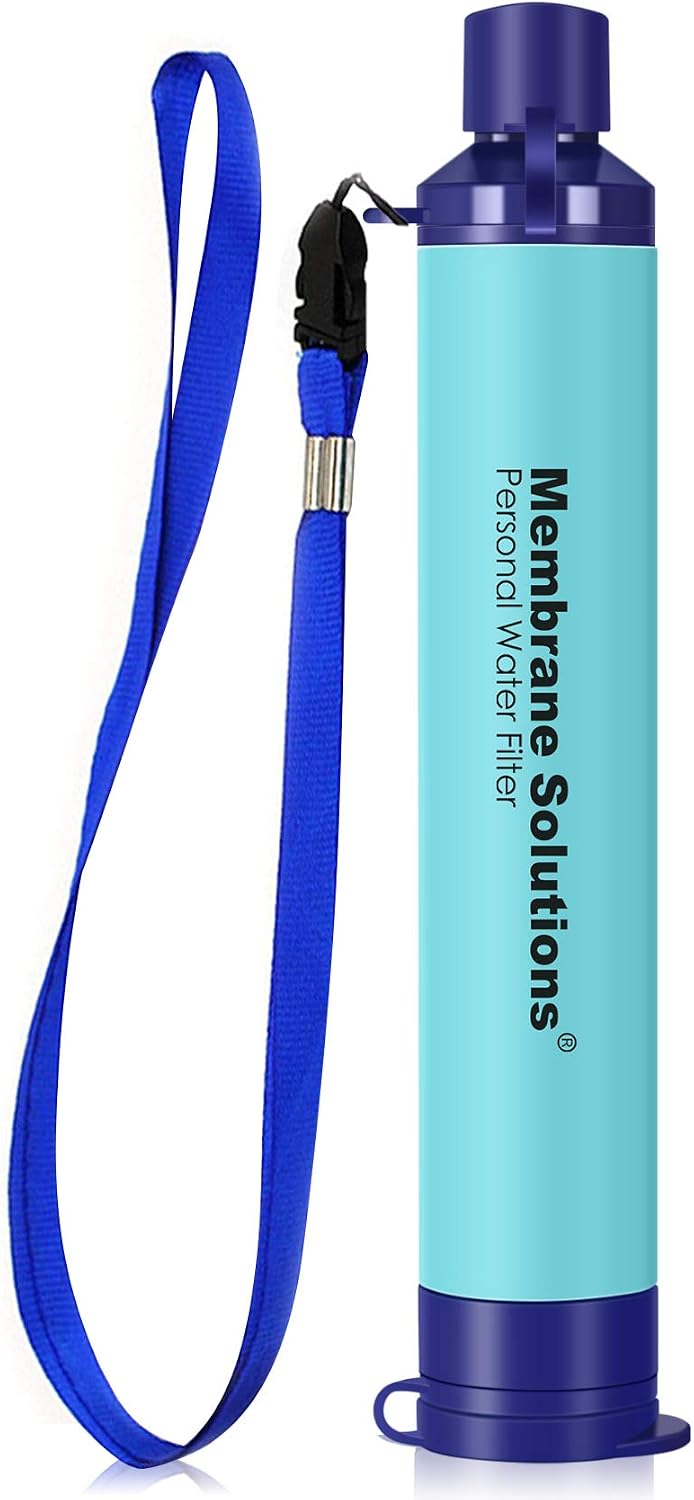
Built for travel, hiking & emergencies - drink safely whether the water is unsafe or just tastes off.
- NSF/ANSI 42, 372 & 401 certified, 0.1 micron filtration
- Filters up to 1,320 gallons - no batteries or pumping
- Ultralight - fits in any bag or pocket
- BPA-free, compatible with standard 28mm bottle threads
Tap water in Belgium is safe to drink and meets strict European Union quality standards. The country's water treatment infrastructure is modern and well-maintained, making it one of the safest places in Europe for drinking water straight from the tap. Travelers can confidently drink tap water throughout Belgium without any special precautions.
Quick Reference
| Concern | Our Advice | |
|---|---|---|
| Drink tap water? | ✅ | Yes, safe in most areas |
| Brush teeth? | ✅ | Yes, no concerns |
| Wash fruits / veg? | ✅ | Yes, safe to use tap water |
| Use ice in drinks? | ✅ | Yes, safe in restaurants |
| Shower safely? | ✅ | Yes |
| Filter bottle needed? | ✅ | Not necessary, but a Membrane Solutions Filter Straw can improve taste |
| Common risks | Chlorination byproducts, Lead from old plumbing, Nitrate contamination in agricultural areas, Microplastics |

Key Statistics


Affiliate links — we earn a small commission at no extra cost to you.
Water Infrastructure & Supply
Belgium has a long history of public water supply dating back to the 19th century, when major cities like Brussels, Antwerp, and Ghent invested in centralized water networks. Today, the water supply is managed regionally, with key operators including De Watergroep and Farys in Flanders, the Socit Wallonne des Eaux (SWDE) in Wallonia, and Vivaqua in Brussels. The system serves virtually 100% of the population with piped connections.
Drinking water in Belgium comes from a mix of groundwater (about 60%) and surface water sources, including rivers and reservoirs. Treatment processes include coagulation, filtration, UV disinfection, ozonation, and in some areas chlorination. Belgian water utilities conduct over 200,000 quality tests annually in Flanders alone, monitoring for more than 60 parameters including heavy metals, pesticides, and microbiological indicators.
Recent investment has focused on upgrading aging pipe networks to reduce lead exposure from pre-1970s plumbing, improving wastewater treatment capacity in compliance with the EU Urban Waste Water Treatment Directive, and adapting to climate change-related water scarcity. Belgium has also been implementing the revised EU Drinking Water Directive (2020/2184), which introduces stricter limits on lead, PFAS, and endocrine disruptors, with full compliance expected by 2026.
Contamination & Health Risks
Belgian tap water is considered very safe for human consumption. Routine monitoring shows compliance rates above 98% for all EU-regulated parameters. The main contaminants occasionally detected at trace levels include nitrates (particularly in agricultural regions of Wallonia and Flanders), residual chlorination byproducts, and traces of pesticides in some groundwater sources, though all remain well within legal limits.
The most notable risk for travelers staying in older buildings , particularly in Brussels and historic city centers , is lead leaching from old service pipes or internal plumbing installed before the 1970s. Belgium has been actively replacing lead pipes, and Vivaqua offers free testing for Brussels residents. Running the tap for 30 seconds before drinking in older buildings is a simple precaution. Emerging contaminants like PFAS have also garnered attention, particularly near the 3M factory in Zwijndrecht, Antwerp, though public water supplies are monitored and treated to stay within safe limits.
For travelers, the practical health risks from Belgian tap water are negligible. The water is safe to drink, cook with, and use for brushing teeth in all major tourist destinations. Stomach sensitivities when traveling are far more likely caused by dietary changes than water quality. Belgium's robust regulatory framework and frequent testing make it one of the safest countries in the world for tap water consumption.
Regional Water Quality Breakdown
Brussels
safeBrussels tap water is supplied by Vivaqua and meets all EU quality standards. The water is sourced primarily from groundwater in Wallonia and undergoes rigorous treatment. Travelers in older buildings should run the tap briefly before drinking due to potential legacy lead pipes.
Antwerp
safeWater supplied by water-link (formerly AWW) is of excellent quality, sourced from the Albert Canal and treated with advanced multi-barrier processes. PFAS contamination from the nearby 3M site in Zwijndrecht has been a concern, but public drinking water supplies are monitored and treated to remain within safe limits.
Bruges
safeBruges receives its water from De Watergroep, primarily from groundwater sources. The water quality is excellent and consistently meets all Belgian and EU standards. Travelers can drink tap water with complete confidence throughout the city.
Ghent
safeGhent's water is supplied by Farys and De Watergroep. The city benefits from high-quality groundwater sources and modern treatment facilities. Tap water quality is consistently excellent across the city.
Wallonia (Lige, Namur, Dinant)
safeThe Socit Wallonne des Eaux (SWDE) supplies most of Wallonia. Water quality is generally very good, though some rural areas near intensive agricultural zones may have slightly elevated nitrate levels , still within safe limits. Tourist cities like Lige, Namur, and Dinant all have safe tap water.
Ardennes Region
safeThe Ardennes, known for its natural springs and forests, generally has excellent water quality sourced from pristine groundwater. The famous Spa water brand originates from this region. Small rural communities may use local springs, which are also subject to quality controls.
Practical Tips for Travelers
- Carry a filter straw (e.g., Membrane Solutions) — it removes bacteria, parasites, and microplastics from any tap or stream. Strongly recommend the Membrane Solutions Filter Straw.
- Belgian tap water is safe to drink everywhere , carry a reusable water bottle to save money and reduce plastic waste.
- In French-speaking areas, ask for tap water by saying 'De l'eau du robinet, s'il vous plat' (some tap water, please). In Dutch-speaking areas, say 'Kraantjeswater, alstublieft.'
- If staying in a building constructed before 1970, especially in Brussels, let the cold tap run for about 30 seconds before drinking to flush any lead residue from old pipes.
- Belgian restaurants traditionally serve bottled water, but you can request free tap water , it's becoming more common and is always safe to drink.
- The Spa region in the Ardennes is famous for its natural mineral water , visit the source if you're traveling through eastern Belgium for a unique cultural experience.
- Public drinking fountains are available in many Belgian cities including Brussels, Ghent, and Antwerp , look for them in parks and near tourist landmarks.
- If you prefer filtered water, many Belgian hotels and Airbnbs provide Brita-style water filters, but they are a preference rather than a necessity.
- When ordering in restaurants, specify 'plat' (still) or 'ptillant/bruisend' (sparkling) if you choose bottled water , otherwise you may receive sparkling by default.
Bottled Water Availability & Cost
Bottled water is widely available throughout Belgium in supermarkets, convenience stores, restaurants, and vending machines. Popular Belgian brands include Spa (both still and sparkling), Bru, and Chaudfontaine. A 0.5-liter bottle typically costs 0.50, 1.50 in supermarkets, while restaurants may charge 2.50, 5.00 for a bottle. Sparkling water (eau ptillante/bruiswater) is particularly popular in Belgian dining culture.
Buying water in bulk from supermarkets like Colruyt, Delhaize, or Carrefour is the most economical option , a 1.5-liter bottle runs 0.30, 0.80. However, since Belgian tap water is perfectly safe and high quality, carrying a reusable bottle is both practical and environmentally friendly. Many cities have public water fountains, and an increasing number of restaurants will serve free tap water (kraantjeswater/eau du robinet) upon request, though this is less common than in some other European countries.
Frequently Asked Questions
Can I brush my teeth with tap water in Belgium?
Yes, absolutely. Belgian tap water is treated to the highest EU standards and is completely safe for brushing teeth throughout the entire country.
Is it safe to shower in Belgian tap water?
Yes, Belgian tap water is perfectly safe for showering and bathing. The water quality poses no risk for skin contact or accidental ingestion during showering.
Is ice safe in Belgian restaurants and bars?
Yes, ice in Belgian restaurants and bars is made from tap water, which is safe to drink. You can enjoy ice in your drinks without any concern.
Do Belgian restaurants serve free tap water?
Traditionally, Belgian restaurants serve bottled water, which is charged. However, you can request tap water ('eau du robinet' in French or 'kraantjeswater' in Dutch), and many establishments will provide it for free. It's becoming more socially accepted, especially in casual dining settings.
How much does bottled water cost in Belgium?
A 0.5-liter bottle costs 0.50, 1.50 in supermarkets, while restaurants typically charge 2.50, 5.00. Popular brands include Spa, Bru, and Chaudfontaine. Buying 1.5-liter bottles in bulk from supermarkets is the cheapest option at 0.30, 0.80 each.
Is there a PFAS contamination problem with Belgian tap water?
PFAS contamination made headlines in 2021 near the 3M factory in Zwijndrecht, Antwerp. However, public drinking water supplies across Belgium are regularly tested for PFAS, and water utilities ensure levels remain within safe limits. The contamination primarily affected soil and some private wells near the industrial site, not the public water supply.
Does Belgian tap water taste different depending on the region?
Yes, there can be subtle taste differences. Water in Flanders often comes from surface water and may have a slightly different mineral profile than Wallonian water, which relies more on groundwater. Brussels water, sourced from Wallonian aquifers, is generally considered soft and pleasant-tasting. Some areas use minimal chlorination, which can affect taste.
Do I need a water filter bottle for traveling in Belgium?
No, a water filter bottle is not necessary for Belgium. The tap water quality is excellent throughout the country and consistently meets or exceeds EU standards. A regular reusable bottle is all you need.
Traveling Nearby?
Check tap water safety in neighboring countries:
France Germany Luxembourg NetherlandsInteresting Product Reviews
6 Best Bottleless Water Coolers (2026 Review Guide)
Aug 10, 2026
7 Best Water Leak Detectors (2026 Review Guide)
Aug 17, 2026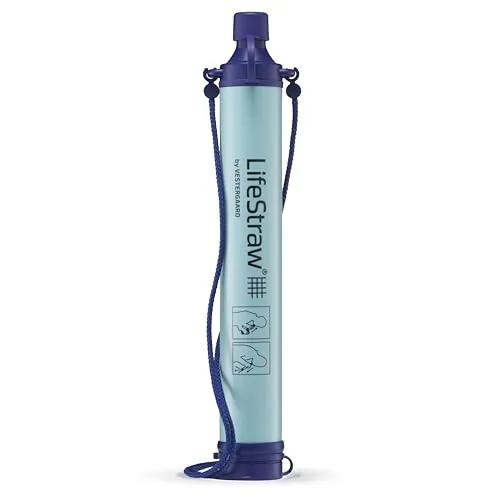
9 Best Water Filters For Backpacking (2026 Review Guide)
Jul 19, 2026
9 Best Paddle Boards (2026 Review Guide)
Aug 26, 2026
9 Best Sparkling Water Makers (2026 Review Guide)
Aug 11, 2026