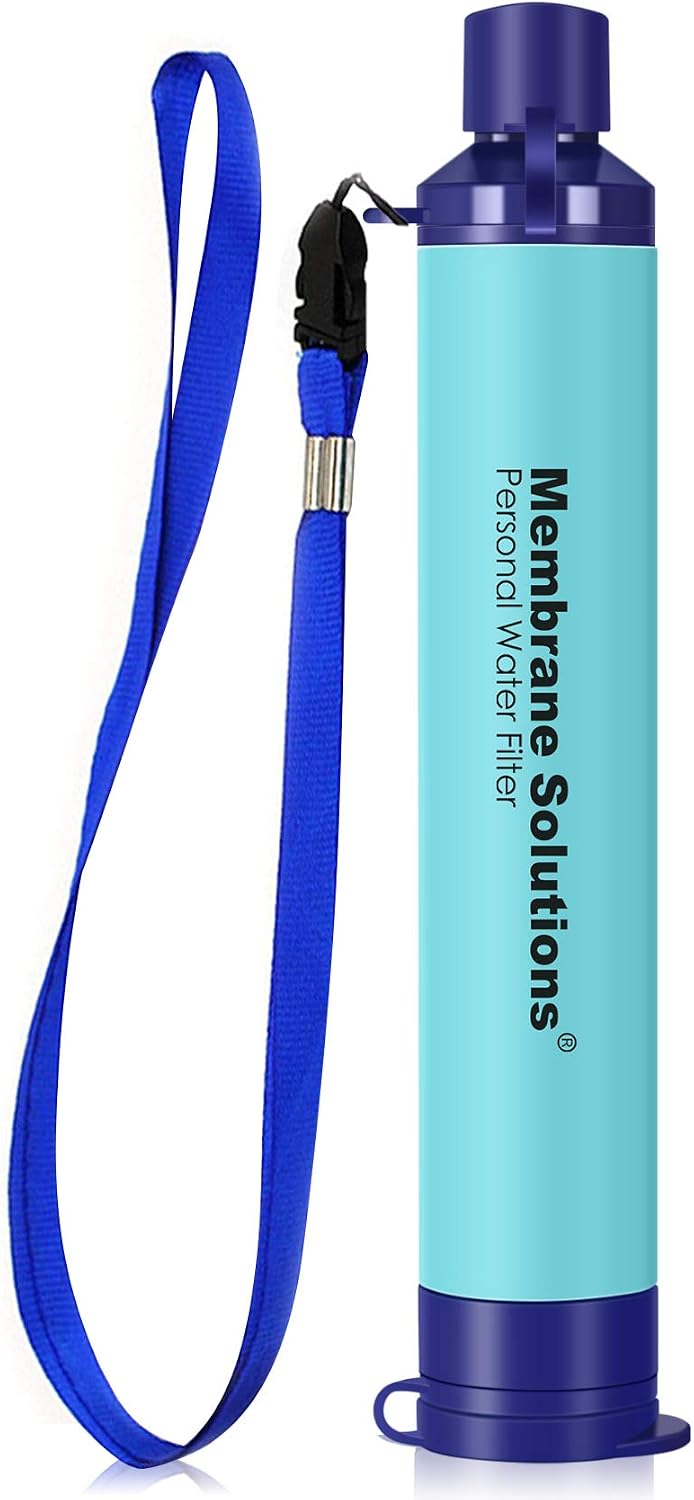
As low as $12
Built for travel, hiking & emergencies - drink safely whether the water is unsafe or just tastes off.
- NSF/ANSI 42, 372 & 401 certified, 0.1 micron filtration
- Filters up to 1,320 gallons - no batteries or pumping
- Ultralight - fits in any bag or pocket
- BPA-free, compatible with standard 28mm bottle threads
Tap water in Azerbaijan is generally not recommended for drinking by travelers. While water infrastructure has improved in Baku and other major cities, inconsistent treatment, aging pipes, and contamination risks in rural areas make bottled or filtered water the safer choice. Most locals in urban areas also prefer bottled water for drinking purposes.
Quick Reference
| Concern | Our Advice | |
|---|---|---|
| Drink tap water? | ❌ | Use bottled or filtered water |
| Brush teeth? | ✅ | Yes, no concerns |
| Wash fruits / veg? | ✅ | Yes, safe to use tap water |
| Use ice in drinks? | ❌ | Avoid unless confirmed purified |
| Shower safely? | ✅ | Yes |
| Filter bottle needed? | ❌ | Strongly recommend a Membrane Solutions Filter Straw for all travelers |
| Common risks | Bacterial contamination, Aging pipe infrastructure, Heavy metals, Chlorination byproducts, Agricultural runoff, Parasitic organisms |

Key Statistics


Affiliate links — we earn a small commission at no extra cost to you.
Water Infrastructure & Supply
Azerbaijan's water supply system was largely built during the Soviet era, and much of the pipe network in cities like Baku, Ganja, and Sumgait dates back to the 1960s and 1970s. After independence in 1991, decades of underinvestment led to significant deterioration of treatment plants and distribution networks. The state utility Azersu JSC was established in 2004 to centralize and modernize water management across the country.
Baku's primary water source is the Kura River and the Jeyranbatan Reservoir, with the Oguz-Gabala-Baku pipeline (completed in 2010) bringing higher-quality mountain water to the capital. Water is treated through conventional methods including coagulation, sedimentation, filtration, and chlorination. However, secondary contamination through aging and corroded distribution pipes remains a significant concern, with frequent pipe bursts and low pressure zones allowing infiltration of contaminants.
Major improvement projects have been supported by the World Bank, the Asian Development Bank, and other international partners. The National Water Supply and Sanitation Project has invested over $500 million in infrastructure rehabilitation since the mid-2000s. Ongoing projects focus on expanding access in rural areas, replacing aging pipe networks, constructing new wastewater treatment plants, and reducing non-revenue water losses that currently exceed 50% in some areas.
Contamination & Health Risks
The primary health concern with Azerbaijan's tap water is microbial contamination. Waterborne diseases such as giardiasis, hepatitis A, and bacterial gastroenteritis remain a risk, particularly in rural areas and smaller towns where water treatment is less reliable. The WHO estimates that water-related diarrheal diseases still contribute to childhood illness in parts of the country, particularly in the western and southern regions.
Chemical contamination is another concern. Agricultural runoff in the Kura-Aras river basin introduces pesticides and nitrates, while industrial activity near Sumgait and the Absheron Peninsula has historically contributed heavy metals and petroleum byproducts to water sources. Even in Baku, the combination of chlorination and organic matter in older pipes can produce trihalomethanes and other disinfection byproducts.
For travelers, the most practical risk is gastrointestinal illness from drinking unfiltered tap water. Even in upscale Baku hotels, the water passing through old building pipes may not meet international drinking standards despite adequate treatment at the plant. Travelers with sensitive stomachs are especially advised to avoid tap water, ice made from tap water, and unwashed produce rinsed only in tap water.
Regional Water Quality Breakdown
Baku
cautionBaku has the best water infrastructure in Azerbaijan, benefiting from the Oguz-Gabala-Baku pipeline and modern treatment facilities. However, aging distribution pipes in older neighborhoods can introduce contaminants, so drinking bottled or filtered water is recommended.
Ganja
cautionAs Azerbaijan's second-largest city, Ganja has received investment in water infrastructure but still relies partly on older Soviet-era systems. Water quality can be inconsistent, and locals commonly use bottled water for drinking.
Sumgait
avoidSumgait has a legacy of heavy industrial pollution from Soviet-era chemical plants. While improvements have been made, residual contamination in soil and water sources makes tap water a particular concern. Stick strictly to bottled water.
Sheki
cautionThis popular tourist destination in the foothills of the Caucasus benefits from mountain spring water sources. Water quality is generally better than lowland areas, but treatment and distribution infrastructure is limited, so filtered or bottled water is still advisable.
Lankaran (Southern Region)
avoidThe southern Lankaran-Astara region has less developed water infrastructure and faces challenges from agricultural runoff and limited treatment capacity. Travelers should rely entirely on bottled water and avoid ice in drinks.
Nakhchivan
cautionThis autonomous exclave has received targeted infrastructure investment but water supply remains intermittent in some areas. Mineral-rich groundwater is the primary source, but distribution reliability varies. Bottled water is recommended for all drinking and cooking.
Practical Tips for Travelers
- Carry a filter straw (e.g., Membrane Solutions) — it removes bacteria, parasites, and microplastics from any tap or stream. Strongly recommend the Membrane Solutions Filter Straw.
- Always drink bottled or filtered water. Even in modern Baku hotels, tap water may pass through aging building pipes that compromise quality.
- Carry a filter water bottle (such as LifeStraw or Grayl) for day trips and rural excursions where bottled water may not be readily available.
- In restaurants, ask for bottled water by saying 'Butulka su, zhmt olmasa' (Bottle of water, please) in Azerbaijani to ensure you get sealed bottled water.
- Avoid ice in drinks at street vendors and smaller restaurants, as it may be made from unfiltered tap water. High-end restaurants and international hotels generally use purified water for ice.
- When buying bottled water, check that the seal is intact. Some vendors may refill bottles with tap water in tourist areas.
- Brushing teeth with tap water is generally safe in Baku and major cities, but use bottled water in rural areas or if you have a sensitive stomach.
- Stock up on large bottles at Bravo or Araz supermarkets rather than buying small bottles at kiosks , you'll save 50% or more and reduce plastic waste.
- If you're visiting during the hot summer months (June, September), increase your water intake significantly. Dehydration is common among tourists, so carry at least 2 liters when sightseeing.
Bottled Water Availability & Cost
Bottled water is widely available throughout Azerbaijan and is the norm for drinking water among both locals and visitors. Popular local brands include Sirab, Badaml, and stisu, while international brands like Bonaqua and Evian can be found in supermarkets. A 0.5L bottle typically costs 0.40, 0.80 AZN (approximately $0.25, 0.50 USD), and a 1.5L bottle ranges from 0.60, 1.50 AZN ($0.35, 0.90 USD) in convenience stores and supermarkets.
Buying in bulk from supermarkets like Bravo or Araz is the most economical option, with 5L jugs available for around 1.50, 3.00 AZN ($0.90, 1.75 USD). Many hotels and guesthouses provide complimentary bottled water. Travelers concerned about plastic waste should consider bringing a reusable bottle with a built-in filter, which can safely purify tap water and reduce reliance on single-use plastic throughout the trip.
Frequently Asked Questions
Can I brush my teeth with tap water in Azerbaijan?
In Baku and major cities, brushing teeth with tap water is generally safe for most people. However, if you're in rural areas or have a particularly sensitive stomach, using bottled water for brushing is a wise precaution.
Is it safe to shower in Azerbaijan's tap water?
Yes, showering and bathing in tap water is safe throughout Azerbaijan. The risk from tap water is primarily through ingestion, not skin contact. Just be careful not to swallow water while showering.
Is ice safe in drinks in Azerbaijan?
Ice in drinks should be approached with caution. High-end hotels and international restaurants typically use purified water for ice, but smaller establishments and street vendors may use unfiltered tap water. When in doubt, request drinks without ice.
Do restaurants in Baku serve safe water?
Most restaurants in Baku serve bottled water, which will be brought to your table sealed. Free tap water is not commonly offered in restaurants. Always confirm you're receiving sealed bottled water and check the cap before drinking.
How much does bottled water cost in Azerbaijan?
Bottled water is very affordable. A 0.5L bottle costs approximately 0.40, 0.80 AZN ($0.25, 0.50 USD), while a 1.5L bottle runs 0.60, 1.50 AZN ($0.35, 0.90 USD). Larger 5L jugs are available in supermarkets for around 1.50, 3.00 AZN.
Can I drink the tap water in Baku's luxury hotels?
Even in Baku's luxury hotels, tap water is not recommended for drinking. While the city's treatment plants produce reasonably clean water, aging building plumbing can introduce contaminants. Most upscale hotels provide complimentary bottled water in rooms.
Is the tap water in Sheki safe since it comes from mountain springs?
While Sheki benefits from cleaner mountain water sources, the treatment and distribution infrastructure is limited. The water may taste better than in lowland areas, but it's still advisable to drink bottled or filtered water to avoid potential microbial contamination.
What local bottled water brands are popular in Azerbaijan?
The most popular local brands are Sirab (a naturally carbonated mineral water from Nakhchivan), Badaml (from mountain springs near Sheki), and stisu (a mineral water). All are affordable, widely available, and considered safe to drink.
Traveling Nearby?
Check tap water safety in neighboring countries:
Georgia Russia Armenia Iran TurkeyInteresting Product Reviews
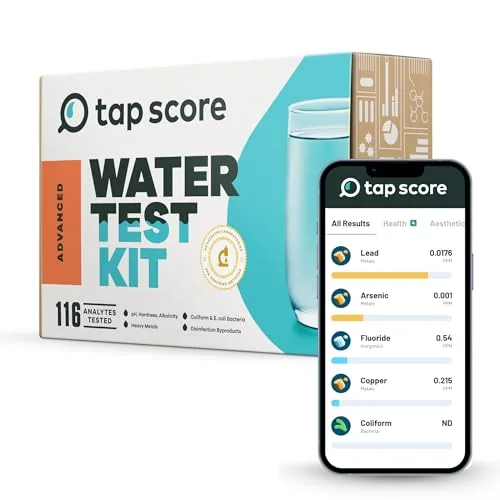
9 Best Well Water Test Kits (2026 Review Guide)
Aug 15, 2026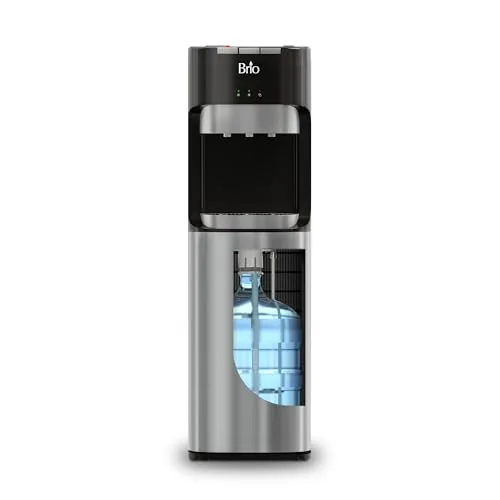
6 Best Water Coolers For Home (2026 Review Guide)
Aug 10, 2026
6 Best Water Carbonators (2026 Review Guide)
Aug 11, 2026
7 Best Water Filters For Well Water (2026 Review Guide)
Jul 25, 2026
6 Best Portable Camp Sinks (2026 Review Guide)
Aug 23, 2026