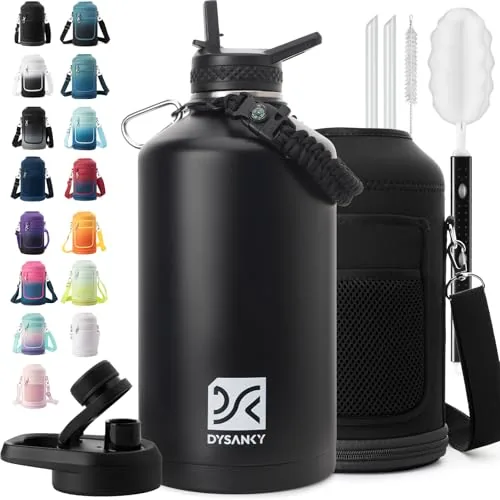
As low as $12
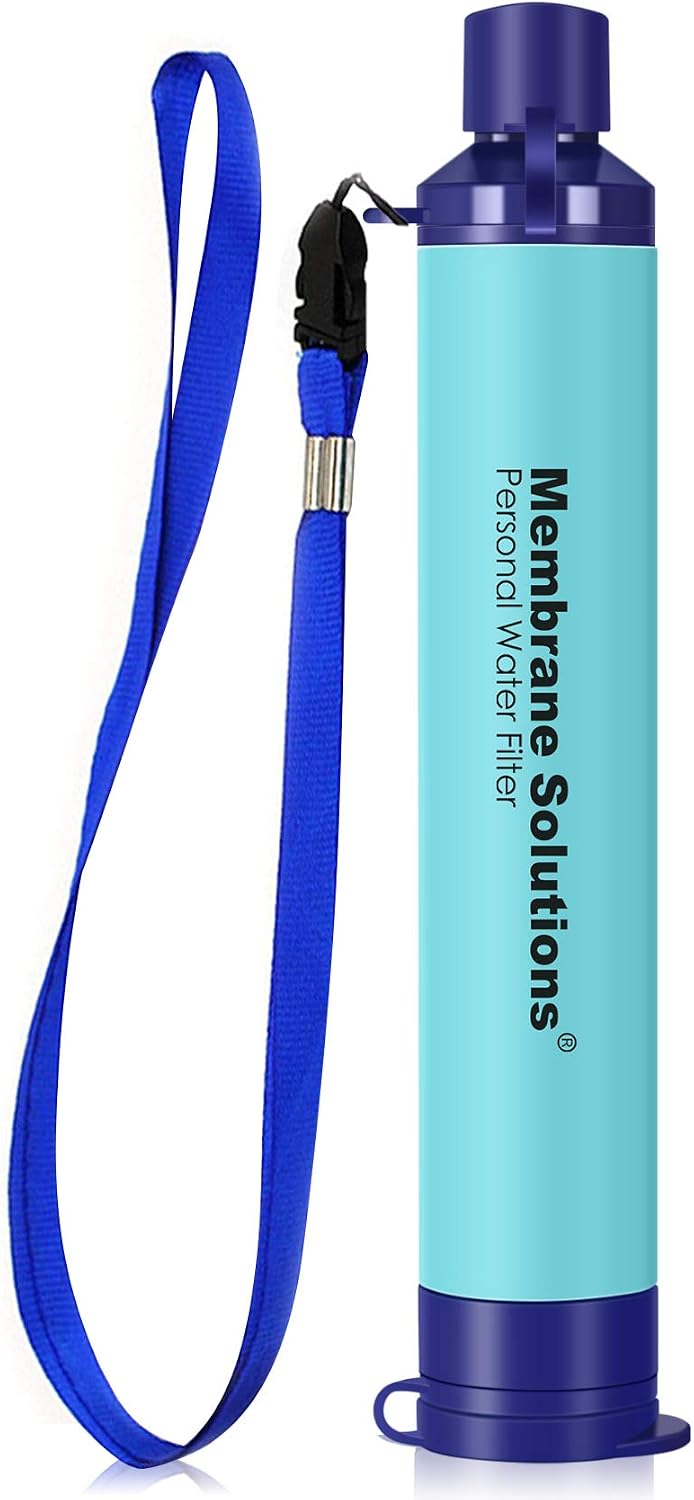
Built for travel, hiking & emergencies - drink safely whether the water is unsafe or just tastes off.
- NSF/ANSI 42, 372 & 401 certified, 0.1 micron filtration
- Filters up to 1,320 gallons - no batteries or pumping
- Ultralight - fits in any bag or pocket
- BPA-free, compatible with standard 28mm bottle threads
Tap water in Indonesia is generally not safe to drink for travelers. While major hotels and restaurants typically use filtered or bottled water, the municipal water supply across most of the country does not meet WHO drinking water standards due to aging infrastructure, bacterial contamination, and inconsistent treatment. Travelers should rely on bottled or filtered water throughout their stay.
Quick Reference
| Concern | Our Advice | |
|---|---|---|
| Drink tap water? | ❌ | Use bottled or filtered water |
| Brush teeth? | ❌ | Use bottled or filtered water |
| Wash fruits / veg? | ❌ | Wash with filtered or bottled water |
| Use ice in drinks? | ❌ | Avoid unless confirmed purified |
| Shower safely? | ✅ | Yes |
| Filter bottle needed? | ❌ | Strongly recommend a Membrane Solutions Filter Straw for all travelers |
| Common risks | Bacterial contamination (E. coli, Salmonella), Parasites (Giardia, Cryptosporidium), Heavy metals, Sediment and turbidity, Chemical pollutants from industrial runoff |

Key Statistics


Affiliate links — we earn a small commission at no extra cost to you.
Water Infrastructure & Supply
Indonesia's water supply system is managed primarily by regional water utilities known as PDAMs (Perusahaan Daerah Air Minum), which are operated by local governments across the country's 34 provinces. Historically, investment in water infrastructure has lagged behind population growth, especially in rapidly urbanizing areas like Greater Jakarta and Surabaya. Many PDAMs suffer from high levels of non-revenue water (water lost through leaks and theft), often exceeding 30-40% of total production.
The treatment technology varies widely. Major cities like Jakarta use conventional treatment plants with coagulation, sedimentation, filtration, and chlorination, but the distribution network is often old and corroded, leading to recontamination before water reaches the tap. In smaller cities and rural areas, water treatment may be minimal or absent, with communities relying on wells, springs, or untreated surface water. Even where PDAM water is treated, the Indonesian government itself advises boiling water before drinking.
The government has set ambitious targets under its national development plans (RPJMN) and UN SDG 6 commitments to achieve universal access to safe drinking water by 2030. Major projects include the SPAM (Sistem Penyediaan Air Minum) programs funded by the World Bank and Asian Development Bank, targeting infrastructure upgrades in underserved regions including eastern Indonesia, Kalimantan, and Sulawesi. Jakarta's water privatization experiment with PAM Jaya and private operators has seen mixed results, with a push toward renationalization and improved investment in recent years.
Contamination & Health Risks
The primary health risk from Indonesian tap water is microbial contamination. Multiple studies have found E. coli and coliform bacteria in tap water samples across major cities, including Jakarta, Bandung, and Surabaya. Parasitic organisms such as Giardia and Cryptosporidium have also been detected, which can cause severe gastrointestinal illness in travelers without prior exposure. The WHO estimates that waterborne diseases remain a significant cause of morbidity in Indonesia, particularly among children.
Industrial and agricultural pollution compounds the problem. Java's rivers, which supply water to treatment plants serving tens of millions of people, are among the most polluted in Asia, carrying heavy metals, pesticides, and textile dye waste. The Citarum River, which supplies about 80% of Jakarta's raw water, has been described as one of the world's most polluted rivers. Groundwater in many areas is also compromised by saltwater intrusion (particularly in coastal Jakarta) and contamination from inadequate sanitation.
For travelers, the practical risks are substantial. Bali's tourist infrastructure means many hotels and restaurants use reverse-osmosis filtered water, but street food vendors typically use unfiltered tap or well water for cooking, ice-making, and washing produce. Travelers' diarrhea affects an estimated 20-50% of visitors to Indonesia, making it one of the most common health issues. Even brushing teeth with tap water or consuming ice of uncertain origin carries risk, especially outside major tourist zones.
Regional Water Quality Breakdown
Jakarta
avoidJakarta's tap water is not potable. The city suffers from severely polluted source water (Citarum River), aging distribution pipes, and widespread groundwater contamination from saltwater intrusion. Most residents and all travelers rely on bottled or filtered water.
Bali (Denpasar, Ubud, Seminyak)
avoidDespite being Indonesia's top tourist destination, Bali's tap water is not safe to drink. Many hotels and restaurants provide filtered water, but the municipal supply is unreliable. Street-side ice and uncooked food washed in tap water pose particular risks.
Yogyakarta
avoidYogyakarta's groundwater-based water supply is generally cleaner than Jakarta's, but it still does not meet international drinking standards. Boiling or filtering is essential. Tourist-oriented establishments usually provide safe water options.
Surabaya
avoidIndonesia's second-largest city has improved its PDAM system in recent years, but tap water remains unsafe for direct consumption. Industrial contamination of the Brantas and Surabaya Rivers affects raw water quality. Stick to bottled water.
Lombok and Gili Islands
avoidFreshwater is scarce on the Gili Islands, and most water is desalinated or sourced from Lombok's limited supply. Water quality is poor and inconsistent. Travelers should exclusively use sealed bottled water or water from verified filtration systems.
Eastern Indonesia (Papua, Maluku, NTT)
avoidRemote eastern provinces have the lowest rates of access to improved water sources in Indonesia. Infrastructure is minimal and waterborne diseases are more prevalent. Travelers to these regions should bring their own filtration systems and carry sufficient bottled water supplies.
Practical Tips for Travelers
- Always drink bottled or filtered water. Ask for 'air minum' (drinking water) or 'Aqua' at restaurants to ensure you receive sealed bottled water rather than tap water.
- Avoid ice in drinks unless you are at a reputable hotel or restaurant. Factory-made ice (es batu) typically has a cylindrical shape with a hole in the center and is generally safer than irregularly shaped hand-chipped ice.
- Invest in a portable water filter bottle (like Grayl or LifeStraw) , it will save money, reduce plastic waste, and ensure safe drinking water even in remote areas. Strongly recommend the Membrane Solutions Filter Straw.
- When buying bottled water, always check that the seal is intact. In rare cases, bottles may be refilled with tap water and resold, particularly from unlicensed vendors.
- Use bottled water for brushing teeth, especially if you have a sensitive stomach. Many hotels place complimentary bottles in the bathroom specifically for this purpose.
- Be cautious with fresh salads, unpeeled fruits, and raw vegetables at street food stalls, as these are typically washed with tap water. Peelable fruits like bananas, mangoes, and rambutan are safer choices.
- Carry oral rehydration salts (ORS) or electrolyte packets in case you experience traveler's diarrhea , they are also available at any Indonesian pharmacy (apotek) under the brand 'Oralit'.
- When ordering at a warung (local eatery), you can say 'Minta air putih botol, ya' (Can I have bottled plain water, please) to make sure you receive sealed water.
Bottled Water Availability & Cost
Bottled water is ubiquitous and affordable throughout Indonesia. The most popular brand is Aqua (owned by Danone), which is so dominant that "Aqua" has become a generic term for bottled water. A 600ml bottle typically costs IDR 3,000-5,000 (approximately $0.20-0.35 USD) at convenience stores like Indomaret or Alfamart, while a 1.5-liter bottle runs IDR 5,000-8,000 ($0.35-0.55 USD). Tourist areas like Bali and Lombok may charge slightly more, particularly in restaurants where a bottle can cost IDR 15,000-30,000 ($1-2 USD).
For budget travelers, buying large 19-liter refillable gallon jugs (known as "galon") from refill depots is the most economical option, costing IDR 5,000-8,000 ($0.35-0.55 USD) per refill. However, the quality of these refill stations varies significantly , look for ones branded by Aqua or Le Minerale for better quality assurance. To reduce plastic waste, which is a major environmental problem in Indonesia, consider investing in a high-quality filter bottle such as a LifeStraw or Grayl, which can purify tap water on the go. Many eco-conscious hotels and dive resorts in Bali now offer free filtered water refill stations.
Frequently Asked Questions
Can I brush my teeth with tap water in Indonesia?
It is not recommended to brush your teeth with tap water in Indonesia, especially if you are not accustomed to the local bacteria. Use bottled water for brushing teeth. Many hotels provide small complimentary bottles in the bathroom specifically for this purpose.
Is it safe to shower in Indonesian tap water?
Yes, showering in Indonesian tap water is generally safe. The risk comes from ingestion, not skin contact. Simply avoid swallowing any water while showering, and take care to keep your mouth closed. If you have open wounds, you may want to use clean water to rinse them afterward.
Is ice safe in drinks in Indonesia?
Ice safety varies widely. In upscale hotels, established restaurants, and international chains, ice is usually made from filtered or purified water and is safe. However, ice from street vendors or small warungs may be made from unfiltered tap water. Factory-produced ice, which is cylindrical with a hole in the center, is generally safer than hand-chipped irregular ice blocks.
Can I drink tap water in Bali's tourist hotels?
Most reputable hotels and resorts in Bali provide either bottled water or have their own reverse-osmosis filtration systems. However, the tap water itself , even in luxury hotels , is not safe to drink directly from the faucet. Always use the provided bottled water or filtered water dispensers.
How much does bottled water cost in Indonesia?
Bottled water is very affordable in Indonesia. A 600ml bottle costs around IDR 3,000-5,000 ($0.20-0.35 USD) from convenience stores. A 1.5-liter bottle costs IDR 5,000-8,000 ($0.35-0.55 USD). Restaurants in tourist areas may charge IDR 15,000-30,000 ($1-2 USD) per bottle. The cheapest option is buying 19-liter refill gallons for about IDR 5,000-8,000.
Is the water safe to drink in restaurants in Indonesia?
Most restaurants in tourist areas serve bottled or filtered water, but you should always confirm. Ask for sealed bottled water ('air minum botol') rather than accepting an open glass of water, which may be tap water. Mid-range to upscale restaurants in cities and tourist areas generally use safe water for cooking and ice.
Why can locals drink the water but tourists get sick?
Indonesian residents have developed tolerance to the local microbial flora over years of exposure. Their immune systems are adapted to bacteria and parasites that are common in the local water supply. Travelers lack this immunity, making them much more susceptible to gastrointestinal infections. Even many Indonesian residents prefer to boil or filter their water before drinking.
Do I need a water filter bottle for traveling in Indonesia?
A portable water filter bottle is highly recommended for Indonesia, especially if you plan to visit rural areas, go trekking, or stay in budget accommodation. Models like the Grayl GeoPress or LifeStraw Go can remove bacteria, parasites, and some chemicals. This saves money on bottled water, reduces plastic waste, and ensures you always have access to safe drinking water.
Interesting Product Reviews
6 Best Water Storage Barrels (2026 Review Guide)
Aug 22, 2026
9 Best Water Filters For Sulfur Smell (Rotten Egg Water) (2026 Review Guide)
Aug 1, 2026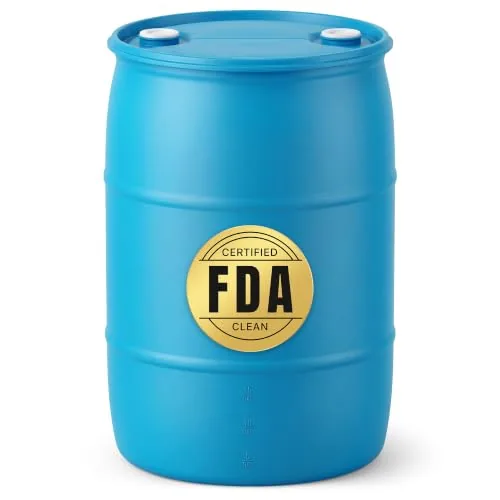
9 Best 55 Gallon Water Storage Barrels (2026 Review Guide)
Aug 5, 2026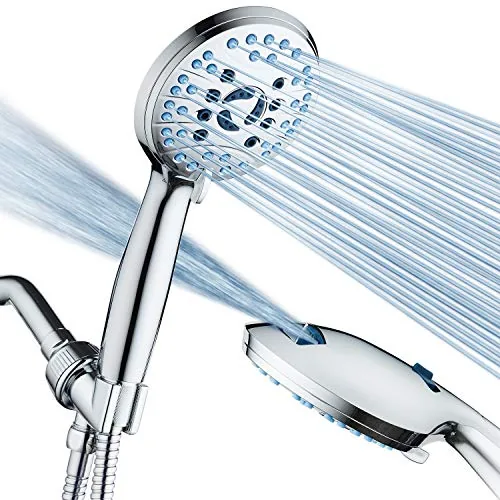
9 Best Handheld Shower Heads (2026 Review Guide)
Aug 19, 2026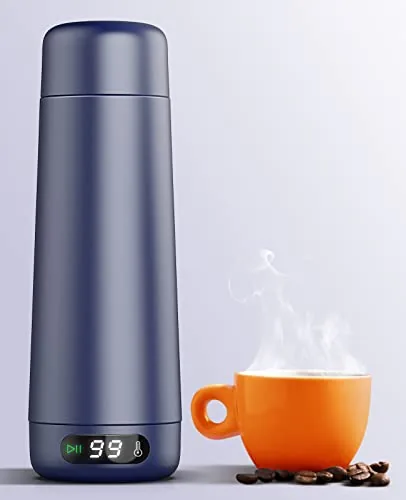
8 Best Travel Kettles For Boiling Water (2026 Review Guide)
Jul 2, 2026