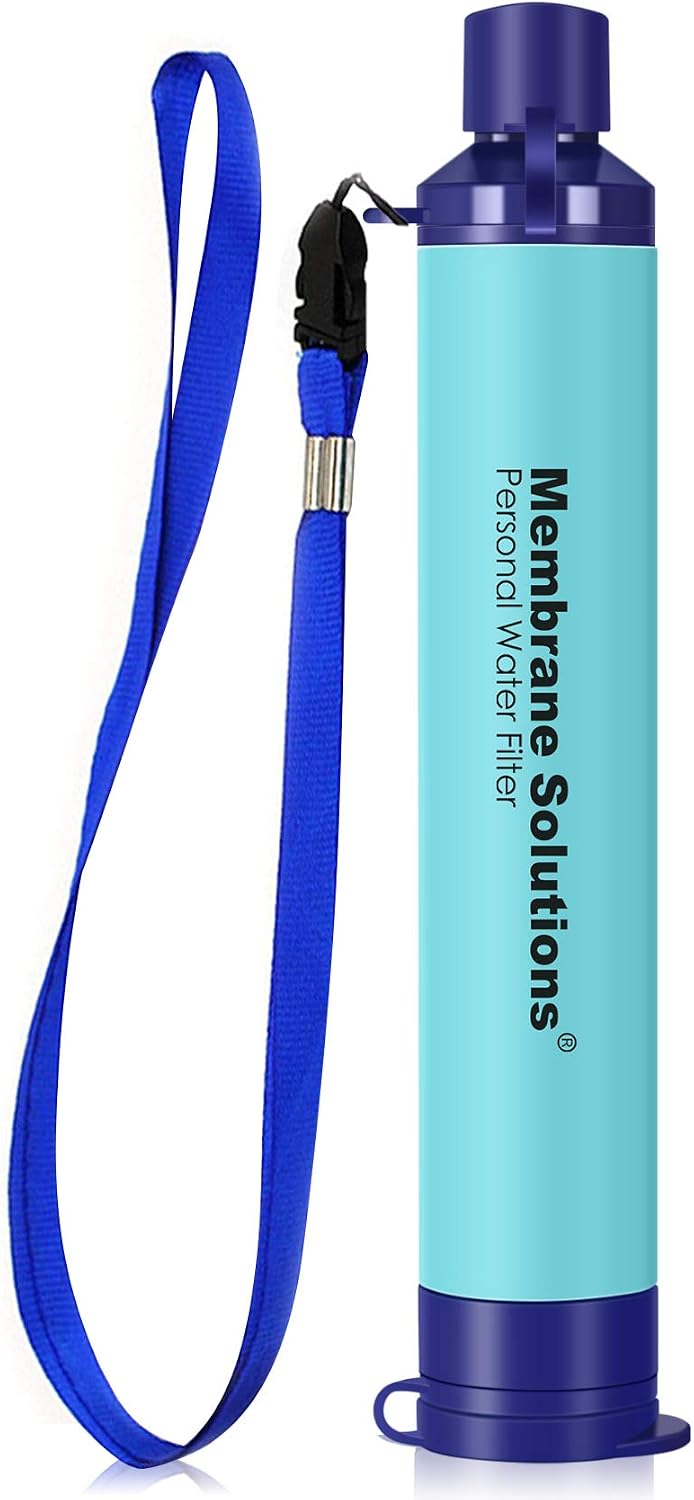
As low as $12
Built for travel, hiking & emergencies - drink safely whether the water is unsafe or just tastes off.
- NSF/ANSI 42, 372 & 401 certified, 0.1 micron filtration
- Filters up to 1,320 gallons - no batteries or pumping
- Ultralight - fits in any bag or pocket
- BPA-free, compatible with standard 28mm bottle threads
Tap water in Georgia varies significantly by region. In the capital Tbilisi, tap water is generally considered safe to drink thanks to modern treatment infrastructure, but in many rural areas and smaller towns, aging Soviet-era pipes and inconsistent treatment make it advisable to use bottled or filtered water. Travelers should exercise caution outside major cities and always check local advice.
Quick Reference
| Concern | Our Advice | |
|---|---|---|
| Drink tap water? | ❌ | Use bottled or filtered water |
| Brush teeth? | ✅ | Yes, no concerns |
| Wash fruits / veg? | ✅ | Yes, safe to use tap water |
| Use ice in drinks? | ❌ | Avoid unless confirmed purified |
| Shower safely? | ✅ | Yes |
| Filter bottle needed? | ❌ | Strongly recommend a Membrane Solutions Filter Straw for all travelers |
| Common risks | Bacterial contamination, Aging pipe infrastructure, Seasonal turbidity, Agricultural runoff, Inconsistent chlorination in rural areas |

Key Statistics


Affiliate links — we earn a small commission at no extra cost to you.
Water Infrastructure & Supply
Georgia's water infrastructure has its roots in the Soviet era, with many systems dating back to the 1960s and 1970s. After independence in 1991, decades of underinvestment led to widespread deterioration of water treatment plants and distribution networks. Tbilisi and a few major cities received significant upgrades starting in the 2000s, but many smaller towns and rural areas still rely on outdated systems with intermittent supply and frequent pipe breaks.
The Georgian Water and Power (GWP) utility manages water supply in Tbilisi and surrounding areas, drawing primarily from the Zhinvali and Tbilisi reservoirs. The water undergoes multi-stage treatment including coagulation, sedimentation, filtration, and chlorination. However, aging distribution pipes made of cast iron and asbestos cement can introduce secondary contamination between treatment plants and household taps, particularly in older neighborhoods.
Significant improvement projects are underway with support from the Asian Development Bank, European Bank for Reconstruction and Development, and the EU. The government's "Water Supply and Sanitation Sector Development Program" aims to extend safely managed water services to 85% of the population by 2030. Major rehabilitation projects are ongoing in Kutaisi, Batumi, Zugdidi, and dozens of smaller municipalities, focusing on replacing Soviet-era pipes and building modern treatment facilities.
Contamination & Health Risks
The primary health risks from tap water in Georgia stem from aging distribution infrastructure rather than source water quality. Georgia is blessed with abundant clean mountain water sources, but contamination can occur through corroded pipes, cross-connections with sewage lines, and inadequate chlorination in rural systems. The National Center for Disease Control monitors waterborne disease outbreaks, with occasional cases of giardiasis and bacterial gastroenteritis reported, particularly in summer months.
Agricultural runoff poses a concern in some lowland areas, particularly in the Kakheti wine region and the Kolkheti lowlands, where pesticides and nitrates can seep into groundwater. Industrial contamination is localized but present near former Soviet mining and manufacturing sites, particularly around Chiatura (manganese mining) and Rustavi (chemical industry). Heavy metal contamination has been documented in some water sources near these industrial zones.
For travelers, the practical risk is primarily gastrointestinal illness from unfamiliar bacterial flora rather than serious toxic contamination. Visitors with sensitive stomachs may experience mild digestive issues even in Tbilisi. In rural areas, guesthouses and homestays often rely on private wells or spring water that may not be regularly tested. It is strongly recommended that travelers outside major cities use bottled water or a reliable filter bottle for drinking, and exercise caution with ice in drinks at smaller establishments.
Regional Water Quality Breakdown
Tbilisi
cautionTbilisi has the best water infrastructure in Georgia, with water supplied from the Zhinvali reservoir and treated at modern facilities. Many locals drink tap water without issues, but older buildings may have deteriorated internal plumbing. Travelers should be cautious in older neighborhoods like Sololaki and the Old Town where pipe infrastructure is aging.
Batumi
cautionBatumi's water supply has received significant investment through EU-funded projects, and quality has improved substantially. The Adjara region benefits from abundant rainfall and clean mountain sources. However, rapid construction growth has outpaced infrastructure upgrades in some newer tourist areas, so filtered or bottled water is recommended.
Kutaisi
cautionKutaisi, Georgia's second-largest city, has been undergoing water system rehabilitation with EBRD support. While the central areas have improved supply, surrounding neighborhoods and suburbs may still experience intermittent service and lower water quality. Boiling or filtering water is advisable.
Kakheti Region (Sighnaghi, Telavi)
cautionThe Kakheti wine region attracts many tourists but has mixed water quality. Town centers like Sighnaghi and Telavi have municipal water systems, but quality can be inconsistent. Agricultural activity in the valley can impact groundwater quality. Bottled water is recommended, especially during the hot summer months.
Svaneti (Mestia, Ushguli)
cautionThe mountainous Svaneti region has exceptionally clean source water from glacial rivers and springs. However, treatment and distribution infrastructure in remote villages like Ushguli is minimal. While spring water may taste excellent, it is not regularly tested for microbial safety. Use a filter bottle as a precaution.
Rustavi
avoidRustavi, a Soviet-era industrial city near Tbilisi, has some of the most concerning water quality in Georgia. Legacy industrial contamination from chemical plants and metallurgical facilities has affected local water sources. The distribution infrastructure is heavily deteriorated. Bottled water is strongly recommended for all consumption.
Practical Tips for Travelers
- Carry a filter bottle when exploring outside Tbilisi , regions like Svaneti and Tusheti have beautiful spring water, but a portable filter ensures safety from microbial contamination. Strongly recommend the Membrane Solutions Filter Straw.
- In Georgian, ask for bottled water by saying " , " (botlis ts'kali, tu sheizleba), meaning "Bottled water, please." Most restaurant staff will understand if you simply say "Borjomi" or "ts'kali" (water).
- Check if your Tbilisi accommodation has been recently renovated , newer buildings with modern plumbing generally have safer tap water than older Soviet-era apartments.
- Look for public drinking fountains in Tbilisi, especially around Rustaveli Avenue, Rike Park, and Freedom Square , these provide treated municipal water and are used by locals daily.
- Avoid ice in drinks at small roadside restaurants (sasadilo) and rural guesthouses, as it may be made from untreated local water. Hotels and upscale restaurants in cities typically use filtered water for ice.
- When visiting the famous sulfur baths in Tbilisi's Abanotubani district, avoid swallowing any bathwater as it contains high mineral content and sulfur compounds not meant for ingestion.
- If you're trekking in the Caucasus mountains, treat stream and river water even at high altitudes , livestock grazing upstream can introduce harmful bacteria despite the crystal-clear appearance.
- Stock up on bottled water before traveling to remote regions like Tusheti, Upper Svaneti, or Racha, as shops may be scarce and prices higher in small mountain villages.
Bottled Water Availability & Cost
Bottled water is widely available throughout Georgia and is very affordable by international standards. A 500ml bottle typically costs 0.50, 1.00 GEL (approximately $0.18, $0.36 USD) in shops and supermarkets, while a 1.5-liter bottle costs 0.80, 1.50 GEL ($0.29, $0.54 USD). Popular local brands include Borjomi (a famous mineral water), Likani, Nabeghlavi, and Bakuriani. In restaurants, a bottle of water typically costs 2, 5 GEL ($0.72, $1.80 USD). Borjomi, Georgia's iconic sparkling mineral water, is slightly more expensive at around 2, 3 GEL for a 500ml bottle.
Buying water in bulk from supermarkets like Carrefour, Goodwill, or Smart is the most economical option , a pack of six 1.5-liter bottles can be found for around 4, 6 GEL ($1.45, $2.17 USD). Many travelers find it useful to carry a reusable filter bottle, as Georgia's abundant natural springs in the mountains offer delicious water that may just need basic filtration for safety. Note that Georgia has numerous free public drinking fountains (especially in Tbilisi) that dispense treated municipal water. To reduce plastic waste, consider refilling a reusable bottle from these fountains or investing in a quality filter bottle for your trip.
Frequently Asked Questions
Can I brush my teeth with tap water in Georgia?
Yes, brushing teeth with tap water is generally safe throughout Georgia, including in smaller towns. The brief exposure is unlikely to cause illness. If you have a very sensitive stomach or are in a very remote area, you can use bottled water as an extra precaution.
Is it safe to shower in Georgian tap water?
Yes, showering in tap water is safe throughout Georgia. The water may have a slight chlorine smell in cities or a mineral taste in some regions, but it poses no risk through skin contact. The famous Tbilisi sulfur baths are also safe for bathing, just avoid swallowing the water.
Is ice safe in drinks at restaurants in Tbilisi?
In upscale restaurants, hotels, and modern cafs in Tbilisi, ice is typically made from filtered or bottled water and is safe. However, in smaller or budget establishments, ice may be made from tap water. If you're uncertain, it's best to request drinks without ice or ask if they use filtered water.
Do restaurants in Georgia serve safe drinking water?
Most restaurants in Georgia serve bottled water (Borjomi, Nabeghlavi, or Likani are common brands). Free tap water is not typically served in Georgian restaurants. If you order water, you'll usually receive a sealed bottle, which is always safe. Some modern restaurants in Tbilisi offer filtered tap water.
How much does bottled water cost in Georgia?
Georgia has very affordable bottled water. A 500ml bottle costs 0.50, 1.00 GEL ($0.18, $0.36 USD) in shops. A 1.5-liter bottle is about 0.80, 1.50 GEL ($0.29, $0.54). In restaurants, expect to pay 2, 5 GEL ($0.72, $1.80) per bottle. The famous Borjomi sparkling mineral water costs slightly more.
Is Borjomi mineral water safe and worth trying?
Absolutely! Borjomi is Georgia's world-famous naturally carbonated mineral water, sourced from springs in the Borjomi-Kharagauli National Park. It has a distinctive mineral taste and has been bottled since the 1890s. It's completely safe and is a must-try Georgian cultural experience. Locals often drink it with meals or as a digestive aid.
Can I drink water from mountain springs while hiking in Georgia?
Georgia's mountain springs often have excellent water, and many locals drink directly from them. However, springs can be contaminated by livestock grazing upstream or by natural mineral deposits. For safety, use a portable filter or purification tablets, especially at lower elevations. At very high altitudes above treeline with no livestock, the risk is lower but not zero.
Is tap water in Tbilisi safe to drink directly?
Tbilisi's municipal water is treated to WHO standards at modern facilities, and many locals drink it daily without problems. However, the quality at your tap depends on the condition of your building's internal plumbing. In newer buildings and renovated hotels, it's generally fine. In older buildings with Soviet-era pipes, using a filter or bottled water is advisable. Travelers with sensitive stomachs should stick to bottled or filtered water.
Interesting Product Reviews
7 Best Anti-Scale Devices (2026 Review Guide)
Aug 15, 2026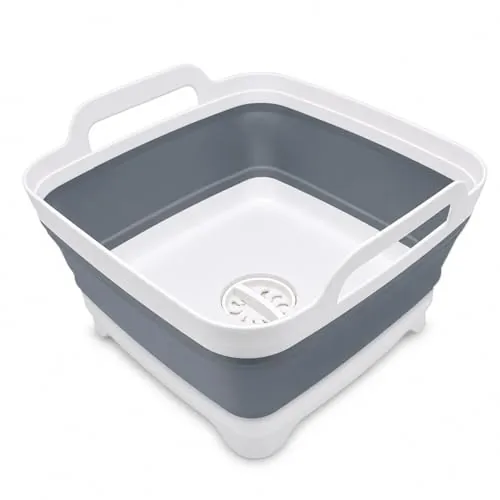
6 Best Portable Camp Sinks (2026 Review Guide)
Aug 23, 2026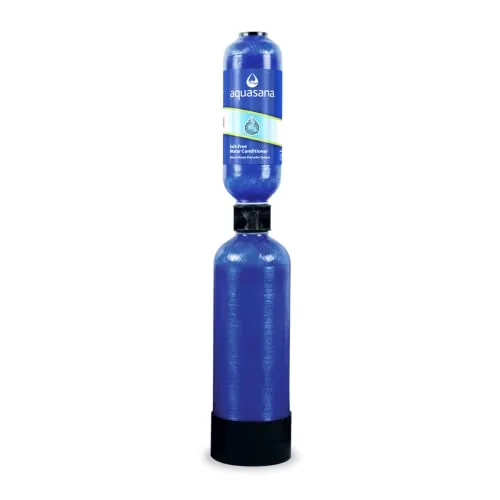
8 Best Salt-Free Water Conditioners (2026 Review Guide)
Aug 13, 2026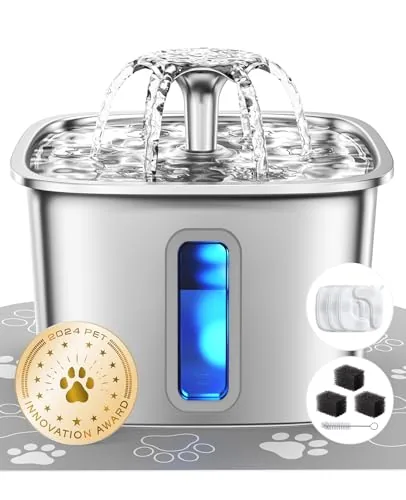
7 Best Automatic Pet Water Dispensers (2026 Review Guide)
Aug 18, 2026
8 Best Water Filters For Pfas (Forever Chemicals) (2026 Review Guide)
Jul 30, 2026