As low as $12
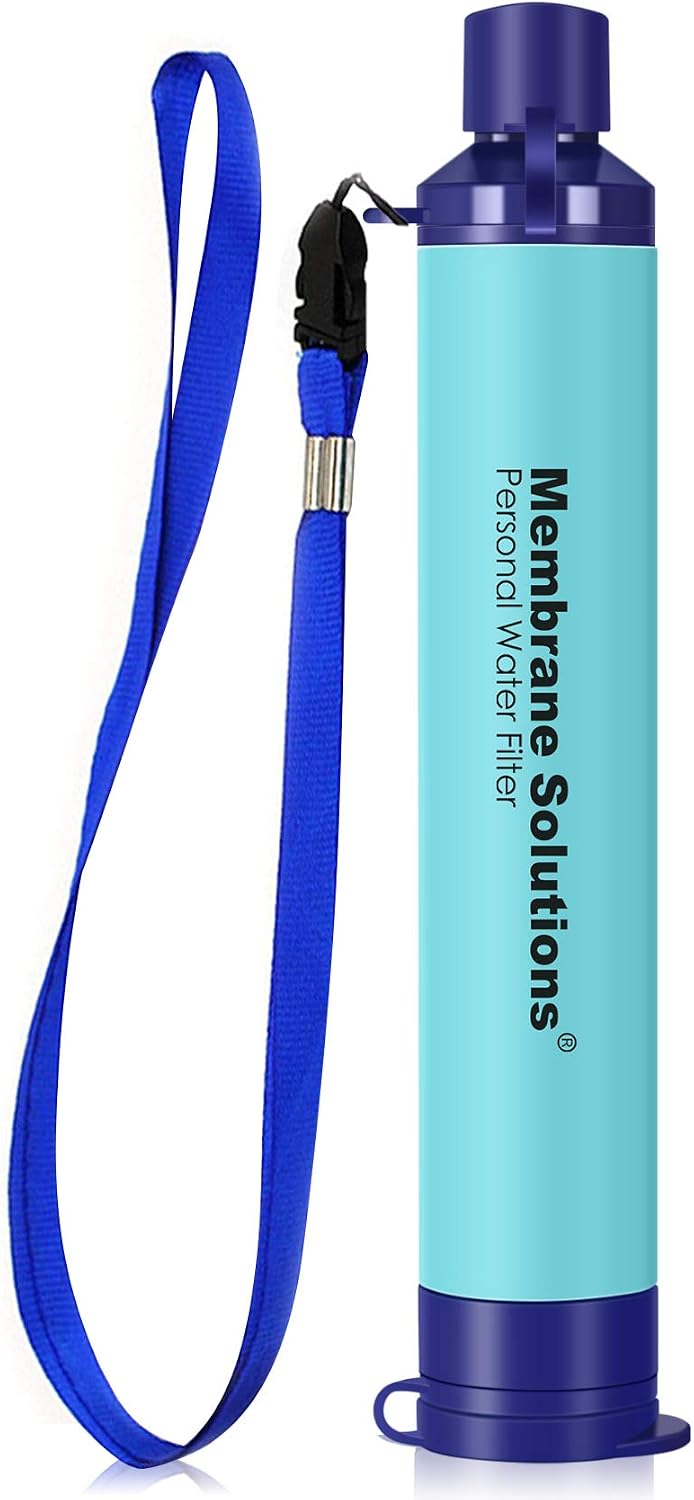
Built for travel, hiking & emergencies - drink safely whether the water is unsafe or just tastes off.
- NSF/ANSI 42, 372 & 401 certified, 0.1 micron filtration
- Filters up to 1,320 gallons - no batteries or pumping
- Ultralight - fits in any bag or pocket
- BPA-free, compatible with standard 28mm bottle threads
Tap water in Slovenia is generally safe to drink throughout the country. Slovenia is one of the few nations in the world that enshrined the right to clean drinking water in its constitution in 2016. The water supply is sourced primarily from pristine alpine aquifers and karst springs, making it among the highest quality in Europe.
Quick Reference
| Concern | Our Advice | |
|---|---|---|
| Drink tap water? | ✅ | Yes, safe in most areas |
| Brush teeth? | ✅ | Yes, no concerns |
| Wash fruits / veg? | ✅ | Yes, safe to use tap water |
| Use ice in drinks? | ✅ | Yes, safe in restaurants |
| Shower safely? | ✅ | Yes |
| Filter bottle needed? | ✅ | Not necessary, but a Membrane Solutions Filter Straw can improve taste |
| Common risks | Localized agricultural runoff, Occasional nitrate contamination in lowland areas, Aging pipes in older buildings, Karst aquifer vulnerability |

Key Statistics


Affiliate links — we earn a small commission at no extra cost to you.
Water Infrastructure & Supply
Slovenia's water infrastructure benefits enormously from its geography , the country sits atop abundant karst aquifers and alpine watersheds that provide naturally pure groundwater. About 97% of drinking water comes from underground sources, which are naturally filtered through limestone and dolomite rock formations. The 2016 constitutional amendment enshrining the right to clean water reflects the national commitment to water as a public good rather than a commercial commodity.
The country operates around 896 public water supply systems managed by municipal utilities. Major cities like Ljubljana, Maribor, and Celje have modern treatment and distribution networks that meet all EU Drinking Water Directive standards. Water undergoes UV treatment and minimal chlorination, with the National Institute of Public Health (NIJZ) conducting regular monitoring of microbiological and chemical parameters at thousands of sampling points annually.
Significant EU-funded investment has gone into upgrading wastewater treatment infrastructure, particularly in smaller communities. The Cohesion Fund and EU structural funds have supported the construction of new wastewater treatment plants across the country, with the goal of achieving full compliance with the EU Urban Waste Water Treatment Directive. Ongoing projects focus on reducing water losses in aging distribution networks and protecting vulnerable karst groundwater sources from contamination.
Contamination & Health Risks
Slovenia's tap water quality is consistently ranked among the best in Europe, with compliance rates exceeding 99% for microbiological and chemical parameters in larger supply systems. The NIJZ monitors water quality rigorously, and major contamination events are extremely rare. The main chemical concern in some lowland agricultural areas, particularly in the northeast (Pomurje region), is elevated nitrate levels from fertilizer runoff, though these typically remain within EU limits.
Smaller water supply systems serving fewer than 500 people occasionally show lower compliance rates due to less advanced treatment technology and infrastructure. In rural areas, some households rely on private wells that are not regularly monitored, and these can be more susceptible to bacterial contamination, especially after heavy rainfall. Karst geology, while providing excellent natural filtration, also means that surface pollutants can reach groundwater quickly through sinkholes and fissures.
For travelers, the health risks from tap water in Slovenia are minimal. Water in hotels, restaurants, and public drinking fountains across Ljubljana, the coast, and tourist areas in the Julian Alps is perfectly safe. The only precaution worth noting is in very remote mountain huts (planinske koe) where water may come from untreated local sources , in such cases, hut wardens will typically advise guests. Sensitive travelers may notice a slight mineral taste variation between regions due to different geological sources, but this does not indicate any safety concern.
Regional Water Quality Breakdown
Ljubljana
safeLjubljana's water supply comes from the Ljubljansko Barje aquifer and is of exceptional quality. The city's water utility Voka Snaga maintains strict monitoring and treatment standards. Tap water is safe and pleasant to drink throughout the capital, and public fountains are abundant in the old town.
Bled & Julian Alps
safeThe Bled and Bohinj area benefits from pristine alpine water sources fed by glacial springs and mountain aquifers. Tap water in hotels and restaurants is excellent. Some remote mountain huts may use untreated spring water , follow the hut warden's guidance.
Maribor
safeSlovenia's second largest city has a modern water supply system sourcing water from the Drava River valley aquifers. Water quality meets all EU standards and is regularly monitored. The water is safe and reliable for all uses.
Slovenian Coast (Koper, Piran, Portoro)
safeThe coastal region receives water primarily from the Riana spring and regional karst sources managed by Rianski vodovod Koper. Quality is consistently good, though summer tourism peaks can increase demand. Tap water is safe throughout the coastal towns.
Pomurje Region (Murska Sobota)
cautionThe northeastern Pomurje lowlands have historically had elevated nitrate and occasional pesticide residue levels in groundwater due to intensive agriculture. Public supplies are treated and monitored, but private wells may exceed limits. Travelers using municipal water are safe, but should avoid drinking from unverified private sources.
Postojna & Karst Region
safeThe karst region's unique geology provides naturally filtered groundwater of excellent quality. Municipal water in Postojna and surrounding areas is well-maintained. The only consideration is that karst aquifers can be vulnerable to rapid contamination after extreme weather, but monitoring systems are in place.
Practical Tips for Travelers
- You can confidently drink tap water everywhere in Slovenia's cities, towns, and tourist areas , it's among the cleanest in Europe.
- In Slovenian, you can ask for tap water at a restaurant by saying "Lahko dobim vodo iz pipe, prosim?" (Can I have tap water, please?). Most restaurants will serve it free of charge.
- Carry a reusable water bottle , Ljubljana and other cities have many free public drinking fountains (pitniki) where you can refill throughout the day.
- Try Radenska, Slovenia's famous naturally sparkling mineral water, which has been bottled from thermal springs since 1869. Ask for "Radensko" at any restaurant.
- In remote mountain huts (planinske koe), always ask the hut warden about water safety , some high-altitude huts rely on untreated spring or rainwater collection.
- If you're visiting the Pomurje region in the northeast, stick to municipal tap water rather than drinking from private wells, as agricultural runoff can affect groundwater.
- A filter bottle is not necessary for traveling in Slovenia, but if you plan extensive hiking in remote areas without maintained water sources, a portable filter can provide peace of mind. Strongly recommend the Membrane Solutions Filter Straw.
- Look for the word "pitna voda" (drinking water) on fountains and taps , if marked "ni pitna voda" it means the water is not for drinking.
Bottled Water Availability & Cost
Bottled water is widely available throughout Slovenia in supermarkets, gas stations, kiosks, and restaurants. A 0.5L bottle typically costs 0.50, 1.50 in shops and 1.50, 3.00 in restaurants and cafs. Popular local brands include Dana, Radenska (a naturally carbonated mineral water), and Costella. International brands like Evian and San Pellegrino are also available at higher prices.
For budget-conscious travelers, buying 1.5L bottles in supermarkets like Mercator, Spar, or Lidl costs approximately 0.30, 0.80. However, given that tap water in Slovenia is excellent, carrying a reusable bottle is both economical and environmentally friendly. Ljubljana has numerous public drinking fountains, and many restaurants will serve tap water on request at no charge. Slovenia's strong environmental consciousness means that reducing plastic waste by drinking tap water is very much in line with local values.
Frequently Asked Questions
Can I brush my teeth with tap water in Slovenia?
Yes, absolutely. Tap water throughout Slovenia is safe for brushing teeth. The water meets stringent EU quality standards and is perfectly safe for all personal hygiene uses.
Is it safe to shower in Slovenian tap water?
Yes, showering in tap water is completely safe everywhere in Slovenia. The water is very low in chlorine and minerals compared to many other countries, which is actually gentle on skin and hair.
Can I drink ice in my drinks at Slovenian restaurants and bars?
Yes, ice in drinks at Slovenian restaurants and bars is made from safe tap water. You can enjoy iced beverages without any concern.
Will restaurants in Slovenia serve me tap water?
Most restaurants in Slovenia will serve tap water if you ask for it, usually free of charge. Simply ask for "voda iz pipe" (water from the tap). Some higher-end restaurants may default to offering bottled water, so be specific about wanting tap water if that's your preference.
How much does bottled water cost in Slovenia?
A 0.5L bottle costs 0.50, 1.50 in shops and 1.50, 3.00 in restaurants. Larger 1.5L bottles in supermarkets cost 0.30, 0.80. However, since tap water is excellent, you can save money and reduce waste by using a reusable bottle.
Is the water safe to drink at Lake Bled and in the mountains?
Yes, tap water in Bled, Bohinj, and throughout the Julian Alps region is excellent , it comes from pristine alpine sources. In high-altitude mountain huts, check with the hut warden as some use untreated spring or rain water, but all valley towns and resorts have safe municipal water.
Why did Slovenia put water rights in its constitution?
In 2016, Slovenia amended its constitution to declare access to clean drinking water a fundamental right, ensuring water resources remain a public good and cannot be privatized. This reflects the country's commitment to protecting its abundant but vulnerable water resources, particularly its karst aquifers, for future generations.
Is it safe to drink from public fountains in Slovenia?
Yes, public drinking fountains (pitniki) in Slovenian cities are connected to the municipal water supply and are safe to drink from. Ljubljana alone has dozens of them, especially in the old town. If a fountain is not for drinking, it will be marked "ni pitna voda" (not drinking water).
Interesting Product Reviews
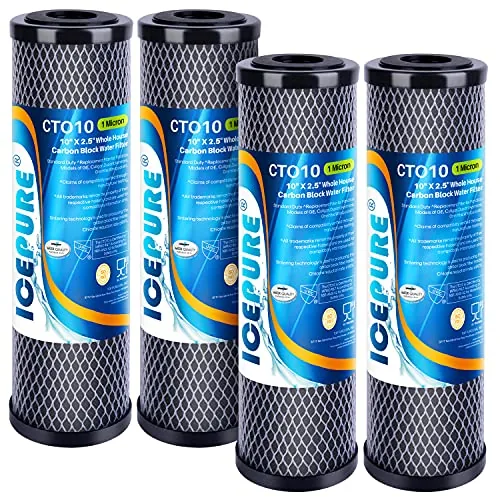
6 Best Whole House Water Filters (2026 Review Guide)
Jul 17, 2026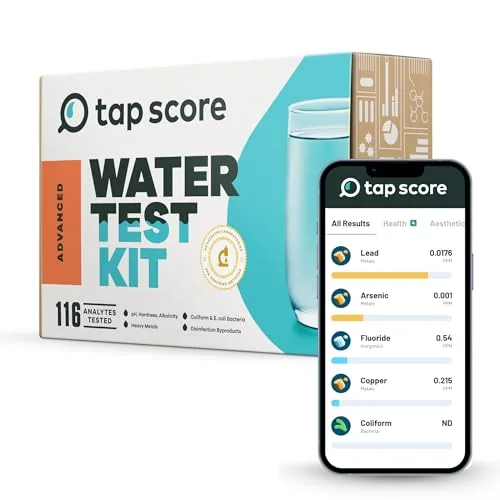
9 Best Well Water Test Kits (2026 Review Guide)
Aug 15, 2026
9 Best Ear Plugs For Swimmers (2026 Review Guide)
Aug 25, 2026
6 Best Water Filters For Pesticides And Herbicides (2026 Review Guide)
Aug 2, 2026
9 Best Well Pressure Tanks (2026 Review Guide)
Aug 14, 2026