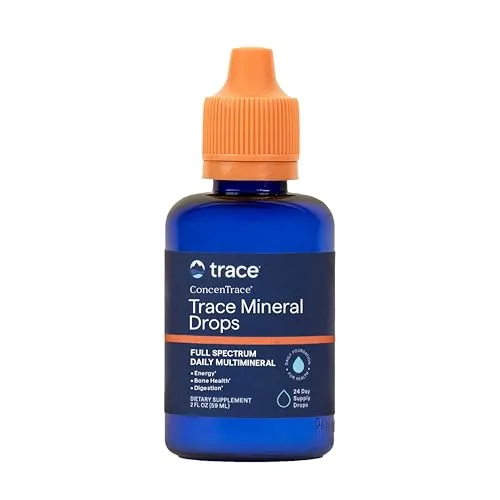
As low as $12
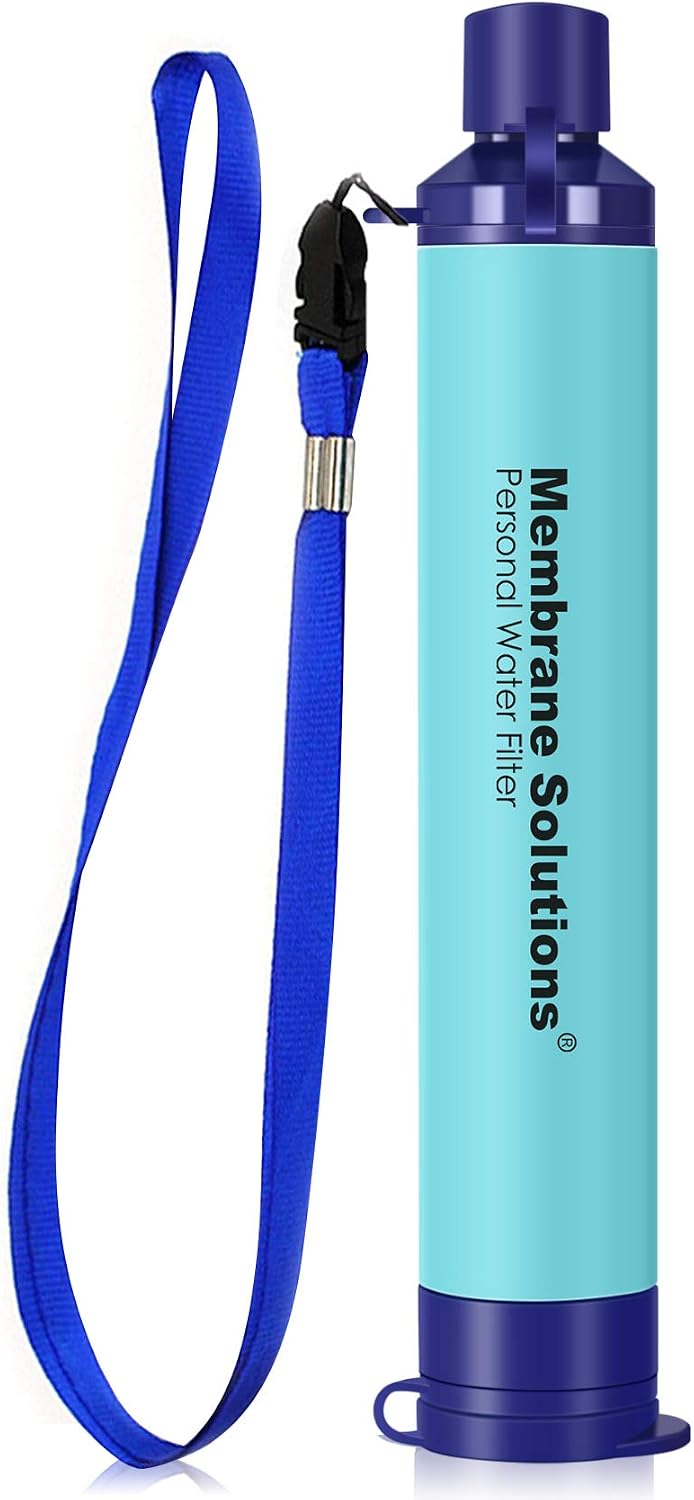
Built for travel, hiking & emergencies - drink safely whether the water is unsafe or just tastes off.
- NSF/ANSI 42, 372 & 401 certified, 0.1 micron filtration
- Filters up to 1,320 gallons - no batteries or pumping
- Ultralight - fits in any bag or pocket
- BPA-free, compatible with standard 28mm bottle threads
Tap water in Ethiopia is generally not safe for travelers to drink without treatment. While urban areas like Addis Ababa have piped water systems, contamination from aging infrastructure, inadequate treatment, and microbial pathogens remains a significant concern. Travelers should rely on bottled or purified water throughout their visit.
Quick Reference
| Concern | Our Advice | |
|---|---|---|
| Drink tap water? | ❌ | Use bottled or filtered water |
| Brush teeth? | ❌ | Use bottled or filtered water |
| Wash fruits / veg? | ❌ | Wash with filtered or bottled water |
| Use ice in drinks? | ❌ | Avoid unless confirmed purified |
| Shower safely? | ✅ | Yes |
| Filter bottle needed? | ❌ | Strongly recommend a Membrane Solutions Filter Straw for all travelers |
| Common risks | Bacterial contamination (E. coli, cholera), Parasitic infections (Giardia, Cryptosporidium), Viral pathogens (Hepatitis A, Rotavirus), Sediment and turbidity, Agricultural runoff, Fecal contamination |

Key Statistics


Affiliate links — we earn a small commission at no extra cost to you.
Water Infrastructure & Supply
Ethiopia's water supply infrastructure has been developing rapidly but still faces enormous challenges. The Addis Ababa Water and Sewerage Authority (AAWSA) manages the capital's water system, which relies on surface water reservoirs such as the Legedadi, Dire, and Gefersa dams. However, intermittent supply, aging pipe networks, and rapid urbanization mean that many residents experience frequent disruptions and potential contamination from cross-connections with sewage.
The country's water treatment facilities use conventional processes including coagulation, sedimentation, filtration, and chlorination. However, treatment capacity has not kept pace with population growth, particularly in secondary cities like Hawassa, Bahir Dar, and Dire Dawa. In rural areas, many communities rely on unprotected springs, hand-dug wells, and surface water with little or no treatment, making waterborne disease a persistent public health threat.
The Ethiopian government's Growth and Transformation Plan and the One WASH National Program (OWNP) have aimed to dramatically expand access to safe water. International partners including the World Bank, UNICEF, and various NGOs have invested heavily in borehole drilling, community water supply schemes, and household-level treatment. The Grand Ethiopian Renaissance Dam, while primarily for hydroelectric power, is also expected to contribute to broader water resource management improvements across the country.
Contamination & Health Risks
Waterborne diseases are among the leading causes of illness and death in Ethiopia, especially among children under five. Studies have consistently found high levels of fecal coliform bacteria in both treated and untreated water supplies across the country. The WHO estimates that diarrheal diseases, many caused by unsafe water, remain one of the top killers of young children in Ethiopia, and travelers are equally vulnerable to these pathogens.
Key contamination sources include inadequate sewage treatment, agricultural runoff carrying pesticides and fertilizers, and industrial waste from the growing manufacturing sector around Addis Ababa and other urban centers. The practice of open defecation, while declining, still affects an estimated 17% of the population, particularly in rural areas, leading to widespread groundwater contamination. Seasonal flooding during the rainy season (June, September) significantly worsens water quality by washing contaminants into water sources.
For travelers, the most common health risks include traveler's diarrhea, giardiasis, amoebiasis, typhoid fever, and hepatitis A. Even in upscale hotels in Addis Ababa, tap water should not be consumed without treatment. Ice in drinks at restaurants may be made from untreated tap water, and fruits and vegetables washed with tap water can transmit pathogens. The CDC classifies Ethiopia as a destination where travelers should avoid tap water entirely and take precautions with all food and beverages.
Regional Water Quality Breakdown
Addis Ababa
cautionAddis Ababa has the most developed water infrastructure in Ethiopia, with treated water from major reservoirs. However, pipe leakage, intermittent supply, and cross-contamination remain issues. Travelers should still avoid drinking tap water directly and use bottled or filtered water.
Lalibela
avoidThis popular UNESCO heritage site in the Amhara Region has limited water treatment infrastructure. Water supply is often intermittent and quality unreliable. Travelers should rely exclusively on bottled or purified water and be cautious with food preparation.
Bahir Dar & Lake Tana Area
cautionBahir Dar is a regional capital with improved water systems, but proximity to Lake Tana means agricultural and sewage contamination can affect water sources. Tourist hotels generally provide bottled water, but tap water should not be consumed.
Hawassa
cautionAs a rapidly growing city near Lake Hawassa, the water infrastructure is improving but still inconsistent. Industrial activity in the area adds contamination concerns. Bottled water is readily available in the city center and tourist areas.
Omo Valley & Southern Ethiopia
avoidRemote communities in the Omo Valley largely rely on untreated river water and hand-dug wells. There is virtually no treated water available outside of small towns. Travelers must bring their own purified water supply or reliable filtration equipment.
Danakil Depression & Afar Region
avoidOne of the most extreme environments on Earth, the Danakil Depression has no reliable water infrastructure. Tour operators typically provide bottled water, but travelers should confirm this and bring backup supplies. The extreme heat makes adequate hydration critical.
Practical Tips for Travelers
- Always drink bottled or filtered water in Ethiopia. Even in high-end hotels in Addis Ababa, tap water is not safe for direct consumption by travelers.
- Carry a filter bottle such as a Grayl GeoPress or LifeStraw Go when traveling outside major cities, as bottled water may be unavailable in remote trekking areas like the Simien Mountains. Strongly recommend the Membrane Solutions Filter Straw.
- Avoid ice in drinks unless you are certain it was made with purified water. In Amharic, you can say 'Berekha yelem' ( ) meaning 'no ice' when ordering drinks.
- To ask for bottled water in Amharic, say 'Yeteshega wuha' ( ). Asking for 'Ambo' by name will get you the popular local sparkling mineral water.
- Peel all fruits and vegetables yourself rather than eating pre-cut produce. Avoid raw salads at local restaurants unless you trust their water purification practices.
- Use bottled or filtered water for brushing your teeth. Even small amounts of contaminated water can cause gastrointestinal illness in travelers not accustomed to local pathogens.
- During the rainy season (June, September), water quality deteriorates significantly due to flooding and runoff. Take extra precautions with all water and food sources during this period.
- Pack oral rehydration salts (ORS) in your travel kit. If you do develop traveler's diarrhea, staying hydrated with safe water mixed with ORS is the most important first-aid step.
Bottled Water Availability & Cost
Bottled water is widely available throughout Ethiopia, especially in cities and along major tourist routes. Popular local brands include Ambo (a naturally carbonated mineral water beloved by Ethiopians), Aquaddis, Yes, and Highland. A 500ml bottle typically costs 15, 30 Ethiopian Birr (approximately $0.25, $0.50 USD) at shops, while restaurants and hotels may charge 40, 80 Birr ($0.70, $1.40 USD). Imported brands are available at larger supermarkets but cost significantly more.
For extended stays or trekking, buying water in bulk (1.5L or 5L bottles) is more economical, with 1.5L bottles costing around 30, 50 Birr ($0.50, $0.85 USD). Travelers heading to remote areas such as the Simien Mountains, Danakil Depression, or Omo Valley should stock up in major towns as availability can be limited. Consider carrying a high-quality filter bottle (such as LifeStraw or Grayl) to reduce plastic waste and ensure access to safe water when bottled water is unavailable. Ethiopia is working to address its growing plastic waste challenge, so reusable filtration solutions are an environmentally responsible choice.
Frequently Asked Questions
Can I brush my teeth with tap water in Ethiopia?
No, it is not recommended. Tap water in Ethiopia may contain harmful bacteria and parasites that can cause gastrointestinal illness even in small amounts. Use bottled or filtered water for brushing your teeth throughout your stay.
Is it safe to shower in Ethiopian tap water?
Yes, showering is generally safe as long as you keep your mouth closed and avoid swallowing any water. The risk of illness from skin contact alone is minimal. Be extra careful with children who might accidentally ingest water during bathing.
Is ice safe in Ethiopian restaurants and hotels?
Ice should be avoided in most establishments unless you are in an upscale international hotel that confirms they use purified water for ice making. Many local restaurants and cafes use regular tap water for ice, which carries the same contamination risks as drinking tap water directly.
Is Ambo mineral water safe to drink?
Yes, Ambo is Ethiopia's most famous bottled water brand and is naturally carbonated mineral water sourced from the town of Ambo. It is commercially bottled under regulated conditions and is safe for travelers. Always check that the seal is intact when purchasing.
How much does bottled water cost in Ethiopia?
A 500ml bottle costs around 15, 30 Ethiopian Birr ($0.25, $0.50 USD) at shops, while 1.5L bottles cost 30, 50 Birr ($0.50, $0.85 USD). Prices are higher in restaurants, hotels, and remote tourist destinations. Buying in bulk from supermarkets in major cities offers the best value.
Can I drink the water served at Ethiopian coffee ceremonies?
Ethiopian coffee (buna) is prepared with boiling water, which kills most pathogens. The coffee itself is generally safe to drink. However, any water served alongside the coffee ceremony should be treated with caution unless you confirm it is bottled or boiled.
Do I need a water filter for trekking in the Simien Mountains?
Absolutely. A reliable water filter or purification system is essential for trekking in the Simien Mountains, as bottled water availability is limited on multi-day routes. A filter bottle like the Grayl GeoPress or chemical treatment tablets (chlorine dioxide) are the most practical options for treating stream and river water along the trail.
Is the water safe in Ethiopian hotels rated 4 or 5 stars?
Even high-end hotels in Ethiopia typically do not have tap water that meets international drinking standards. Most quality hotels provide complimentary bottled water in rooms and use purified water in their restaurants. Always confirm with hotel staff and avoid drinking directly from taps regardless of the hotel's rating.
Traveling Nearby?
Check tap water safety in neighboring countries:
Eritrea Kenya Somalia South Sudan SudanInteresting Product Reviews
9 Best Sparkling Water Makers (2026 Review Guide)
Aug 11, 2026
6 Best Water Quality Testers (2026 Review Guide)
Aug 3, 2026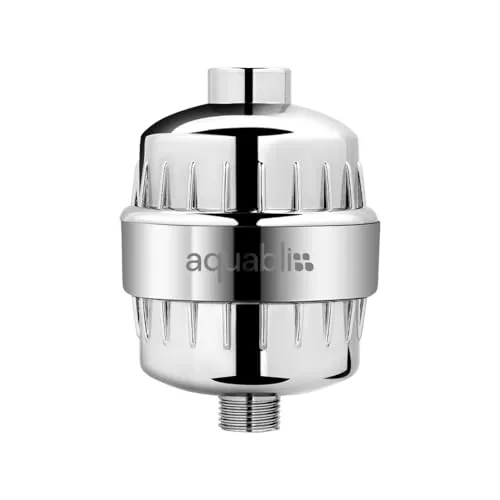
6 Best Water Filters For Hard Water (2026 Review Guide)
Jul 9, 2026
9 Best Reverse Osmosis Systems (2026 Review Guide)
Jul 16, 2026
6 Best Water Filters For Coffee And Espresso Machines (2026 Review Guide)
Aug 4, 2026