As low as $12
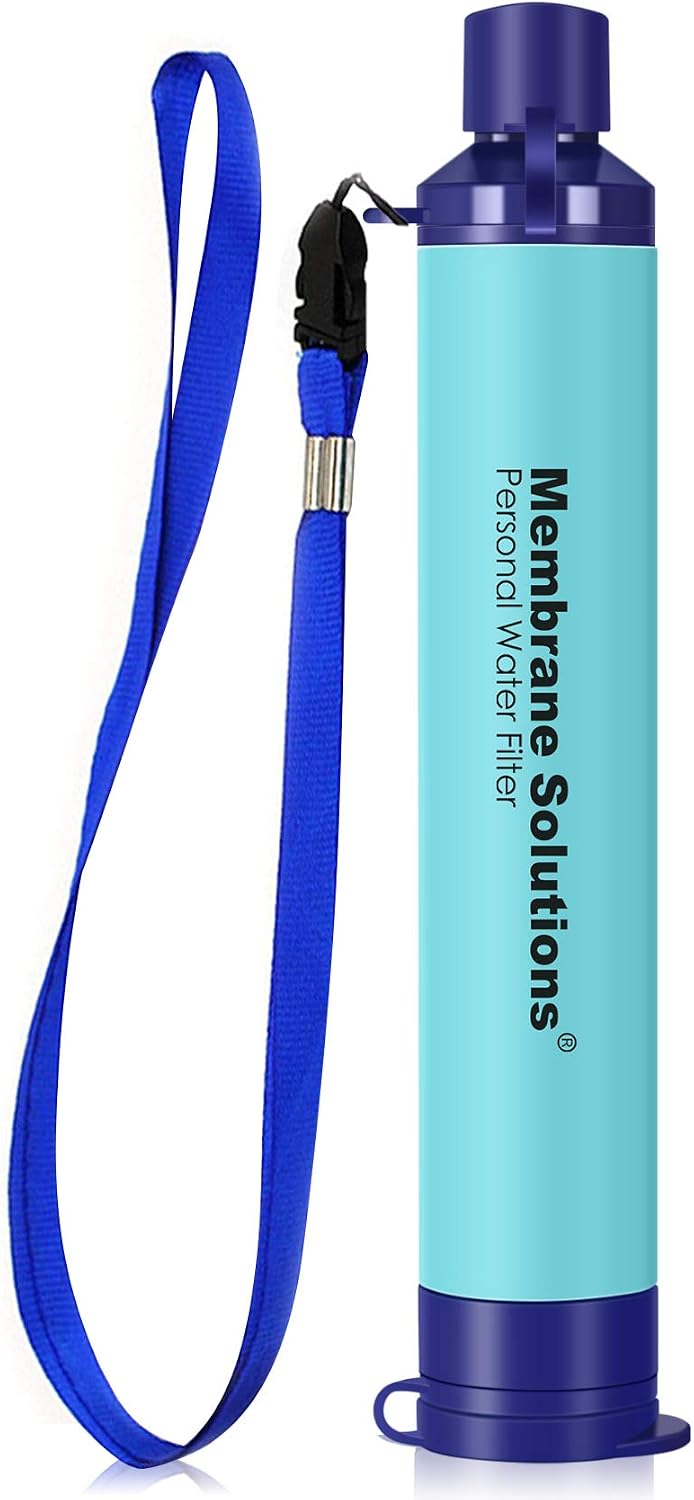
Built for travel, hiking & emergencies - drink safely whether the water is unsafe or just tastes off.
- NSF/ANSI 42, 372 & 401 certified, 0.1 micron filtration
- Filters up to 1,320 gallons - no batteries or pumping
- Ultralight - fits in any bag or pocket
- BPA-free, compatible with standard 28mm bottle threads
Tap water in Turkmenistan is generally not safe for travelers to drink. The country faces significant water infrastructure challenges, including aging Soviet-era pipes, intermittent supply, and potential contamination from agricultural runoff and industrial pollutants. Visitors should rely on bottled or purified water throughout their stay.
Quick Reference
| Concern | Our Advice | |
|---|---|---|
| Drink tap water? | ❌ | Use bottled or filtered water |
| Brush teeth? | ❌ | Use bottled or filtered water |
| Wash fruits / veg? | ❌ | Wash with filtered or bottled water |
| Use ice in drinks? | ❌ | Avoid unless confirmed purified |
| Shower safely? | ✅ | Yes |
| Filter bottle needed? | ❌ | Strongly recommend a Membrane Solutions Filter Straw for all travelers |
| Common risks | Bacterial contamination, Heavy metals, Agricultural pesticide residues, Sediment and rust from aging pipes, High mineral content, Chlorination byproducts |

Key Statistics


Affiliate links — we earn a small commission at no extra cost to you.
Water Infrastructure & Supply
Turkmenistan's water infrastructure was largely built during the Soviet era, with major systems dating back to the 1960s and 1970s. The country is heavily dependent on the Amu Darya river and the Karakum Canal , one of the world's longest irrigation canals , for both agricultural and domestic water supply. Much of the piping network in urban areas is aging, leading to frequent leaks, pressure drops, and contamination from corroded pipes.
Water treatment plants in major cities like Ashgabat have undergone some modernization, but treatment quality remains inconsistent across the country. In rural areas, many communities rely on wells or untreated surface water. The distribution system suffers from intermittent supply, and residents commonly store water in rooftop tanks, which can introduce additional contamination if not properly maintained.
The Turkmen government has invested in several water infrastructure projects, including the ambitious Altyn Asyr (Golden Age) Lake project, designed to collect agricultural drainage water in the Karakum Desert. International organizations including the World Bank and UNDP have supported projects to improve water supply and sanitation in rural communities. However, progress has been slow, and significant gaps remain between urban and rural water access and quality.
Contamination & Health Risks
The primary health risks from tap water in Turkmenistan include exposure to bacterial pathogens such as E. coli and other coliforms, which can enter the supply through aging and damaged pipes. Agricultural runoff carrying pesticides and fertilizers , particularly from the country's vast cotton-growing regions , is a major concern, as these chemicals can leach into both surface and groundwater sources.
Heavy metals including lead and copper can leach from deteriorating Soviet-era pipes, especially in older buildings. The Aral Sea crisis has also affected water quality in the northern regions, where salinization and chemical contamination of water sources remain serious environmental and health issues. Travelers may experience gastrointestinal illness, including diarrhea and stomach cramps, if they consume untreated tap water.
For travelers, the risk is highest in rural areas and smaller cities where treatment is minimal or nonexistent. Even in Ashgabat, the capital, water quality can vary by neighborhood and time of day due to pressure fluctuations. Visitors with sensitive stomachs or compromised immune systems should be especially cautious and avoid consuming any untreated water, including ice made from tap water in restaurants.
Regional Water Quality Breakdown
Ashgabat
cautionThe capital has the best water infrastructure in the country, with relatively modern treatment facilities. However, aging pipes in older neighborhoods can compromise quality, and supply can be intermittent. Travelers should still use bottled or filtered water.
Trkmenbay (Turkmenbashi)
cautionThis Caspian Sea port city has undergone some infrastructure improvements, but tap water quality remains inconsistent. Desalination projects have been discussed but are not yet widespread. Bottled water is recommended.
Mary
avoidLocated in the agricultural heartland near the Amu Darya delta, Mary's water sources are particularly vulnerable to pesticide and fertilizer contamination from cotton farming. Water treatment capacity is limited, and travelers should strictly avoid tap water.
Daoguz (Dashoguz)
avoidSituated in the northern region near the former Aral Sea, Dashoguz faces severe water quality issues including high salinity and chemical contamination. The ecological disaster of the Aral Sea has significantly degraded water resources in this area.
Trkmenabat (Turkmenabat)
cautionAs the second-largest city and a major crossing point to Uzbekistan, Turkmenabat has basic water treatment but infrastructure is aging. Water quality varies seasonally, particularly during the hot summer months when demand peaks.
Karakum Desert / Rural Areas
avoidRural and desert communities often rely on untreated well water or delivered water of uncertain quality. Travelers visiting ancient sites like Merv or Nisa should bring sufficient bottled water. There is essentially no reliable treated water supply in remote areas.
Practical Tips for Travelers
- Always drink bottled or filtered water , tap water throughout Turkmenistan is not considered safe for travelers to consume directly.
- Carry a portable water filter bottle (such as LifeStraw or Grayl) as a backup, especially when traveling outside Ashgabat where bottled water may be harder to find. Strongly recommend the Membrane Solutions Filter Straw.
- To ask for bottled water in Turkmen, say "edki suw bar mi?" (Do you have bottled water?) or simply ask for "mineral suw" (mineral water) at restaurants.
- Avoid ice in drinks at restaurants and street food stalls unless you can confirm it was made with purified water , most ice is made from tap water.
- Peel all fruits and vegetables or wash them thoroughly with bottled or purified water before eating, especially produce from local bazaars.
- In summer months (June, August), carry at least 3 liters of water per person when sightseeing, as temperatures regularly exceed 40C and dehydration is a serious risk.
- Check that bottled water seals are intact before purchasing , refilled bottles are occasionally sold in markets. Stick to well-known brands from reputable shops.
- If staying in a guesthouse or budget accommodation without provided water, boil tap water for at least one minute as a minimum safety measure before drinking.
Bottled Water Availability & Cost
Bottled water is widely available in Turkmenistan, particularly in Ashgabat and other major cities. Local brands are affordable, typically costing 2, 5 Turkmen manat (TMT) for a 1.5-liter bottle, roughly $0.55, $1.40 USD at the official exchange rate. Imported brands are more expensive and less commonly found outside larger supermarkets and hotels. Popular local brands include "Bereketli" and "anardag."
Buying water in bulk (5-liter or 19-liter jugs) from local shops is more economical for longer stays. Many hotels catering to international guests provide complimentary bottled water in rooms. Given Turkmenistan's extreme desert heat , temperatures can exceed 45C (113F) in summer , travelers should carry ample water at all times. Using a portable water filter or purification bottle is a sustainable alternative that reduces plastic waste while ensuring safe hydration.
Frequently Asked Questions
Can I brush my teeth with tap water in Turkmenistan?
It is not recommended. The tap water may contain bacteria and heavy metals from old pipes. Use bottled or filtered water for brushing your teeth to avoid potential stomach issues.
Is it safe to shower in Turkmenistan's tap water?
Yes, showering is generally safe as long as you avoid swallowing any water. Keep your mouth closed and be careful with any open wounds. The water is fine for external use.
Is ice safe in drinks at restaurants in Turkmenistan?
Ice is generally not safe as it is usually made from tap water. Upscale hotels and international restaurants may use purified water for ice, but it's best to ask or request drinks without ice.
How much does bottled water cost in Turkmenistan?
A 1.5-liter bottle of local water typically costs 2, 5 TMT (about $0.55, $1.40 USD). Larger 5-liter containers offer better value. Imported brands cost more and are mainly found in Ashgabat supermarkets.
Is the water in Ashgabat hotels safe to drink?
Most international hotels in Ashgabat provide complimentary bottled water in guest rooms and use purified water in their restaurants. However, you should not drink water from bathroom taps even in high-end hotels.
Why is Turkmenistan's water quality so poor?
Turkmenistan faces a combination of challenges: Soviet-era infrastructure that hasn't been adequately upgraded, extreme aridity requiring heavy reliance on a few water sources, massive agricultural irrigation that strains supplies, and contamination from pesticides used in cotton farming.
Can I drink tea safely in Turkmenistan?
Yes, tea (a) is a central part of Turkmen culture and is generally safe because the water is boiled during preparation. Drinking freshly brewed hot tea at restaurants and tea houses is a safe and enjoyable way to stay hydrated.
Is the water situation different near the Aral Sea region?
Yes, the Dashoguz region near the former Aral Sea has particularly poor water quality. Decades of agricultural drainage and the Aral Sea's desiccation have led to high salinity, chemical contamination, and associated health problems. Extra caution is strongly advised in this area.
Traveling Nearby?
Check tap water safety in neighboring countries:
Afghanistan Iran Kazakhstan UzbekistanInteresting Product Reviews
7 Best Uv Water Purifiers For Travel (2026 Review Guide)
Jul 19, 2026
6 Best Gravity Water Filters For Camping (2026 Review Guide)
Jul 20, 2026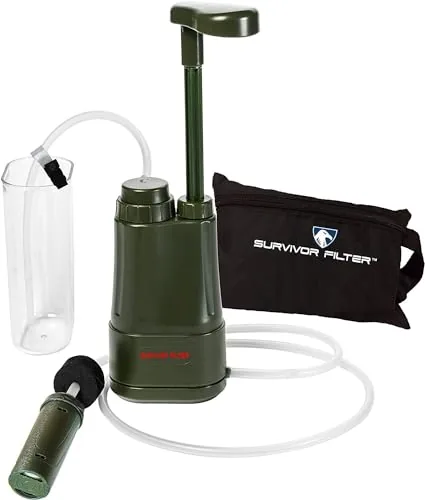
9 Best Pump Water Filters For Backpacking (2026 Review Guide)
Jul 13, 2026
8 Best Dehumidifiers (2026 Review Guide)
Aug 20, 2026
8 Best Insulated Water Bottles (2026 Review Guide)
Aug 6, 2026