As low as $12
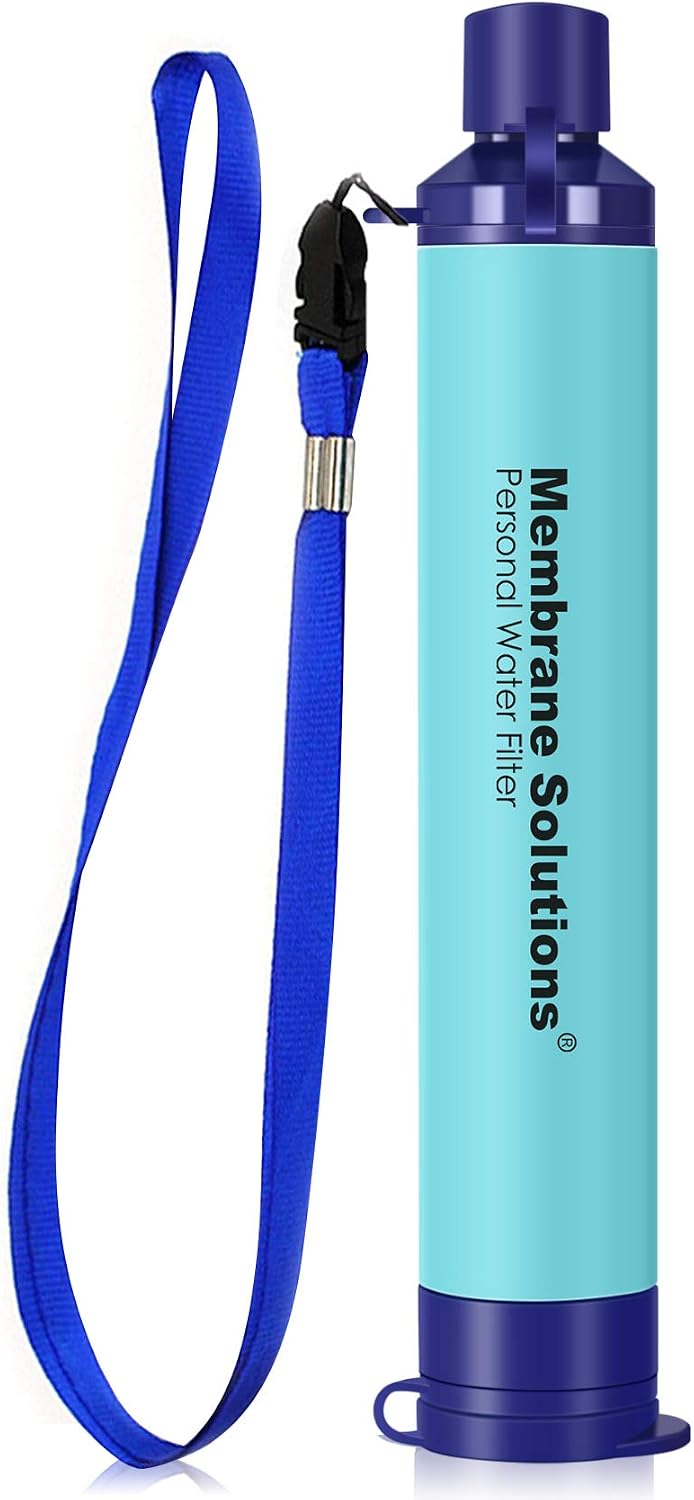
Built for travel, hiking & emergencies - drink safely whether the water is unsafe or just tastes off.
- NSF/ANSI 42, 372 & 401 certified, 0.1 micron filtration
- Filters up to 1,320 gallons - no batteries or pumping
- Ultralight - fits in any bag or pocket
- BPA-free, compatible with standard 28mm bottle threads
Tap water in Mauritania is generally not safe for travelers to drink. Water infrastructure remains limited, particularly outside the capital Nouakchott, and contamination risks from bacteria, parasites, and inadequate treatment are significant. Visitors should rely on bottled or properly treated water throughout their stay.
Quick Reference
| Concern | Our Advice | |
|---|---|---|
| Drink tap water? | ❌ | Use bottled or filtered water |
| Brush teeth? | ❌ | Use bottled or filtered water |
| Wash fruits / veg? | ❌ | Wash with filtered or bottled water |
| Use ice in drinks? | ❌ | Avoid unless confirmed purified |
| Shower safely? | ✅ | Yes |
| Filter bottle needed? | ❌ | Strongly recommend a Membrane Solutions Filter Straw for all travelers |
| Common risks | Bacterial contamination, Parasitic infections, Sediment and turbidity, Inadequate chlorination, E. coli, Salmonella, Giardia |

Key Statistics


Affiliate links — we earn a small commission at no extra cost to you.
Water Infrastructure & Supply
Mauritania's water infrastructure has historically been underdeveloped, particularly in rural and semi-arid regions that make up the majority of the country. The national water utility, SNDE (Socit Nationale De l'Eau), manages urban water supply, while rural areas often rely on boreholes, wells, and small community-managed systems. Colonial-era infrastructure in Nouakchott and Nouadhibou has been partially modernized but still suffers from aging pipes and intermittent supply.
The Aftout Es-Saheli project, completed in 2010 with funding from Arab development funds and the World Bank, brought water from the Senegal River to Nouakchott via a 170-kilometer pipeline, significantly boosting the capital's supply. However, the treatment and distribution network remains strained by rapid urban population growth, with Nouakchott's population having doubled in recent decades. Water pressure is inconsistent across many neighborhoods, and contamination can enter the system through cracked or deteriorating pipes.
Recent improvement projects include World Bank-funded programs to expand rural water access and improve sanitation. The Mauritania Urban Water Supply Project aims to upgrade treatment plants and extend distribution networks in Nouakchott and secondary cities. Despite these efforts, significant investment gaps remain, and much of the population, especially nomadic and rural communities, still lacks reliable access to safe drinking water.
Contamination & Health Risks
Water-related illnesses are a significant public health concern in Mauritania. Testing has revealed elevated levels of E. coli, total coliforms, and other microbial contaminants in both urban tap water and rural water sources. The hot, arid climate promotes bacterial growth in storage tanks and standing water, while limited wastewater treatment means that human and animal waste frequently contaminates groundwater supplies.
Major pollution sources include untreated sewage discharge, agricultural runoff from the Senegal River basin, and mining activities in the north (particularly iron ore extraction near Zourat), which can introduce heavy metals into local water sources. Nouakchott faces particular challenges with saltwater intrusion into its shallow aquifer and informal settlements that lack any sanitation infrastructure. Seasonal flooding during the brief rainy season can overwhelm drainage systems and contaminate water sources.
For travelers, the practical risks are substantial. Drinking untreated tap water can lead to traveler's diarrhea, giardiasis, and other gastrointestinal infections. Even in upscale hotels in Nouakchott, tap water quality can be inconsistent. The CDC recommends that travelers to Mauritania avoid tap water, use bottled water for drinking and brushing teeth, and avoid ice unless confirmed to be made from purified water. Particular caution should be exercised in rural areas, oasis towns, and during travel along remote desert routes.
Regional Water Quality Breakdown
Nouakchott
cautionThe capital has the best water infrastructure in the country thanks to the Aftout Es-Saheli pipeline, but intermittent supply, aging distribution pipes, and rapid population growth mean tap water quality is inconsistent. Travelers should not drink tap water directly and should use bottled or filtered water.
Nouadhibou
cautionMauritania's economic capital has improved water supply through desalination efforts, but quality can vary by neighborhood. Saltwater intrusion into groundwater remains a challenge. Bottled water is readily available and recommended.
Atar & Adrar Region
avoidThis popular tourist destination in the Saharan interior relies on limited groundwater sources. Water quality is poor and inconsistent, and treatment facilities are minimal. Travelers must bring sufficient bottled water for excursions into the surrounding desert and oases.
Kadi & Senegal River Valley
avoidTowns along the Senegal River have water sources that are vulnerable to agricultural runoff, seasonal flooding contamination, and inadequate treatment. Waterborne diseases are more prevalent in this region, and travelers should exercise extreme caution.
Zourat & Northern Mining Region
avoidThe remote northern mining towns have limited water infrastructure and potential contamination from iron ore mining activities. Water supply is scarce, and quality is unreliable. Travelers should carry all needed water supplies.
Chinguetti
avoidThis ancient UNESCO-listed desert town relies on traditional well water and limited infrastructure. Water quality is poor and untreated. Tourists visiting this historic site should bring ample bottled water and avoid consuming any local untreated water.
Practical Tips for Travelers
- Carry a filter straw (e.g., Membrane Solutions) — it removes bacteria, parasites, and microplastics from any tap or stream. Strongly recommend the Membrane Solutions Filter Straw.
- Always drink bottled or filtered water. In Hassaniya Arabic (the local language), you can ask for bottled water by saying 'Ma maadani' ( ), meaning 'mineral water.'
- Carry a portable water filter or purification tablets when traveling outside Nouakchott, as bottled water may be unavailable in remote areas.
- In the extreme desert heat, plan for at least 4 liters of water per person per day, and significantly more if engaging in physical activity or extended desert excursions.
- Avoid ice in drinks unless you are in a high-end hotel or restaurant that confirms it is made from purified water. Most local ice is made from untreated tap water.
- Use bottled or filtered water for brushing your teeth. Even small amounts of contaminated water can cause gastrointestinal illness.
- When buying bottled water, check that the seal is intact before purchasing. Refilled bottles with compromised seals have been reported in some areas.
- If you eat fresh fruits or vegetables, wash them thoroughly with bottled or purified water, or peel them before eating to reduce contamination risk.
- Stock up on water at supermarkets in Nouakchott before traveling to rural areas, prices are lower and availability is guaranteed compared to small village shops.
Bottled Water Availability & Cost
Bottled water is widely available in Mauritania's cities, particularly in Nouakchott, Nouadhibou, and Atar. Common local brands include Tiviski and imported brands from Senegal and Morocco. A 1.5-liter bottle typically costs between 50-100 MRU (approximately $1.30, $2.70 USD) in shops, while smaller 0.5-liter bottles range from 20-50 MRU ($0.55, $1.35 USD). In restaurants and tourist areas, prices may be marked up significantly.
When traveling outside major cities, particularly into the Adrar region, the Saharan interior, or along remote routes, it is essential to stock up on bottled water in advance, as availability can be sporadic. Purchasing in bulk from supermarkets in Nouakchott (such as March Capitale) offers the best value. Travelers on extended desert excursions should budget for at least 3-4 liters per person per day given the extreme heat. Reusable water bottles with built-in filtration systems (such as LifeStraw or Grayl) are an excellent sustainable alternative and reduce plastic waste, which is a growing environmental concern in Mauritania.
Frequently Asked Questions
Can I brush my teeth with tap water in Mauritania?
No, it is recommended to use bottled or purified water for brushing your teeth throughout Mauritania. Even trace amounts of contaminated water can cause stomach upset or infection, particularly for visitors who are not accustomed to local microorganisms.
Is it safe to shower with tap water in Mauritania?
Showering with tap water is generally safe as long as you avoid swallowing any water and keep your mouth closed. If you have open wounds or sensitive skin conditions, you may want to take extra precautions. The risk comes from ingestion, not skin contact.
Is ice safe in drinks in Mauritania?
Ice should be avoided in most settings in Mauritania. Unless you are at an international hotel or upscale restaurant that explicitly uses purified water for ice, it is likely made from untreated tap water and carries the same contamination risks.
Can I drink the water served in restaurants in Mauritania?
In restaurants, always request sealed bottled water rather than tap water or water from a pitcher. Reputable restaurants in Nouakchott and tourist areas typically serve bottled water, but always verify the seal is intact before drinking.
How much does bottled water cost in Mauritania?
A 1.5-liter bottle of water typically costs 50-100 MRU (about $1.30-$2.70 USD) in shops. Smaller 0.5-liter bottles cost 20-50 MRU. Prices are higher in restaurants, hotels, and remote areas. Buying in bulk at Nouakchott supermarkets offers the best value.
Is the water from desert oases in Mauritania safe to drink?
Water from desert oases should never be consumed without proper purification. While these water sources may appear clean, they can contain bacteria, parasites, and mineral contaminants. Always use purification tablets, a filter, or stick to bottled water.
What is the best way to purify water in Mauritania if bottled water is unavailable?
If bottled water is unavailable, boiling water for at least one minute is the most reliable method. Alternatively, portable water filters (like LifeStraw or Grayl) or chlorine-based purification tablets are effective. UV purification pens also work well in Mauritania's clear water sources.
Is the tap water in Nouakchott hotels safe to drink?
Even in upscale Nouakchott hotels, tap water should not be consumed directly. Some high-end hotels provide complimentary bottled water in rooms or have their own filtration systems, but always confirm with hotel staff and default to sealed bottled water to be safe.
Interesting Product Reviews
6 Best Water Filters For Pharmaceuticals In Tap Wates (2026 Review Guide)
Aug 2, 2026
6 Best Water Filters For Coffee And Espresso Machines (2026 Review Guide)
Aug 4, 2026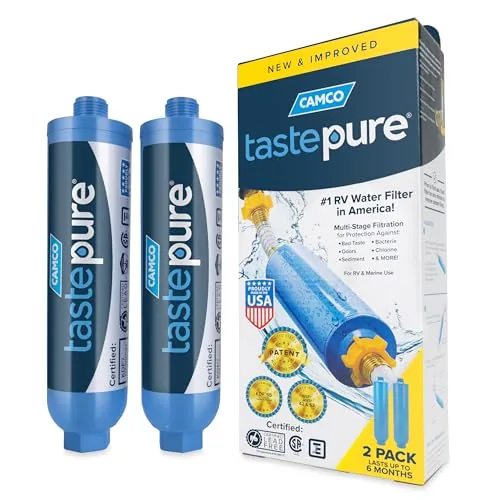
8 Best Water Filters For Van Life (2026 Review Guide)
Jul 28, 2026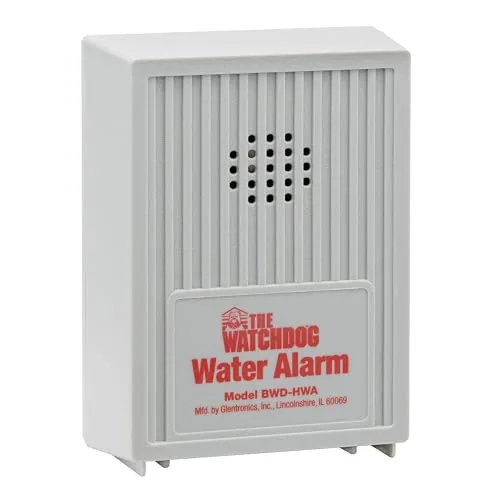
6 Best Water Alarms For Basements (2026 Review Guide)
Aug 17, 2026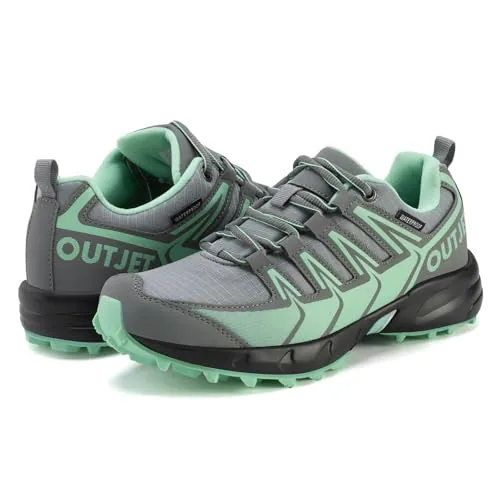
9 Best Waterproof Shoes For Travel (2026 Review Guide)
Aug 24, 2026