As low as $12
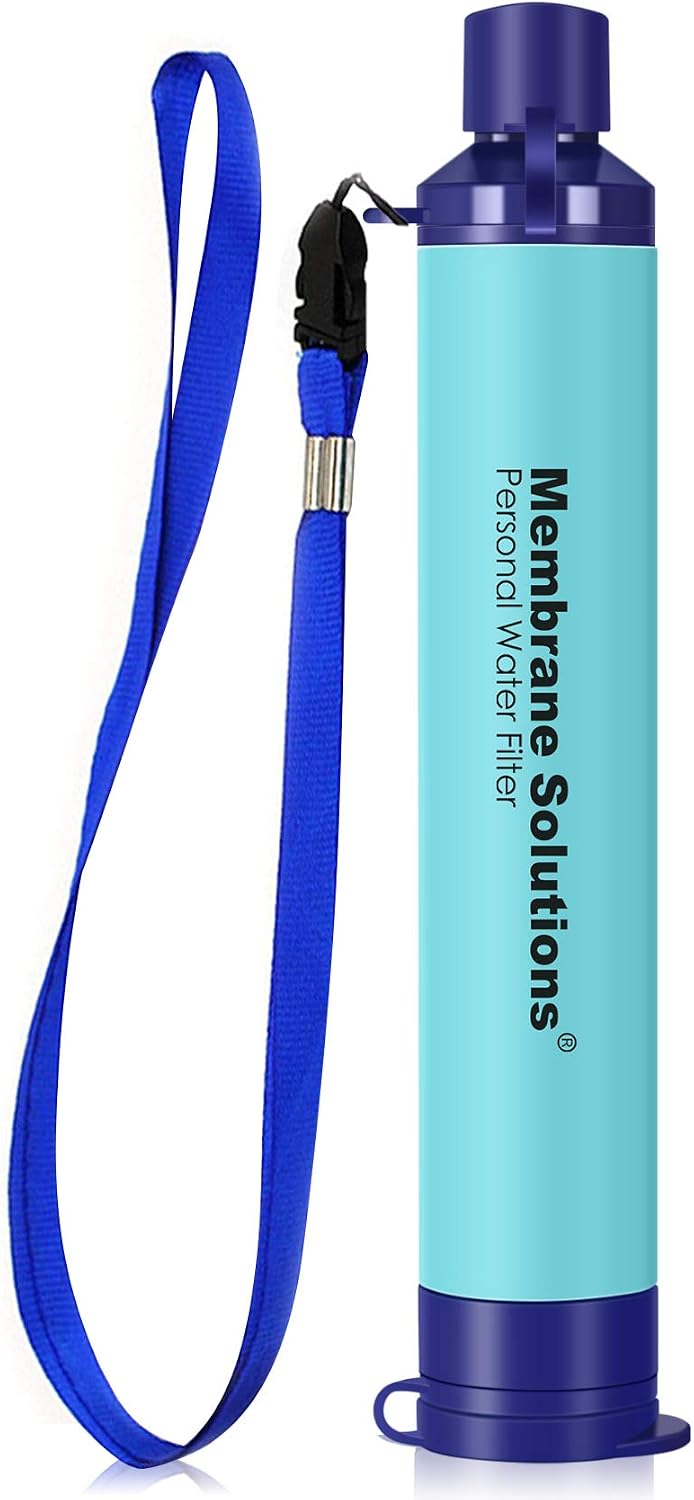
Built for travel, hiking & emergencies - drink safely whether the water is unsafe or just tastes off.
- NSF/ANSI 42, 372 & 401 certified, 0.1 micron filtration
- Filters up to 1,320 gallons - no batteries or pumping
- Ultralight - fits in any bag or pocket
- BPA-free, compatible with standard 28mm bottle threads
Tap water in Switzerland is among the safest and highest quality in the world. Sourced predominantly from natural springs, groundwater, and pristine alpine lakes, Swiss tap water undergoes rigorous testing and meets strict federal standards. Travelers can confidently drink tap water throughout the country, including from many of the famous public fountains found in cities and villages.
Quick Reference
| Concern | Our Advice | |
|---|---|---|
| Drink tap water? | ✅ | Yes, safe in most areas |
| Brush teeth? | ✅ | Yes, no concerns |
| Wash fruits / veg? | ✅ | Yes, safe to use tap water |
| Use ice in drinks? | ✅ | Yes, safe in restaurants |
| Shower safely? | ✅ | Yes |
| Filter bottle needed? | ✅ | Not necessary, but a Membrane Solutions Filter Straw can improve taste |
| Common risks | Trace pesticide residues in agricultural areas, Microplastics (trace levels), Legacy lead pipes in rare old buildings |

Key Statistics


Affiliate links — we earn a small commission at no extra cost to you.
Water Infrastructure & Supply
Switzerland has a long tradition of excellent water management dating back to the 19th century, when major cities began constructing modern waterworks. Today, approximately 2,500 water supply utilities serve the population, drawing about 80% of drinking water from groundwater and natural springs, with the remainder coming from lake water. The Swiss Federal Food Safety and Veterinary Office (FSVO) and cantonal laboratories enforce strict quality standards under the Swiss Food Law and the Waters Protection Act.
The technical infrastructure is highly advanced. Lake water treatment plants, such as those serving Zurich (drawing from Lake Zurich) and Lausanne (from Lake Geneva), employ multi-barrier systems including ozonation, sand filtration, and UV disinfection. Notably, many Swiss water supplies require minimal treatment because the source water quality is already exceptionally high, particularly in alpine regions where spring water flows directly into distribution networks.
Switzerland continues to invest heavily in water infrastructure upgrades. A major federal initiative launched in 2016 requires over 100 of the largest wastewater treatment plants to add advanced treatment stages (such as ozonation or activated carbon) to eliminate micropollutants like pharmaceuticals and pesticides. This program, expected to be largely completed by the late 2020s, positions Switzerland at the global forefront of wastewater treatment technology and further protects drinking water sources.
Contamination & Health Risks
Swiss tap water poses virtually no health risks for travelers. Routine monitoring by cantonal laboratories consistently shows compliance with microbiological and chemical standards. Incidents of waterborne illness linked to public water supplies are extremely rare, and the country has not experienced a significant outbreak in decades. The Federal Office of Public Health confirms that tap water quality is equivalent to or better than most commercially available bottled water.
The primary concerns identified by Swiss environmental authorities are trace-level micropollutants, including pesticide metabolites (particularly chlorothalonil metabolites, which led to a national debate) and pharmaceutical residues in some groundwater sources near agricultural or urban areas. However, these are present at concentrations well below levels considered harmful to human health. In very rare cases, older buildings (pre-1970s) may still have lead service lines or fittings, though widespread replacement programs have made this an uncommon issue.
For travelers, the practical risk from Swiss tap water is negligible. Water from public fountains is safe to drink unless explicitly marked "Kein Trinkwasser" (not drinking water) or "Eau non potable." Even sensitive travelers, including pregnant women and young children, can safely consume Swiss tap water without any additional treatment or filtration.
Regional Water Quality Breakdown
Zurich
safeZurich's water supply, sourced from Lake Zurich, groundwater, and spring water, is considered among the best in Europe. The city operates over 1,200 public drinking fountains, all of which provide potable water. Extensive multi-stage treatment ensures consistently excellent quality.
Geneva
safeGeneva draws its drinking water primarily from Lake Geneva (Lac Lman), treated at the Bois-de-Bay plant using advanced filtration and disinfection. Water quality is excellent and regularly monitored by the Services Industriels de Genve (SIG). All public fountains provide safe drinking water.
Bern
safeThe Swiss capital sources most of its water from groundwater in the Aaretal valley, which requires minimal treatment due to natural filtration. Water quality is consistently rated excellent by cantonal authorities. Public fountains throughout the Old Town are all safe to drink from.
Lucerne
safeLucerne's water comes from Lake Lucerne (Vierwaldstttersee) and local springs, processed at the Sonnenberg facility. The water quality is outstanding, benefiting from the lake's pristine alpine catchment. Travelers can drink freely from taps and fountains throughout the city.
Interlaken & Bernese Oberland
safeThis popular tourist region benefits from glacier-fed springs and alpine groundwater of exceptional purity. Many mountain villages receive water directly from springs with minimal treatment needed. Tap water here is some of the freshest and cleanest available anywhere in the world.
Ticino (Lugano, Locarno)
safeThe Italian-speaking canton of Ticino sources water from alpine springs, groundwater, and lakes. While infrastructure quality is high, some smaller communities in rural areas occasionally experience elevated levels of natural minerals. All in all, water quality remains safe and well-monitored throughout the region.
Practical Tips for Travelers
- Carry a filter straw (e.g., Membrane Solutions) — it removes bacteria, parasites, and microplastics from any tap or stream. Strongly recommend the Membrane Solutions Filter Straw.
- Drink freely from public fountains , Switzerland has thousands of them, and all are potable unless marked "Kein Trinkwasser" (German) or "Eau non potable" (French).
- In restaurants, you can ask for free tap water by saying "Hahnenwasser, bitte" (German), "De l'eau du robinet, s'il vous plat" (French), or "Acqua del rubinetto, per favore" (Italian), though some restaurants may prefer you order bottled water.
- Carry a reusable water bottle , you'll find public fountains on nearly every street corner in Swiss cities and at most trailheads in the Alps, saving you money and reducing plastic waste.
- When hiking in the Alps, mountain streams may look pristine but can carry parasites from livestock grazing above. Stick to designated drinking fountains and taps at mountain huts (Berghtten).
- Swiss tap water often has a naturally fresh, mineral-rich taste, especially in alpine regions , many locals and visitors consider it superior to bottled water.
- If staying in a very old building (pre-1950s), let the tap run for 10, 15 seconds in the morning before drinking, as a precaution against any legacy lead fittings, though this is extremely rare.
- Save money at restaurants by ordering "une carafe d'eau" (a carafe of tap water) in the French-speaking regions , it's free and perfectly safe.
Bottled Water Availability & Cost
Despite the excellent quality of tap water, bottled water is widely available throughout Switzerland. Popular domestic brands include Henniez, Valser, Aproz, and Elmer Citro. A 500ml bottle typically costs CHF 2.00, 4.00 (approx. USD 2.20, 4.40) at convenience stores or kiosks, while a 1.5-liter bottle at a supermarket like Migros or Coop ranges from CHF 0.50, 1.50. In restaurants, a bottle of water often costs CHF 5.00, 8.00, which is why many locals simply ask for tap water.
For budget-conscious travelers, buying water in bulk at supermarkets is far more economical, with six-packs of 1.5L bottles available for around CHF 3.00, 6.00. However, given that Swiss tap water is of outstanding quality, purchasing bottled water is largely unnecessary and contributes to plastic waste. Carrying a reusable bottle and refilling at any of the thousands of public fountains across Swiss cities and hiking trails is both the most sustainable and most economical approach.
Frequently Asked Questions
Can you drink tap water in Switzerland?
Yes, absolutely. Swiss tap water is among the safest and highest quality in the world. It is tightly regulated, continuously monitored, and safe to drink everywhere in the country. Many Swiss consider their tap water superior to bottled water.
Is it safe to brush teeth with tap water in Switzerland?
Yes, it is completely safe to brush your teeth with Swiss tap water. The water meets strict microbiological and chemical standards, and there is no risk of illness from using it for oral hygiene.
Can I drink water from public fountains in Switzerland?
Yes. Switzerland has over 170,000 public fountains, and the vast majority provide safe, potable drinking water. The only exception is fountains explicitly marked with "Kein Trinkwasser" or "Eau non potable," which means the water is not intended for drinking.
Is ice safe in Swiss restaurants and bars?
Yes. Ice in Swiss restaurants and bars is made from tap water, which is of excellent quality. You can safely order drinks with ice anywhere in the country without concern.
Is it safe to shower in Swiss tap water?
Yes, showering in Swiss tap water is completely safe. The water is free from harmful pathogens and chemicals at the point of use. Swiss water is also relatively soft in many alpine regions, which is gentle on skin and hair.
Do I need a water filter bottle for traveling in Switzerland?
No, a water filter bottle is not necessary for Switzerland. Tap water quality exceeds the standards of many bottled waters. A simple reusable bottle to refill at public fountains is all you need.
How much does bottled water cost in Switzerland?
A 500ml bottle costs CHF 2, 4 (USD 2.20, 4.40) at shops and kiosks. In restaurants, expect to pay CHF 5, 8 for a bottle. Supermarket prices for 1.5L bottles range from CHF 0.50, 1.50. Given the excellent tap water quality, bottled water is an unnecessary expense for most travelers.
Is Swiss tap water safe during winter sports and skiing trips?
Yes. Tap water at ski resorts and mountain villages is safe to drink. Many alpine communities source their water directly from pristine springs and groundwater. You can refill your water bottle at taps and fountains throughout ski areas without any concern.
Traveling Nearby?
Check tap water safety in neighboring countries:
Austria France Germany Italy LiechtensteinInteresting Product Reviews
9 Best Pfas Test Kits (2026 Review Guide)
Aug 16, 2026
9 Best Handheld Shower Heads (2026 Review Guide)
Aug 19, 2026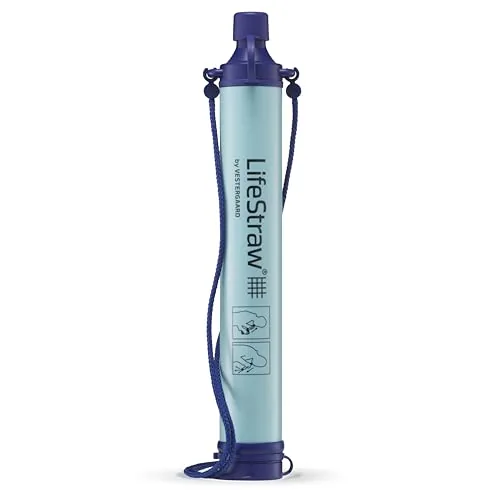
7 Best Water Filters For Giardia And Cryptosporidium (2026 Review Guide)
Jul 31, 2026
9 Best Chlorine Test Strips (2026 Review Guide)
Aug 16, 2026
9 Best Water Descalers (2026 Review Guide)
Aug 15, 2026