As low as $12
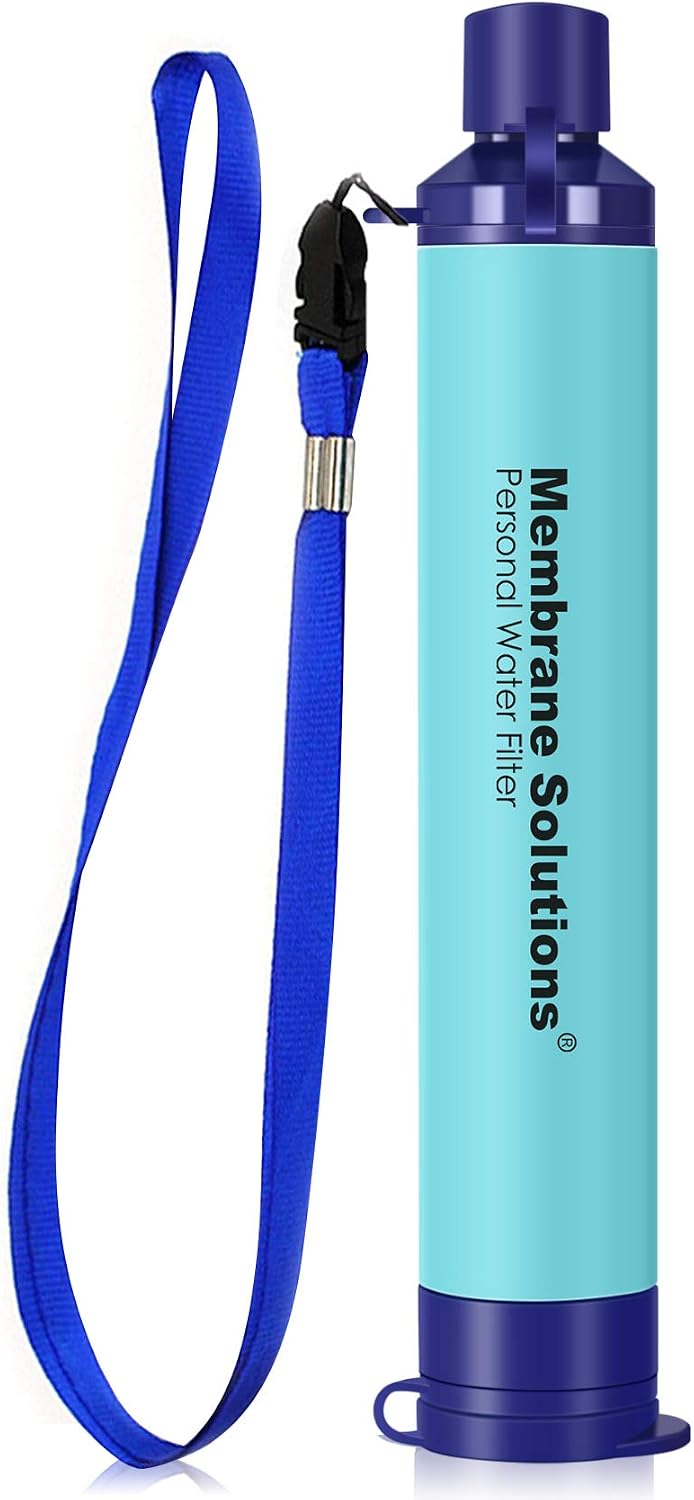
Built for travel, hiking & emergencies - drink safely whether the water is unsafe or just tastes off.
- NSF/ANSI 42, 372 & 401 certified, 0.1 micron filtration
- Filters up to 1,320 gallons - no batteries or pumping
- Ultralight - fits in any bag or pocket
- BPA-free, compatible with standard 28mm bottle threads
Tap water in the Republic of the Congo is generally not safe for travelers to drink. Water infrastructure is limited, particularly outside the capital Brazzaville, and contamination from bacteria, parasites, and poor sanitation is widespread. Travelers should rely on bottled or treated water throughout their visit.
Quick Reference
| Concern | Our Advice | |
|---|---|---|
| Drink tap water? | ❌ | Use bottled or filtered water |
| Brush teeth? | ❌ | Use bottled or filtered water |
| Wash fruits / veg? | ❌ | Wash with filtered or bottled water |
| Use ice in drinks? | ❌ | Avoid unless confirmed purified |
| Shower safely? | ✅ | Yes |
| Filter bottle needed? | ❌ | Strongly recommend a Membrane Solutions Filter Straw for all travelers |
| Common risks | Bacterial contamination, Parasitic infections, E. coli, Cholera, Typhoid, Sediment and turbidity, Inadequate chlorination |

Key Statistics


Affiliate links — we earn a small commission at no extra cost to you.
Water Infrastructure & Supply
The Republic of the Congo's water infrastructure has historically been underdeveloped, with colonial-era systems in Brazzaville and Pointe-Noire forming the backbone of urban water supply. The national water utility, La Socit Nationale de Distribution d'Eau (SNDE), manages most urban water networks, but the systems suffer from aging pipes, frequent breakdowns, and intermittent supply. Much of the population, especially in rural areas, relies on unprotected springs, rivers, and hand-dug wells.
Brazzaville's water treatment plants draw from the Congo River and its tributaries, but treatment capacity is insufficient to meet growing demand. The distribution network experiences significant water losses, estimated at 40-50%, due to leaking and deteriorated pipes. In rural and peri-urban areas, boreholes equipped with hand pumps are the primary improved water source, though many fall into disrepair due to lack of maintenance funding and spare parts.
The government, with support from the African Development Bank and the World Bank, has undertaken projects to expand water access, including the Brazzaville Water Supply Project aimed at rehabilitating treatment plants and extending the distribution network. The Chinese government has also funded water infrastructure projects in several towns. Despite these efforts, progress remains slow, and the gap between urban and rural water access continues to widen.
Contamination & Health Risks
Waterborne diseases are a significant public health concern in the Republic of the Congo. The country has experienced recurring cholera outbreaks, particularly in Brazzaville, Pointe-Noire, and along the Congo River corridor. E. coli, Salmonella, and parasitic organisms such as Giardia and Cryptosporidium are commonly found in untreated water sources, contributing to high rates of diarrheal disease, especially among children under five.
Contamination sources are varied and pervasive. Poor sanitation infrastructure means that untreated sewage frequently infiltrates water sources, particularly during the rainy season when flooding is common. Industrial pollution from the petroleum sector around Pointe-Noire and artisanal mining in northern regions can introduce heavy metals and chemicals into local water supplies. Open defecation remains prevalent in rural areas, further degrading water quality.
For travelers, the practical risks are significant. Tap water, even in hotels in Brazzaville and Pointe-Noire, should not be consumed without treatment. Ice in drinks should be avoided unless confirmed to be made from purified water. Fruits and vegetables should be washed with bottled or treated water, and street food vendors' water practices should be treated with caution. A high-quality water filter bottle or purification tablets are strongly recommended for any visit.
Regional Water Quality Breakdown
Brazzaville
cautionAs the capital, Brazzaville has the best water infrastructure in the country, with treated municipal water from SNDE. However, aging pipes, intermittent supply, and contamination in the distribution network mean tap water should not be consumed directly by travelers.
Pointe-Noire
cautionThe country's second city and economic hub has municipal water service, but supply is unreliable and quality is inconsistent. Petroleum industry activity in the region also poses risks of groundwater contamination. Bottled water is readily available.
Dolisie (Loubomo)
avoidThe third-largest city has limited water treatment capacity and an aging distribution system. Water supply is frequently interrupted, and untreated sources are commonly used. Travelers should rely entirely on bottled or purified water.
Owando and Northern Regions
avoidNorthern Congo has very limited water infrastructure, with most communities relying on rivers, unprotected springs, and boreholes. Artisanal mining activity in some areas adds contamination risk. Travelers should bring their own water treatment solutions.
Odzala-Kokoua National Park Area
avoidThis remote ecotourism destination in the northwest has no municipal water supply. Lodges and camps typically provide filtered or bottled water for guests, but travelers should confirm this in advance and carry backup purification methods.
Pool Region (Southern Congo)
avoidRural areas south of Brazzaville have minimal water infrastructure, and communities predominantly rely on untreated natural water sources. Past security issues in the region have also hindered infrastructure development. Travelers should carry sufficient bottled or purified water.
Practical Tips for Travelers
- Always drink bottled or filtered water, never drink tap water directly, even in major hotels in Brazzaville and Pointe-Noire.
- Invest in a high-quality filter bottle like Grayl or LifeStraw before your trip; these are essential for travel outside major cities. Strongly recommend the Membrane Solutions Filter Straw.
- When ordering safe water in French (the official language), say "De l'eau minrale en bouteille, s'il vous plat" (Bottled mineral water, please) and check that the seal is intact.
- Avoid ice in drinks unless you are at a high-end hotel or restaurant that confirms using purified water for ice production.
- Peel all fruits yourself and wash vegetables with bottled or treated water before eating, avoid pre-cut fruit from street vendors.
- Carry water purification tablets (chlorine dioxide type) as a lightweight backup, especially when heading to remote areas like Odzala-Kokoua.
- Showering with tap water is generally safe, but keep your mouth closed and avoid swallowing any water, particularly in areas with untreated supply.
- Stock up on bottled water at supermarkets in Brazzaville or Pointe-Noire before traveling to rural areas where it may not be available.
Bottled Water Availability & Cost
Bottled water is widely available in Brazzaville, Pointe-Noire, and other larger towns, though availability diminishes considerably in rural areas. Common brands include Cristalline, Dja, and various imported French brands. A 1.5-liter bottle typically costs between 500-1,500 CFA francs (approximately $0.80-$2.50 USD) in shops, while restaurants and hotels may charge 1,500-3,000 CFA francs ($2.50-$5.00 USD). Small 0.5-liter bottles generally cost 300-700 CFA francs ($0.50-$1.20 USD).
Buying water in bulk from supermarkets like Casino or local markets in Brazzaville and Pointe-Noire is more economical, with packs of six 1.5-liter bottles available for around 3,000-5,000 CFA francs. Travelers venturing to remote areas should stock up in advance, as bottled water may be unavailable or significantly more expensive outside major cities. For sustainability-minded travelers, investing in a reliable filter bottle such as a LifeStraw or Grayl can reduce plastic waste while ensuring safe hydration throughout the trip.
Frequently Asked Questions
Can I brush my teeth with tap water in the Republic of the Congo?
It is not recommended. Even in Brazzaville and Pointe-Noire, tap water may contain bacteria and parasites that can cause gastrointestinal illness. Use bottled or filtered water for brushing your teeth.
Is it safe to shower in tap water in the Republic of the Congo?
Showering is generally safe as long as you avoid swallowing any water and keep your mouth closed. If you have open wounds or cuts, you may want to use treated water for cleaning them.
Can I use ice in my drinks at restaurants?
It's best to avoid ice unless you are at a reputable hotel or restaurant that specifically uses purified water for ice. Most local establishments use tap water to make ice, which carries the same contamination risks.
Is restaurant water safe to drink in Brazzaville?
Do not drink tap water served at restaurants. Always order sealed bottled water and check that the cap seal is intact before drinking. Some higher-end restaurants may serve filtered water, but it is safer to stick with sealed bottles.
How much does bottled water cost in the Republic of the Congo?
A 1.5-liter bottle typically costs 500-1,500 CFA francs ($0.80-$2.50 USD) in shops. Prices are higher in restaurants and hotels, ranging from 1,500-3,000 CFA francs ($2.50-$5.00 USD). Buying in bulk at supermarkets is more economical.
Is the water safe in Odzala-Kokoua National Park lodges?
Most eco-lodges in Odzala-Kokoua provide filtered or bottled water for guests, but you should confirm this with your lodge in advance. Bringing your own filter bottle or purification tablets as backup is strongly recommended.
What waterborne diseases should I be concerned about?
The main risks include cholera, typhoid fever, hepatitis A, and parasitic infections from Giardia and Cryptosporidium. Diarrheal diseases are very common. Make sure your routine vaccinations including hepatitis A and typhoid are up to date before traveling.
Do I need a water filter bottle for my trip to the Republic of the Congo?
Yes, a water filter bottle is strongly recommended, especially if you plan to travel outside Brazzaville or Pointe-Noire. Models like the Grayl GeoPress or LifeStraw Go can remove bacteria, parasites, and some viruses, providing an essential safety layer when bottled water is unavailable.
Traveling Nearby?
Check tap water safety in neighboring countries:
Angola Cameroon Central African Republic DR Congo GabonInteresting Product Reviews
9 Best Ear Plugs For Swimmers (2026 Review Guide)
Aug 25, 2026
8 Best Dehumidifiers (2026 Review Guide)
Aug 20, 2026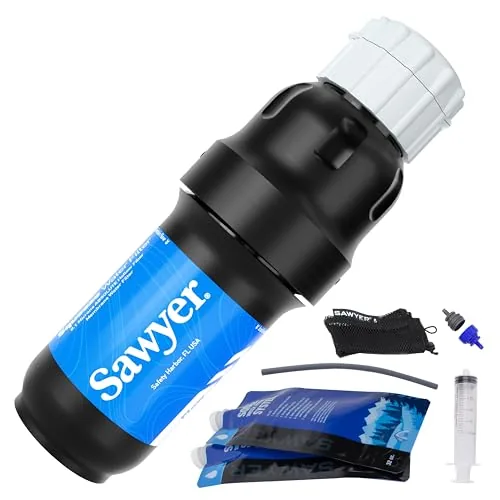
8 Best Squeeze Water Filters (2026 Review Guide)
Jul 20, 2026
6 Best Waterproof Bags (2026 Review Guide)
Aug 23, 2026
9 Best Self-Cleaning Water Bottles (2026 Review Guide)
Aug 7, 2026