As low as $12
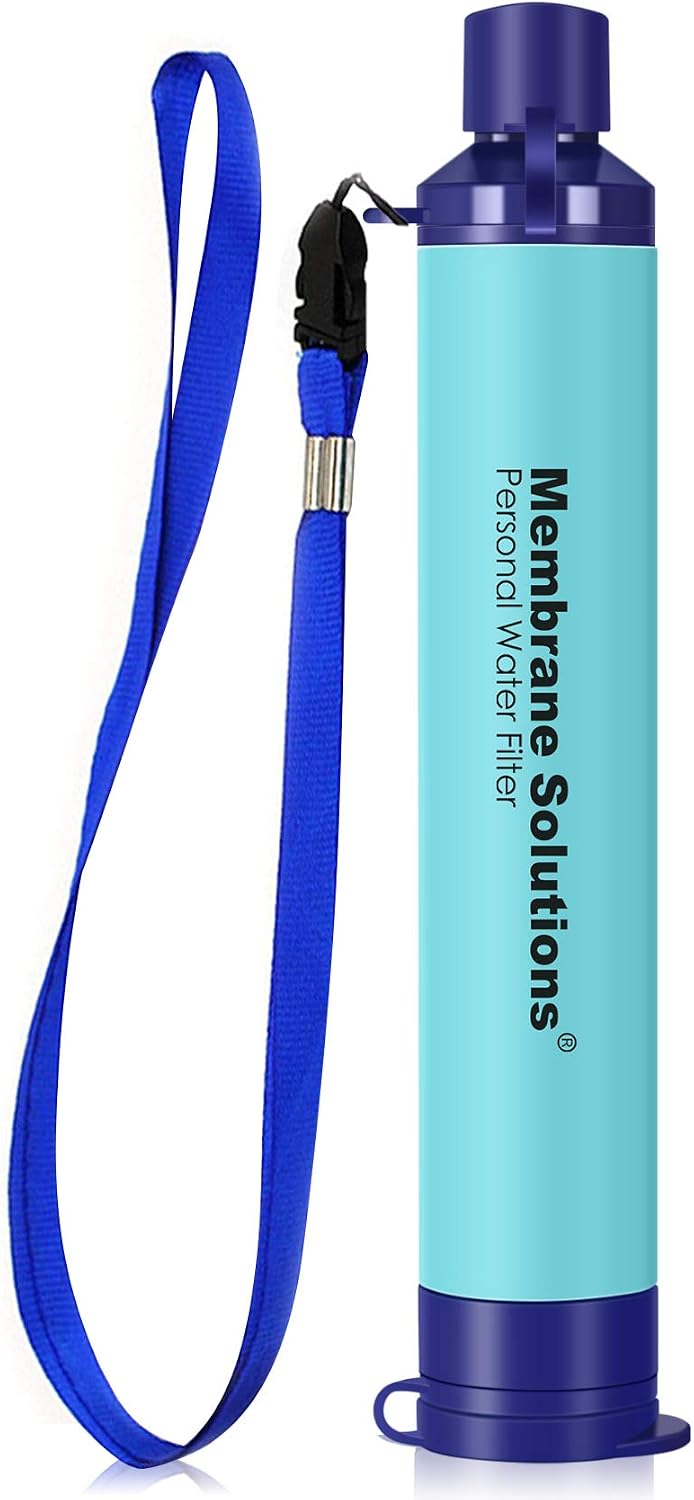
Built for travel, hiking & emergencies - drink safely whether the water is unsafe or just tastes off.
- NSF/ANSI 42, 372 & 401 certified, 0.1 micron filtration
- Filters up to 1,320 gallons - no batteries or pumping
- Ultralight - fits in any bag or pocket
- BPA-free, compatible with standard 28mm bottle threads
Tap water in Kyrgyzstan is generally not considered safe for travelers to drink without treatment. While major cities like Bishkek have centralized water treatment, aging Soviet-era infrastructure, seasonal contamination, and inconsistent chlorination make boiling or filtering advisable. Rural areas and smaller towns often rely on untreated surface water or shallow wells that carry significant health risks.
Quick Reference
| Concern | Our Advice | |
|---|---|---|
| Drink tap water? | ❌ | Use bottled or filtered water |
| Brush teeth? | ✅ | Yes, no concerns |
| Wash fruits / veg? | ❌ | Wash with filtered or bottled water |
| Use ice in drinks? | ❌ | Avoid unless confirmed purified |
| Shower safely? | ✅ | Yes |
| Filter bottle needed? | ❌ | Strongly recommend a Membrane Solutions Filter Straw for all travelers |
| Common risks | Bacterial contamination, Giardia, Heavy metals, Agricultural runoff, Aging infrastructure leaks, Sediment and turbidity, E. coli |

Key Statistics


Affiliate links — we earn a small commission at no extra cost to you.
Water Infrastructure & Supply
Kyrgyzstan's water infrastructure was largely built during the Soviet era and has suffered from decades of underinvestment since independence in 1991. The country is rich in freshwater resources, with glaciers, rivers, and mountain springs feeding the supply, but the delivery systems , pipes, pumping stations, and treatment facilities , have deteriorated significantly. Many networks experience losses of 30, 50% due to leaks and breaks in aging distribution pipes.
Bishkek draws its water primarily from deep artesian wells and the Ala-Archa river system, and the water undergoes basic chlorination treatment. However, secondary contamination is common as water passes through corroded pipes that may introduce rust, sediment, and bacteria. Smaller cities like Osh and Jalal-Abad rely on a mix of surface water and groundwater with more inconsistent treatment standards.
The Kyrgyz government, supported by the World Bank, Asian Development Bank, and Swiss Development Cooperation, has invested in modernizing water supply systems in both urban and rural areas. The 'Taza Suu' national program has aimed to improve rural water infrastructure, and several donor-funded projects are upgrading treatment plants and pipeline networks. Despite progress, full modernization remains years away, and travelers should exercise caution throughout the country.
Contamination & Health Risks
The primary health risks from Kyrgyz tap water include bacterial contamination (E. coli, coliform bacteria), parasitic infections such as giardiasis and cryptosporidiosis, and elevated levels of heavy metals in some areas. Agricultural runoff from livestock farming and pesticide use contaminates surface water sources, especially in the Fergana Valley region and lowland areas. Spring and summer snowmelt seasons can increase turbidity and pathogen loads.
Wastewater treatment remains inadequate across much of the country, with only about 21% of wastewater safely treated. In many rural communities, open sewage channels run near water sources, and septic systems are poorly maintained. Mining operations, particularly gold mining near Issyk-Kul and in the Naryn region, pose risks of heavy metal contamination including mercury, arsenic, and cyanide.
For travelers, the most practical risks include gastrointestinal illness from drinking untreated water, eating unwashed produce, or consuming ice made from tap water. Visitors to yurt camps, homestays, and rural guesthouses should be especially vigilant, as these accommodations rarely have water filtration. Carrying a reliable filter bottle or purification tablets is strongly recommended for all travel outside central Bishkek.
Regional Water Quality Breakdown
Bishkek
cautionBishkek's water comes from deep artesian wells and mountain rivers, with basic chlorination treatment. While locals drink tap water regularly, aging pipes cause secondary contamination, and travelers with sensitive stomachs should use filtered or boiled water.
Osh
cautionOsh, Kyrgyzstan's second-largest city, has a centralized water system but infrastructure is older and less reliable than Bishkek. Water quality can fluctuate seasonally, and boiling or filtering is recommended for travelers.
Issyk-Kul Region (Karakol, Cholpon-Ata)
cautionTourist towns around Lake Issyk-Kul have improved water systems due to tourism investment, but quality varies. Karakol has municipal water that is chlorinated, but smaller lakeside villages may have untreated sources. Mining activity in the region adds concern about heavy metals.
Naryn
avoidNaryn's remote location and limited infrastructure mean water treatment is minimal. The region's water comes largely from mountain streams and shallow wells that are vulnerable to livestock contamination. Travelers should rely exclusively on bottled or purified water.
Jalal-Abad
cautionJalal-Abad has municipal water supply but aging pipes and agricultural runoff from the fertile Fergana Valley pose contamination risks. Bottled or filtered water is recommended, especially during spring melt season.
Rural and Trekking Areas (Song-Kul, Tash Rabat, Alay Valley)
avoidRemote yurt camps and trekking routes rely on untreated stream, spring, or well water that may be contaminated by livestock grazing nearby. Always purify water from natural sources using a filter, UV treatment, or boiling. Bring sufficient purification capacity for the duration of your trek.
Practical Tips for Travelers
- Carry a filter bottle with you at all times , brands like LifeStraw, Grayl, or Sawyer are ideal for Kyrgyzstan's variable water quality, especially on treks and in rural areas. Strongly recommend the Membrane Solutions Filter Straw.
- In Kyrgyz, you can ask for boiled water by saying ' ' (Kaynatylgan suu beriizchi) , many guesthouses will provide this free of charge.
- In Russian, commonly spoken throughout the country, ask for bottled water by saying ' , ' (Butylirovannaya voda, pozhaluysta).
- Avoid ice in drinks unless you're at an established international restaurant in Bishkek, as ice is often made from untreated tap water.
- When buying bottled water, check that the seal is intact , refilled bottles are occasionally sold in remote areas.
- On multi-day treks to Song-Kul or the Alay Valley, collect water upstream of any yurt camps or livestock grazing areas and always filter or treat it.
- Peel fruits and vegetables or wash them with purified water, as market produce is often rinsed with untreated tap water by vendors.
- If you're staying at a homestay or community-based tourism lodge, politely ask if they boil their drinking water , most hosts are happy to prepare boiled water for guests.
Bottled Water Availability & Cost
Bottled water is widely available throughout Kyrgyzstan, including in small village shops along major travel routes. Popular local brands include Legenda, Arashaan, and Bystrinka, while international brands like Bon Aqua are also sold. A 0.5-liter bottle typically costs 20, 40 Kyrgyz som (approximately $0.20, $0.45 USD), and a 1.5-liter bottle ranges from 40, 80 som ($0.45, $0.90 USD).
For longer treks or road trips, it's economical to buy 5-liter jugs in Bishkek or Osh supermarkets, which cost 80, 150 som ($0.90, $1.70 USD). Many guesthouses and hotels in tourist areas provide boiled water or water cooler dispensers free of charge. Travelers concerned about plastic waste should consider investing in a quality filter bottle , this is both more sustainable and more practical given the limited recycling infrastructure in Kyrgyzstan.
Frequently Asked Questions
Can I brush my teeth with tap water in Kyrgyzstan?
In Bishkek and major cities, brushing teeth with tap water is generally fine since the brief exposure is unlikely to cause illness. In rural or remote areas, it's safer to use bottled or filtered water for brushing as well.
Is it safe to shower in Kyrgyz tap water?
Yes, showering in tap water is safe throughout Kyrgyzstan. Just avoid swallowing water while showering. If you have open wounds or very sensitive skin, you may want to pat dry promptly, but this is rarely an issue.
Can I drink ice in restaurants in Kyrgyzstan?
It's best to avoid ice in drinks outside of well-established restaurants in Bishkek. Most ice is made from unfiltered tap water, and you cannot verify the source. When ordering, you can ask for drinks without ice , ' ' (bez l'da) in Russian.
Is tap water in Bishkek safe to drink?
Bishkek's tap water comes from good sources and is chlorinated, and many locals drink it daily. However, aging pipes can introduce contaminants during distribution. Travelers, especially those with sensitive stomachs, should boil or filter the water to be safe.
How much does bottled water cost in Kyrgyzstan?
Bottled water is very affordable. A 0.5-liter bottle costs about 20, 40 som ($0.20, $0.45 USD), and a 1.5-liter bottle runs 40, 80 som ($0.45, $0.90). Five-liter jugs are available in supermarkets for 80, 150 som.
Is the water safe to drink at yurt camps and homestays?
Water at yurt camps typically comes from nearby streams or springs that may be contaminated by livestock. Always filter, boil, or chemically treat water at yurt camps. Many hosts will boil water for tea, which is safe to drink.
Can I drink water directly from mountain streams while trekking?
Despite the pristine appearance of mountain streams, they can harbor Giardia, E. coli, and other pathogens from livestock grazing at higher elevations. Always treat stream water with a filter, UV purifier, or purification tablets before drinking.
Is the water quality near Issyk-Kul Lake safe for tourists?
Tourist towns around Issyk-Kul like Cholpon-Ata and Karakol have improved municipal water systems, but quality varies and mining activity in the region raises concerns about heavy metals. Use bottled or filtered water to be safe, and avoid drinking directly from the lake.
Traveling Nearby?
Check tap water safety in neighboring countries:
China Kazakhstan Tajikistan UzbekistanInteresting Product Reviews
6 Best Water Filters For Sediment And Rust (2026 Review Guide)
Aug 1, 2026
9 Best Fish Tank Water Conditioners (2026 Review Guide)
Aug 18, 2026
9 Best Chlorine Test Strips (2026 Review Guide)
Aug 16, 2026
7 Best Smart Water Bottles (2026 Review Guide)
Aug 7, 2026
6 Best Hydration Backpacks (2026 Review Guide)
Aug 8, 2026