Around $20
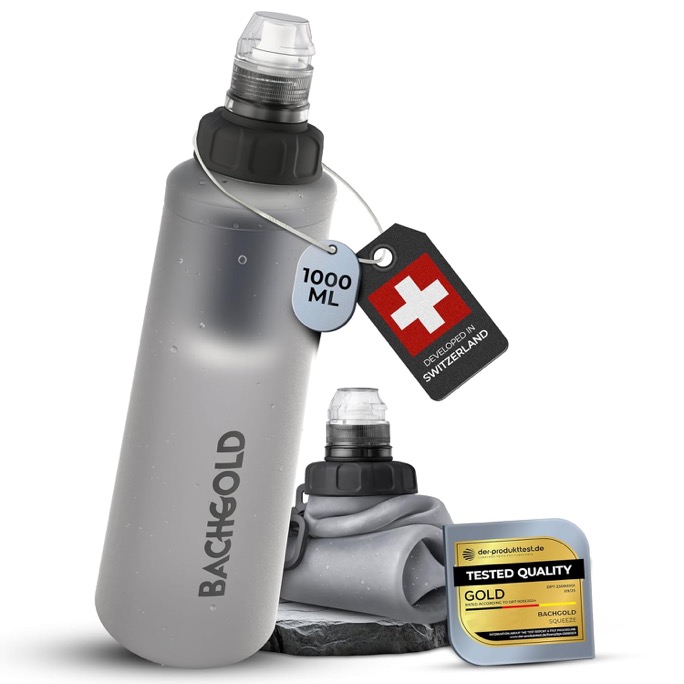
Built for travel, hiking & emergencies - drink safely whether the water is unsafe or just tastes off.
- 2-stage filtration: nanofiber layer + 0.2 micron hollow fiber membrane
- Rinse to restore flow - no replacement cartridges needed
- Collapsible 1L bottle - folds flat to pocket size
- Leak-resistant, taste-neutral, designed in Switzerland
Tap water in France is generally safe to drink throughout the country. French water undergoes rigorous testing and treatment regulated by the Ministry of Health and the Agences Rgionales de Sant (ARS), meeting strict EU standards. Travelers can confidently drink tap water in Paris, Lyon, Marseille, and most cities and towns across France.
Quick Reference
| Concern | Our Advice | |
|---|---|---|
| Drink tap water? | ✅ | Yes, safe in most areas |
| Brush teeth? | ✅ | Yes, no concerns |
| Wash fruits / veg? | ✅ | Yes, safe to use tap water |
| Use ice in drinks? | ✅ | Yes, safe in restaurants |
| Shower safely? | ✅ | Yes |
| Filter bottle needed? | ✅ | Not necessary, but a Bachgold Squeeze Filter Bottle can improve taste |
| Common risks | Pesticide residues in agricultural areas, Lead pipes in old buildings, Nitrate contamination in some rural zones, Chlorination byproducts |

Key Statistics


Affiliate links — we earn a small commission at no extra cost to you.
Water Infrastructure & Supply
France has one of the most developed water treatment and distribution systems in Europe, with a history dating back to major public works in the 19th century, notably the transformation of Paris's water system under Baron Haussmann and engineer Eugne Belgrand. Today, more than 13,500 water treatment facilities serve the country, managed by either public utilities (rgies) or private operators such as Veolia and Suez. The system provides safe drinking water to approximately 98% of the population through safely managed services.
The water supply relies on a mix of surface water (rivers, lakes, reservoirs) and groundwater sources, with groundwater providing roughly two-thirds of drinking water. Treatment processes include coagulation, flocculation, sand filtration, activated carbon filtration, ozonation, and chlorination or chloramination for disinfection. The Agences Rgionales de Sant (ARS) conduct millions of quality tests annually, checking for over 70 parameters including bacteria, pesticides, nitrates, heavy metals, and emerging contaminants.
France has invested heavily in upgrading its water infrastructure under EU Water Framework Directive obligations. Major ongoing projects include reducing agricultural pesticide runoff through the Ecophyto plan, upgrading lead service lines in older buildings (particularly pre-1950 constructions), and improving wastewater treatment in compliance with the EU Urban Waste Water Treatment Directive. The government's 2023 "Plan Eau" committed 180 million annually to reducing leaks and modernizing networks, targeting a reduction in network losses from the current national average of about 20%.
Contamination & Health Risks
French tap water is among the safest in the world, with a microbiological compliance rate of over 99%. However, some localized issues exist. In certain intensive agricultural regions, particularly in Brittany and parts of northern France, nitrate and pesticide contamination has occasionally exceeded EU limits. The ARS publishes real-time water quality data and issues advisories when standards are breached, though such events are rare and typically short-lived.
Lead contamination remains a concern in some older buildings, particularly those constructed before 1950, which may still have lead service pipes or lead-soldered connections. While French authorities have been progressively replacing these pipes, travelers staying in very old apartments or historic buildings should let the water run for 30 seconds to a minute before drinking, especially in the morning. Chlorination byproducts such as trihalomethanes are present at low levels but remain well within EU safety limits.
For travelers, the practical health risk from drinking French tap water is extremely low. Gastro-intestinal illness from tap water consumption is very uncommon. The main consideration is taste variation , water in some southern and eastern regions can taste more mineral-rich or chlorinated, which some visitors find unpleasant. A simple carbon filter or carafe filtrante can improve taste but is not necessary for safety. Visitors with severely compromised immune systems may wish to consult a doctor, but standard travelers face no meaningful risk.
Regional Water Quality Breakdown
Paris (le-de-France)
safeParis tap water is excellent quality, sourced from rivers and underground springs and treated at world-class facilities like Joinville and Orly. The city operates the Eau de Paris public utility, which provides detailed quality reports. Public water fountains are abundant throughout the city.
Lyon (Auvergne-Rhne-Alpes)
safeLyon's water is drawn primarily from groundwater aquifers near the Rhne and Sane rivers and meets all EU quality standards. The Eau du Grand Lyon utility maintains a strong treatment and monitoring program. Water quality is consistently rated excellent.
Marseille (Provence-Alpes-Cte d'Azur)
safeMarseille receives most of its water from the Durance River via the Canal de Marseille, a system dating to the 1840s. The water is well-treated and safe, though it can taste slightly more chlorinated than in other cities. The Socit Eau de Marseille manages distribution and quality.
Brittany (Bretagne)
cautionSome rural areas in Brittany have historically experienced elevated nitrate and pesticide levels due to intensive agriculture, particularly livestock farming. Municipal water treatment ensures tap water meets safety standards in cities like Rennes and Brest, but occasional advisories have been issued in smaller communes. Travelers in major towns need not worry, but rural areas may see periodic quality notices.
Bordeaux (Nouvelle-Aquitaine)
safeBordeaux's tap water is sourced primarily from deep underground aquifers and is of excellent quality with naturally low contamination levels. The water requires minimal treatment and is consistently rated among the best in France. Travelers can drink it without any concern.
Nice and the French Riviera
safeThe Cte d'Azur benefits from mountain spring water sources from the Alps and pre-Alps. Water quality in Nice, Cannes, and surrounding areas is excellent and safe to drink. The water can taste slightly mineral-rich, which is natural and not a safety concern.
Practical Tips for Travelers
- Carry a filter bottle (e.g., Bachgold Squeeze) — it removes bacteria, parasites, and microplastics from any tap or stream. Strongly recommend the Bachgold Squeeze Filter Bottle.
- In restaurants, ask for free tap water by saying "Une carafe d'eau, s'il vous plat" , French law requires restaurants to provide free tap water upon request.
- Look for green Wallace fountains (ornate dark-green cast-iron fountains) throughout Paris , they provide free, safe drinking water year-round.
- If you're staying in a building constructed before 1950, run the tap for 30 seconds to one minute before drinking, especially first thing in the morning, to flush any lead residue from old pipes.
- Check real-time water quality for any French commune at the Ministry of Health website (solidarites-sante.gouv.fr) , simply enter the town name to see the latest test results.
- In Paris, look for Eau de Paris sparkling water fountains (fontaines ptillantes) , they provide free chilled sparkling water and are located in several parks and public spaces.
- If you find the chlorine taste unpleasant, fill a carafe and leave it uncovered in the fridge for an hour , the chlorine will dissipate naturally.
- Carry a reusable water bottle , France has been expanding public drinking water access points in cities and transport hubs, and refilling is always free and safe.
- In mountain regions like the Alps and Pyrenees, natural spring water fountains along hiking trails are generally safe, but look for signs indicating 'Eau potable' (drinkable) versus 'Eau non potable' (not for drinking).
Bottled Water Availability & Cost
Bottled water is widely available throughout France in supermarkets, convenience stores, cafs, and restaurants. Popular brands include Evian, Volvic, Vittel, Cristaline, and Contrex. In supermarkets, a 1.5-liter bottle of still water typically costs between 0.20 and 0.80, with budget brands like Cristaline at the lower end. In cafs and restaurants, a small bottle (50cl) can cost 2 to 5, while a large bottle may cost 4 to 8. Sparkling water brands such as Perrier and Badoit are also widely available at similar or slightly higher prices.
For budget-conscious travelers, buying water in bulk at supermarkets like Carrefour, Leclerc, or Auchan is the most economical option , packs of six 1.5L bottles often cost 1.50 to 3.00. However, since French tap water is safe, bringing a reusable bottle is both cost-effective and environmentally friendly. Paris and many other cities have installed public drinking water fountains (fontaines Wallace in Paris, and modern Eau de Paris sparkling water fountains), which provide free, safe drinking water throughout the city.
Frequently Asked Questions
Can I brush my teeth with tap water in France?
Yes, absolutely. French tap water is safe for brushing teeth throughout the country. The water meets strict EU drinking water standards and poses no risk for oral hygiene use.
Is it safe to drink ice in drinks in France?
Yes, ice in French restaurants, bars, and cafs is made from tap water and is perfectly safe. France has strict food safety regulations (hygiene norms HACCP) that cover ice production in hospitality venues.
Can I shower safely with tap water in France?
Yes, showering with French tap water is completely safe. The water is treated and monitored to high standards. Those with very sensitive skin may notice slight chlorine effects, but this is cosmetic rather than a health concern.
Do restaurants in France charge for tap water?
No. Under French law, any establishment serving food must provide free tap water (une carafe d'eau) upon request. You should never be charged for it. If you want bottled mineral or sparkling water, that will be charged, so specify clearly what you want.
How much does bottled water cost in France?
In supermarkets, a 1.5L bottle costs 0.20, 0.80. In restaurants and cafs, expect to pay 2, 5 for a small bottle and 4, 8 for a large one. Buying multipacks at supermarkets is the most economical option, though tap water is free and safe.
Is Paris tap water safe to drink?
Yes, Paris tap water is safe and of excellent quality. It is rigorously tested by Eau de Paris and meets all EU standards. Paris even offers free sparkling water fountains in several parks. Many Parisians drink tap water daily.
Why does French tap water sometimes taste like chlorine?
A mild chlorine taste is normal and intentional , chlorine is added as a disinfectant to keep water safe during distribution. The levels are well within safe limits. To reduce the taste, fill a carafe and refrigerate it uncovered for about an hour, which allows the chlorine to evaporate.
Is tap water safe in rural France?
In the vast majority of rural areas, tap water is safe to drink. However, a small number of rural communes in agricultural regions may occasionally exceed limits for nitrates or pesticides. Local authorities issue notices (avis de restriction) when this occurs. When in doubt, check the quality report for the specific commune on the Ministry of Health website or ask your accommodation host.
Traveling Nearby?
Check tap water safety in neighboring countries:
Andorra Belgium Germany Italy Luxembourg Monaco Spain SwitzerlandInteresting Product Reviews
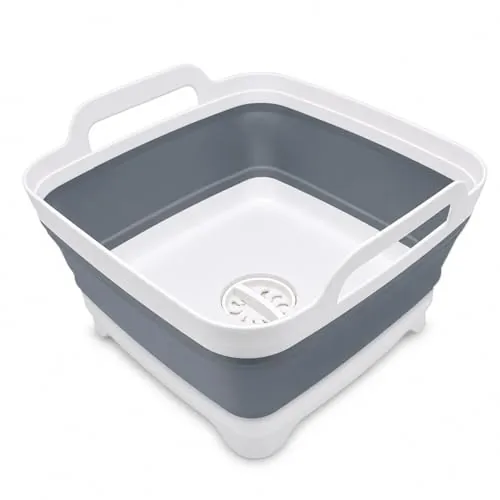
6 Best Portable Camp Sinks (2026 Review Guide)
Aug 23, 2026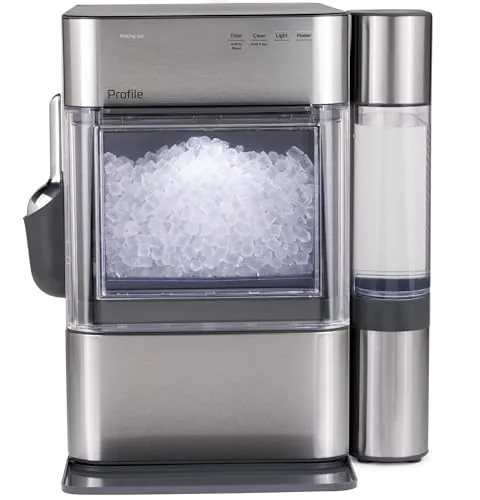
9 Best Nugget Ice Makers (2026 Review Guide)
Aug 10, 2026
7 Best Water Leak Detectors (2026 Review Guide)
Aug 17, 2026
6 Best Water Filters For Pesticides And Herbicides (2026 Review Guide)
Aug 2, 2026
7 Best Countertop Water Filters (2026 Review Guide)
Jul 25, 2026